Concept
Rationale for Topic Selection
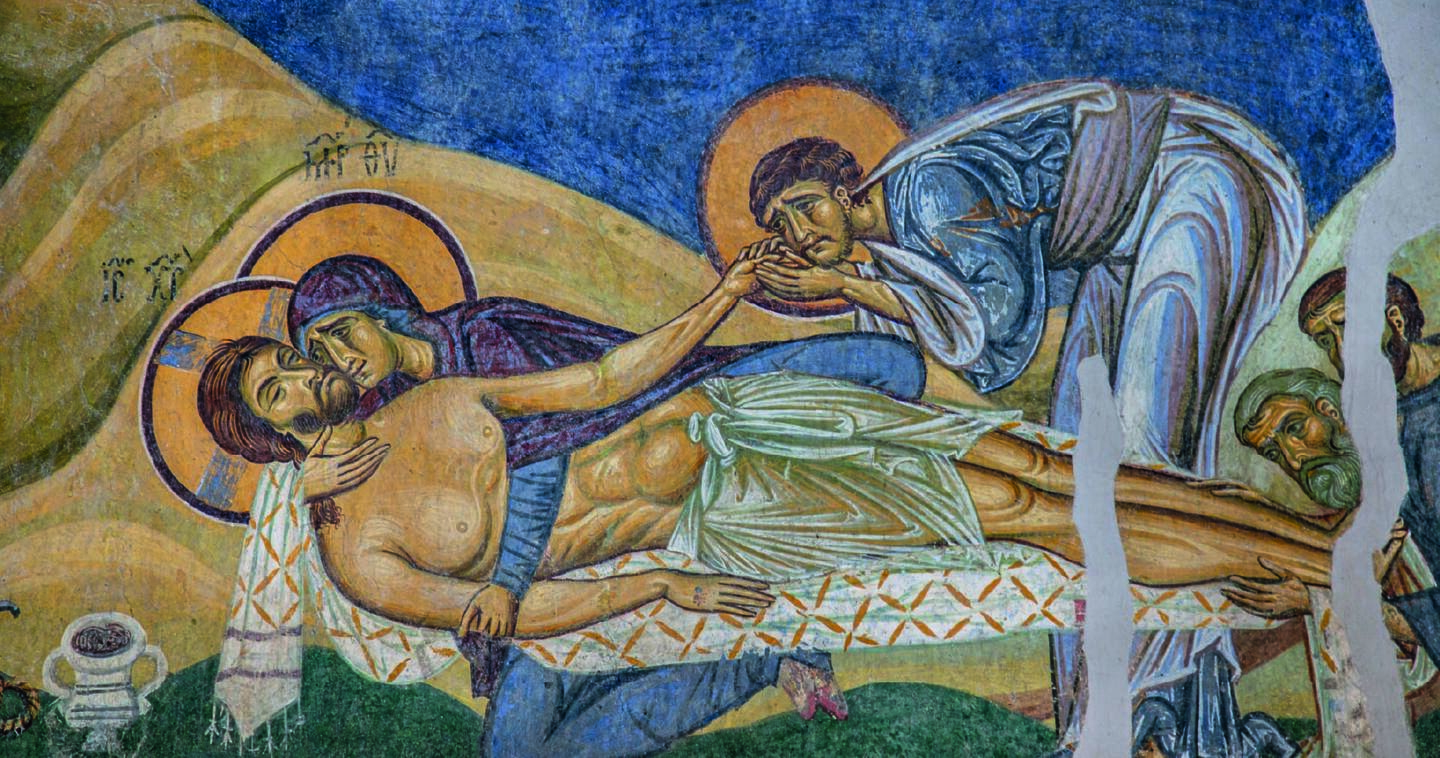
In Byzantine art, the depiction of the human figure conveys not only physical appearance but also religious ideas, emotions, and the relationships between characters. Gesture plays a central role here. I chose this theme because of the inherent contradiction—Byzantine imagery appears rigidly formal yet is deeply emotive. Despite restrained facial expressions and established iconographic traditions, the artists skillfully conveyed complex inner experiences through touch, hand placement, and bodily posture. Animation (GIF). Created by the author based on works of 12th-century Byzantine art [2]
Material Selection Principle
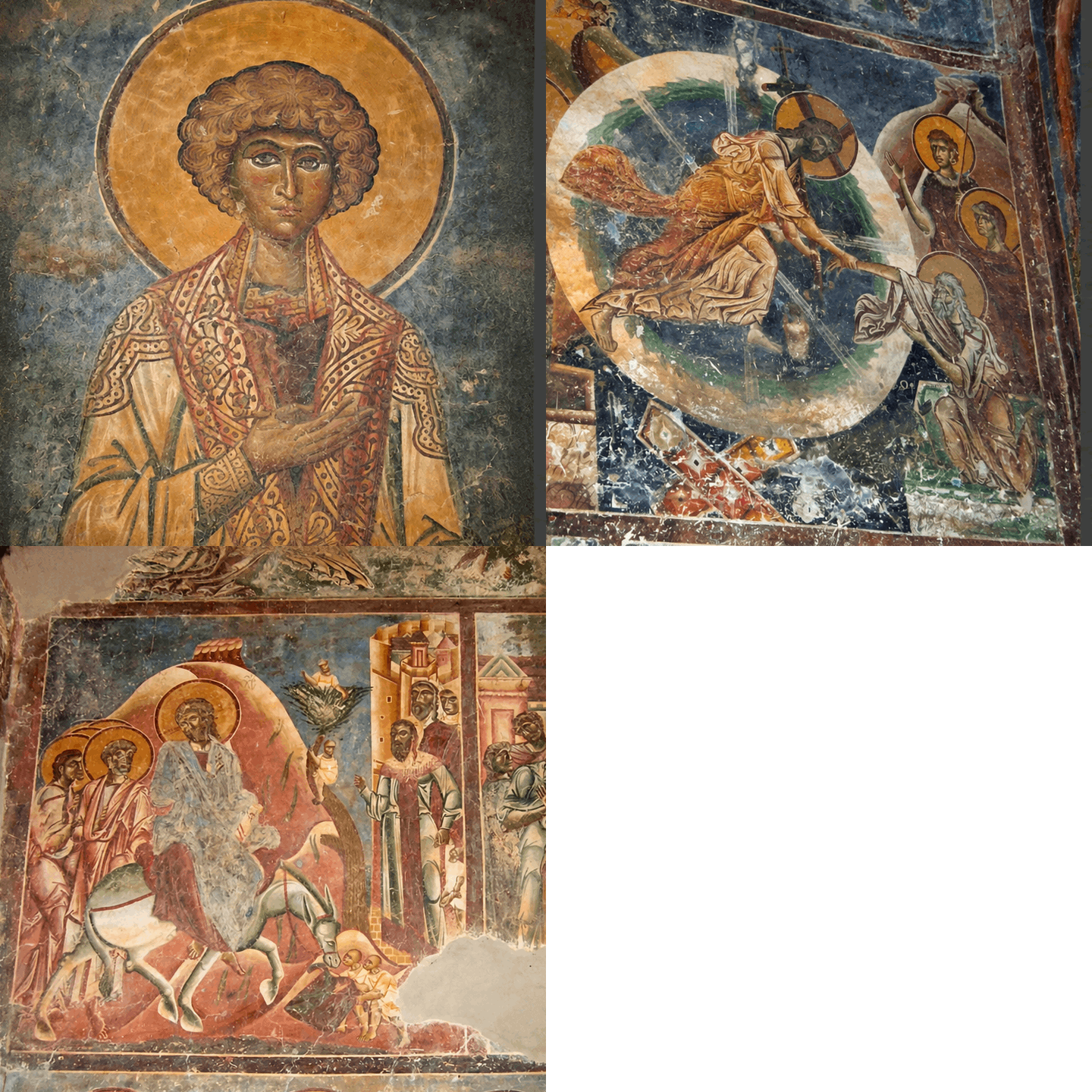
The works were selected based on three criteria: historical accuracy, belonging to 12th-century Byzantine art, and expressive gestures crucial to the image’s content.Chronological scope of the study: 1101–1200. The selection included works created within the Byzantine Empire, regardless of where they are currently housed.The basis of the visual material: frescoes from the Church of Saint Pantaleimon in Nerezi (1164), the murals of the Church of Saint George in Kurbinovo (1191) and 12th-century Constantinopolitan book miniatures.Both full images and magnified fragments are used for analysis. Thus, a gesture can be examined both as an individual detail and as part of the overall composition.
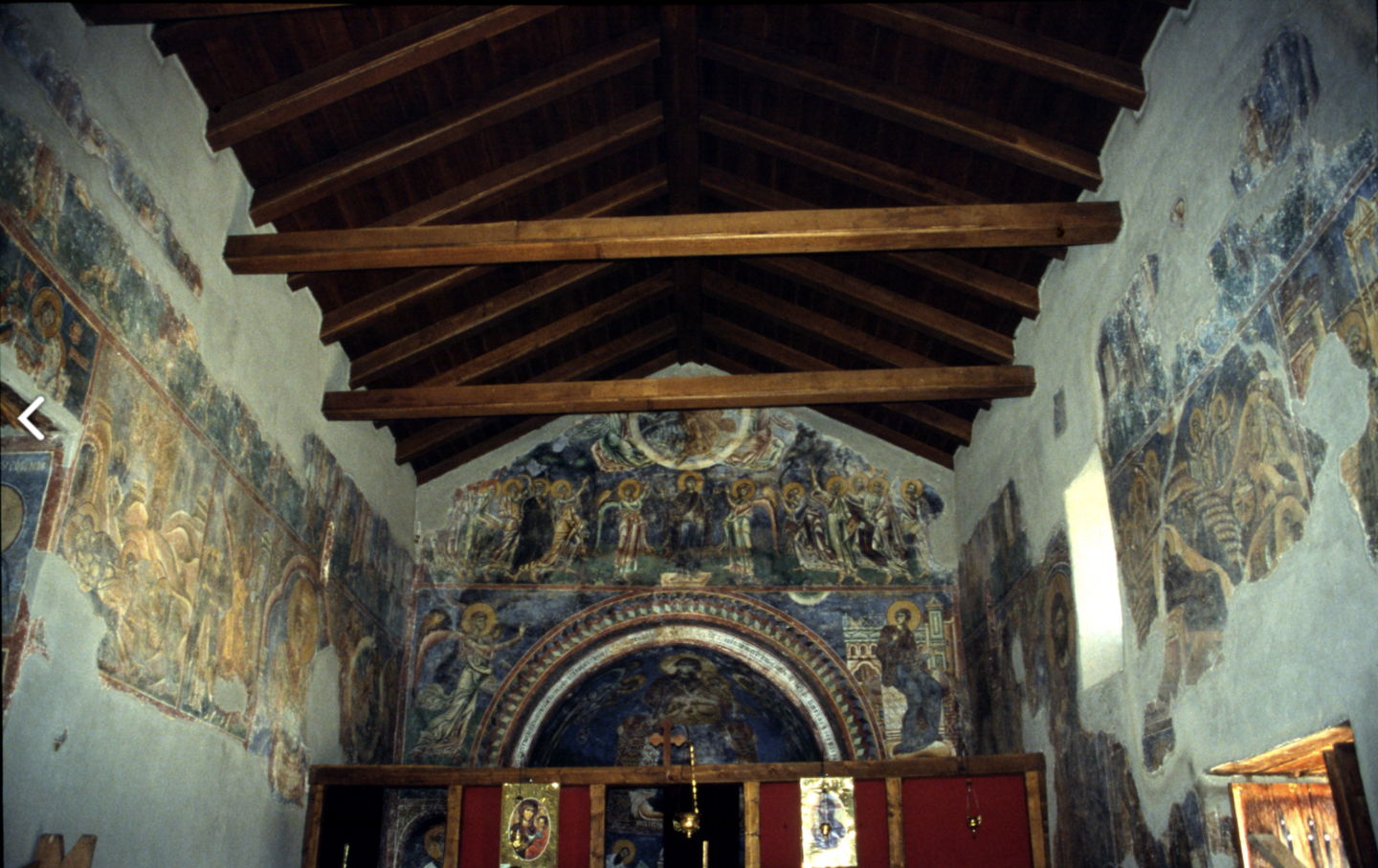
Fig. 1 Eastern Wall. St. George’s Church in Kurbinovo [3]
Research Structuring Principle
The material in this study is organized by themes. Gestures are separated by function rather than by the time of creation or the location of the artworks.
The first chapter is titled «Gesture as a Sacred Symbol». It discusses movements associated with blessing, prayer, and religious rites. This section illustrates how hand positioning conveys spiritual power and the sacred meaning of a scene.
The second chapter is titled «Gesture as an Expression of Emotion». It examines touches, embraces, and body inclines that artists used to convey tenderness, care, grief, and empathy.
The third chapter is titled «Gesture as a Tool for Communication and Hierarchy». It addresses movements that signify invocation, request, transfer, acceptance, and advocacy. This part shows how gestures connect characters to one another and establish their roles within the composition.
Each chapter contains four thematic sections. Thus, the study moves from the symbolic meaning of an individual gesture to its emotional and communicative functions.
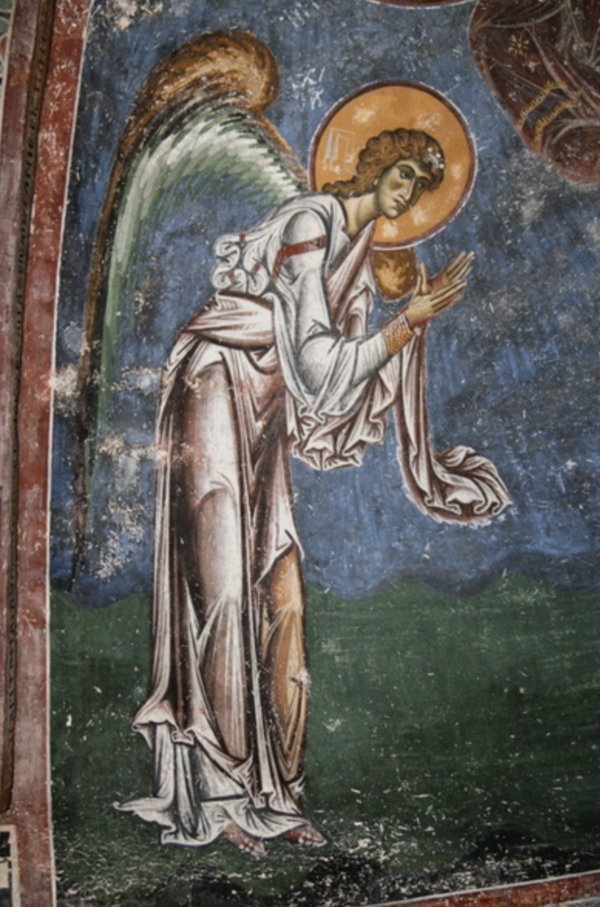
Fig. 2 St. George’s Church in Kurbinovo — Archangel Michael [4]
Fig. 3 The Church of St. Panteleimon in Nerezi — The Nativity of the Theotokos [5]
Principles for Selecting and Analyzing Textual Sources
First and foremost, sources containing information about the dating, origin, iconography, and conservation status of the works are selected. First and foremost, sources containing information about the dating, origin, iconography, and conservation status of the works are selected.Works focusing on the artistic expressiveness of Byzantine art are particularly important, especially Henry Maguire’s studies on the depiction of emotion and rhetorical devices in Byzantine painting.Art historical interpretations are compared with what can be observed in the works themselves. The meaning of a gesture depends on the religious subject matter and historical context, so identical movements do not always carry the same significance.Texts are needed to confirm facts and refine interpretations. They do not replace independent visual analysis.
Key Research Question and Hypothesis
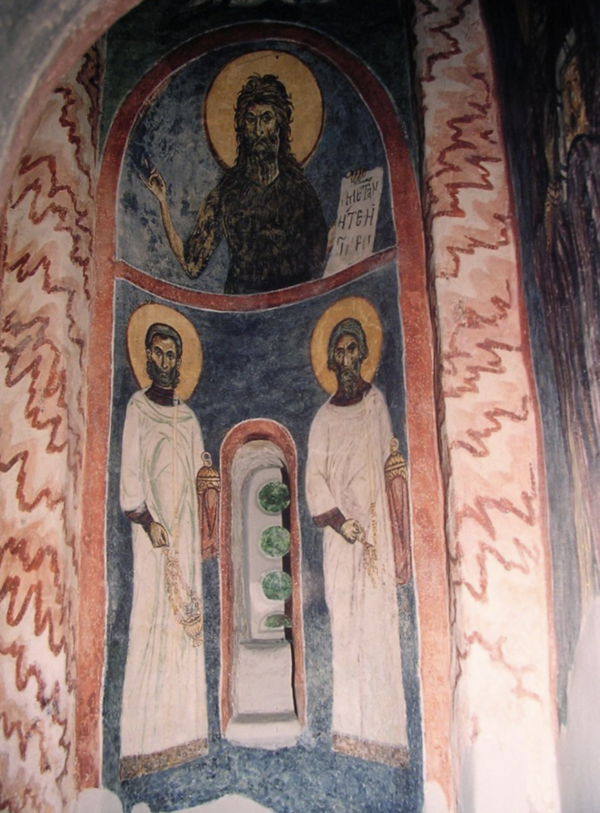
Key Question: How did gestures in 12th-century Byzantine art convey religious meaning, human emotion, and relationships between characters, given the stylized conventions characteristic of the art of that period?Hypothesis: In 12th-century Byzantine painting, the gesture functions as an independent means of visual communication, rather than a secondary detail. Its expressiveness depends both on the movement itself and on its relationship with other compositional elements: gaze, posture, figure placement, and religious context.It is hypothesized that comparing these works will reveal consistent methods for conveying meaning through the human body and show how traditional iconographic gestures integrate with the increased emotional expressiveness of 12th-century art.The research must demonstrate that beneath the apparent stillness of Byzantine depictions lies a complex system of non-verbal communication. The main idea of the project is that in 12th-century Byzantine art, the gesture becomes a complete artistic language through which feelings, spiritual ideas, and entire narratives are conveyed without words.Figure 4. Panthelemon Church in Nerezi — John the Baptist [6]
Chapter I. Gesture as a Sacred Symbol
01. Blessing as a Sign of Spiritual Authority
Figure 5. St. George’s Church in Kurbinovo — The Transfiguration of the Lord [7]
In Byzantine art, the gesture of blessing holds a special place because it is linked to the concept of divine authority and spiritual patronage.
The distinctiveness of this gesture lies in its restraint. Christ does not need to make an active movement to express his power. A raised hand is sufficient, a posture that gains special significance due to the overall solemnity of the image.
The blessing gesture also serves to distinguish Christ from other figures in the composition. It becomes a sign not of physical superiority, but of a unique spiritual status.
02. The Annunciation as an Act of Address
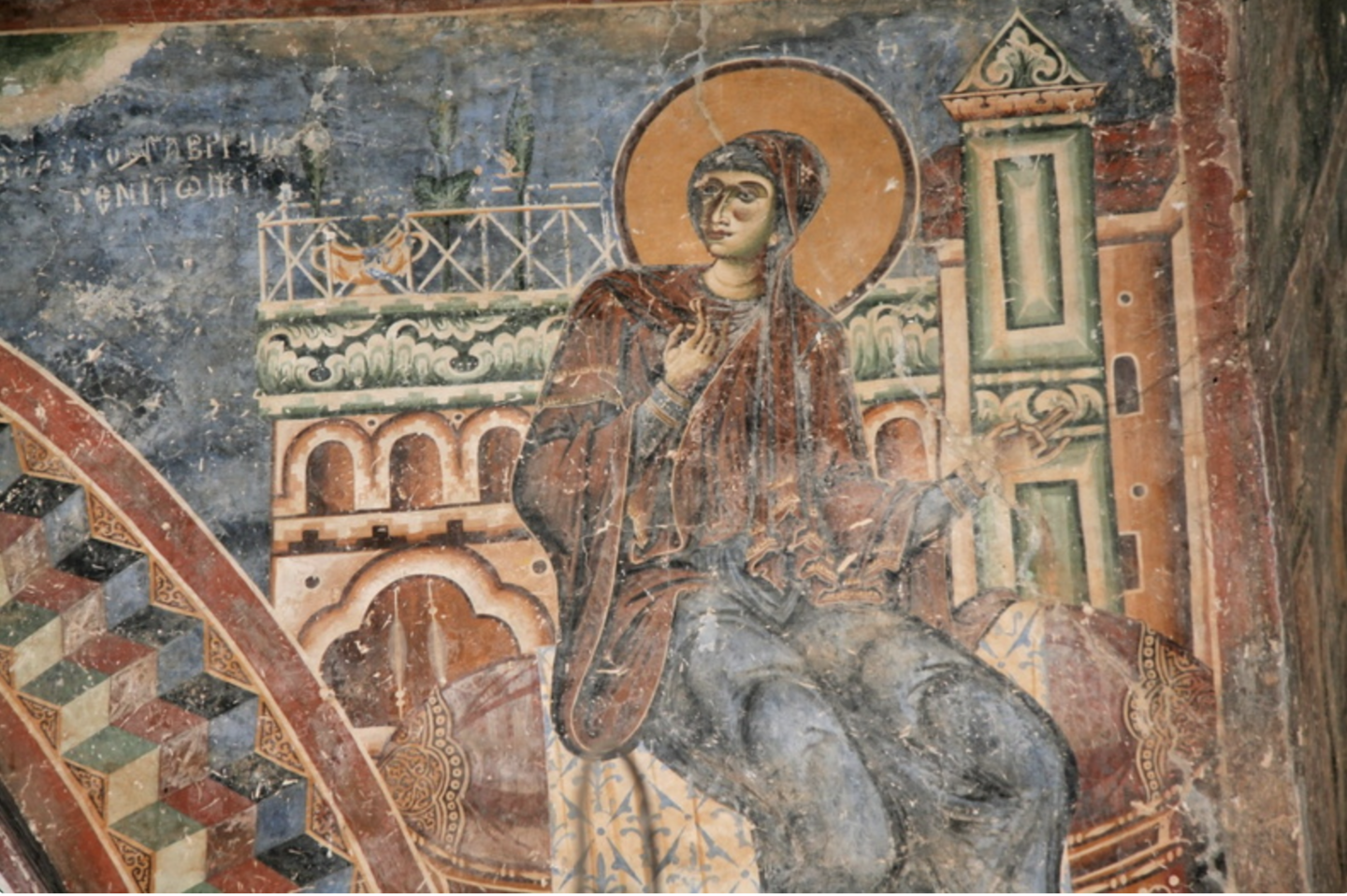
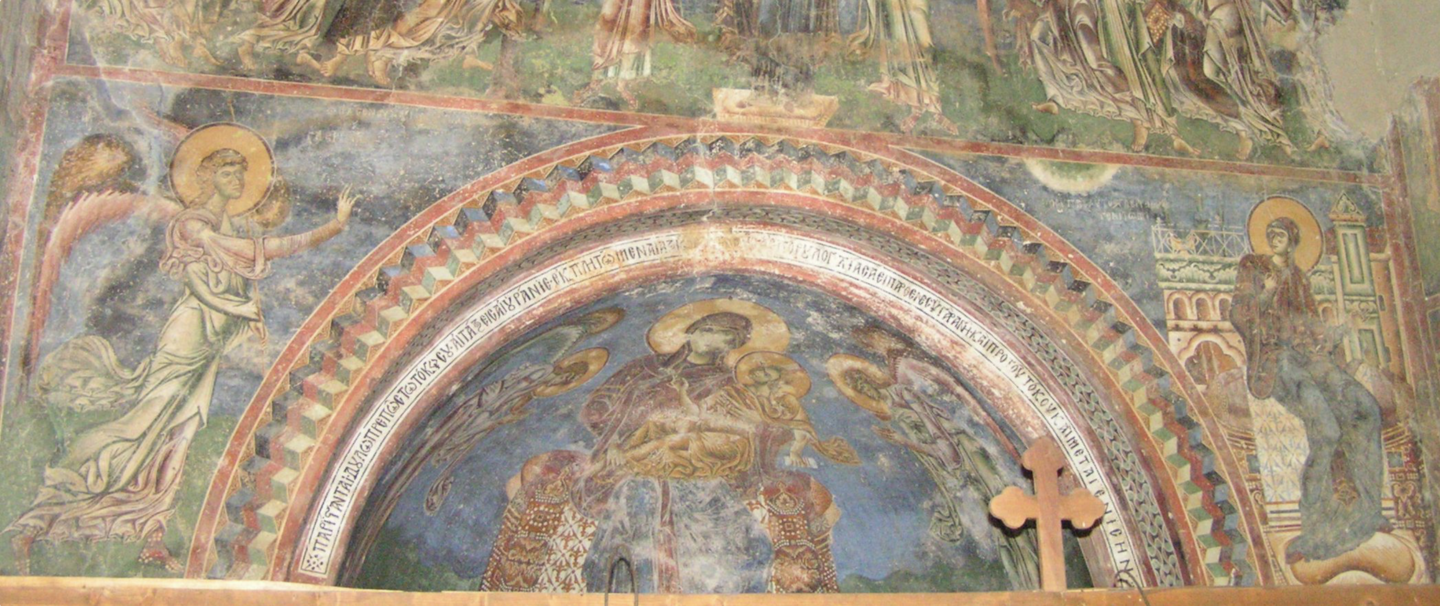
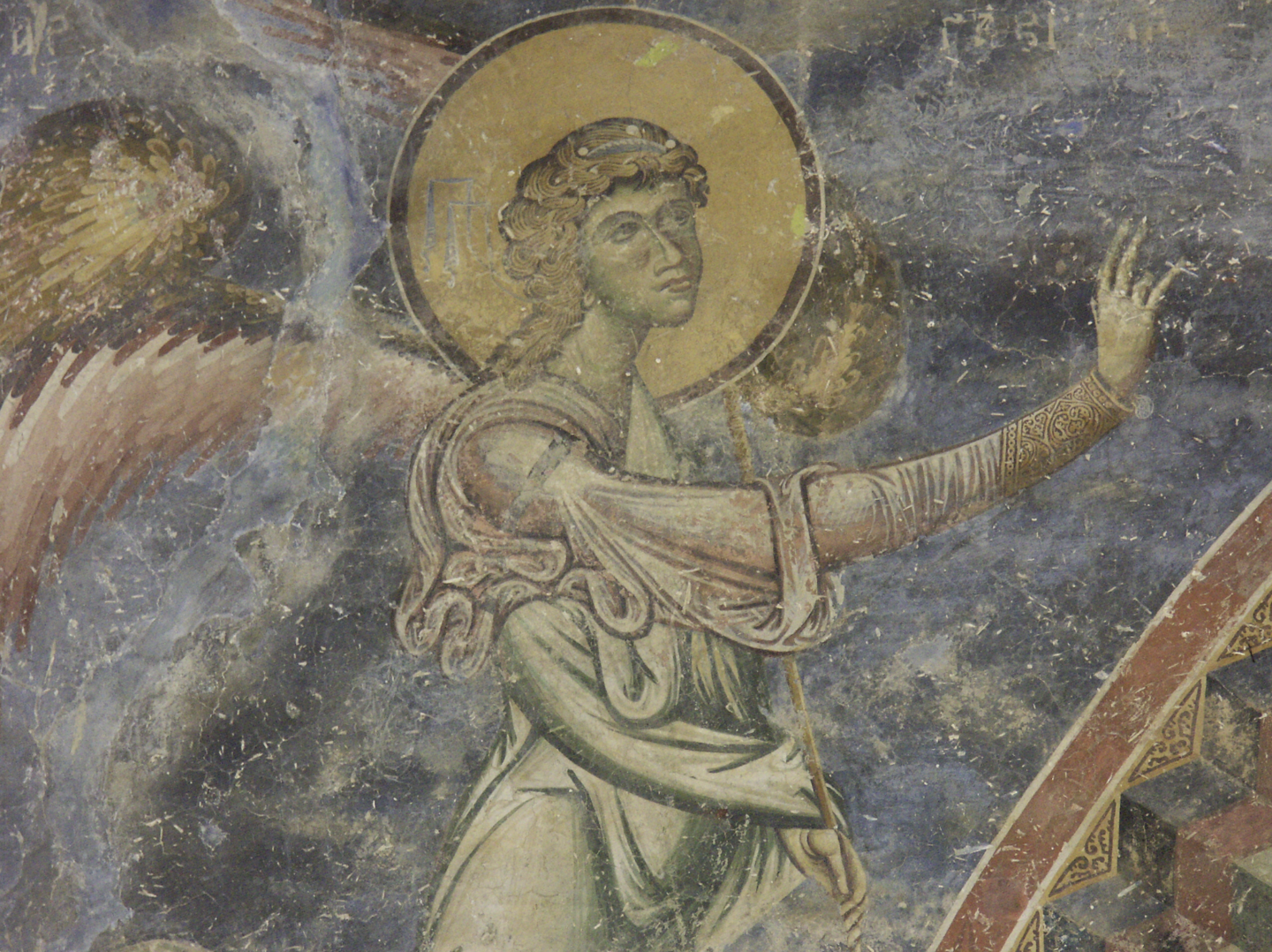
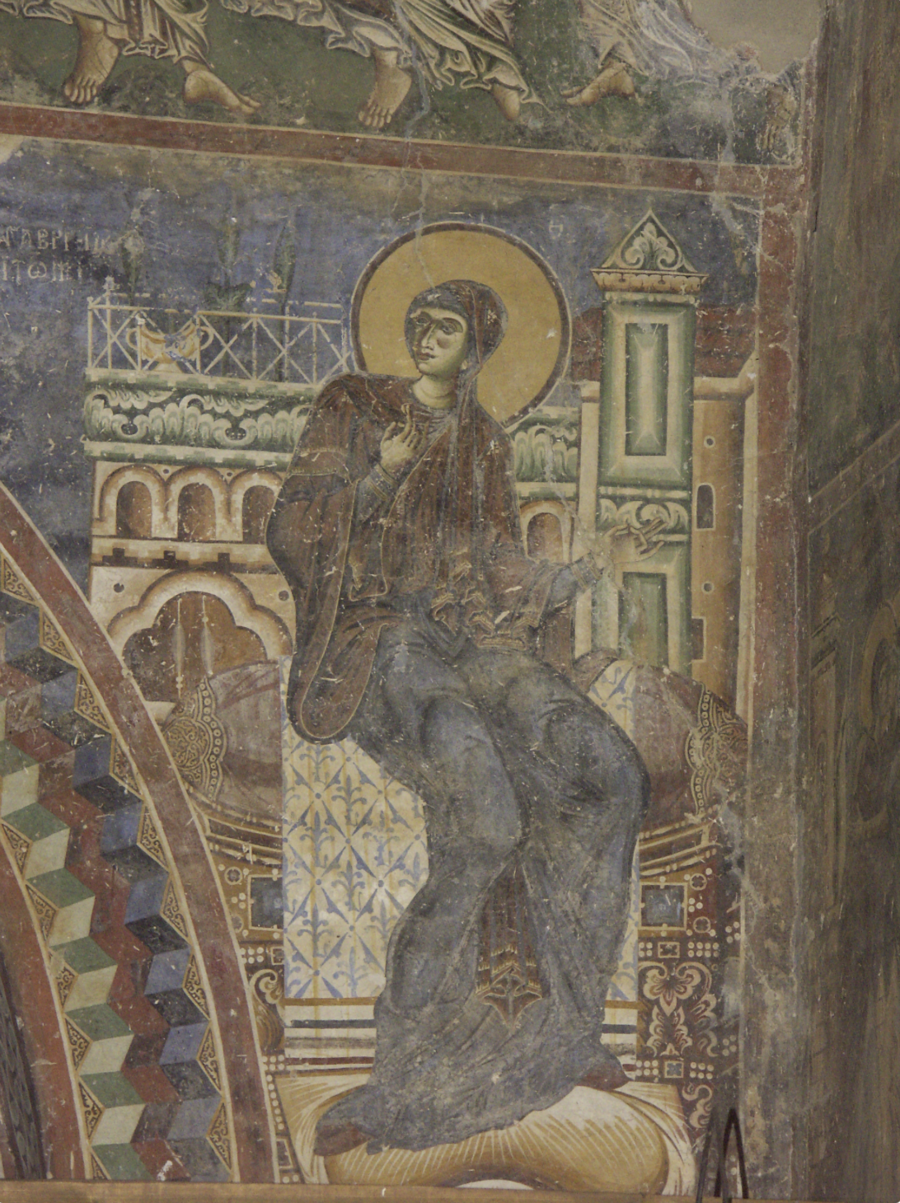
Figs. 6, 7, 8: St. George’s Church in Kurbinovo — The Annunciation [8], [9], [10]
In the Annunciation scene, the archangel Gabriel announces to the Virgin Mary the impending birth of Christ. This narrative revolves around the encounter between two figures, during which a dialogue of critical importance to Christian history takes place.
The artist conveys the moment of revelation not only through the positioning of the figures but also through the expressiveness of their movement. The archangel seems to direct his body and arm toward the Theotokos, allowing the viewer to sense the very process of the message being delivered.
The contrast between Gabriel’s movement and Mary’s more reserved posture is particularly significant. The archangel initiates the interaction, while the Theotokos assumes the receptive role. Their differing behaviors help the viewer understand what is happening even without knowing the text of the Gospel narrative.
The archangel’s gesture can be viewed as a visual analogue to the spoken words. It does not merely accompany the address; it makes it visible. Furthermore, the distance between the figures acquires additional meaning: they do not touch, yet the direction of their movements unites the composition.
Рис. 9 [11]
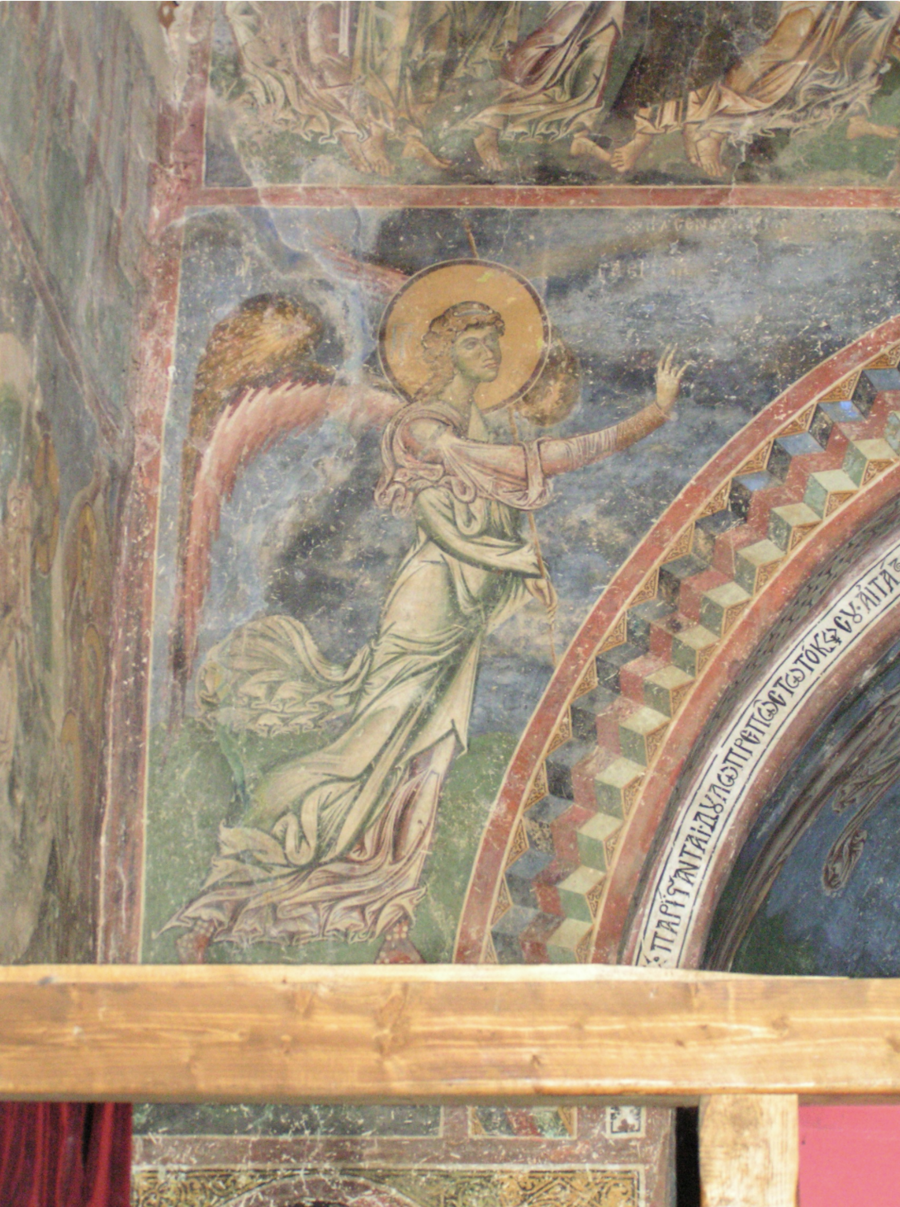
Рис. 10 [12]
03. Prayer as a Liturgical Act
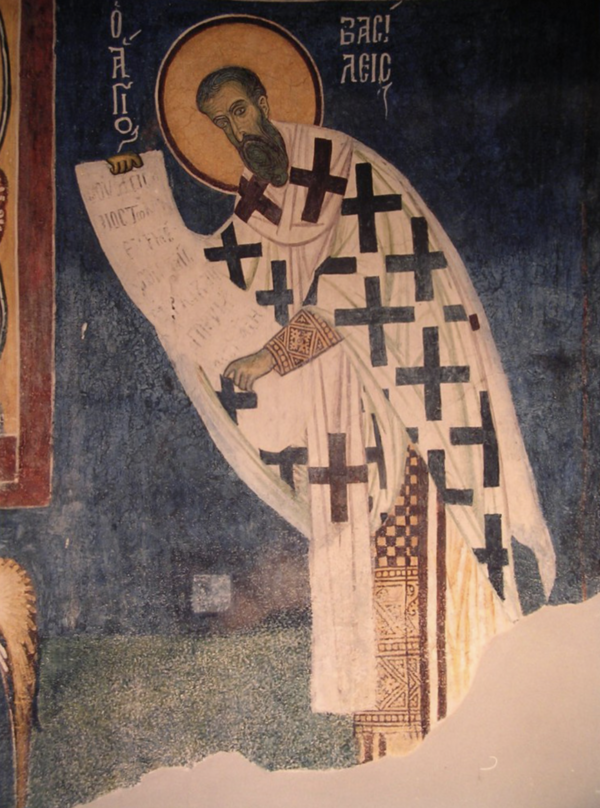
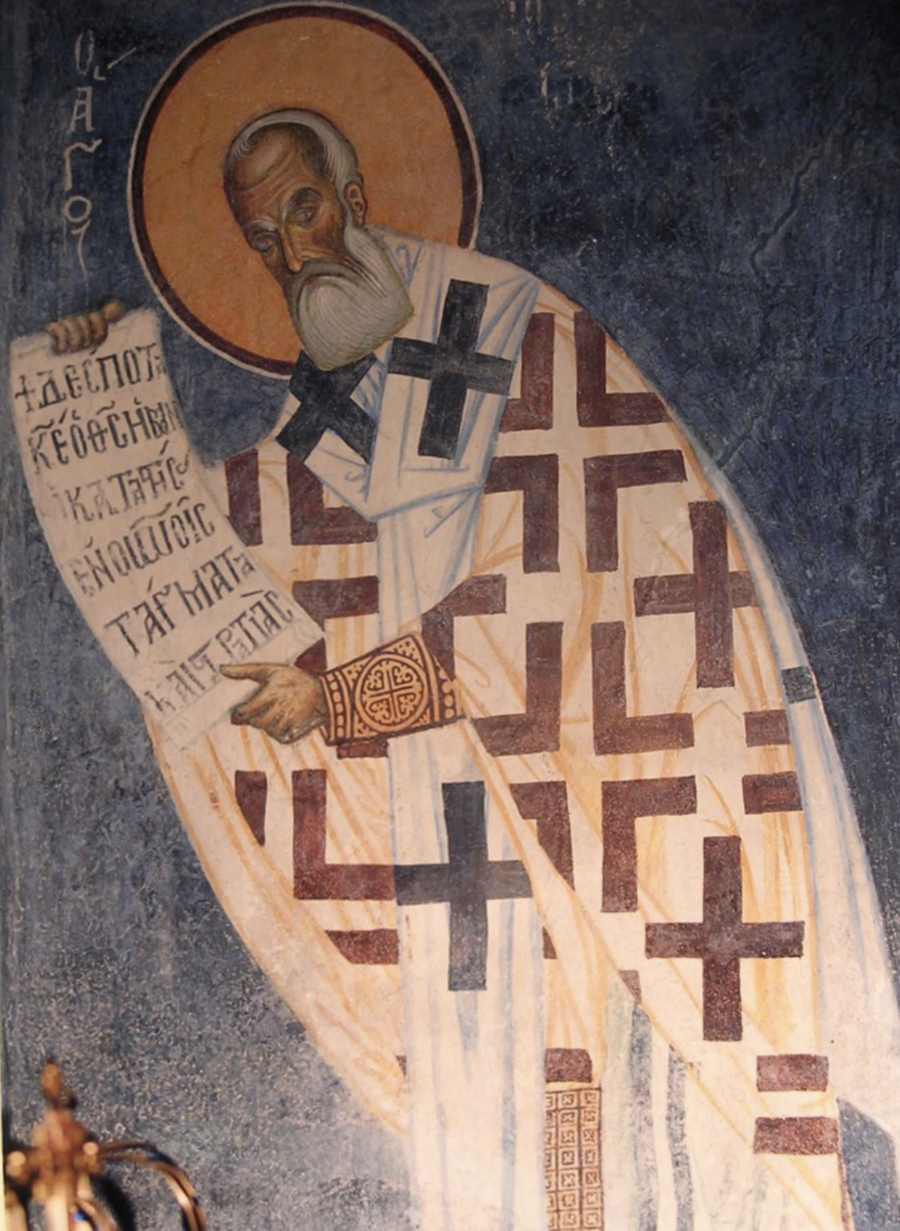
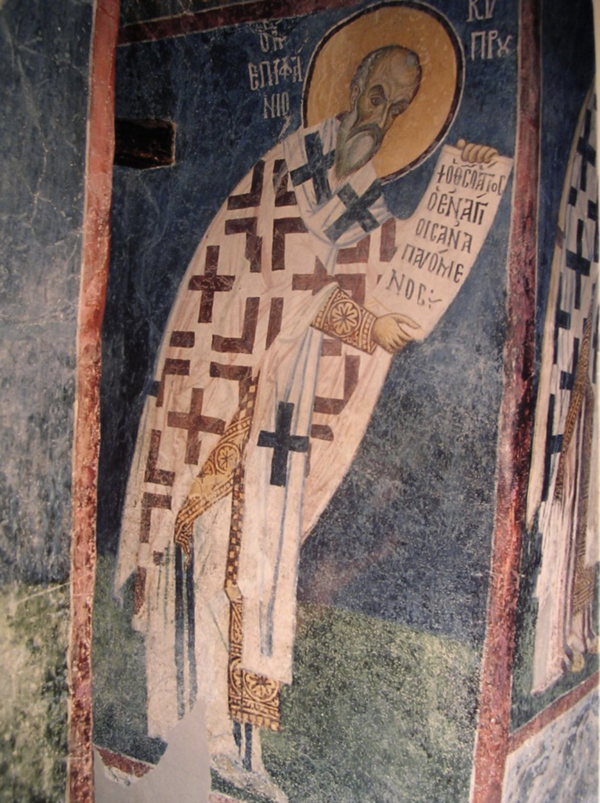
In the frescoes of Nerezi, the depictions of saints are closely connected to liturgical tradition. The saints are shown holding scrolls containing liturgical texts, meaning their images are perceived not only as representations of revered church figures but also as part of the sacred ritual space.The interaction between hands and objects plays a particularly significant role here. The scroll becomes an extension of the gesture, illustrating the connection between the word, prayer, and action. The positioning of the hands emphasizes the importance of the text the saint holds before them.Fig. 11: Church of St. Panteleimon in Nerezi — St. Basil the Great [13]
Рис. 12 Церковь вмч. Пантелеймона в Нерези — свт. Григорий Богослов [14]
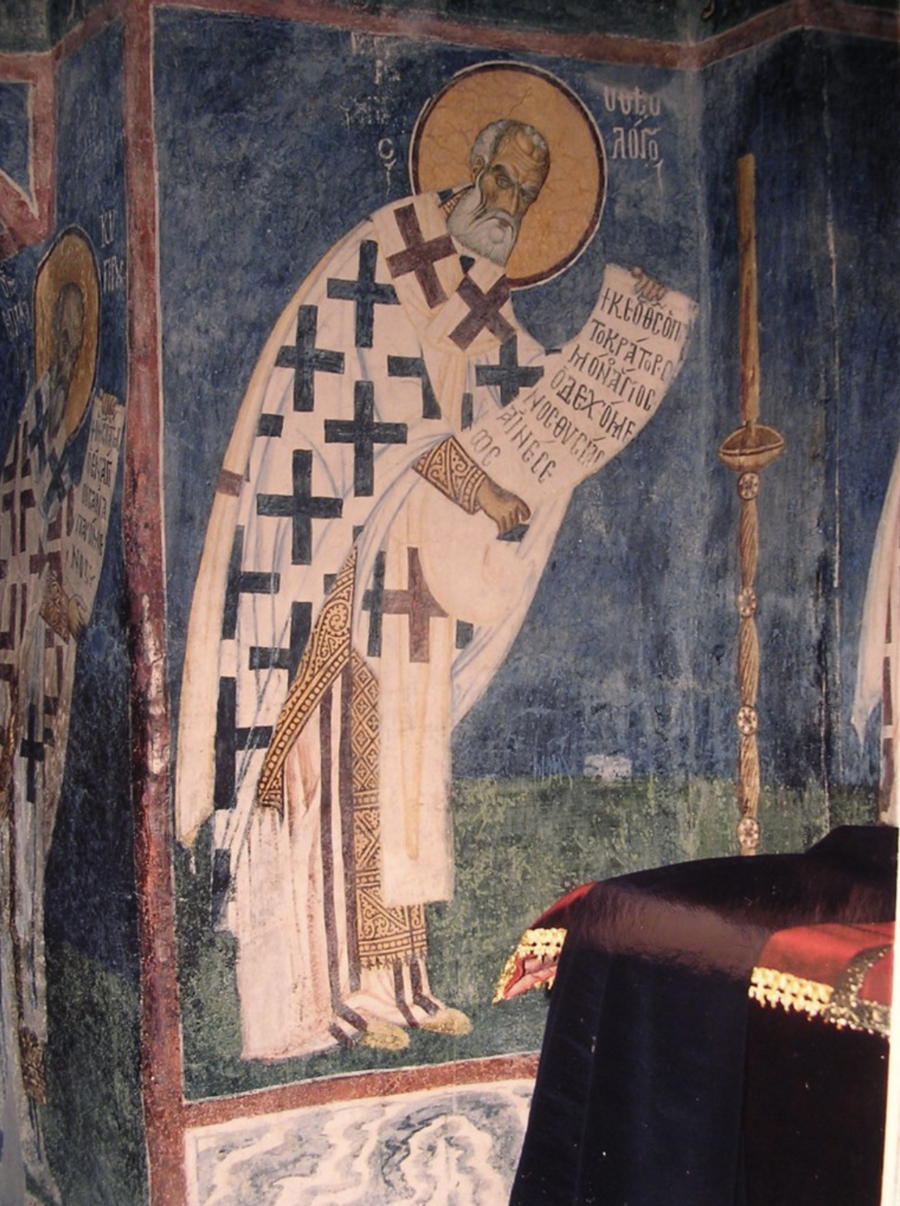
Рис. 13 Церковь вмч. Пантелеймона в Нерези — свт. Афанасий Великий [15]
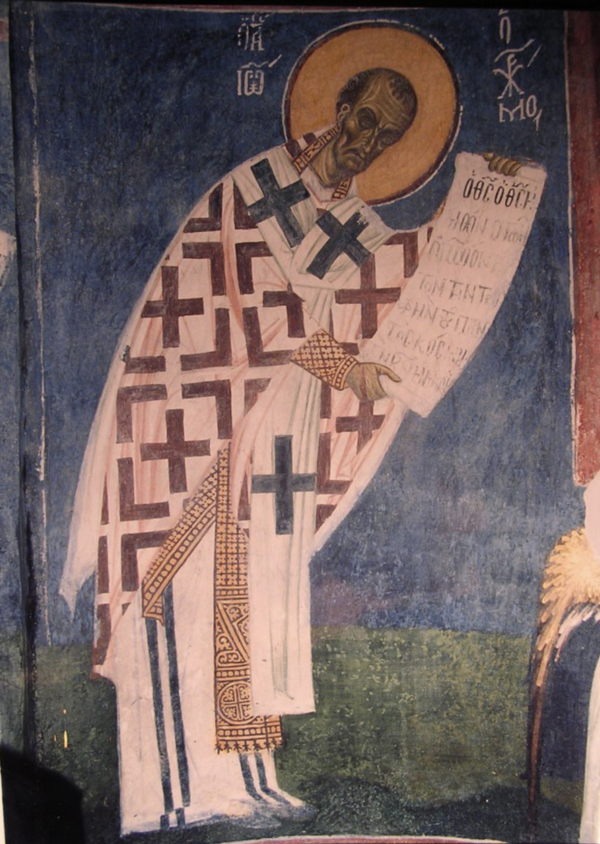
Unlike emotional scenes, where gestures can be free and expressive, in depictions of saints, they take on a more ordered character. This restraint corresponds to the solemnity of a religious rite and emphasizes its stability.It is also important that such images were placed inside a functioning church. Viewers encountered them in the space where actual worship services took place. Because of this, the depicted actions related to what was happening in the church.Fig. 14 St. John Chrysostom in the Church of St. Panteleimon in Nerezi [16]
04. Initiation as a Gesture of Transfer
Fig. 15 East Wall. St. Panteleimon Church in Neresi [17]
In the scene of the Apostles' Communion, the gesture takes on the significance of a sacred transmission. Christ offers the Eucharistic gifts to the Apostles, and this movement of the hands becomes the foundation of the interaction between the figures.
The distinctiveness of the composition lies in how its meaning unfolds through a sequence of actions. Christ serves as the source of the sacred gift, and the Apostles receive it. The orientation of their bodies and hands helps the viewer trace this interaction.
It is not only the moment of transmission that becomes important, but also the difference between the gestures of the giver and the receiver. Christ’s hand is connected to the performance of the sacrament, whereas the movements of the Apostles express their participation in it and the acceptance of the gift.
Thus, an ordinary physical action acquires an additional religious meaning. The act of giving becomes a symbol of spiritual unity, and the interaction of the hands helps reveal the meaning of the Eucharist.
Fig. 16 Church of St. Panteleimon in Nerezi — St. Epiphanius, Bishop of Cyprus [18]
Fig. 17 St. Panteleimon’s Church in Nerezi—The Oranta Mother of God [19]