CONCEPT
Gothic is one of the most impressive styles of medieval Europe. This style captivates with vibrant stained glass, elegant… The history of the development of the Gothic architectural style is a vivid example of how historical events influence art. The large windows, pointed arches, stained glass, and wall patterns of cathedrals and churches—all of this is a consequence of events that occurred in the 12th–15th centuries, whether it was a new king ascending the throne, the development of trade, or the start of a war.
The churches and cathedrals of that era allow one to read the history of medieval France, as every event left its mark on the Gothic religious structures. In this way, this architectural style not only responds to the religious ideals from which it originated but is also a consequence of past events. Through the Gothic architecture of France, one can understand that art and history are interconnected; they cannot exist separately from each other because past events influenced how people thought: if in one period architects focused on the structure of buildings, in another they concentrated on the decoration and carving. Thus, this study is not just about the direct influence of history on architecture, but also about the indirect one—first, events influenced people, and then they influenced the style itself.
Even today, history is inextricably linked to the development of art. This is why it is so important to understand how it manifested in the past, because by understanding how events in the Kingdom of France influenced the Gothic style, we can trace how politics and economics impact contemporary art today.
This visual study examines the Gothic architecture of French churches and cathedrals built or rebuilt between the 12th and 15th centuries, as this style originated in this kingdom during the Middle Ages. The material is divided into three chapters: Early Gothic, High Gothic, and Late Gothic. Each chapter contains several sections: historical overview, structure, decoration, stained glass, and conclusion. The «Early Gothic» chapter also separately discusses the general differences between Romanesque and Gothic styles. Thanks to this structure, the visual study clearly traces how history influenced Gothic architecture in France.
Key research question
How are past events related to the development of the Gothic style in France during the 12th–15th centuries?
Hypothesis
Historical events had a profound influence on the evolution of the Gothic style during the Middle Ages because shifts in the economics and politics of the Kingdom of France compelled changes in people—their thoughts, and their views on architecture.
Early Gothic
1. Historical Overview
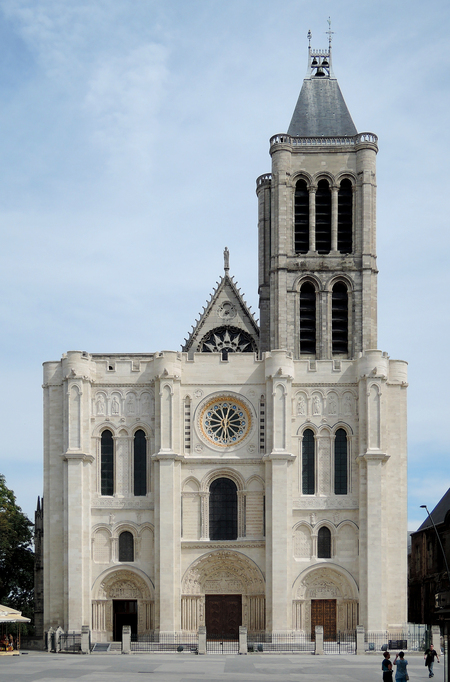
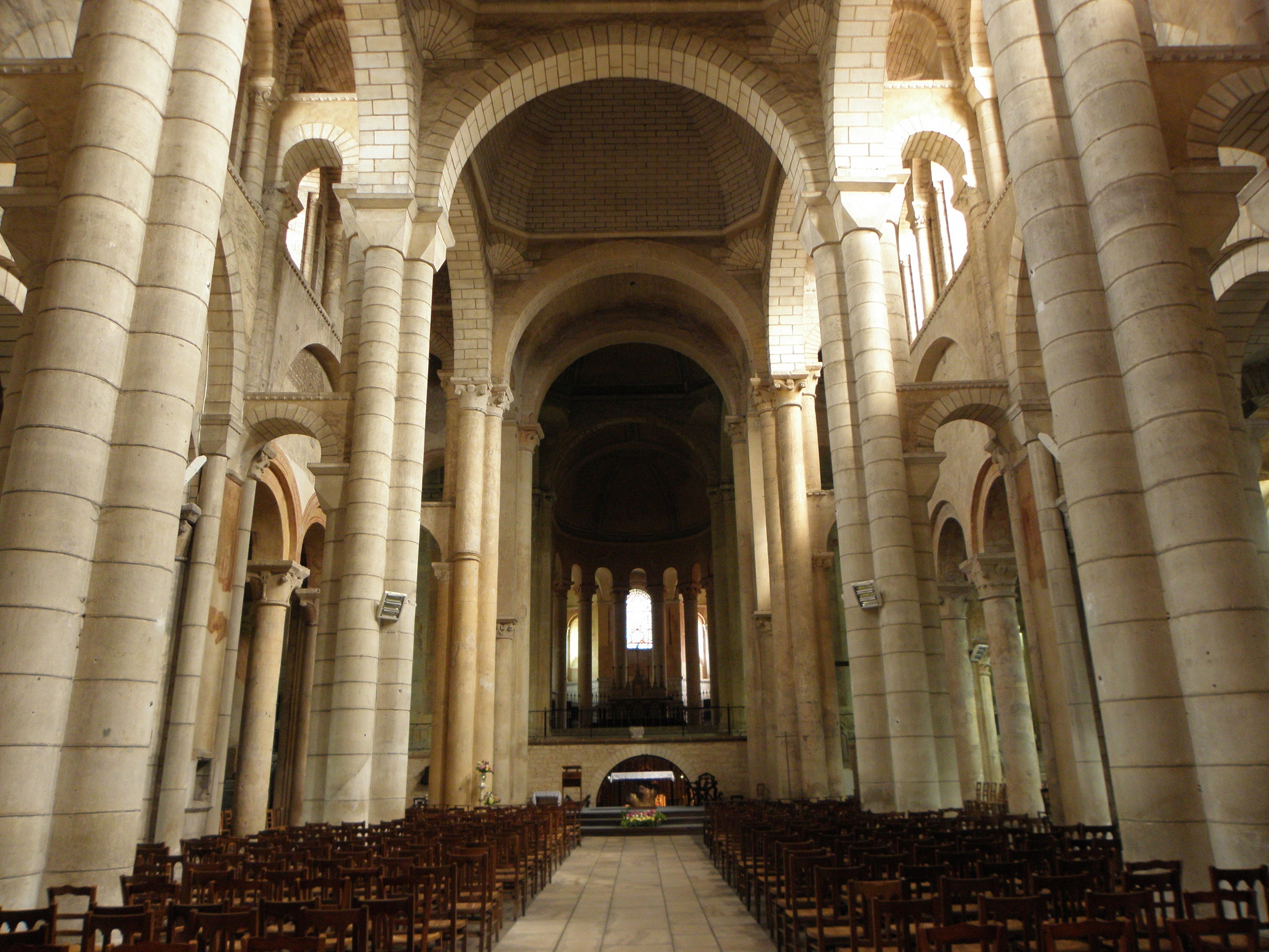
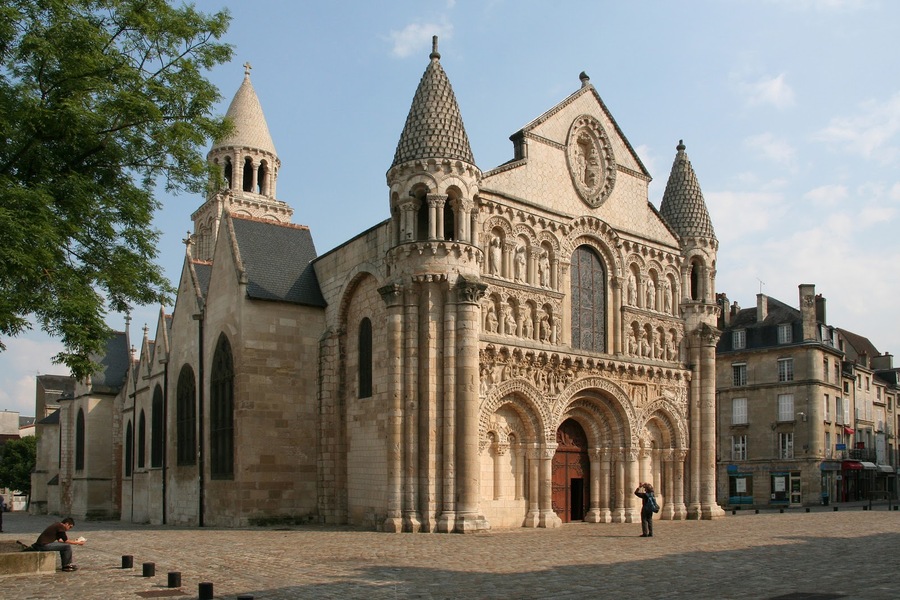
Gothic style succeeded the Romanesque style. Because the Romanesque style existed during times of frequent warfare, the walls were thick and sturdy, and the windows were small so that the structure would not collapse. While this architecture provided protection, it hindered the entry of light into the buildings, which contradicted the views of the church figure Suger.