ПЕСЧАНЫЙ ДРИФТ ПО-РУССКИ
КУДА ЕХАТЬ НА ВНЕДОРОЖНИКЕ, ЧТОБЫ ПОЧУВСТВОВАТЬ СЕБЯ КОРОЛЁМ БАРХАНОВ
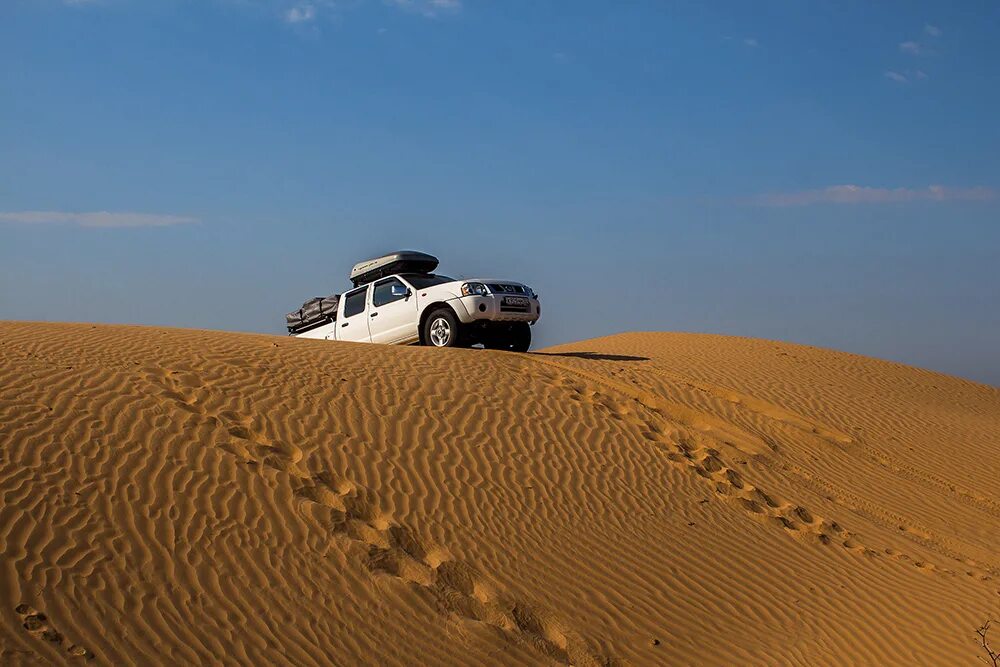
If you want more than just to look at sand—if you want to truly let loose in an off-road vehicle—there are plenty of spots in Russia where the dunes look as if you’ve suddenly landed in the Sahara. The first place that comes to mind is the «Big Brother» dune field near Astrakhan. This isn’t a neat sandbox for a stroll; it’s a genuine miniature desert landscape with dunes of varying heights and slopes perfect for driving, climbing, or even doing a little drift. The Volga River runs nearby, and the contrast between the water and the sand makes the photos almost cinematic.
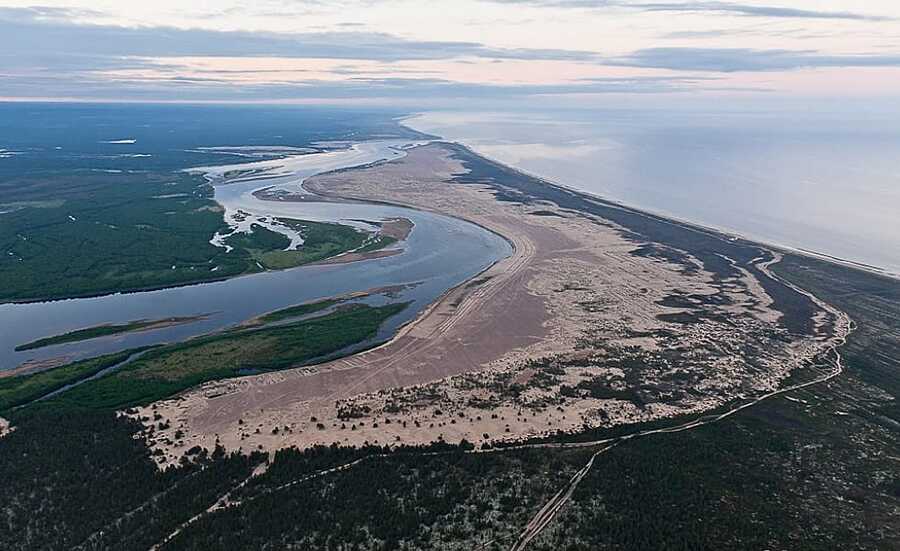
In the Murmansk region, there are Kuzomenskiye Sands—a place defined by a stark, northern aesthetic: biting winds, sand, and tundra surrounding you. A trip there quickly transforms from a simple outing into a real adventure, as the weather can change in as little as fifteen minutes.
Finally, if you don’t want to travel far, you can consider the sand quarries and dunes in the Moscow region and neighboring areas. Of course, they aren’t as grand as the major locations, but they are closer and more accessible—making them an excellent option for a first trip on sand. You can test how the vehicle handles loose terrain without spending days on the drive.
Preparing a vehicle for sand travel isn’t about cosmetic tuning; it’s about getting there and back safely without getting stuck halfway. Sand is unforgiving and sensitive to nuance: pressing the pedal even slightly harder causes wheel spin, or turning the steering wheel a fraction too sharply pulls the vehicle off course. Therefore, planning the details in advance is crucial. Tire pressure in sand is generally reduced to about 1.2–1.5 atmospheres, depending on the vehicle’s weight and tread type. This increases the contact patch, allowing the car to glide over the sand rather than cutting through it. However, you cannot overdo it—too low a pressure risks the tires separating on uneven ground. A compressor will also be useful for reinflating the tires after returning to a firm surface.
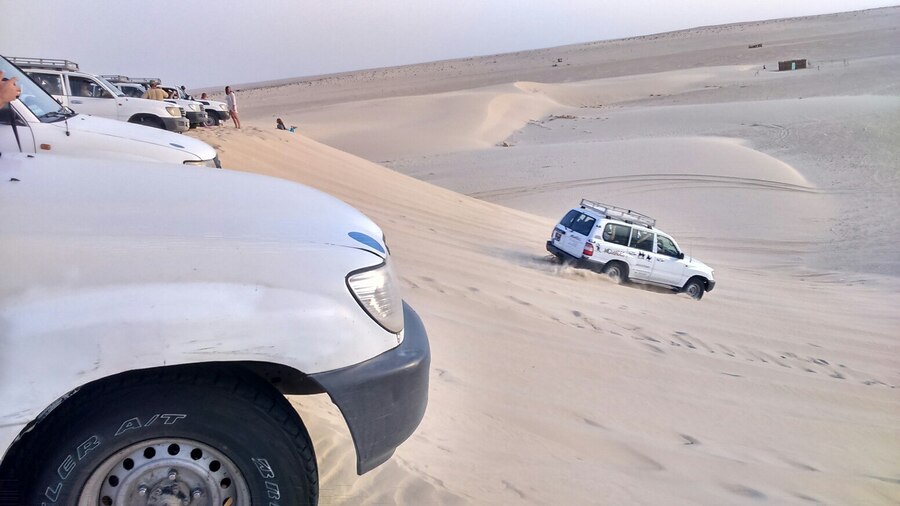
For sand dunes and loose sand, the Toyota Land Cruiser from various generations—from the 70 series to the 200 series—are long considered off-road legends: they are durable, relatively simple, and offer a huge range of customization options. The Mitsubishi Pajero, equipped with Super Select transmission, also performs excellently. The Jeep Wrangler stands out for its relatively light weight (when the doors and top are removed) and excellent geometry, which allows it to climb extremely far. And, of course, the UAZ remains simple, easily repairable, and inexpensive to maintain, making it a great choice for budget off-roading.
In Russia, there are several workshops that specialize in preparing SUVs for heavy off-road driving. In Moscow and the regions, «Tuning Center 4×4» operates, installing lifts, skid plates, heavy-duty bumpers, and auxiliary lighting. «Offroad Master» focuses on expedition preparation: additional fuel tanks, roof racks, and snorkels. Furthermore, various 4×4 clubs in different regions often have their own service points and communities where they can advise on the best components and assist with installation. However, if you do not plan on driving on sand regularly, full expedition tuning is not necessary—basic items such as the ability to autonomously deflate tire pressure and also to self-inflate are sufficient.
If we consider the most popular and spectacular option, that would be the «Big Brother» dune near Astrakhan. It is approximately 1,400 kilometers from Moscow to Astrakhan, and the pure driving time is 18–20 hours. The route follows the M4 «Don» highway and then goes through Volgograd to Astrakhan. An alternative is to fly to Astrakhan and then rent a prepared off-road vehicle—there are rental agencies in the city. It is best to start the day with practice sessions to get used to driving in the sand. The sand is deceptive, especially when braking.
There are campsites and recreation bases nearby for overnight stays. Camping right by the dune is romantic, but you will have to contend with the wind and the sand, which will be everywhere. You should budget at least 3–4 days for the entire trip: 1–2 days for the round trip drive, and another 1–2 days for the off-roading and relaxation.
Driving on sand is a skill unto itself. Smoothness is key here; it’s best to avoid abrupt movements of the steering wheel and pedals. Sand responds to momentum and gentle maneuvers. Handle the gas carefully as well. If you start spinning the tires, don’t press harder—ease off and try coasting. On slopes, it is better to maintain a straight trajectory; sharp turns increase the risk of getting stuck. Another skill is reading the terrain: sand varies—dense at the base, loose at the crest, wet near the water—and each type requires a different approach.
The emotions from a trip like this are unique. It’s that feeling of freedom when there is nothing around but sand, wind, and the horizon. It’s the thrill of climbing to the top of a dune and realizing you did it yourself. It’s the silence that only exists in places like this: no cars, no honking—just the sound of the wind and the crunch of sand under the wheels. And it’s also about teamwork—not so much about the machine, but about the people beside you. If you’re looking for new emotions and real adrenaline, the sand dunes are waiting. The main thing is to prepare the vehicle, pack the right gear, not chase speed, and respect the elements. Then, the trip will be unforgettable.