Introduction
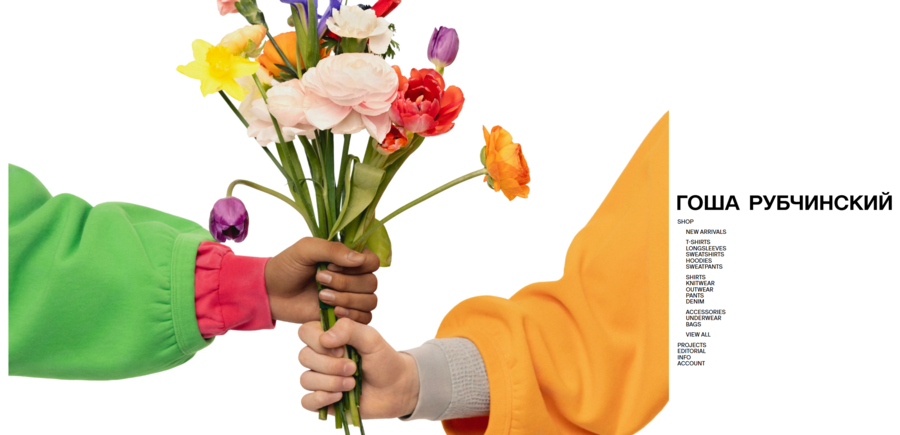
Gosha Rubchinskiy is a Russian fashion brand founded by designer and photographer Gosha Rubchinskiy. The brand became internationally known for its combination of post-Soviet aesthetics, youth culture, streetwear, sportswear and photography.

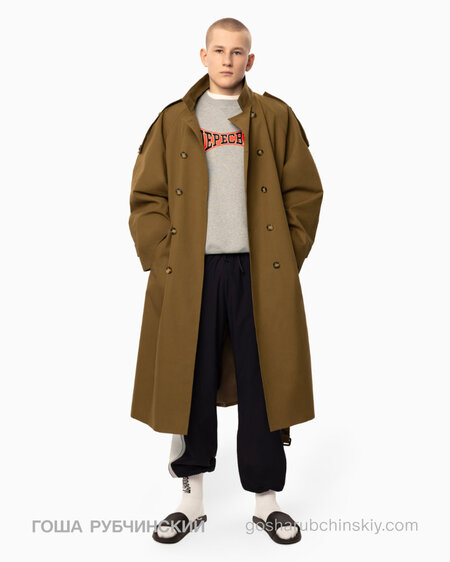
Gosha Rubchinskiy Spring Collection, 2026
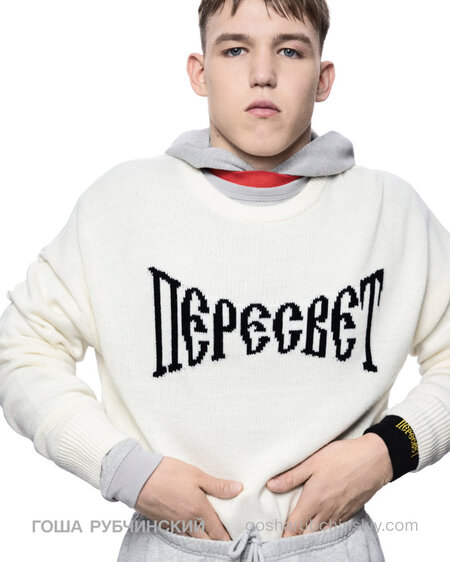
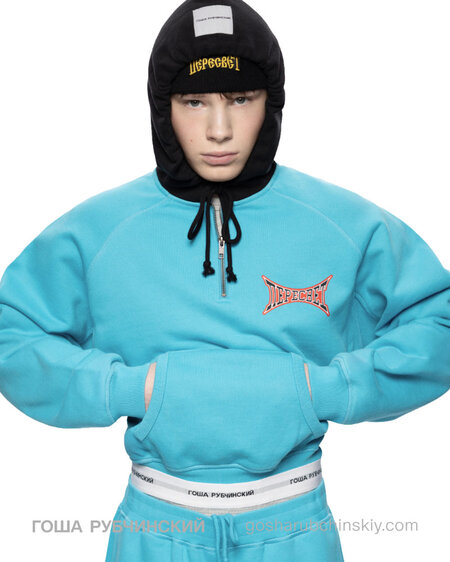
Gosha Rubchinskiy Spring Collection, 2026
The core positioning of the brand can be described as post-Soviet streetwear with a global fashion influence. Gosha Rubchinskiy does not communicate fashion through traditional luxury codes. Instead, the brand uses raw photography, ordinary-looking locations, Cyrillic typography, oversized silhouettes and references to everyday youth culture. This creates a sense of authenticity and cultural specificity.
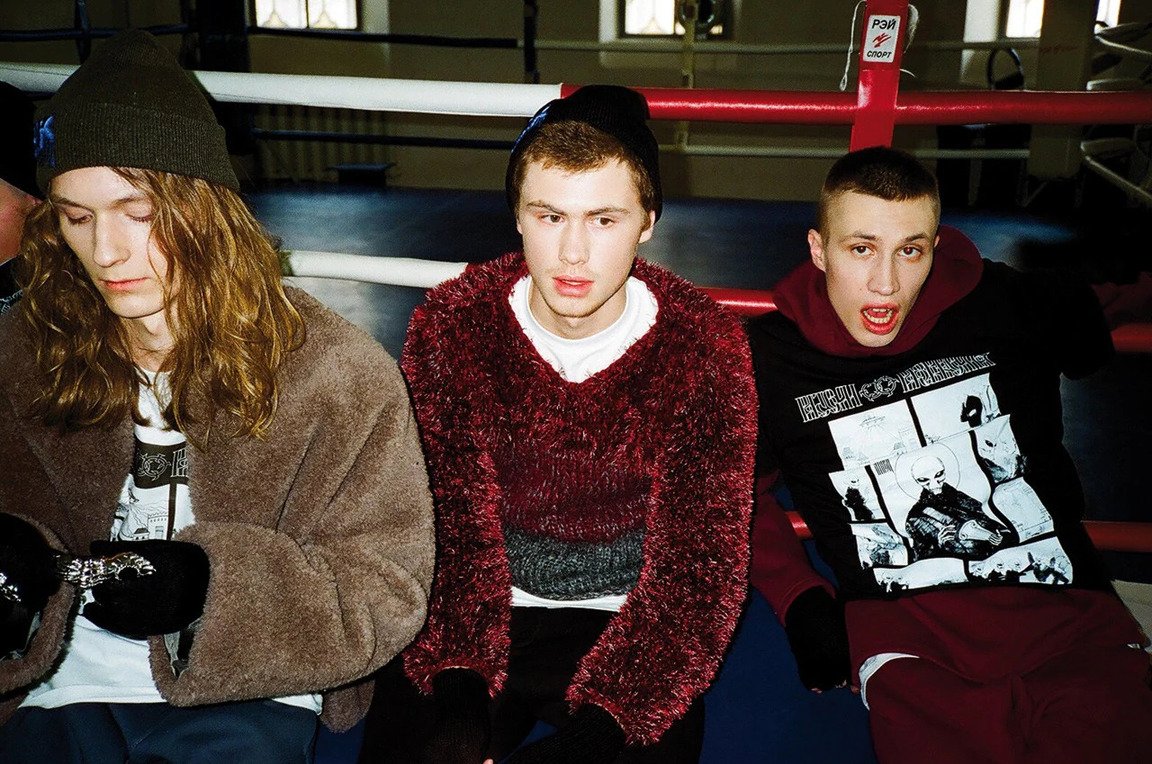
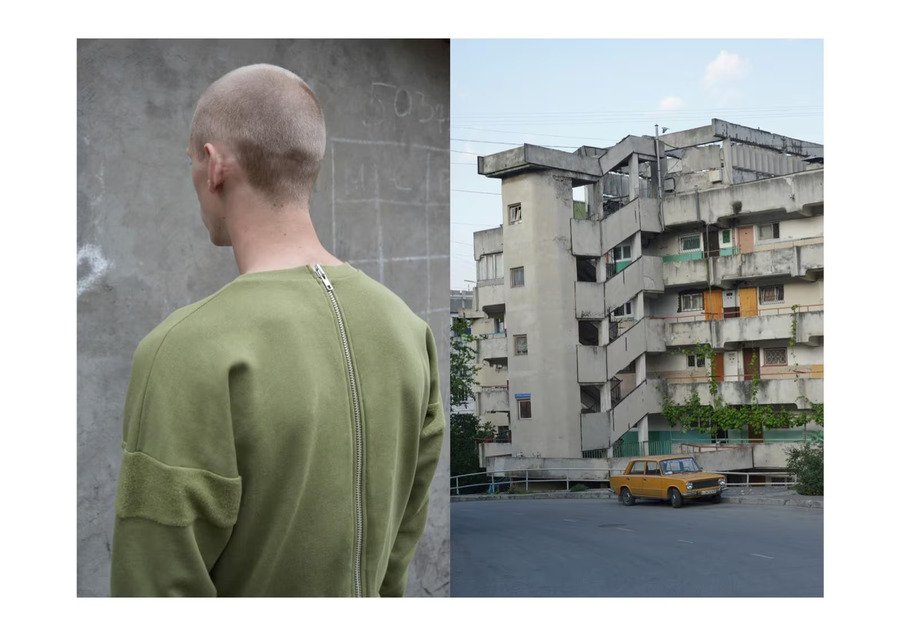
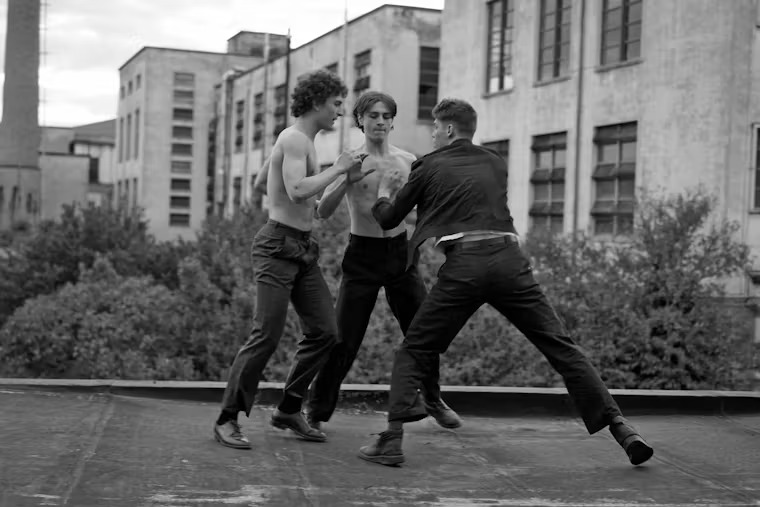
Gosha Rubchinskiy Lookbook AW13 | 2016 book The Day of My Death | Gosha Rubchinskiy 2010

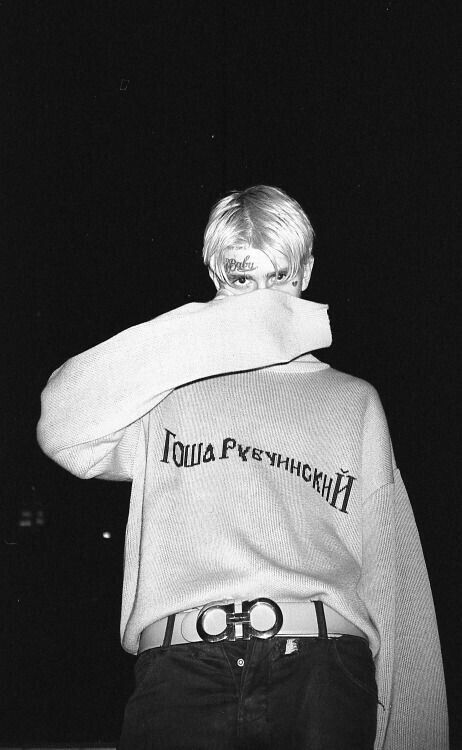
The target audience includes fashion-conscious young people, streetwear fans, skaters, creative communities, photographers, stylists and people interested in subcultures and non-traditional fashion aesthetics. The brand appeals to an audience that values authenticity, nostalgia, youth energy and cultural identity more than polished luxury.
Communication channels
Fall 2018 Menswear Gosha Rubchinskiy
Runway shows are one of the key communication tools.
They are often staged in symbolic locations and presented models who looked connected to real youth culture rather than traditional high-fashion casting. The shows communicated not only clothes, but also atmosphere, place and identity. Photography was equally important because Rubchinskiy is also a photographer. His images helped create the brand’s documentary feeling and made the audience feel that the clothes belonged to a real subcultural environment.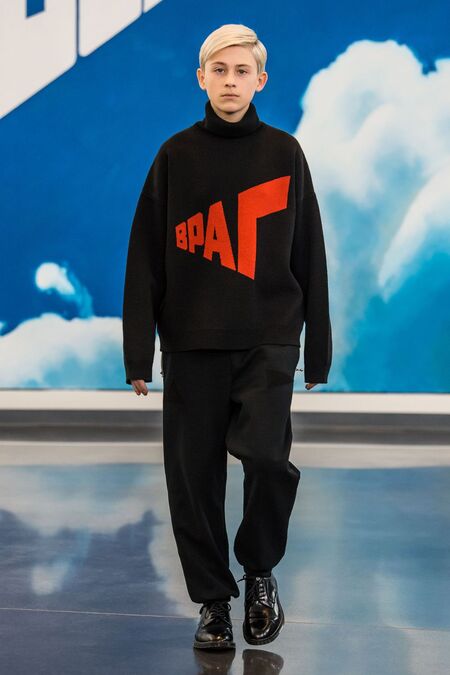
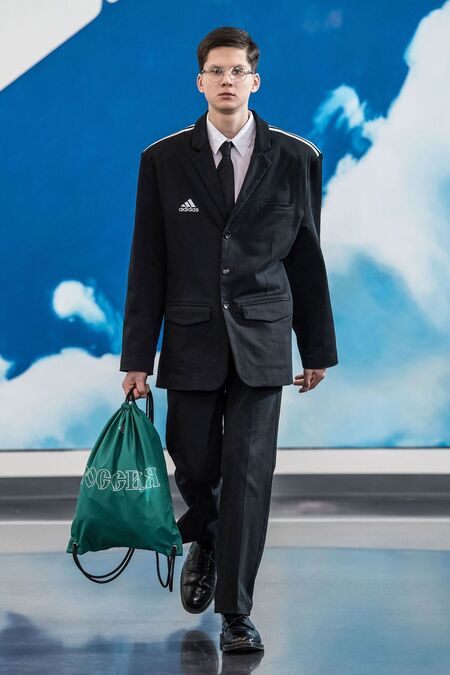
Fall 2018 Menswear Gosha Rubchinskiy
Collaborations are also central to the brand’s communication.
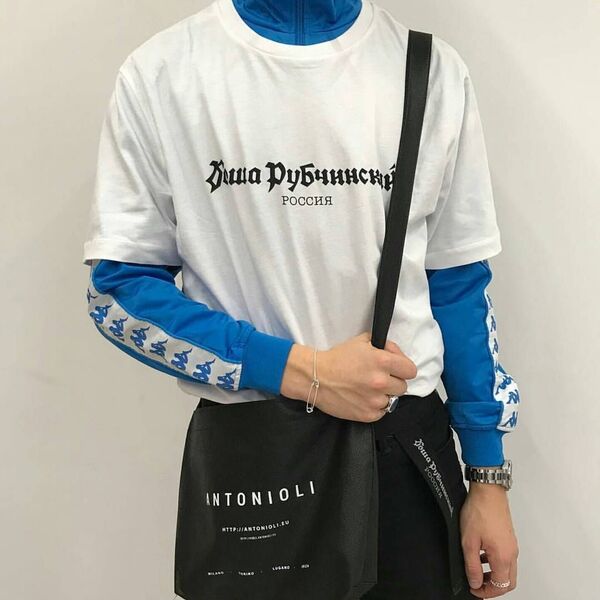
Gosha Rubchinskiy collaborated with major sportswear and streetwear brands, which helped connect post-Soviet aesthetics with global fashion. Fashion media and PR played an important role as well: international magazines presented the brand as a new voice in menswear and streetwear, helping it move from a local cultural phenomenon to a globally recognized fashion name.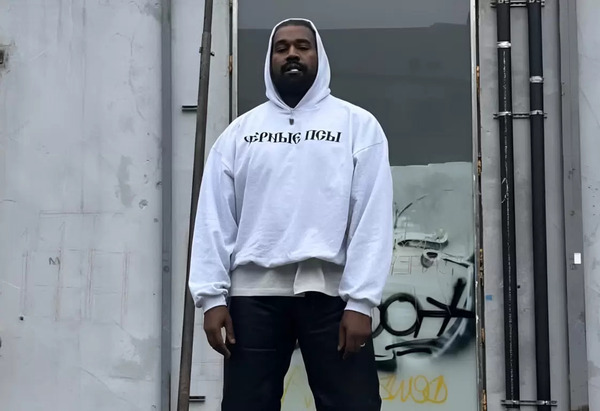
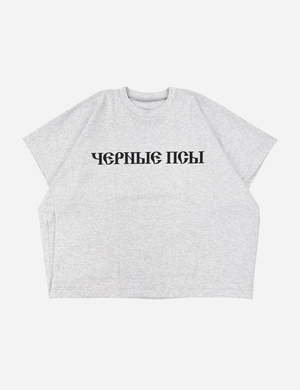
Gosha Rubchinskiy x YZY 2024
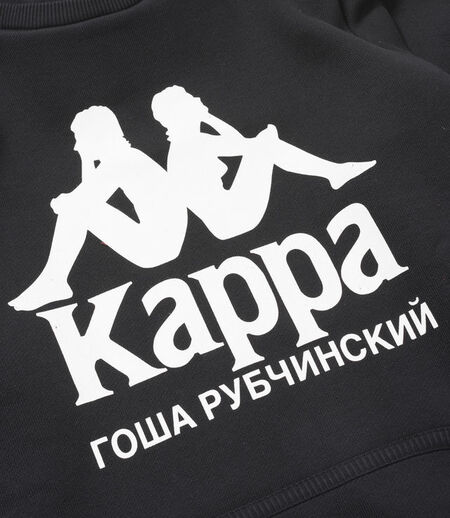
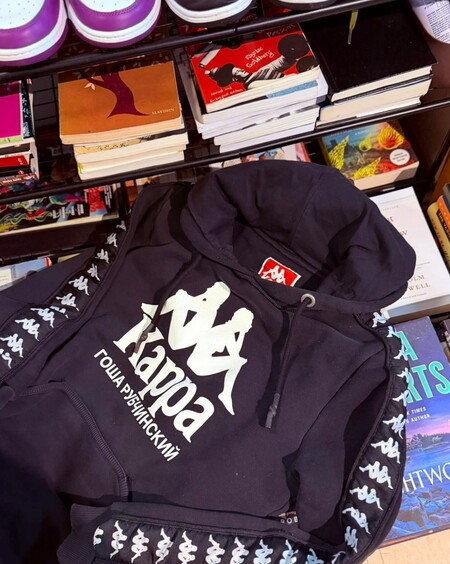
Gosha Rubchinskiy x Kappa black
Analysis
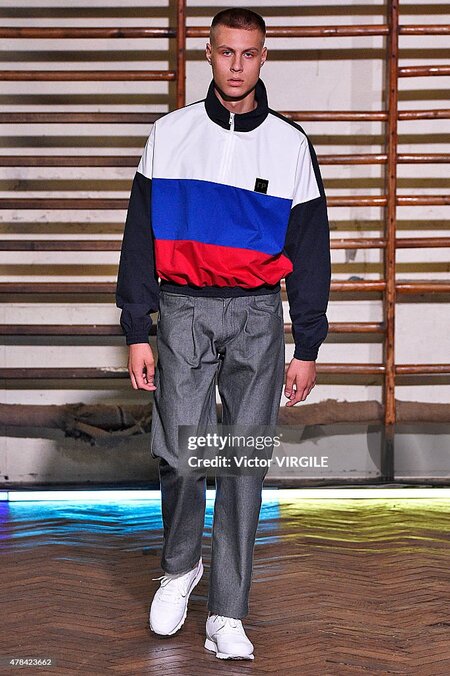
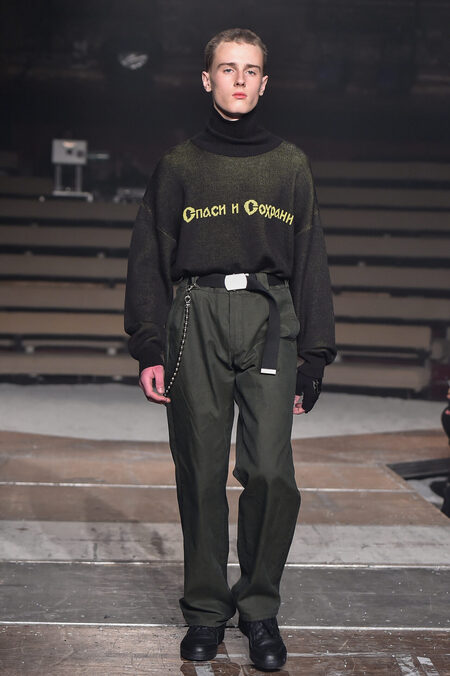
Gosha Rubchinskiy FW16
The Uses and Gratifications Theory explains why audiences actively choose certain media or brand content.
In the case of Gosha Rubchinskiy, people follow the brand because it gives them a sense of identity, nostalgia, authenticity and belonging to a creative youth culture. Campaign photos, runway images, books and social media visuals work like a cultural archive of post-Soviet youth. Visual evidence such as campaign images, Cyrillic logo pieces, sportswear collaborations and runway photos can show how the brand satisfies the audience’s need for self-expression and cultural recognition.Fall 2018 Menswear Gosha Rubchinskiy
Dialogic Theory focuses on two-way communication between a brand and its audience.
Gosha Rubchinskiy’s communication was not strongly dialogic in a traditional customer-service sense, but it created a different kind of dialogue with youth culture. The brand borrowed from real communities — skaters, football fans, young people from Russian cities — and transformed their visual language into fashion. At the same time, the communication remained curated and controlled by the designer. The audience mostly reacted, interpreted and identified with the brand rather than directly participating in its message.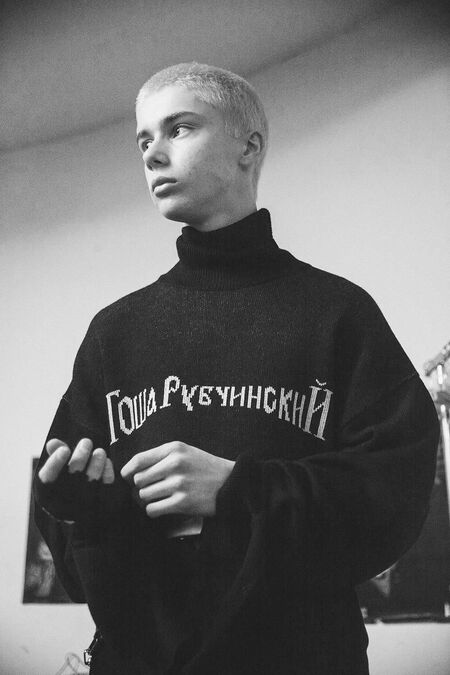


Conclusion
Gosha Rubchinskiy’s communication strategy is effective because the brand has a very recognizable and culturally specific visual identity. It builds its image through post-Soviet youth culture, streetwear, sportswear references, raw photography, Cyrillic typography and urban environments.
Gosha Rubchinskiy SS17 Menswear
Through Uses and Gratifications Theory,
we can see that the audience uses the brand for identity, belonging, nostalgia and aesthetic inspiration. Gosha Rubchinskiy gives the audience a way to connect with a specific cultural mood and express interest in youth culture, streetwear and non-traditional fashion aesthetics.
Through Dialogic Theory,
the brand creates a visual dialogue with youth culture, but this dialogue remains mostly curated. The brand uses the language of real communities, such as skaters, football fans and young people from urban spaces, while the audience mainly reacts, interprets and identifies with the brand’s visual world.
Recommendations
Gosha Rubchinskiy can strengthen its communication by making the relationship with communities more open and participatory. Since the brand identity is based on youth culture and subcultural aesthetics, it can show more real stories of people, places and communities that inspire its visual language.
The brand can also develop more archival and educational content. Gosha Rubchinskiy has a strong visual history of runway shows, photography projects, collaborations and cultural references. A digital archive can help the audience better understand the meaning behind the images, locations, typography and post-Soviet references.