Данный проект является учебной работой студента Школы дизайна или исследовательской работой преподавателя Школы дизайна. Данный проект не является коммерческим и служит образовательным целям
Проект принимает участие в конкурсе

Contents

1.0 Introduction

1.1. Positioning

1.2. Target audience

1.3. Research objective

1.4. Corporate identity

2.0 Communication Channels

2.1 Brand Social Media

2.2 PR Strategies

2.3 Public Sphere

3.0 Theoretical Framework

4.0 Analysis

4.1 Reciprocity

4.2 Proximity / Accessibility

4.3 Protecting the Customer’s Interests

4.4 Focus on Mutual Understanding

4.5 The «Any Voice» Principle

5.0 Conclusion & Recommendations

1.0 Introduction
Исходный размер 1920x843

Logo CityDrive

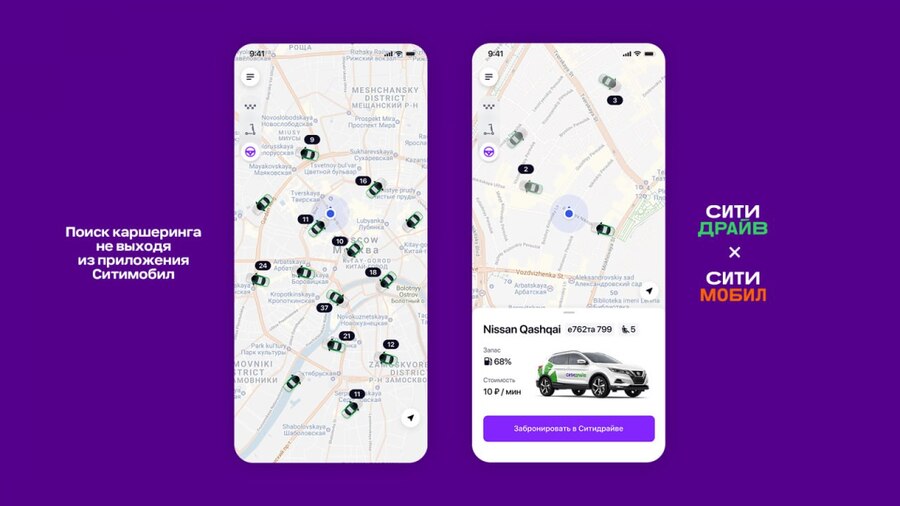
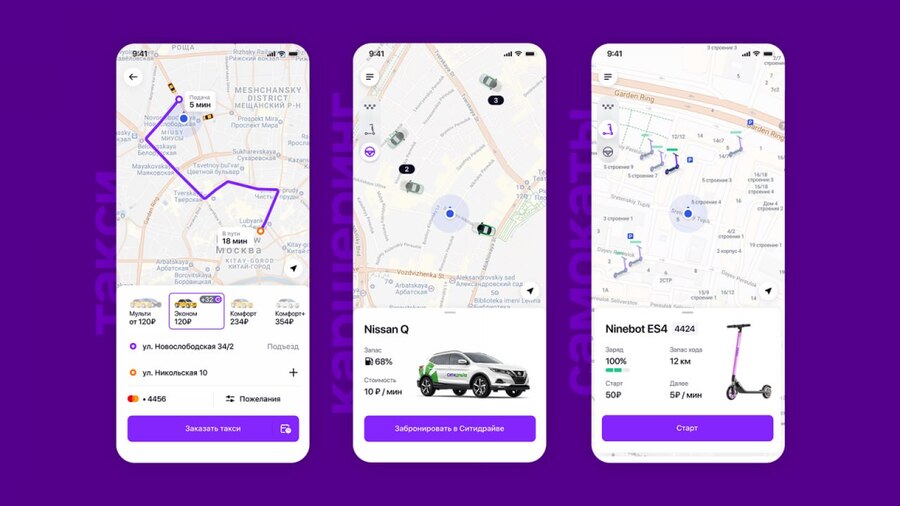
CityDrive is a Russian carsharing service that is part of the Sber ecosystem. The company provides pay-per-minute car rentals through a mobile application. In addition to its core service, the company develops long-term rental («Na dolgo»), classic car rental («CityDrive Rent»), and the sale of used cars from its own fleet.

Our goal is to stop being just a vehicle rental tool and become a true partner for drivers, supporting them in every life situation

Eduard Mingazhev, CEO of CityDrive

The brand is known for its accessibility across many regions. Their main goal is to stop being just a car rental service and become a digital platform for all drivers.

1.1 Positioning

The brand’s key positioning is formulated in its slogan:

«You’re behind the wheel — we’re right there with you.»

This signifies a shift from the role of a simple «machine aggregator» to that of a «partner on the road» and part of Sber’s automotive services ecosystem. The brand strives not only to be useful but also to feel like «one of us,» sharing the values of freedom, mobility, and pragmatism of urban residents.

1.2 Target audience

Исходный размер 2560x1440

CityDrive’s target audience consists mostly of men aged 20–30, as well as female drivers and men around 40 years old. Carsharing is mainly used by young people who do not own their own car and use the service for easy transportation. There are also users who use carsharing while staying in another city or because their own car has broken down.

1.3 Research objective

To analyze the communication strategy of the brand «CityDrive» through the lens of Kent and Taylor’s dialogic theory, to assess how the brand implements each of the five principles of dialogue (mutuality, propinquity, risk, commitment, and voice), to identify contradictions between the brand’s strategic goals and its actual communication practices, and to develop recommendations for improving dialogic interaction with the audience.

1.4 Corporate identity
Исходный размер 2560x1440
0

Posts of Social Media «CityDrive»

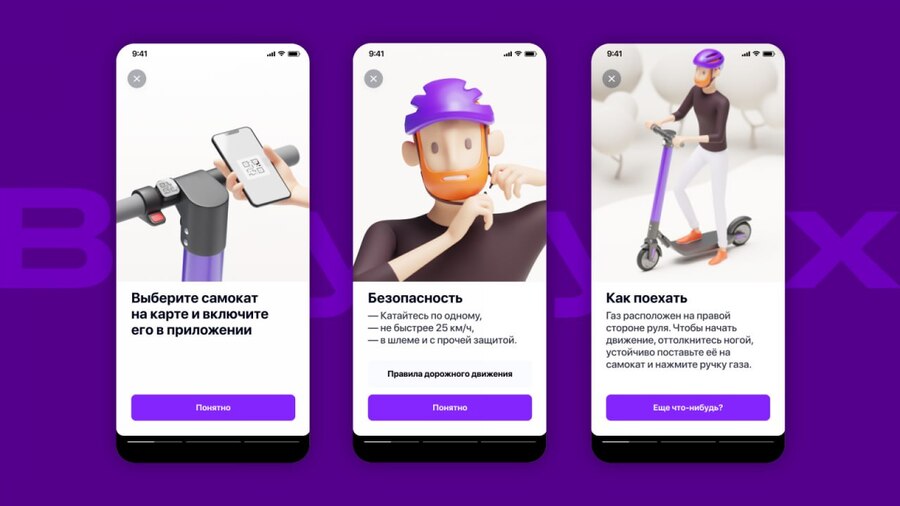
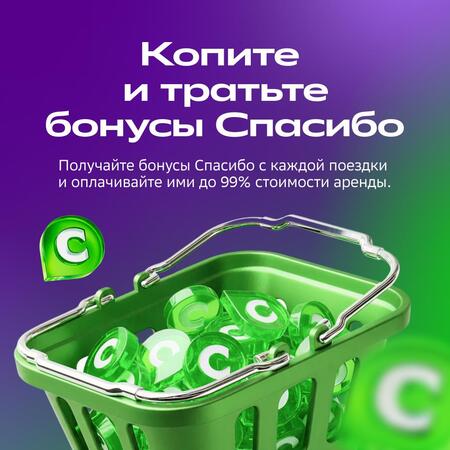
CityDrive’s main color palette is a combination of purple and green — these two colors form the basis of the brand’s visual identity, used in the logo, car wraps, app interface, and advertising. Orange is not an official brand color but may appear as a temporary accent in specific creative campaigns or graphic elements (illustrations, dynamic animation), though not in the core identity. Therefore, the primary colors are purple and green, with orange as an additional accent color.

2.0 Communication Channels

The Citydrive brand engages with its audience through several key channels: social media activity, PR campaigns, and a presence in the public media space. Below, we take a closer look at each of these aspects.

2.1 Brand Social Media

CityDrive maintains an active presence on major social platforms. Its website, for example, explicitly invites users to follow CityDrive’s Telegram and VK (VKontakte) communities for the latest news and promotions. The brand treats social media not just as advertising outlets but as service and media tools. In an eight‑month period, CityDrive’s VK and Telegram channels generated 10.9 million views and supported both marketing and operational goals (high engagement, community support, etc.). Social content is designed to reinforce the «partner on the road» positioning and distinguish CityDrive from competitors by showcasing its new services and features. For instance, posts highlight product expansions such as the long‑term rental «Nadolgo, ” the short‑term rental service „Rent, ” used‑car sales via „Autotrade, ” and other innovations. The social feeds also allow CityDrive to announce city launches or updates (e.g. a new city opening or app feature) and to interact with users directly (handling feedback and support).

2.2 PR Strategies

CityDrive is closely integrated into the Sber ecosystem and actively participates in joint PR initiatives. For example:

Исходный размер 2560x805

Post of Telegram, Main page Telegram, Chat-bot «CityDrive»

Posts of Telegram «CityDrive»

Исходный размер 2560x385

PR initiatives | Sber & CityDrive

· In the summer of 2025, Sber and CityDrive launched a co-branded nationwide advertising campaign titled «More Ways to Get Behind the Wheel, ” combining the bank’s car loan products with CityDrive’s short-term and long-term vehicle rental services.

Исходный размер 2560x385

PR initiatives | Sber & CityDrive

· In November 2025, Sberbank and CityDrive introduced a subsidized car loan program for used vehicles from the carsharing fleet, which received extensive media coverage.

Исходный размер 2560x385

PR initiatives | Sber & CityDrive

· In February 2022, O2O Holding, a joint venture between VK and Sber, acquired the mobile fueling service Proil to support CityDrive’s operational needs, highlighting the brand’s efforts to strengthen and optimize fleet maintenance services.

In addition, the company independently announces service updates and promotional campaigns through its official website and media channels. For example, CityDrive regularly publishes news updates, such as the launch of chat support on May 14, 2026, and special promotional offers. These activities demonstrate a comprehensive PR strategy aimed at strengthening the brand’s image and expanding its audience.

2.3 Public Sphere

Исходный размер 2560x849

Reviews «CityDrive»

In the public sphere, CityDrive is represented through user reviews and media coverage. The main aspects include:

· User reviews: The service generally receives positive ratings. On the 2GIS platform, CityDrive has an average rating of approximately 4.5★ based on 269 reviews. Users often highlight the convenience of the service and the condition of the vehicles, while the company regularly responds to customer complaints and inquiries.

· Customer support and dialogue: In May 2026, CityDrive launched an in-app support chat and also operates a Telegram support bot. This demonstrates the brand’s commitment to responding quickly to drivers’ issues and maintaining an ongoing dialogue with its audience.

· Media discussion: Critical topics occasionally appear in the media and online communities. For example, in spring 2023, users reported GPS malfunctions in central Moscow, and the company promptly addressed the issue, stating that it was working on a solution.

Overall, CityDrive maintains active communication in the public sphere. The brand is present in both user-generated content and media coverage, monitors customer feedback, and strives to engage in an open dialogue with its audience.

3.0 Theoretical Framework

Dialogic theory is suitable for studying the CityDrive brand, as its primary strategic goal is to become not just a rental service, but a «partner for drivers.» This directly aligns with the key tenet of Kent and Taylor’s theory: effective PR communications are built on dialogue, not monologue. The brand deliberately employs an informal tone, humor, and reactive commentary on social media, allowing for an analysis of how its actual practices align with the five principles of dialogue (reciprocity, accessibility, advocacy, focus on mutual understanding, and consideration of all voices). Furthermore, the presence of both successful examples of feedback implementation and problem areas (template-based support responses, difficulties disputing fines) makes CityDrive a suitable case for a balanced theoretical analysis and subsequent recommendations.

4.0 Analysis

4.1 Reciprocity

Исходный размер 2560x849

Reviews «CityDrive»

The principle of reciprocity in Citydrive’s communications is evident in the fact that the brand never leaves comments unanswered. Employees' lively reactions can be seen beneath social media posts: they use emojis and friendly cat pictures. These responses show customers that their message has been noticed and treated with attention. Even angry or provocative comments are responded to by the brand—not with a formulaic reply, but with an attempt to maintain a human face. This creates the feeling that Citydrive is truly listening to its audience and is willing to engage in a dialogue rather than broadcast a monologue.

4.2 Proximity / Accessibility

Исходный размер 2560x910

When we open the CityDrive app, the «Help» option is pinned to the top of the bottom menu—before the payment method, trip history, and personal account options. This isn’t a coincidence, but a thoughtful design that says, «We know you’ll have questions, and we’re here to help.» You don’t have to scroll or search for contact information—support is just a tap away. This is the pure embodiment of the propinquity principle from Kent and Taylor’s theory: the brand closes the distance, makes the first move, and signals, «We’re here for you, and we have nothing to hide.»

4.3 Protecting the Customer’s Interests

This principle of dialogue in Kent and Taylor’s model is empathy, or the brand’s willingness to put itself in the customer’s shoes. This means the company recognizes that the customer may have its own truth, different from corporate logic. Protecting interests is not expressed through empty promises of «the customer is always right,» but through concrete actions: admitting a mistake, offering fair compensation, or at least honestly explaining why a decision was made. The key marker here is the brand’s language in difficult situations. If, instead of an apology and a search for a solution, a formulaic reply citing regulations is given, the dialogue devolves into a monologue. In the context of CityDrive, this principle is especially important because the carsharing business model itself creates areas of potential conflict: fines, damage, technical malfunctions. Dialogue theory requires that the brand not go into a defensive stance («everything is according to the rules»), but instead try to understand the situation from the customer’s perspective. This is where a gap often arises between the friendly public image on social media and the actual work of the customer support team—we’ll explain this in the next section.

4.4 Focus on Mutual Understanding

Исходный размер 2560x704

Reviews «CityDrive»

Testing the principle of mutual understanding implies that a brand strives not simply to sell a service, but to genuinely understand the customer, their pain, and their context. In practice, Citydrive demonstrates a disconnect: in the Telegram channel, managers communicate in a friendly and humorous manner, creating the feeling that the company «listens» to its audience. However, when the same customer encounters a real problem—for example, buying a new battery for the service center’s car at their own expense to continue their trip—the company refuses to refund the money, citing internal regulations regarding «minor repairs.» There’s no attempt to understand the user’s logic («I saved your car and my plans»), but instead a dry, rule-based response. A focus on mutual understanding is replaced by a focus on protecting regulations. The situation is exacerbated by the introduction of AI in customer support. Basic questions are answered by a chatbot, which is unable to analyze unusual scenarios, such as self-service repairs. Connecting to a live agent takes time, and the agent often repeats the same patterns as the bot. As a result, the client, who was hoping for dialogue and a collaborative search for a solution, receives a multi-stage monologue: first from the AI, then from a human, following a script. This is a direct violation of the principle of mutual understanding—the brand doesn’t try to listen, it tries to unsubscribe and close the request. Public laughter on Telegram and the coldness of the support team are two sides of the same disconnect, which makes dialogue with CityDrive an illusion.

4.5 The «Any Voice» Principle

Исходный размер 2560x704

Reviews «CityDrive»

This example illustrates both the strengths and weaknesses of Citydrive’s dialogic strategy: the response to an angry comment featuring a cat and a promise to «think about it» formally adheres to the «any voice» principle, but fails to address the user’s real pain point (the inability to renew the plan without restarting the rental). For such a dialogue to be truly effective, vague promises should be replaced with specific deadlines («we’re launching a test in two weeks») or a clear explanation for the refusal, and the idea of ​​buying additional watches should be put to a vote on social media. Then the brand would move from a friendly illusion to a genuine dialogue about product improvement.

5.0 Conclusion & Recommendations

The analysis shows that Citydrive successfully creates the outward appearance of dialogue: the brand is active on social media (Telegram, VK), garners millions of views, uses emojis and cats, responds to comments, is integrated into the Sber ecosystem, and receives generally positive reviews (4.5 on 2GIS). However, applying Kent and Taylor’s dialogic theory reveals a profound gap between the public game of intimacy and genuine support. Examples such as the refusal to compensate a customer for a battery purchase, the helplessness of the AI ​​bot in emergency situations, and vague promises of «we’ll think about it» instead of a concrete solution (such as the option to purchase additional watches within the plan) demonstrate that the principles of mutual understanding, protecting interests, and taking everyone’s voice into account are merely a veneer.

For CityDrive to become a true partner for drivers, communication standards between public social media and private support should be standardized: a live response with a cat shouldn’t be replaced by impersonal regulations when contacting someone in person. The «minor repairs» policy should be revised so that customers who resolve a service issue at their own expense receive real compensation and gratitude, rather than a formal reply with a link to the rules. AI support should stop being a barrier—to achieve this, complex cases need to be quickly escalated to a live operator, and operators themselves should be trained in empathy rather than scripts. Finally, the promise of «we’ll think about it» should be replaced with specific deadlines, tests, and open polls on social media, where users themselves decide whether they want the opportunity to purchase additional watches or other upgrades. Only then will dialogue cease to be an illusion.

Библиография
1.

https://citydrive.ru/ (дата обращения: 02.06.2026)

2.3.4.

https://adindex.ru/news/marketing/2025/06/5/334107.phtml (дата обращения: 04.06.2026)

5.

t.me/citydriveru (дата обращения: 04.06.2026)

6.

https://www.sostav.ru/publication/sitimobil-48082.html (дата обращения: 04.06.2026)

Источники изображений
1.2.

t.me/citydriveru

3.

facebook_335489.png

4.

150248.jpg

5.

587a1f9e14be87d0410e11f918addaed.jpeg

Мы используем файлы cookies для улучшения работы сайта НИУ ВШЭ и большего удобства его использования. Более подробную...
Показать больше