BMW ART CARS, ЧАСТЬ ТРЕТЬЯ: ОТ ТЕТРАДКИ В КЛЕТОЧКУ ДО АВСТРАЛИЙСКИХ СНОВ
ПЯТЁРКА МАШИН, КОТОРАЯ ДОКАЗЫВАЕТ, ЧТО КУЗОВ — ЭТО ПРОСТО ХОЛСТ
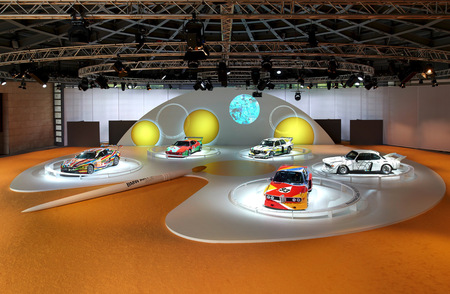
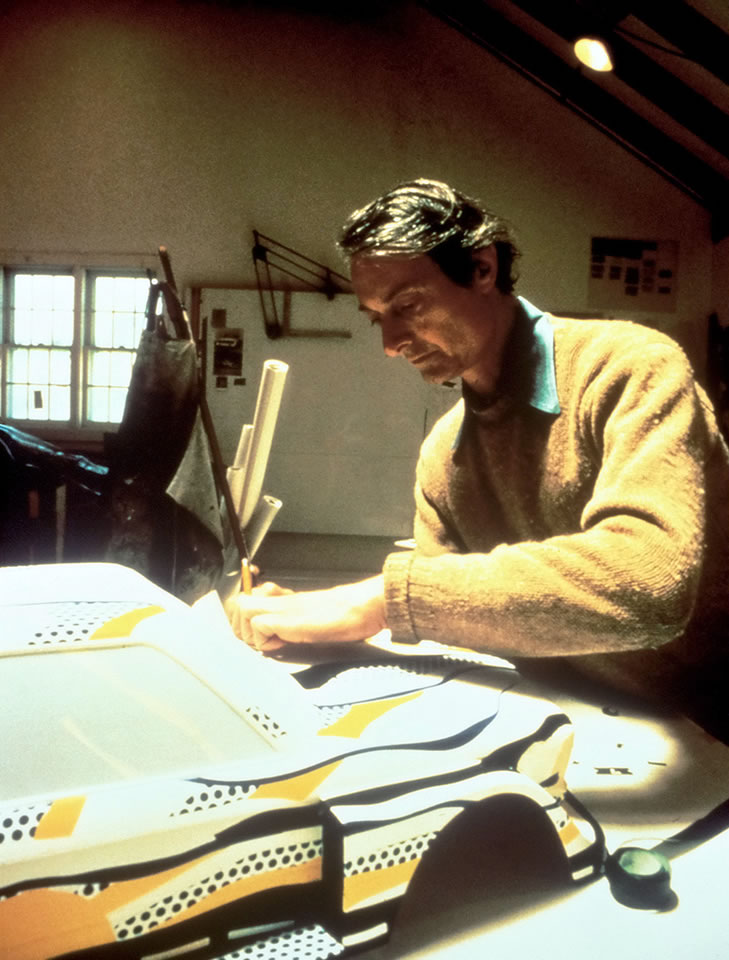
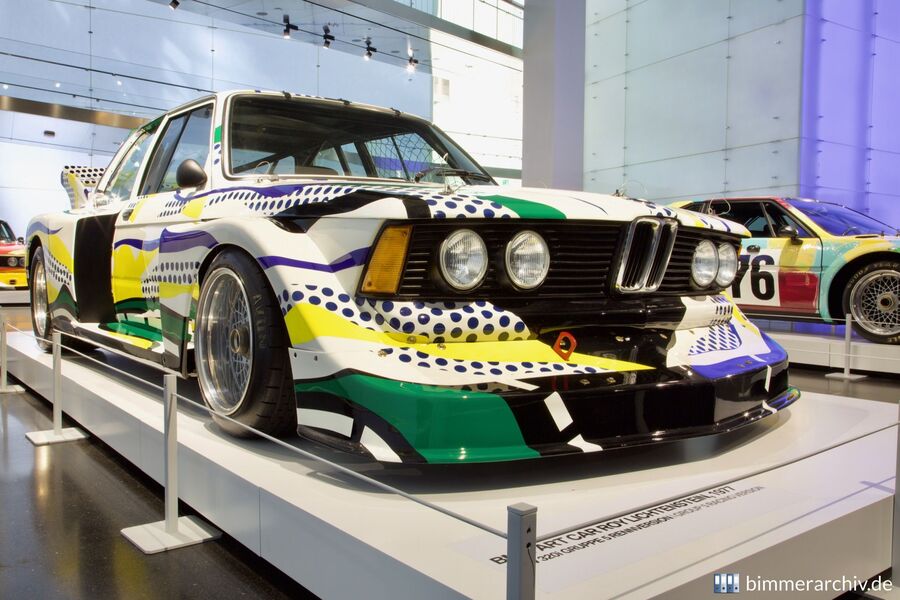
Let’s start with the 1977 BMW 320i by Roy Lichtenstein, car number three. The pop art master approached the project like a true conceptualist: he covered the body with his signature large dots and lines, which, according to him, depict the road and the landscape the car has not yet driven past—meaning the car metaphorically carried the memories of a journey that had not yet happened. This did not prevent him from securing ninth place in the overall ranking and winning the Le Mans class—a rare instance where art was also moving fast.
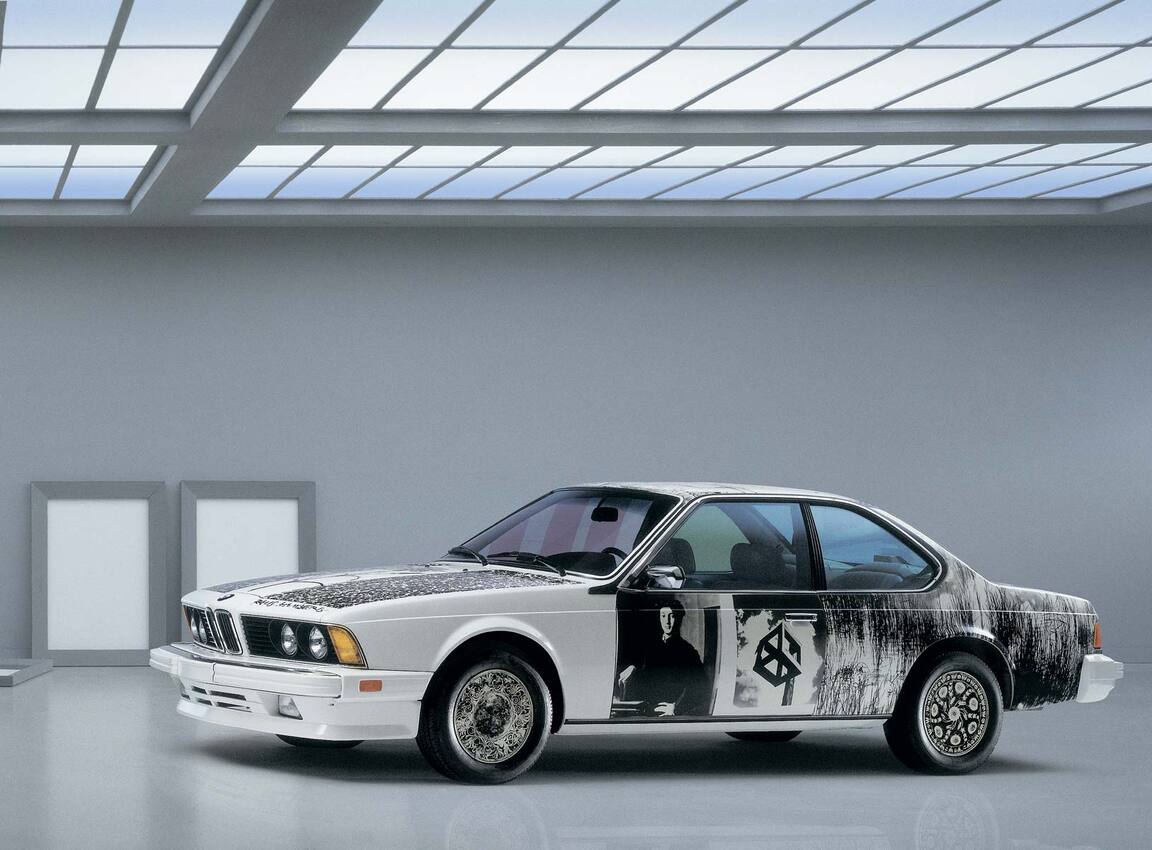
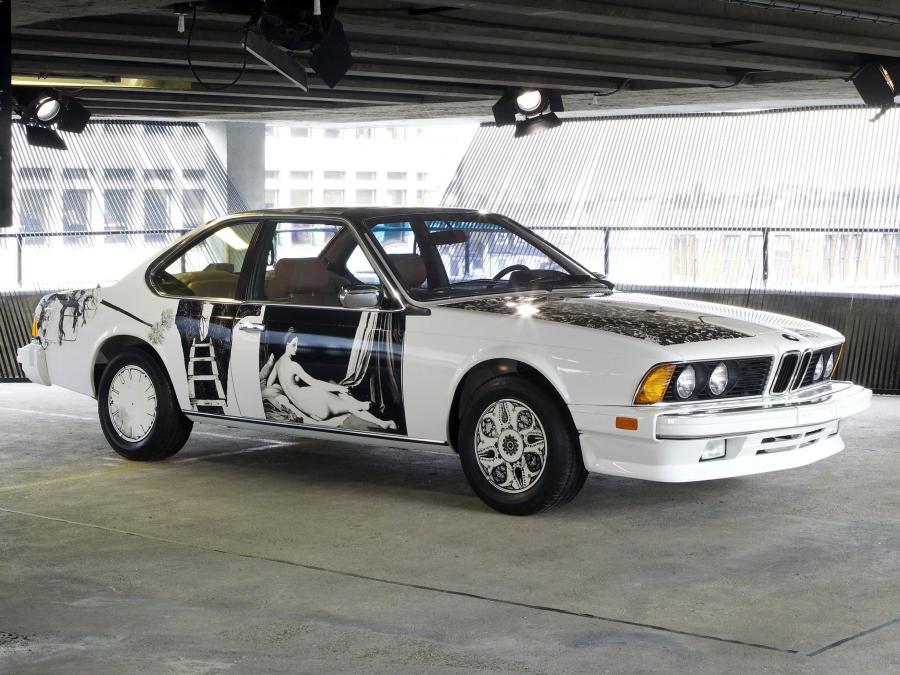
Next is Robert Rousenberg’s 1986 BMW 635CSi—car number six—and this represents an entirely different level of audacity. Rousenberg was the first in the project’s history to transfer other artists' works onto the body: on the left, a portrait by Bronzino; on the right, an Adalisk from Enghr; and the wheel covers were adorned with photographs of ancient pottery. The artist himself called it a «mobile museum» and admitted it was his lifelong dream—essentially, he transformed the car into a gallery that could be parked anywhere.
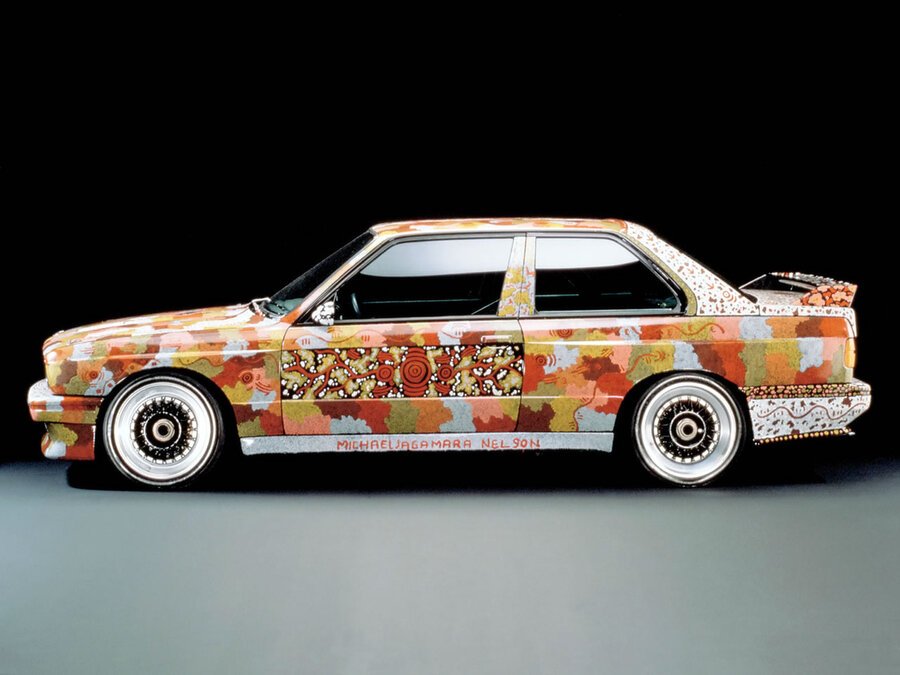
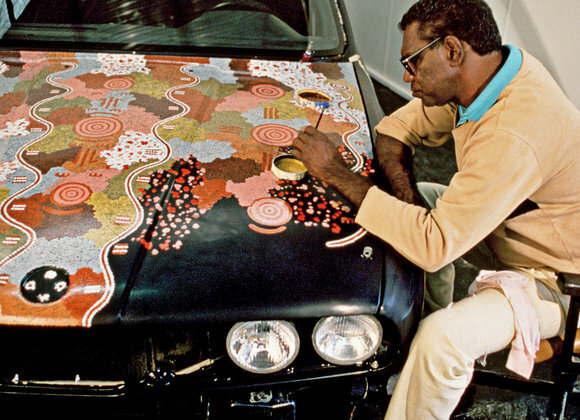
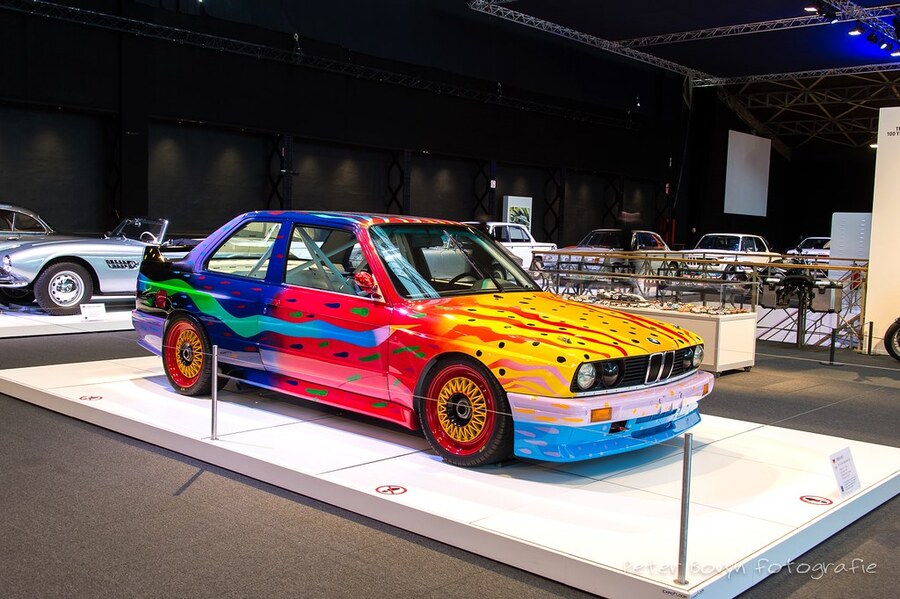
In 1989, BMW suddenly decided to conduct an experiment and gave the same M3 model to two artists with diametrically opposed backgrounds. Michael Jagamar Nelson, who is of Australian Aboriginal descent, manually painted the car with patterns for seven days. From a distance, these patterns appear abstract, but up close they reveal kangaroos, opossums, and water—a design the artist described as «a landscape as seen from an airplane.»
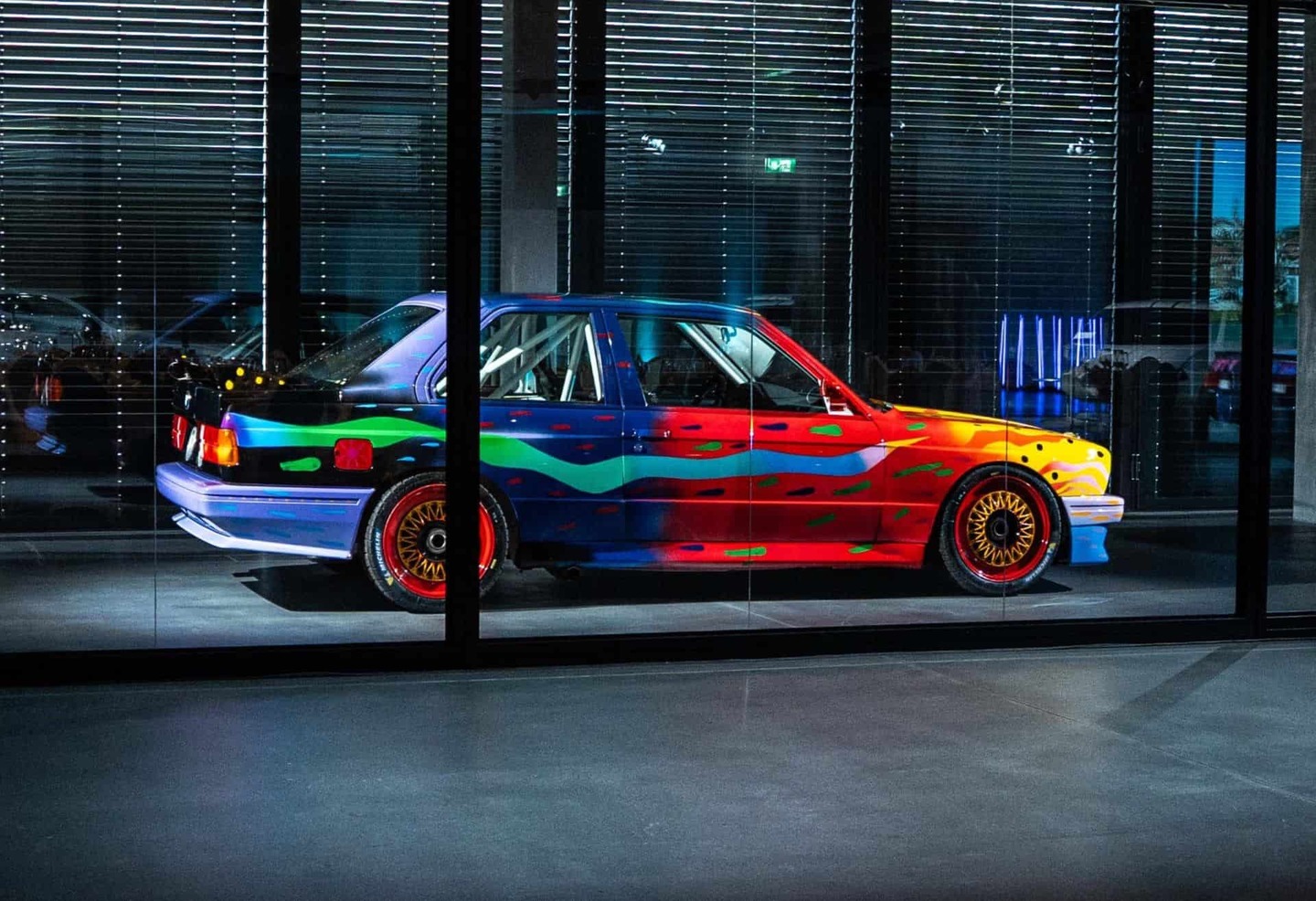
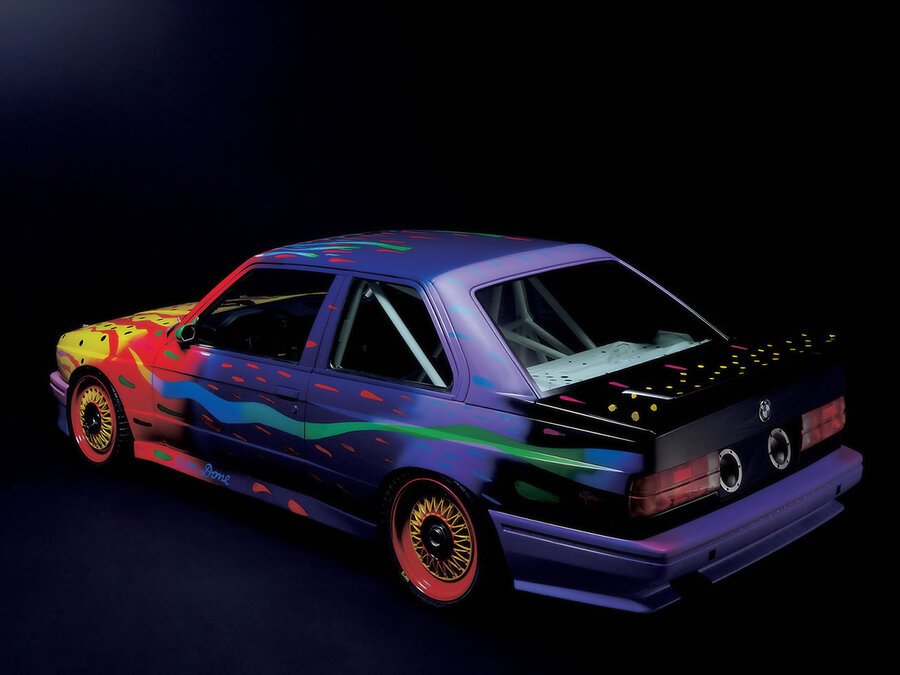
At the same time, Ken Dan received an M3 award, an Australian artist far more mainstream and cheerful: he covered a vehicle with bright parrots and parrotfish in the spirit of a sunny Sydney beach. In the end, two perspectives on the same country met at one exhibition—the ancient and mythical versus the bright and touristy—and both versions of Australia are equally viable.
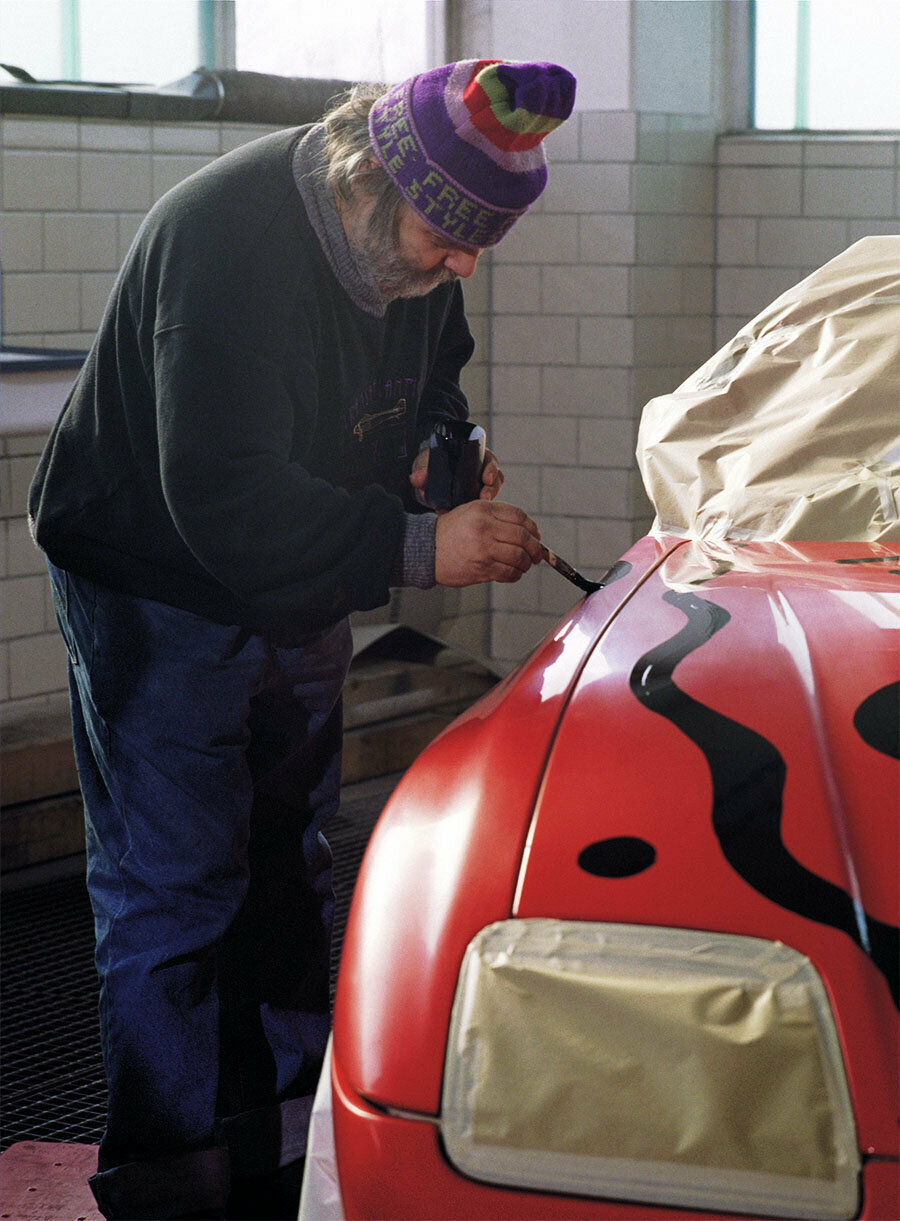
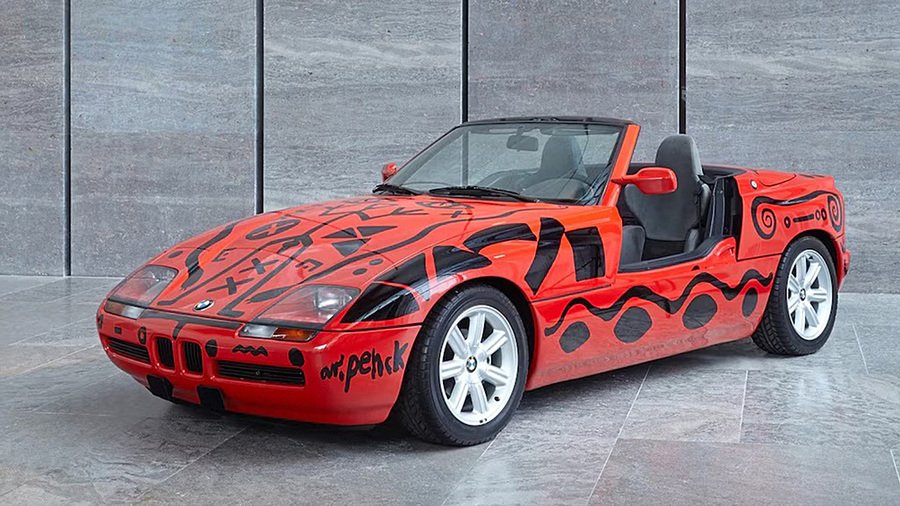
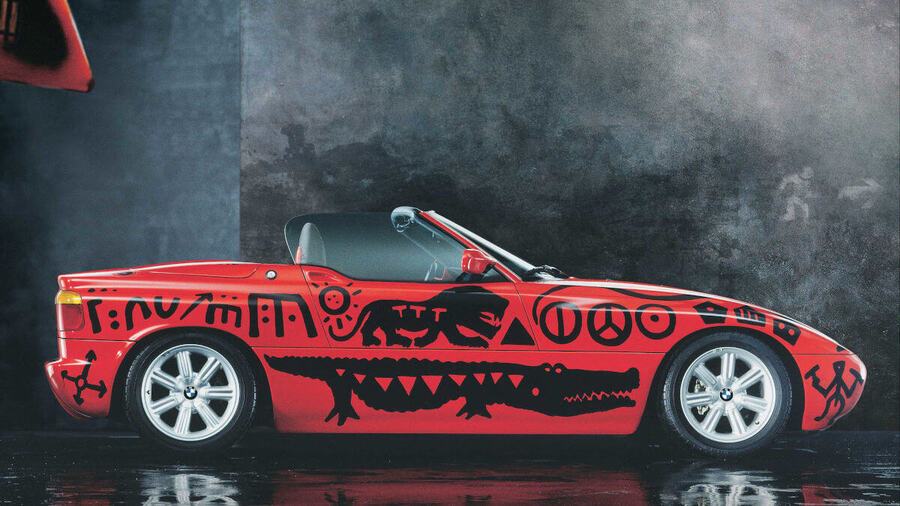
Finishing our quintet is a 1991 BMW Z1 by German artist A.R. Penk. Penk, a self-taught artist from Dresden, was obsessed throughout his life with cave paintings, Picasso, and Rembrandt, ultimately developing his own language using stick figures and symbols—as if an ancient petroglyph had decided to be reborn on the Roadster’s body. Incidentally, the car was never driven on a track; from the start, it existed solely as a museum piece—too conceptual for racing.
Here is such a lineup: dots instead of landscapes, other people’s paintings instead of their own, one car—two perspectives on an entire continent, and rock art on a Roadster. After that, it feels rather silly to put on a simple sticker on the bumper.