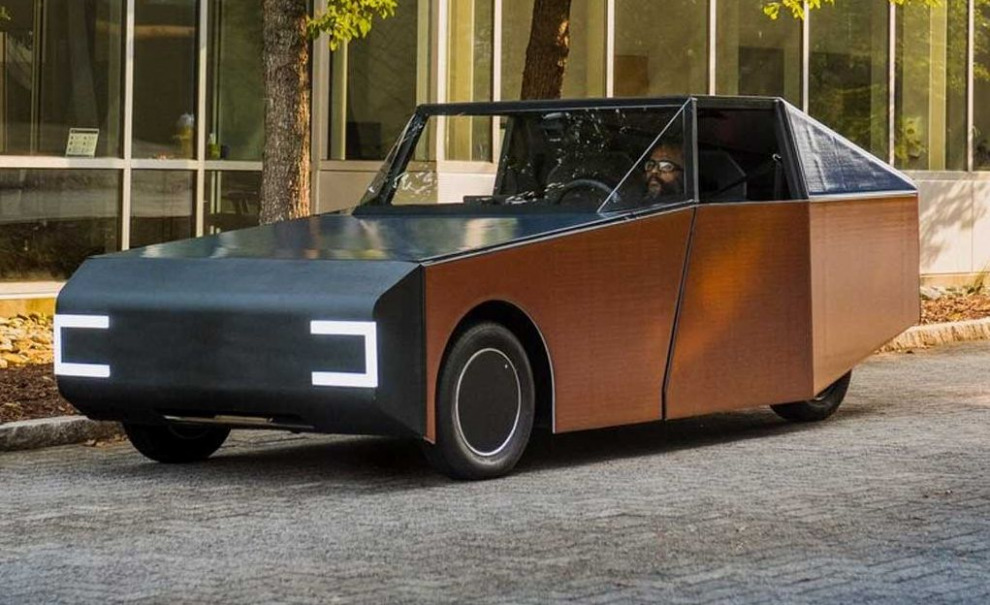
Students at Clemson University, supported by BMW, unveiled Deep Orange 17—an electric prototype that ditched charging stations designed for the faint of heart and learned to power itself directly from the sun.
The vehicle received the unofficial name Luminetta, and over 1,700 photovoltaic cells were integrated into its body. Importantly, this is not a decorative roof-mounted solar panel for a glossy investor presentation: the cells are placed across the exterior surfaces of the car and generate electricity whether the car is stationary or in motion. The project was developed in collaboration with BMW specialists and the Fraunhofer ISE Solar Energy Systems Institute. In essence, the students were tasked with «reimagining vehicle efficiency, ” and it appears they decided to start by eliminating the electricity bill.
СТУДЕНТЫ СДЕЛАЛИ ЭЛЕКТРОМОБИЛЬ, КОТОРЫЙ ЗАРЯЖАЕТСЯ ОТ СОЛНЦА
МАШИНА ВЕСИТ ВСЕГО 550 КГ
The wildest part starts with the numbers. Developers calculated that with daily trips of approximately 20 km, the car can gain more energy from the sun than it consumes. Simulations were conducted for four vastly different cities—Greenville, Frankfurt, Madrid, and Mumbai. On average, the accumulated surplus solar energy should be enough for an additional 50 km of driving. This means you arrive at work in the morning, park the car, spend eight hours in meetings and hitting deadlines, and discover in the evening that the vehicle has somehow recharged a bit on its own. It’s the dream of every electric car owner: the only problem with charging is when a colleague parks their SUV next to you and casts a solar eclipse.
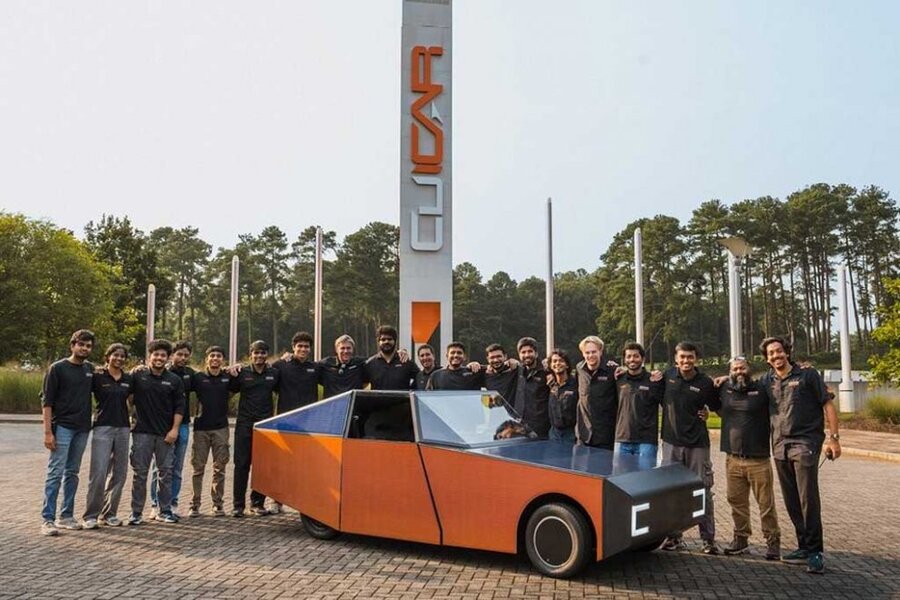
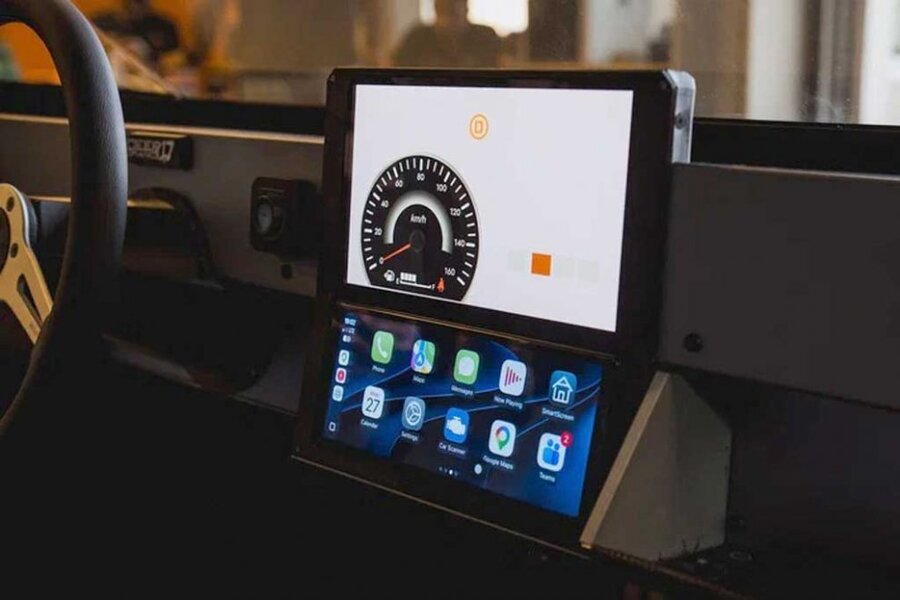
But the secret to Luminetta isn’t just that it’s covered in solar cells. The vehicle weighs only 550 kg—about a quarter the mass of many modern cars of comparable size. This was achieved by using steel, aluminum, carbon fiber, and even metallic parts printed on a 3D printer. Furthermore, the developers partially drew inspiration from the shape of a fish. Inside, they kept Apple CarPlay and Android Auto—because even if you can build an energetically positive car of the future, all of humanity’s technology is pointless if the phone isn’t connected. The Deep Orange 17 is not yet going into series production; it is a research prototype. However, BMW and the students have already proven an important point—the phrase «put the car in the sun to charge» has suddenly stopped being a joke.