BMW ART CARS — ИСКУССТВО НА КОЛЕСАХ
ОДЕРЖИМЫЙ ГОНКАМИ АУКЦИОНИСТ ПРЕВРАТИЛ СПОРТКАРЫ В ПЕРЕДВИЖНОЙ МУЗЕЙ
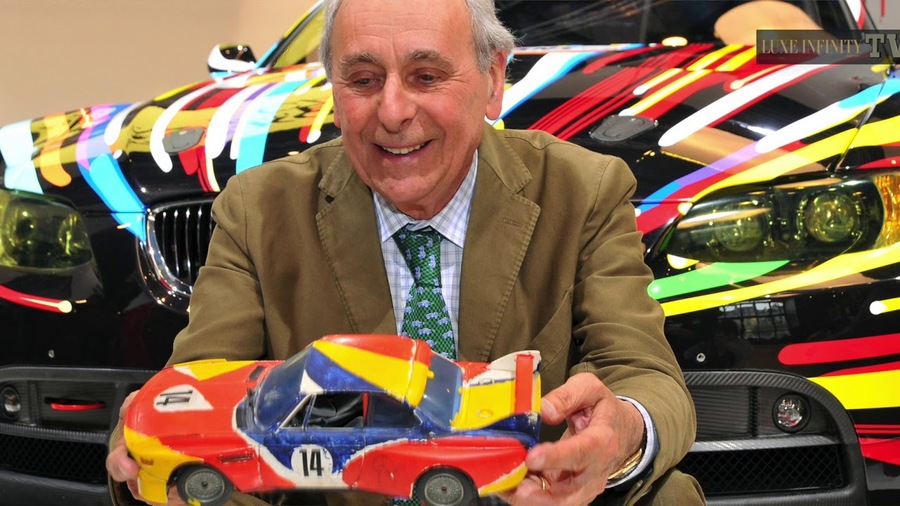
It all started in the most casual way imaginable. In 1975, the French auctioneer and amateur race car enthusiast Hervé Pulen decided to enter the 24 Hours of Le Mans. He felt his race car shouldn’t just be fast—it needed to be a work of art. Fortunately, he had an acquaintance who was the perfect fit: the sculptor Alexander Calder. Pulen called the then-BMW Motorsports director, Jürgen Nirpasch, with this wild idea, and instead of dismissing him, Nirpasch said «yes.» As Nirpasch later admitted, there wasn’t any marketing plan behind it—it was just two people, obsessed with both racing and art, striking a deal on the fly.
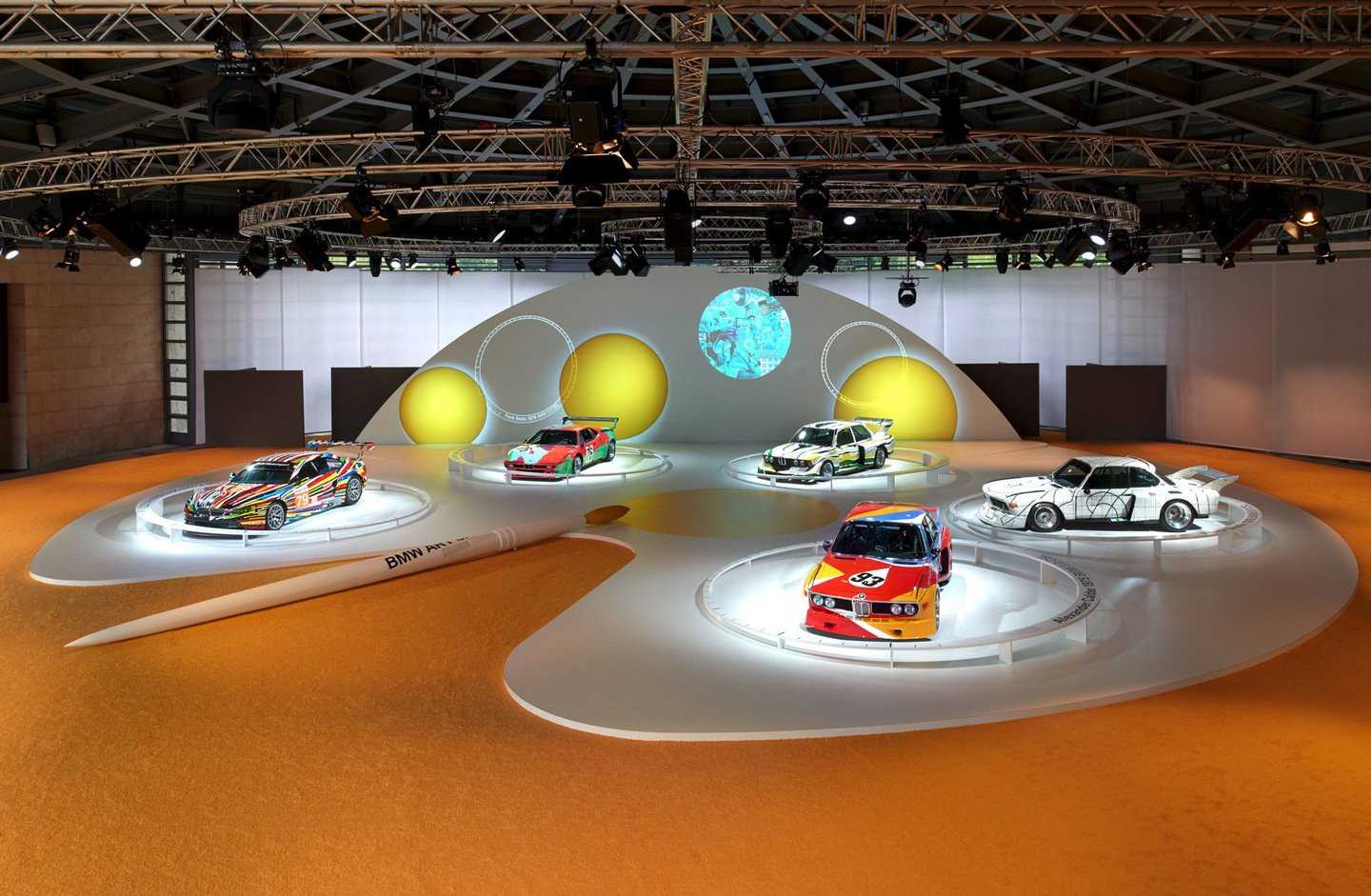
This is how the project came to be—one that no one intended to evolve into an institution, yet it did. Twenty cars over fifty years, sometimes with a nine-year gap between new releases—meaning there was no annual conveyor belt for hype. This summer, all twenty cars gathered under one roof for the first time in history at the BMW Welt in Munich—marking the final stop of a global exhibition tour that has since March 2025 visited over 60 venues in 30 countries and attracted more than two million viewers.
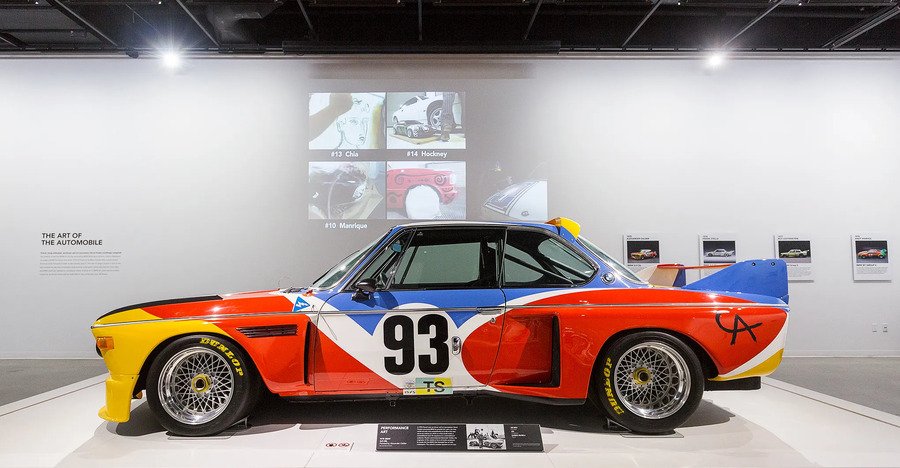
Let’s start with the guest of honor—the 1975 BMW 3.0 CSL by Alexander Kolder, the number one piece in the entire collection. Kolder, known for his kinetic sculpture-cars, painted the body by hand, as if it were another one of his moving installations, only this time it could speed and participate in races. He genuinely believed that art should never remain static, and in a literal sense, he released his sculpture onto the Le Mans track.
The next mandatory figure to mention is Andy Warhol and his 1979 BMW M1, car number four. Unlike his studio, the «Factory,» where he specifically excluded human presence in the process by using silkscreening, here he suddenly decided to mix everything by hand in the most literal sense: he painted the body himself, smearing paint onto the damp surface with his fingers in mere minutes. The resulting car is considered one of the most valuable in the world today—a rare instance where a «sketch-job» literally translates to a multi-million-dollar price tag.
Next is an example that is hardly even called a machine. Olafur Eliasson’s 2007 H2R project, piece number sixteen, ran on hydrogen, was clad in steel mesh and mirrored panels, and was topped with layers of real ice, requiring it to be displayed in a cold storage unit lest it melt. The first thing Eliasson did was remove the BMW logo from the car, transforming the advertising object into an independent statement. According to the curators, this decision was not made easily within the company.
A special highlight of the collection is the South African artist Esther Malangue and her 1991 BMW 525i, the car numbered twelve. She was the first woman and the first African artist in the project. She painted the body with traditional geometric patterns of the Ndebele people—the same ones that have adorned the walls of homes for centuries, but this time the canvas was metal.
And finally, the freshest work—M Hybrid V8 by Julie Mehretu, an American-Ethiopian abstract painter, machine number twenty. For her, merely painting the body was not enough: concurrently with her work on the vehicle, she launched the «African Collective of Film and Media Art» project to host master classes on documentary film across the continent where she was born. Essentially, the art car was only the tip of a much larger undertaking.
So, what was all this about, and did it succeed? Judging by the words of project curator Thomas Girst, the main goal wasn’t to sell another model, but to create genuine co-creation between artists and engineers—a collaboration impossible to fake with mere marketing dazzle. Consequently, what emerged wasn’t a «brand for the sake of a brand, ” but half a century of authentic cultural weight. Cynics will certainly argue that it’s still just advertising, albeit very expensive and very beautiful. But when your advertisement draws museum queues half a century later instead of gathering dust on a banner, it seems the goal has been at least partially achieved.