Introduction
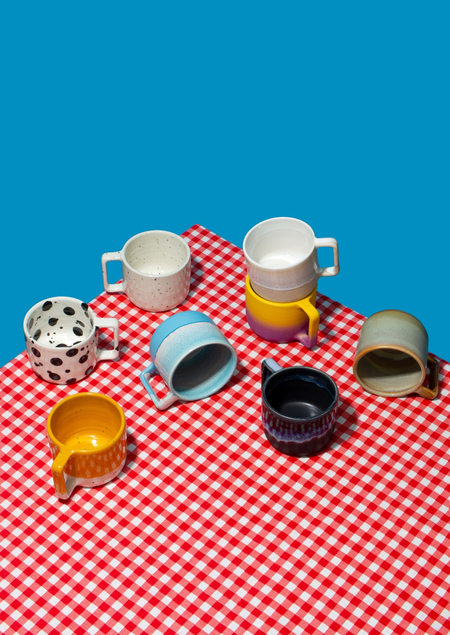
The AGAMI Ceramics brand was founded in 2016 in Moscow. It has grown from a tiny workshop into a full-fledged production facility for handmade tableware. The brand serves both the restaurant industry and custom home orders.
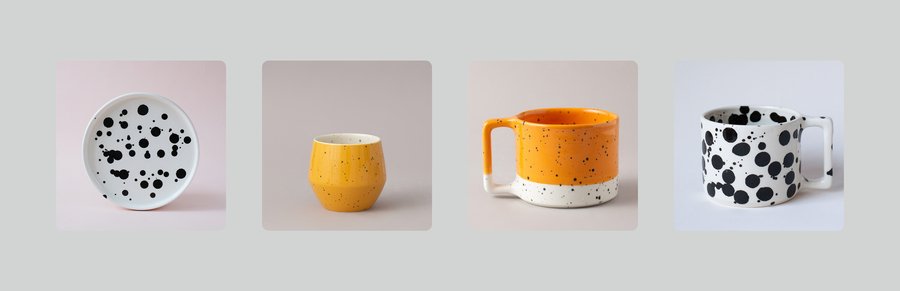
The brand’s production is distinguished by its use of high-quality materials and its own glaze. This makes their products unique. Their tableware is unlike any other
«We are proud that such renowned publications as Elle Decoration, Afisha and The Village regularly include us in selections of the most stylish modern ceramics.» [1]
The brand’s target audience includes restaurant businesses and private clients. Brand representatives say that many restaurants prefer unique, handcrafted tableware, which adds a cozy touch to their interiors.
Communication channels
The AGAMI Ceramics brand uses Telegram, VK, and its own website as its primary promotional platforms. They also have a real store in Moscow, where anyone can visit and purchase the brand’s products.
To maintain contact with their audience, the brand actively uses various social media promotional methods. For example, they frequently hold give-aways on their channels for finished products
They also actively share insights into the brand and its products with their audience. They describe the stages of their cookware production and regularly update their social media pages.
Agami Ceramics' website
Another PR-strategy they use is collaboration with different artists and chefs combined with give-aways.
Agami Ceramics' VK and TG-channel
Theoretical framework
Elaboration Likelihood Model
The Elaboration Likelihood Model, or ELM, was brought up by Richard Petty and John Cacioppo in 1980s. This theory offers us two ways of elaboration information: through central route and peripheral route.
The central route is a path that requires a lot of personal involvement in the subject of information. The person that elaborates information through central route is deeply interested in the subject and process the information on a deep cognitive level. The peripheral route, however, relies on the surface-level cues like visual aesthetics, while changing the attitude temporarily.
Analysis of the brand through ELM
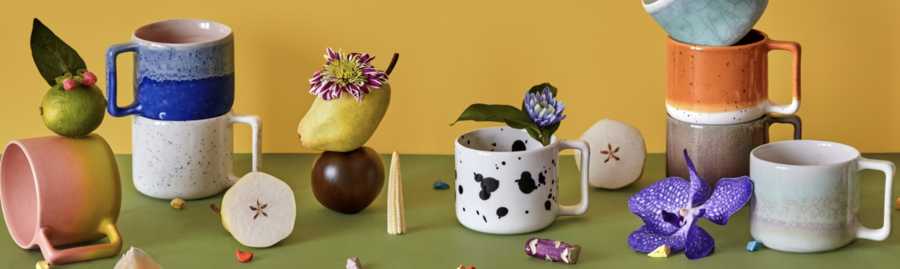
Agami Ceramics communicate through visual content on their website and social platforms. Mainly their content consists of aesthetically pleasing photos of the product itself, making the product, and the usage of the ceramics in real life.
Agami Ceramics has mastered the art of presenting an ideal vision of how to use their product on social media. They don’t just sell beautiful ceramic tableware to their audience — they sell an aesthetically pleasing lifestyle that becomes attainable with the purchase of one of their mugs or plates.
Their focus is on softness and comfort, which they convey both through the design of their products (with product photography taking center stage in their content) and through the scenarios in which they film their target customer interacting with the product: in a stylish kitchen, with visually appealing breakfasts, or a nice cup of coffee, is attracting their target audience, making it the main channel of communication.
In doing so, they make use of the peripheral route, using their aesthetic appeal to attract people who resonate with it.
Pleasant visual content helps capture the user’s attention in situations where they are consuming information quickly and are not ready to process it on a deeper level.
They often pair aesthetic content with native communication with the audience. Common themes of their posts in social media are «match your aesthetic with the product», how to use the product and what inspired the company to make this exact design.
These themes are easy to elaborate and consume.
However, they don’t use emotional stories and don’t connect with the audience through other emotional hooks, which are often used for elaborating the information through the peripheral route.