ЛУЧШАЯ ФОРМА АВТОМОБИЛЬНОГО ТРОЛЛИНГА
СЛИПЕРЫ КАК СПЯЩИЕ ЧУДОВИЩА
In the automotive world, there are two types of maniacs. The first buys a Ferrari so everyone can see its logo on the hood; the second buys an old boxy Volvo sedan, stuffs a jet engine into it, and silently pulls away from the light, leaving the supercar owner to swallow dust and his own pride. The second type of vehicle is called a «sleeper,» derived from the English word sleeper—meaning dormant. These are deceptive cars that look like a tired courier van or a grandpa’s cottage transport, but underneath the hood, they hide such ferocity that modern hypercars nervously watch from the sidelines.
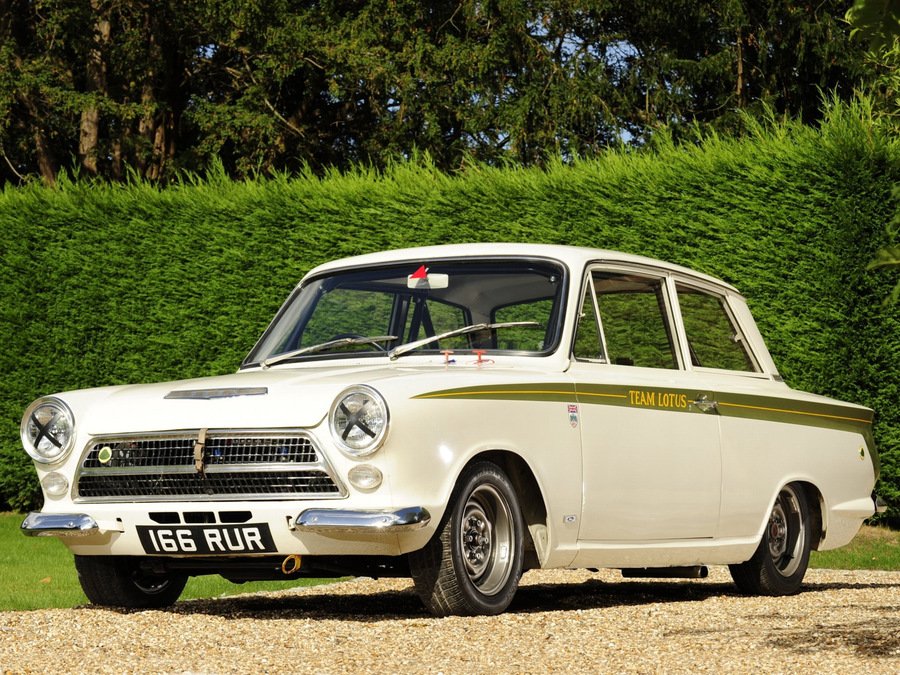
The sleeper car concept originated in Britain as early as the 1960s. It was a reference to the Royal Navy’s secret ships, which were disguised as merchant vessels to hunt submarines. Journalists first dubbed the 1963 Lotus Cortina as the prototypical sleeper. On the outside—a humble tin box for milk runs—on the inside was a sporty engine with slightly over one hundred horsepower, transforming the shed into a bullet. The idea proved brilliant: to be, not to seem. Why build fiberglass body kits when you could simply slot a powerful engine into a mundane chassis? In the United States, this philosophy was pushed to absurdity in the seventies, when any full-sized family sedan could conceal a muscle car platform capable of tearing down a quarter-mile faster than a dedicated race machine.
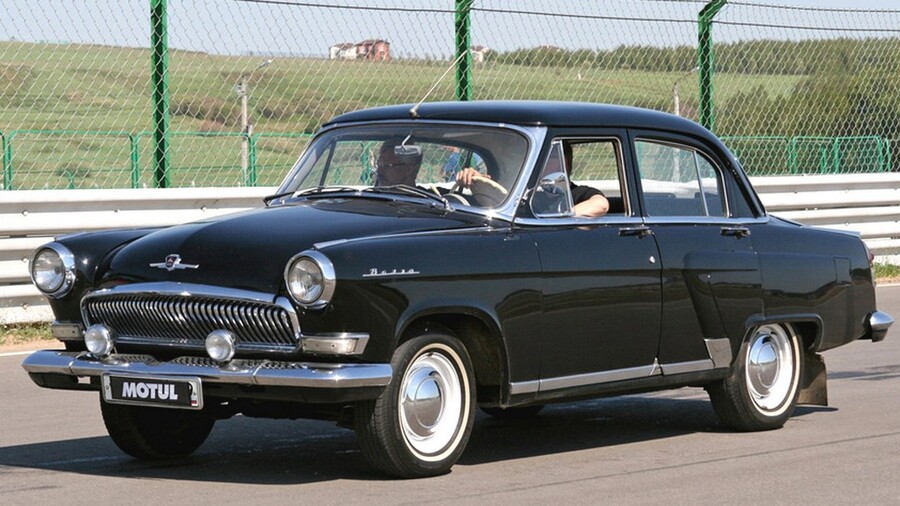
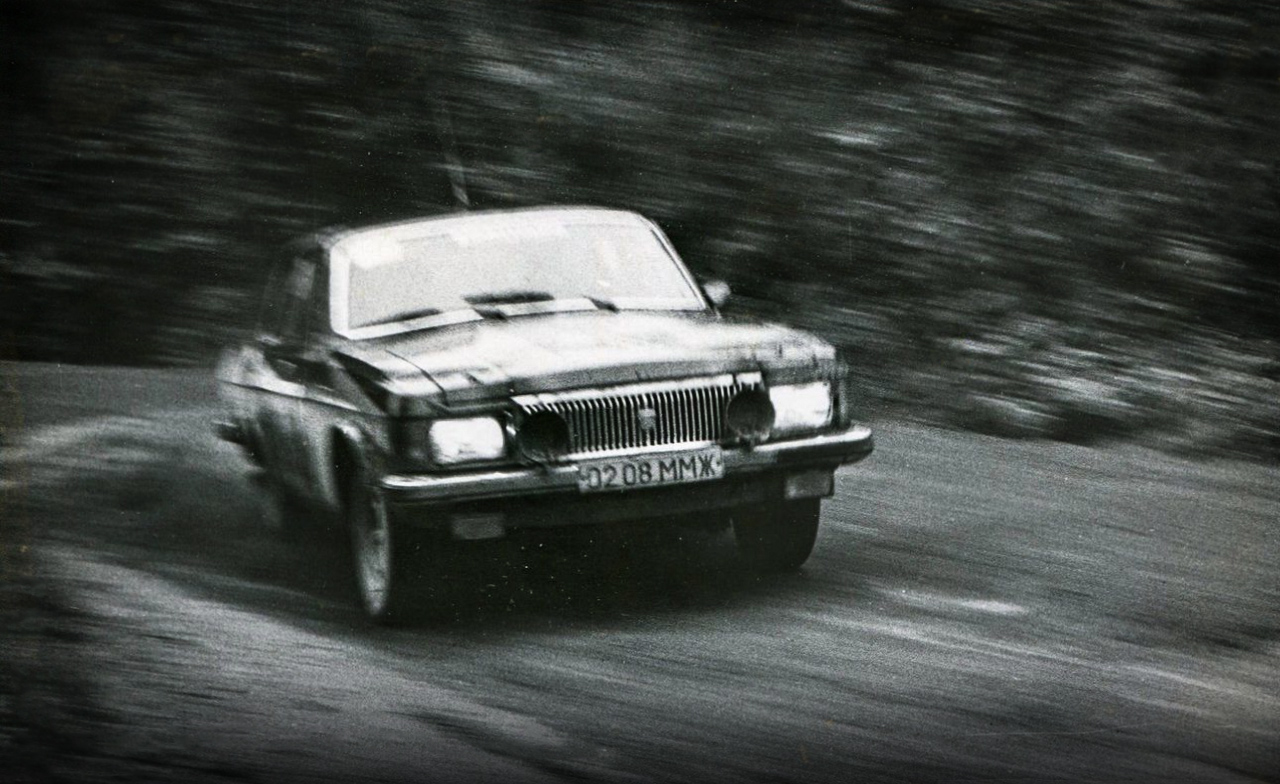
In Russia, slippers have been elevated to a cult status, and this began long before we learned the word «tuning.» Our history recalls the legendary «high-speed chases» of the GAZ-23. Externally, it was an ordinary 21st «Volga,» used by taxi drivers to transport passengers. But as soon as the gas pedal was pressed, the car leaped forward thanks to a 5.5-liter V8 engine sourced from a «Chaika.» These vehicles were manufactured specifically for the KGB, kept classified, and its employees were strictly forbidden from opening the hood anywhere other than the departmental garage. Acceleration to 100 km/h took sixteen seconds compared to thirty for the civilian version, and the top speed reached 170 kilometers per hour. Later, the GAZ-24-24 and VAZ models equipped with rotary-piston engines took up the torch for the police. The Soviet school of hidden threat taught us the most important lesson: the more inconspicuous the shell, the harder the payload strikes.
Today, the Russian market has transformed into a global factory for the craziest slippers. Where we once only read about British Lotus Carlton, now our garage wizards are making Porsche Panamera Turbo owners weep right on the Kyiv highway. The format has become a national sport. We typically take old BMW E34s, Mercedes W124s, or Audi C4 quattro because these bodies are dirt cheap, offer perfect weight distribution, and are ready to accept almost any modern powertrain.
Let’s look at specific projects that prove Russian engineering can compete with any Western design house. We’ll start with a genre classic—the «Bukhanka.» What could possibly be slower than a Ulyanovsk minibus? Brick aerodynamics, a center of gravity higher than the Eiffel Tower. But the team took the chassis, slotted in a Japanese turbodiesel, and created a machine that drives at two hundred kilometers per hour sideways across a snowy field. Inside, the authentic dashboard is usually retained, contrasting sharply with the nitrogen oxide activation switches. It’s pure surrealism: you sit on a genuine 1980s leatherette couch, grip a thin steering wheel, and show off a Nissan GT-R’s rear end.
Another masterpiece from the domestic design school—projects based on old German business sedans. For instance, the famous black Mercedes W124, which frequently appears at auctions and in car blogger videos. Externally, it features the perfect chassis of a nineties-era taxi. A thin antenna strip on the rear quarter panel, naive wheel covers, and no spoiler. But open the hood—and you find an AMG M113 monster or even a meaner American LS-series V8. These cars are called «wolves in sheep’s clothing.» They don’t attract the police’s attention. But the power reserve allows for a burst of acceleration when merging onto the highway that the owners of modern credit crossovers could only dream of.
The Japanese influence has settled into our garages as well. The Mazda 6 MPS or first-generation Mitsubishi Lancer Evolution are factory sleepers themselves—ordinary-looking sedans packed with all-wheel drive and ferocious turbo engines. However, Russian craftsmen take it a step further. They take a standard, unassuming Subaru Legacy wagon and transform it into the perfect instrument of retribution. The car looks like a geography teacher’s transport hauling a globe to a conference, but it passes the second hundred on the speedometer faster than many motorcyclists can even shift into third gear.
American barges from the late nineties hold a special place. A 1994 Chevrolet Impala SS or a 2003 Mercury Marauder. Black, boxy, resembling hearses. In the States, they were initially designed as covert police interceptors. In Russia, these ships became the foundation for creating true battleships. Owners install compressors, replace brakes with massive Brembo discs, and leave the exterior absolutely untouched. Imagine the shock of a major driving a new BMW M-series when a black American machine harshly beats him off the line—a machine whose trunk seems ready to carry an upland bird hunting rifle.
Why are «sleeper» cars popular right now? The answer lies in psychology. Owning a flashy supercar comes with obligations. You must match the status; you are always on display, despised by those around you, and every scratch costs a worker’s annual salary. A sleeper car offers freedom. In it, you can drive the kids to school, head to the building supply market for cement, and in the evening, destroy a couple of liter-class sportbikes on the Moscow Ring Road. This is the highest expression of selfishness: only he and the passenger on the right receive pleasure; everyone else just sees the receding red running lights. And therein lies a certain delightful, pure magic of the old automotive school.