1. Media Concept
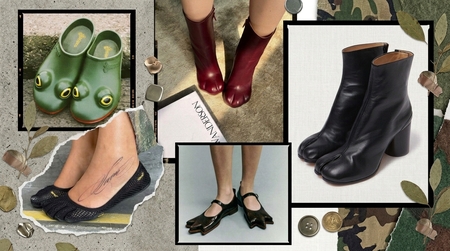
«Second Life» is an informational media platform focused on vintage, reselling, and conscious clothing consumption. The project’s goal is to demonstrate to young people that a stylish wardrobe can be built without constantly purchasing new items. The media explores how to find interesting clothing in thrift stores, how to pair vintage pieces with contemporary items, how to upcycle old garments, and how to extend their lifespan. The primary target audience is young adults aged 18 to 30 who are interested in fashion, want to express their individuality, and do not wish to spend excessive money on clothing. The media’s main platform will be a website featuring articles, curated lists of vintage shops, garment redesign tutorials, care tips, and examples of stylish looks on a small budget. Promotion for the project will utilize Telegram and VKontakte. The key difference of «Second Life» is its integration of fashion content with practical utility. The project illustrates that conscious consumption can be an opportunity to experiment with style, rather than a limitation.
The concept was developed in the first homework assignment and remains unchanged.
As part of the third homework assignment, we are exploring the possibility of partially automating content creation using artificial intelligence. AI will be used to analyze audience interests, find relevant topics, structure information, create publication drafts, and prepare visual concepts. We also plan to develop a personalized AI assistant that can suggest new clothing combinations based on user wardrobe photos. Artificial intelligence will handle auxiliary tasks, but the editorial team will remain responsible for fact-checking, editing, and publishing the materials.
2. Data Sources for Media
For creating the «Second Life» publications, several types of sources will be used. Each one is essential for finding relevant themes, verifying information, and preparing valuable materials.
- Fashion Media and Thematic PublicationsThe Blueprint, RBC Style, and other fashion publications.These sources will help track trends in vintage fashion, the growth of reselling, upcycling, and new approaches to conscious clothing consumption.For example, if certain vintage items become popular, a piece of content can be created based on that theme, detailing where to find similar clothing in thrift stores and how to style it.2. Resale Platforms and Vintage ShopsAvito, Oskelly, and the websites and social media channels of vintage shops.These platforms will be used to search for interesting items, study current inventory, compare prices, and create clothing selections across various price points.For instance, for an article titled «How to assemble an autumn look for under 5,000 Rubles, ” several items can be sourced from resale platforms to show potential styling combinations.Since listings can quickly become outdated, the cost and availability of items must be verified immediately before publishing.3. Social Media and User-Generated ContentPinterest, Telegram, VKontakte, audience comments, and polls.Social media will help determine user interests, discover popular visual solutions, and identify questions that arise when purchasing vintage clothing.For example, if users frequently inquire about how to determine the size of vintage jeans, this topic could form the basis of a separate guide.4. Expert MaterialsPublications from stylists, designers, textile specialists, and garment care experts.These sources are essential for verifying advice on fabric selection, repair, washing, and garment alteration.For example, when preparing a guide on caring for a vintage coat, you must consider the fabric composition and specialist recommendations, rather than relying solely on social media advice.
- Personal Media ArchivePreviously published articles, collections, guides, user comments, and editorial corrections.The archive will allow you to find related materials, avoid duplication, and update outdated information.For example, if a secondhand collection was published several months ago, you need to check whether the listed stores are still operating and if the information about them is current.6. AI Assistant User DataPhotos of clothing that the user voluntarily uploads to the site, as well as specified style preferences.This data will be used to create personalized recommendations.For instance, after uploading photos of jeans, a shirt, and a jacket, the system can analyze their visual characteristics and suggest several combination options.Uploaded photos must not be used for public materials without separate user consent.Before using any information, the editorial team must assess the credibility, relevance, and practical utility of the sources. Important claims must be verified, and copyright must be considered when using images.If information is unverified, it is sent for further review or excluded from publication.
3. Data schema separated into human and machine processing
For the «Second Life» media project, a system for partially automating the preparation of publications using artificial intelligence has been implemented. The AI will be responsible for processing information, identifying recurring themes, drafting text, and preparing visual concepts. The human editor will select themes, verify the accuracy of the information, revise the materials, and make the final decision regarding publication. The publication creation process consists of eight sequential stages.
Stage 1. Data SourcingInformation is sourced from fashion media, resale platforms, social networks, expert materials, and the project’s own archive.Stage 2. Information Gathering and Structuring — AIArtificial intelligence processes the provided materials, identifies core themes, groups similar queries, and systematizes the information.Result: a structured collection of data for preparing the publication.Stage 3. Topic Selection and Source Verification — HumanThe editor assesses the relevance of the proposed topics, selects the most engaging ones for the audience, and verifies the accuracy of the found information.Particular attention is paid to the timeliness of prices, item availability, material characteristics, and source reliability.Stage 4. Draft Creation — AIBased on verified information, artificial intelligence generates the article draft, suggests headlines, text structure, imagery concepts, and visual design ideas.Result: a preliminary version of the publication, ready for editorial review.Stage 5. Editing — HumanThe editor fact-checks, refines the text, and evaluates the practical value of the recommendations. The designer enhances the images and formats the material in the media’s cohesive visual style.Stage 6. PublicationOnce approved by the editor, the final material is posted on the «Second Life» website. Adapted versions of the publication may also be released on Telegram and VKontakte.Stage 7. Feedback Analysis — AIAfter publication, artificial intelligence analyzes anonymized comments, questions, and audience reactions.The system identifies recurring queries and suggests topics for future content.Stage 8. Content Update — HumanThe editor studies the analysis results, decides whether to correct or supplement published materials, and selects new topics.Thus, the process becomes cyclical: audience feedback helps improve existing content and create new publications.
System ExampleTopic: «How to put together a vintage look for under 5,000 rubles.»A user is interested in assembling a stylish, casual outfit from secondhand items with a budget of up to 5,000 rubles.The artificial intelligence determines the query’s theme, finds similar questions from the audience, and suggests compiling a selection of affordable vintage items.The editor selects the publication topic and defines the clothing categories that need to be included in the selection.The AI structures the listings provided from resale platforms and information from vintage shops. The editor verifies the relevance, cost, and condition of the items.Based on the selected information, the AI creates a draft article with outfit combinations and an estimated budget breakdown.The editor reviews the recommendations and item costs, and a designer styles the collection. After approval, the material is published on the website.Result: a finished article featuring a vintage look example, a list of items, estimated pricing, and clothing styling tips.Personal AI Wardrobe AssistantIn addition to automating editorial processes, the «Second Life» media platform includes the development of a personal AI assistant.The main goal of the service is to help users find new clothing combinations without constantly needing to buy new things.The assistant’s operation will consist of four stages.In the first stage, the user uploads photos of items from their personal wardrobe and specifies style preferences if necessary.In the second stage, the artificial intelligence analyzes the images to determine the presumed item categories, colors, and visual characteristics.In the third stage, the system suggests several looks for different situations: studying, work, walks, or events. Additionally, the AI can suggest ideas for upcycling old items.In the fourth stage, the user reviews the recommendations and selects suitable options.For example, after uploading photos of black trousers, a white shirt, and an old jacket, the AI can suggest several ways to combine these items, as well as an idea for updating the jacket with new buttons.Using the personal assistant will allow users to put the media’s ideas into practice and utilize their existing wardrobe in more diverse ways.
4. Guidelines for Automated Services in the Schema
For the artificial intelligence to function correctly in the «Second Life» media platform, unified guidelines for data processing, text creation, image preparation, and personalized recommendation generation must be established. The primary goal of these guidelines is to ensure information accuracy, practical utility of the materials, and alignment of the content with the project’s core concept.
Rule 1. Use Credible Sources
The AI must work only with information from the materials provided by the editorial team. Creating fictional facts, prices, store names, links, or product specifications is prohibited. If information is insufficient, the system must state that.
Rule 2. Maintain Source Citations
Information regarding specific products, stores, and recommendations must be accompanied by source links for subsequent editorial verification.
Rule 3. Consider Information Timeliness
The AI must account for the date the data was received, especially when dealing with pricing and availability information on resale platforms. Outdated listings must not be presented as current offerings.
Rule 4. Adhere to a Consistent Tone
Content for media must be written in clear, contemporary, and friendly language. The tone should address the reader informally («you»). The publications should be inspiring—avoiding moralizing, overly complex phrasing, or excessively promotional language. The estimated length for a website article is 3,000–5,000 characters; for a short Telegram post, up to 1,500 characters. The material must include an accessible headline, a brief introduction, a main section with practical recommendations, and a conclusion. You must explain specialized terminology, provide concrete advice, and clearly separate verified facts from subjective recommendations. Materials must not judge people for purchasing new clothing, nor should they present conscious consumption as the only correct lifestyle.
AI Prompt Example«Prepare an article for the ‘Second Life’ media titled ‘How to put together a stylish outfit from thrifted clothes for under 5000 rubles.’The target audience is young adults aged 18 to 30. The text style should be casual and conversational, addressing the reader informally (using 'you').You must propose several outfit combinations and explain the main criteria for choosing items.Use only the product and price data provided by the editorial team. Do not invent stores, links, or item costs.The length should be up to 4000 characters. Structure: headline, short introduction, main body with examples, and conclusion.»Rule 5. Maintain a Consistent Visual StyleThe visual style for «Second Life» must convey the atmosphere of vintage fashion, individuality, and a creative approach to dressing.Key visual characteristics include warm and slightly muted tones, the aesthetic of vintage photography, natural lighting, subtle grain, and a combination of photographs, collages, and typography.Particular attention should be paid to fabric textures, clothing details, and unconventional pairings.AI can be used to generate illustrations, find compositional solutions, and develop visual concepts.Generated images cannot be presented as photographs of actual products. To feature specific items, you must use genuine, copyright-cleared photographs.Images must align with the publication’s content. If the material is about clothing upcycling, the visuals must reflect the actual stages of the process.Text placed on cards is added separately in a graphic editor to prevent errors in captions.Before publication, a designer reviews the quality, readability, and correctness of all elements.Rule 6. Generate Personalized Recommendations Based on User WardrobeThe AI assistant must prioritize suggesting combinations from items uploaded by the user into the system.Recommendations must consider the user’s chosen style, occasion, and preferences.For one set of clothes, the system should offer several combination options whenever possible: casual, more formal, and experimental.If the material, size, or condition of an item cannot be precisely determined from a photo, the AI must notify the user.
The final decision regarding publication always rests with the editor.