«CREATIVE HUB» — promo code for a 5% discount on all Continuing Professional Development courses
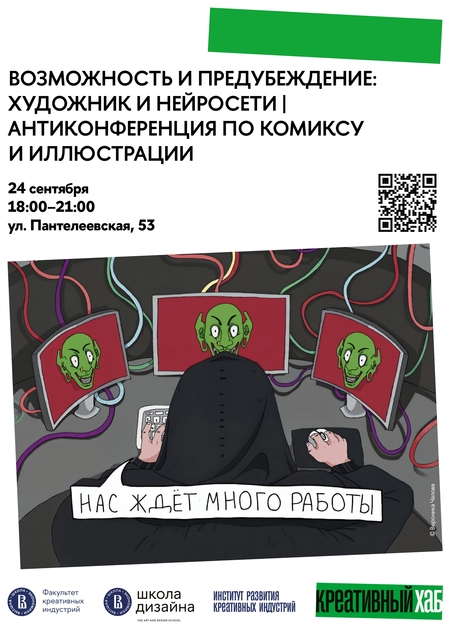
September 24, 2026, at the Creative Hub / HSE CREATIVE HUB, hosted the event «Possibility and Prejudice: The Artist and Neural Networks | Anti-conference on Comics and Illustration.»Here is a brief recap of the event.
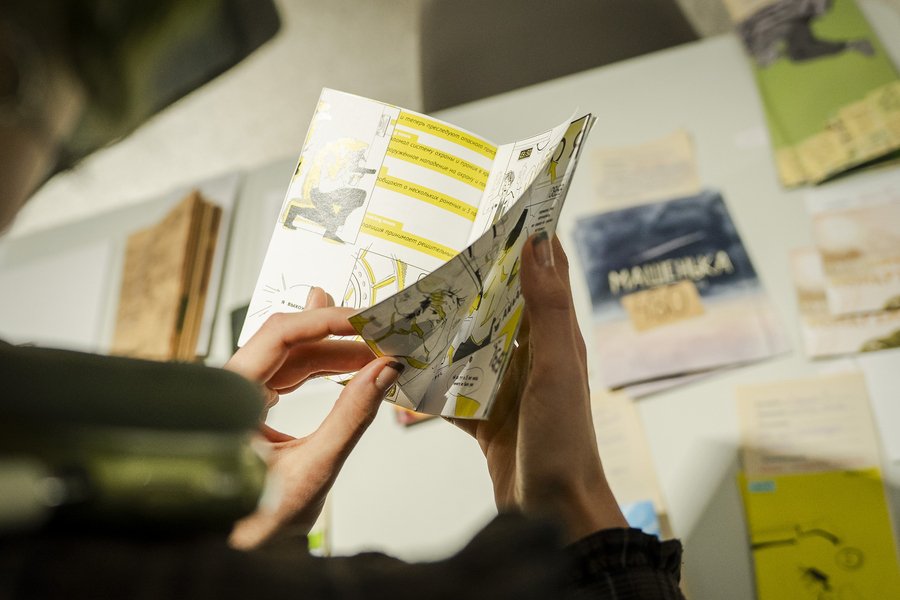
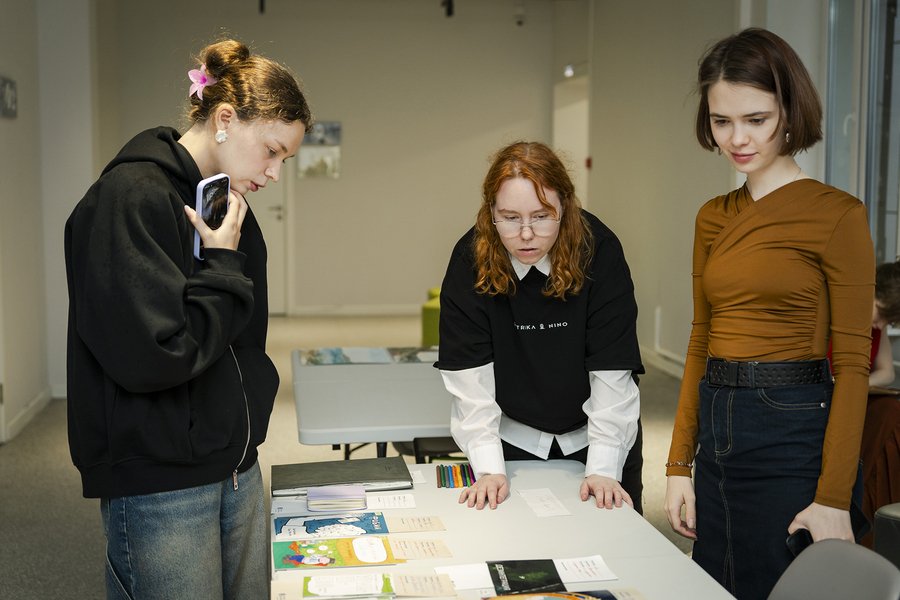
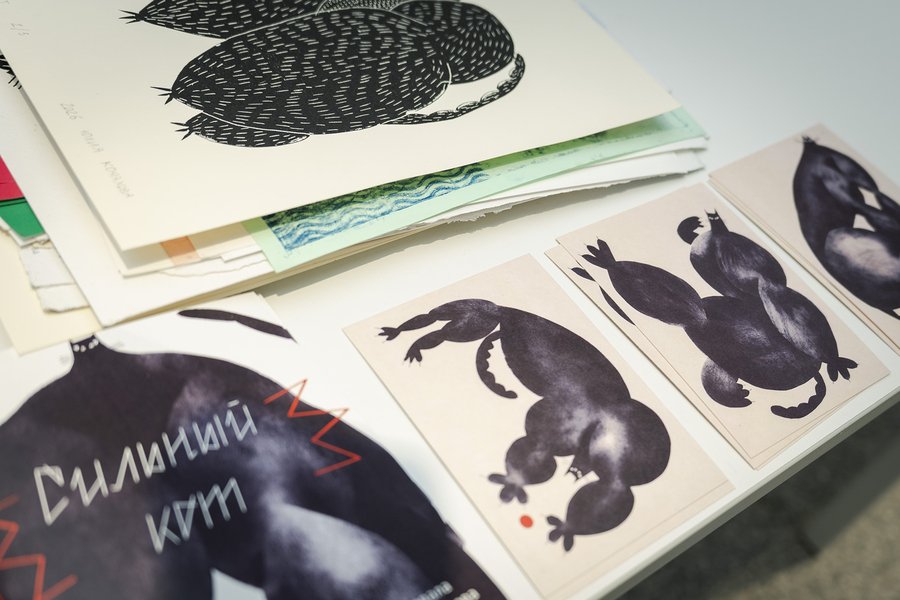
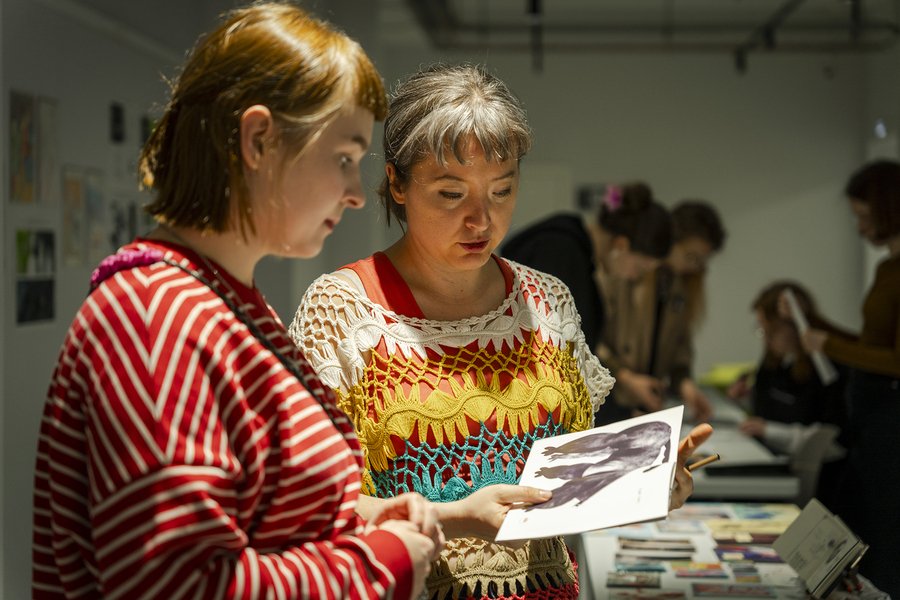
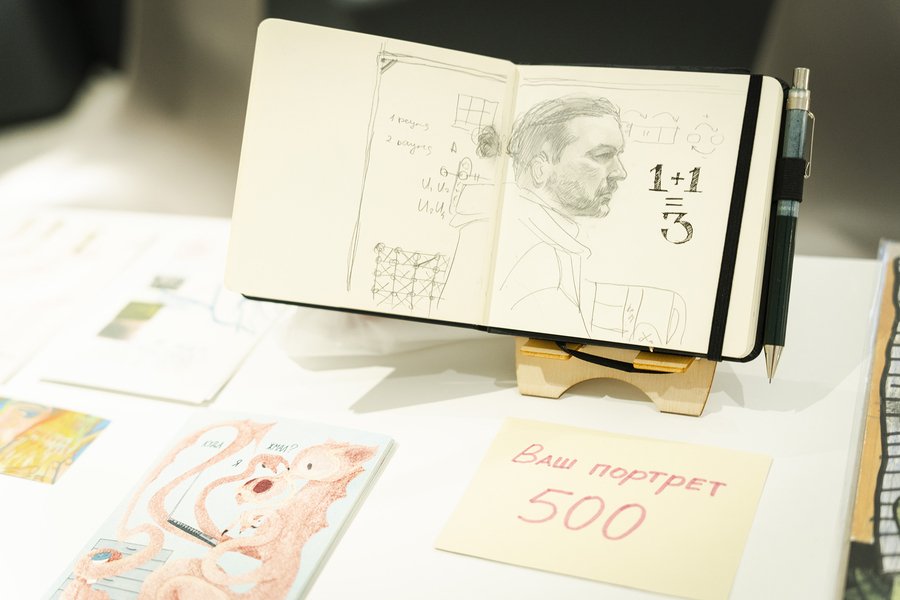
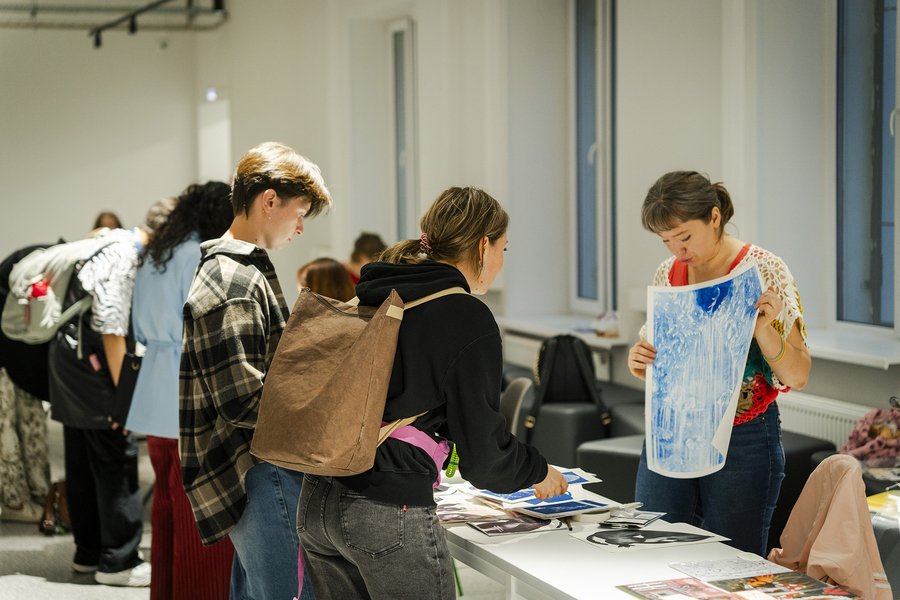
Starting at 6:00 PM, we hosted a market where illustrator artists showcased their work, and guests could purchase postcards, paintings, or portraits they liked—or simply support the artists and exchange contact information.
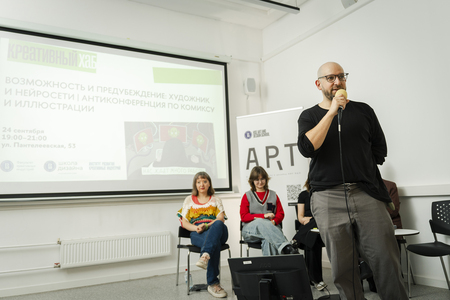
Vasily Kistyakovsky moderated the meeting. He is the curator of the «Illustration and Comic» Master’s program at the HSE Art and Design School, co-founder of the comic shop «Chuk and Geek» and the Jellyfish Jam publishing house, and a translator of the novels «Maus: A Survivor’s Tale,» «Here,» «Blankets,» and «Palestine.»Kicking off the event, he noted that participants would delve into a wide array of visual narrative fields—from the manual construction of large-scale sculptures and strict print standards to the emotional challenges of co-authorship and applied storytelling.
Giant Sculptures and Teamwork
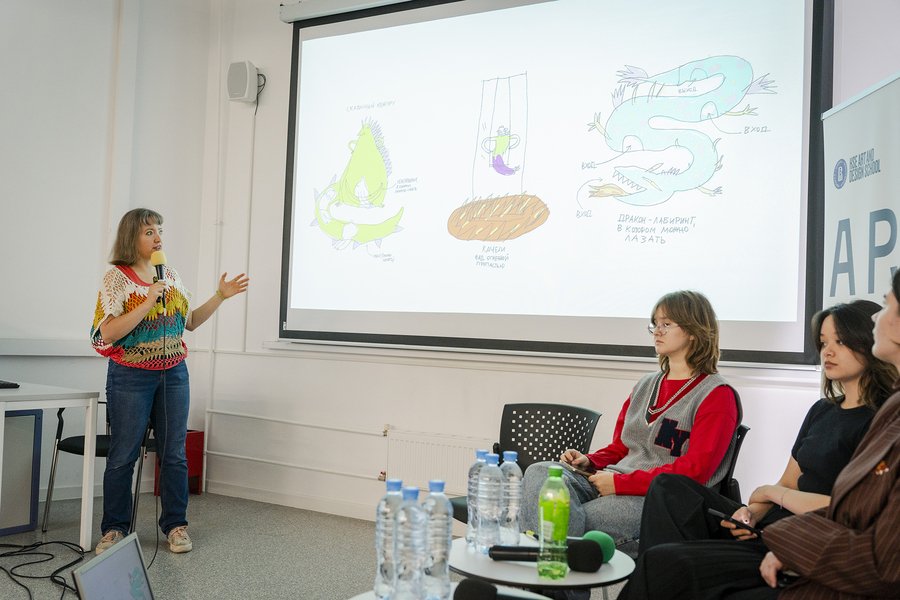
The first to speak was Yulia Konyakhova, an instructor for the online course «Illustration» at UNIC+, a lead instructor for the «Serene Drawing» project workshops, and an author of children’s master classes for the publisher Samokat. She is a graduate of the HSE Art and Design School Master’s program in the field of «Illustration and Comic.»The speaker shared her experience participating in an open competition hosted by the British School of Design, where artists were challenged to move beyond the confines of a traditional two-dimensional page and design large-scale interactive objects for a non-fiction spring book fair.Twenty authors were divided into groups based on similar concepts. Thus, Yulia’s sketch was transformed into a giant, interactive dragon inside which children could freely climb.
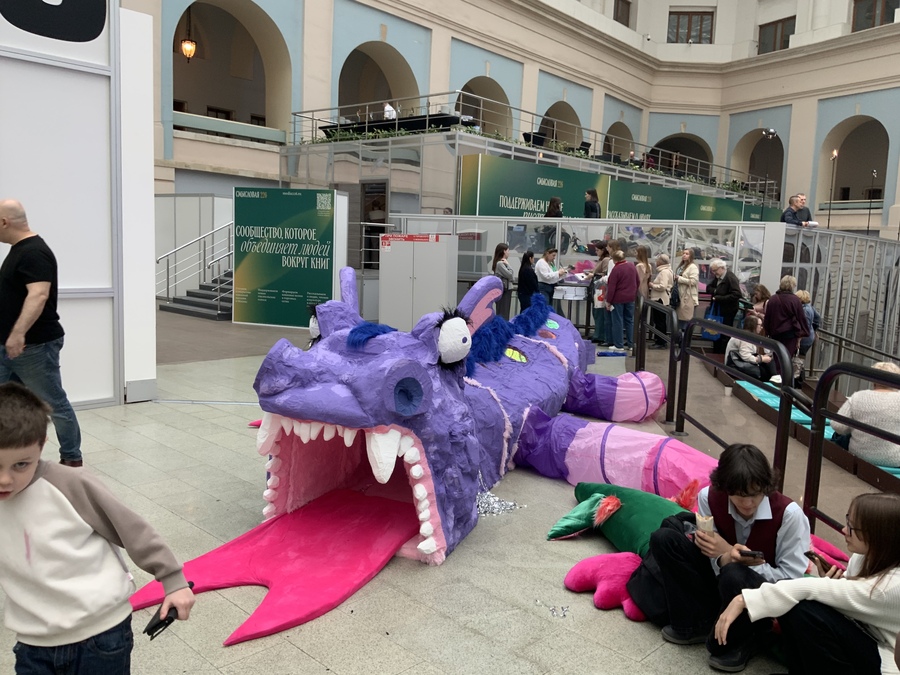
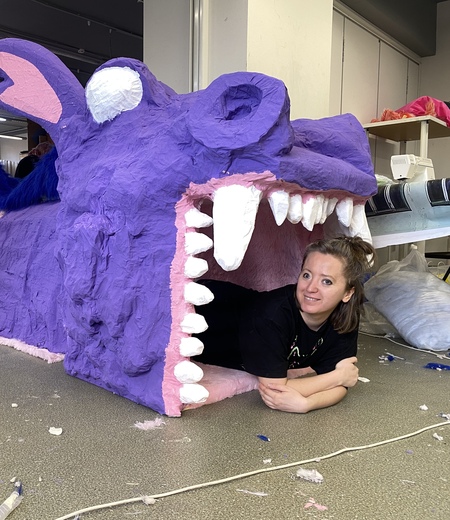
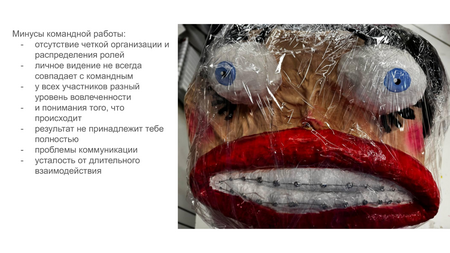
The primary construction material was the frame of a standard garden greenhouse, and the participants manually cut the headpieces and textured elements from construction foam board.The exercise exposed typical, though not uncommon, challenges within creative collectives: the absence of a formal leader and assigned areas of responsibility led to debates over minor details and slowed the entire process. Furthermore, the allocated budget of 15,000 rubles was insufficient for the team, so the overspending was covered by the architectural firm of one of the participants.«The diverse backgrounds within one team work wonders. If we didn’t have the architect in our group, we wouldn’t have understood how to draft the frame or how this greenhouse structure would even stand, ” smiles Yulia.
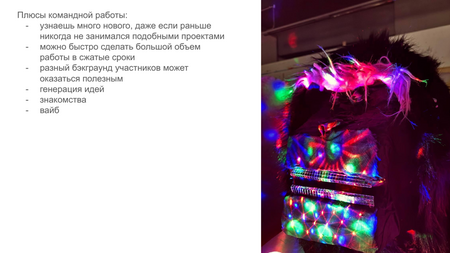
Nevertheless, the group’s interdisciplinary composition helped bring the project to completion. It was the architect on the team who professionally drafted the blueprints and calculated the structural integrity of the joints, allowing the artists to master unfamiliar engineering materials and gain rare spatial reasoning experience during a month of intensive weekend work.
«In such a large-scale project, I really wish someone would come in and provide clear instructions: who is responsible for what, and who is accountable for what. We had an entirely flat structure, and because of that, everyone’s vision of the work constantly diverged.»
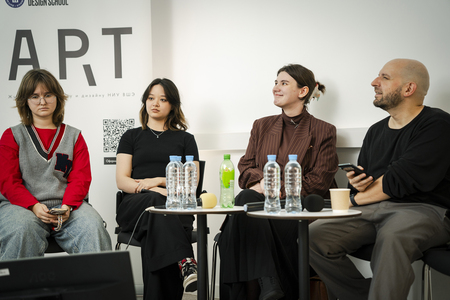
How Books Are Made in a Publishing House
Anastasia Baranova, a freelance editor for AST, designer, and Master’s student at HSE Art and Design School in the «Contemporary Teaching and Art Technologies» program, took up the theme of practical industry life.
Her presentation focused on the realities of working with illustrators and designers within large publishing holding companies that release books in millions of copies to the widest possible audience.
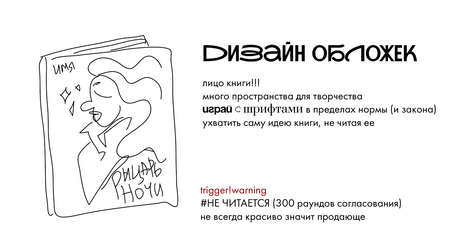
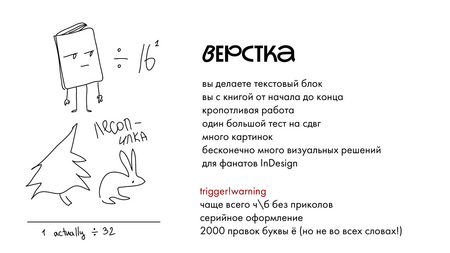
Anastasia detailed three independent production tracks: — layout of the text block — cover design — artistic illustration
These tasks are almost always performed by three different people who do not see each other during the work process.
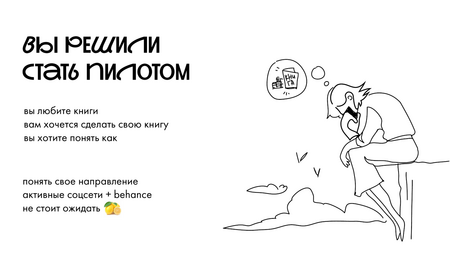
The speaker placed a particular emphasis on the technical aspects of layout in Adobe InDesign. Since book pages are assembled into signatures, the final volume of the publication must strictly be a multiple of 16 or 32 pages.
The typesetter resolves any text inconsistencies: they remove widows and orphans, adjust text flow, refine the typography, and add pages for endnotes if necessary. The cover, on the other hand, functions solely as a display piece and a commercial tool.
It must be readable instantly from a distance, harmoniously accommodate compelling blurbs, and withstand dozens of review rounds with the editorial and marketing teams.
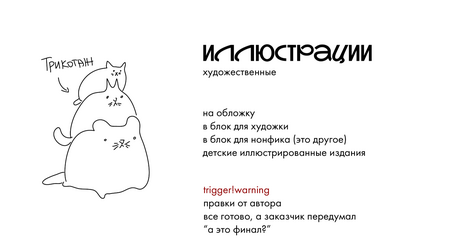
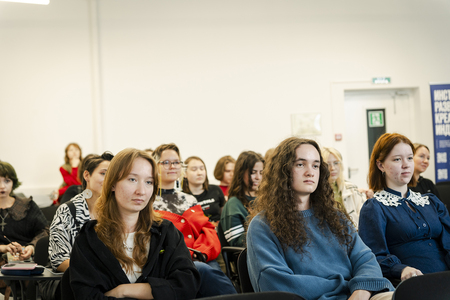
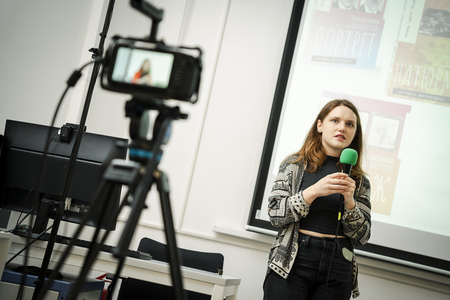
Speaking about neural networks, Anastasia emphasized that artificial intelligence in large publishing houses has only taken hold where high throughput speed and extremely low cost are critical—for example, in bulk generation of illustrations for cookbooks or practical handbooks. The speaker advised novice specialists to determine a comfortable working format, build a targeted portfolio, and contact editors directly.
«Large publishers have high staff turnover, and editors are constantly searching for new talent. Don’t be afraid to be the first to approach them and show your work. There are actually very few good specialists, and you are needed everywhere, ” she believes.
«The cover is the face of the book; it has to sell it. If during approval they ask you to replace a beautiful blue with gray, you’ll want to cry, but you’ll do it because the book is aimed at a specific buyer.»
Publishing Case Studies and Co-authorship Guidelines
Elizaveta Ryabina, Editor-in-Chief at AST-Nonfiction (Anthropos Editorial Office), offered the perspective of a publishing executive. She discussed how the publishing plan is formulated and the criteria editors use to select external contributors.
According to Elizaveta, the daily routine of the editorial office is dedicated to constantly balancing speed, cost, and quality. However, the key quality often sought in an illustrator is not so much virtuosic skill as predictability, communication skills, and adherence to deadlines: reliable authors are trusted with complex projects more readily, and technical errors are more easily forgiven.
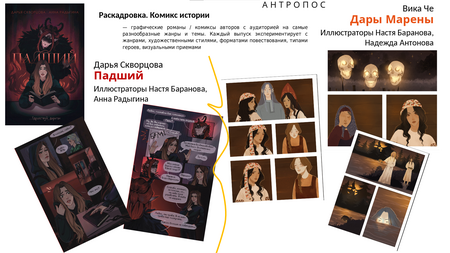
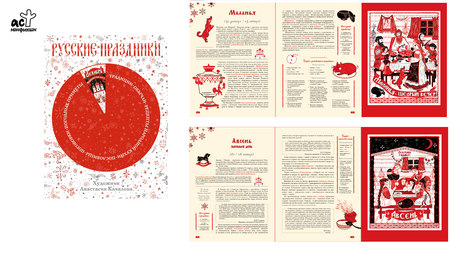
Discussing a real-world project involving a graphic book inspired by a popular reels series, the speaker pointed out a common vulnerability for illustrators: after the editor brilliantly deciphered the episodes and compiled the storyboards, the original creator abruptly insisted that a friend provide the final rendering. It’s not pretty, but you have to be prepared for that.
A few words were also dedicated to the barrier to entry in publishing marketing: full promotional push is reserved only for runs of 5,000 copies or more, so the editorial team evaluates the author’s network audience engagement even during the application approval stage.
Elizaveta views the idea of using AI in illustration with considerable skepticism. Models are not yet capable of carrying a recognizable character design—its facial expressions and plasticity—across dozens of pages and various angles. The constant generation of variants and the manual redrawing of flaws consume too much time; therefore, it is far more advantageous for the publishing house to collaborate with human artists.
«The editor always balances three things: speed, cost, or quality. They rarely align, so when you are searching for someone for a specific task, you immediately understand what sacrifice will be made right now.»
Pros and Challenges of Co-Creation
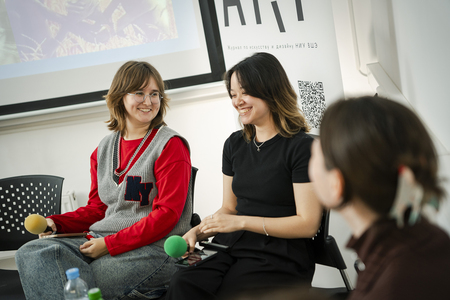
Faculty from the «Script» discipline at HSE Art and Design School, specializing in «Illustration and Comic,» along with comic authors and illustrators Eva Le and Kasya Rynka, shared their interesting experience working in tandem.
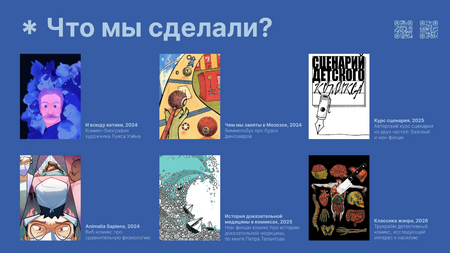
This creative duo has been collaborating fruitfully for five years. During this time, the artists have created a biographical comic about the life of Louis Wayne, a thesis illustrated story in the true-crime genre, a joint webcomic, and have also launched shared educational courses.
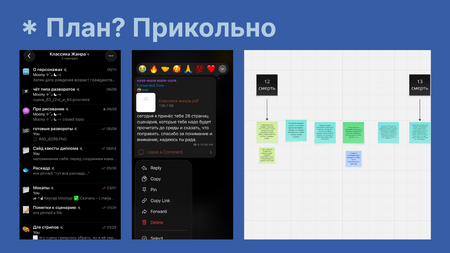
Speakers delved into the concept of psychological hygiene in collaborative creativity. They identified the most insidious trap when working with close friends as blurring temporal boundaries. Spontaneous discussions about plot revisions well past midnight inevitably lead to exhaustion and conflict. To preserve both the friendship and productivity, the creators established a clear protocol: they segmented their work chats by different projects and instituted strict days off during which professional topics are completely off-limits.
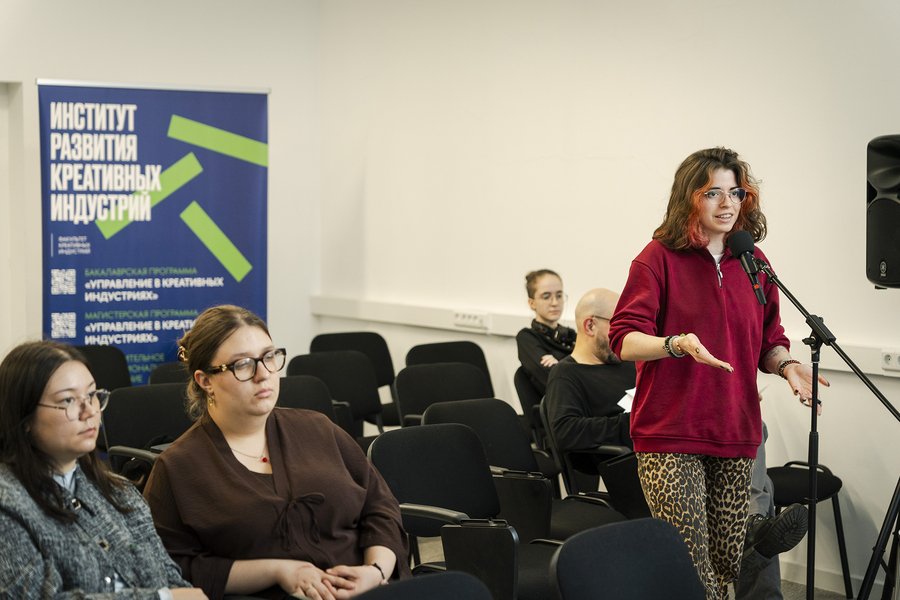
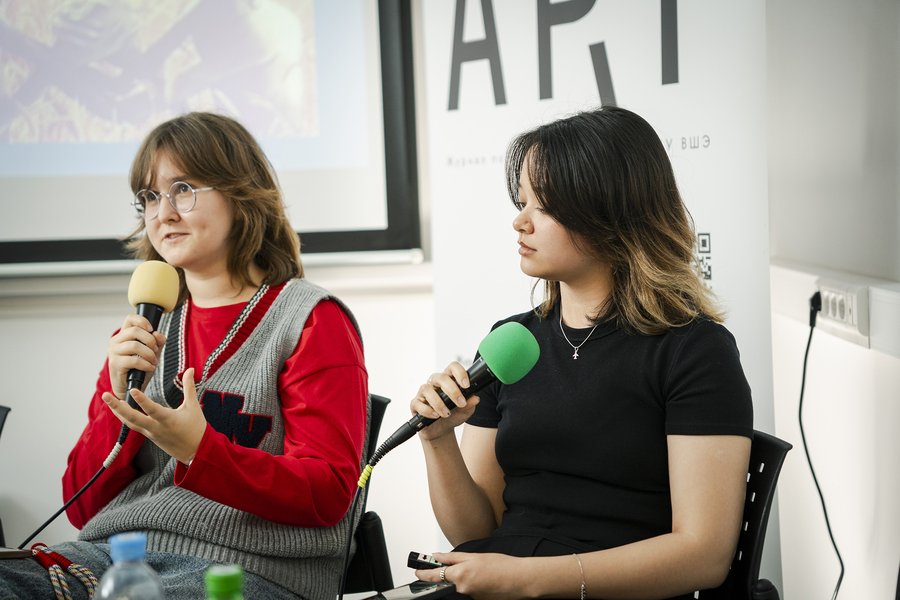
The responsibilities in the duo are naturally divided: Eva typically curates the script and the dramatic arc, while Kasya focuses on characters, character design, and visuals, and all fees are shared equally.Speakers warned novice writers against working without prior agreements: rights to characters and plotlines must be clearly discussed before starting a project, and it is best to test compatibility with small tasks lasting one or two months.
«When you work in pairs, two heads are more productive than one. One author will notice a plot inconsistency in time, while the other will suggest an unexpected technique or angle, covering up the partner’s weak points.»