ТОЛЬЯТТИ БОЛЬШЕ НЕ ДЕРЕВНЯ
АВТОВАЗ РОЖАЕТ ПЕРВЫЙ КРОССОВЕР AZIMUT
While we were praying to Chinese gods from the Celestial Empire, the men of Tolyatti finally got off their latches, took the Vesta platform, and jury-rigged their parquet to stop the neighbors in the parking lot near «Auchan» from laughing at the little boat on the hood. Naturally, when the entire country has grown accustomed to the fact that «Chinese» is not an insult but a standard for any neighborhood, the guys in Tolyatti finally woke up from their slumber: on September 25th, after noon, they will press that very button at the factory, and the Lada Azimut will crawl down the assembly line.
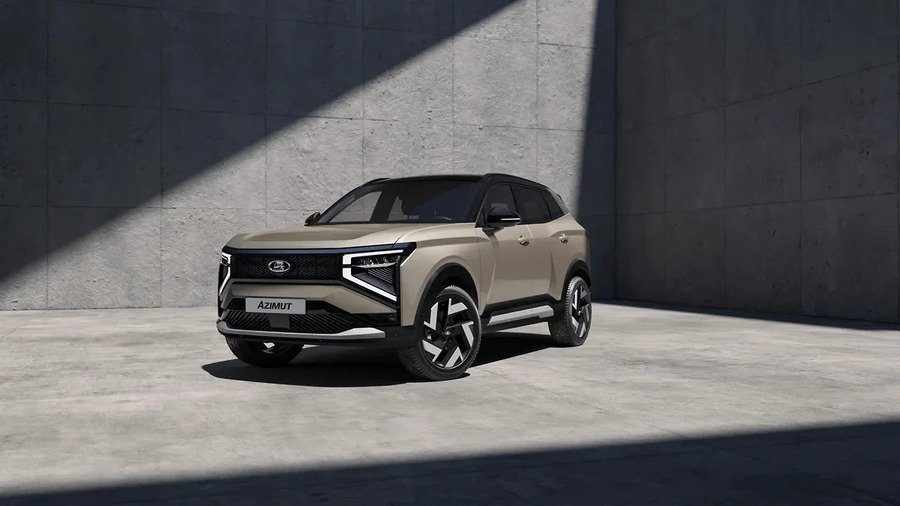
Better late than never. They took the Vesta platform—a vehicle we trust like a brother—which can be fixed with a hammer and duct tape, lifted it off the ground, and draped a crossover body over it. This is our answer to Chamberlain… well, to the Chinese auto industry. Under the hood, everything is still familiar: 1.6 (120 hp) and 1.8 (132 hp) engines, with manual transmission or a CVT for those tired of shifting. They promise a turbo and a proper automatic later on.
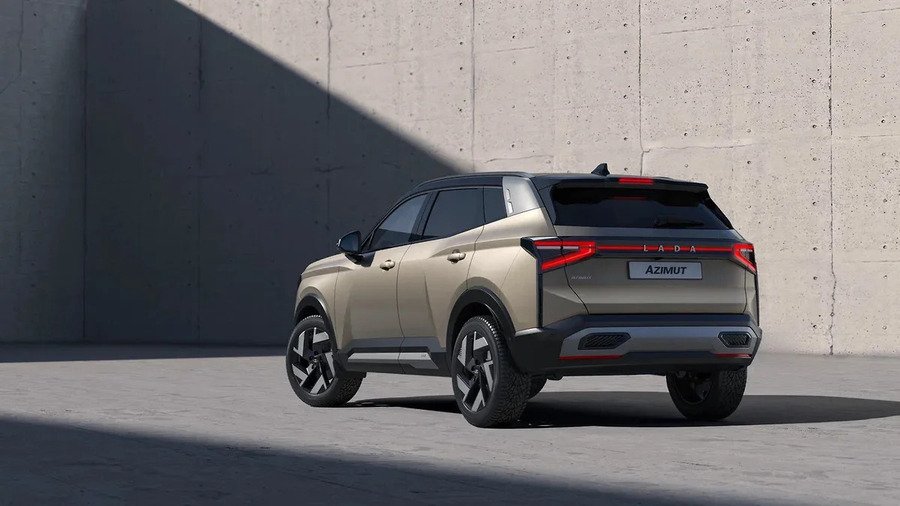
Who will be the first to pay the dealers? The most devoted cultists will be the first—those men from Samara, Ulyanovsk, and Penza who still believe that any foreign car will fall apart just from seeing some reagents. They need their own native SUV to drive to the dacha through knee-deep mud, proudly ignoring the fact that their neighbors have been doing this in Chinese cars for four years.
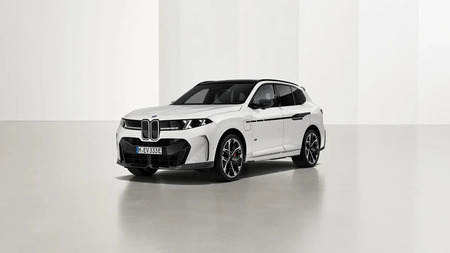
The second tier of buyers includes taxi fleets needing to update their vehicle inventory, but their budget is strictly pegged to the exchange rate of five years ago. This group also includes genuine urban thrill-seekers. These are the people tired of the monotonous flow of white and black Coolrays. Someone driving an Azimut down Kutuzovsky Prospekt will catch the surprised glances of BMW owners and think, «Yes, I bought a Lada. So what are you going to do about it?» This purchase isn’t about speed; it’s about ideology. We have learned to do what the entire world does—even if it’s five years behind the curve.