ТАЙВАНЬЦЫ, СОБИРАЮЩИЕ IPHONE, РЕШИЛИ, ЧТО АВТОМОБИЛЬ — ЭТО ПРОСТО БОЛЬШОЙ ГНУЩИЙСЯ ПЛАНШЕТ НА БАТАРЕЙКАХ
While you were waiting for the iPhone 18, Taiwan’s manufacturing giant, Foxconn, took a look at its factories and decided: what is the real difference between a smartphone and a machine? Today, both are just gadgets in different form factors. After partnering with the Saudi sovereign wealth fund for unlimited petrodollars, the team birthed the Ceer brand. And the result is audacious.
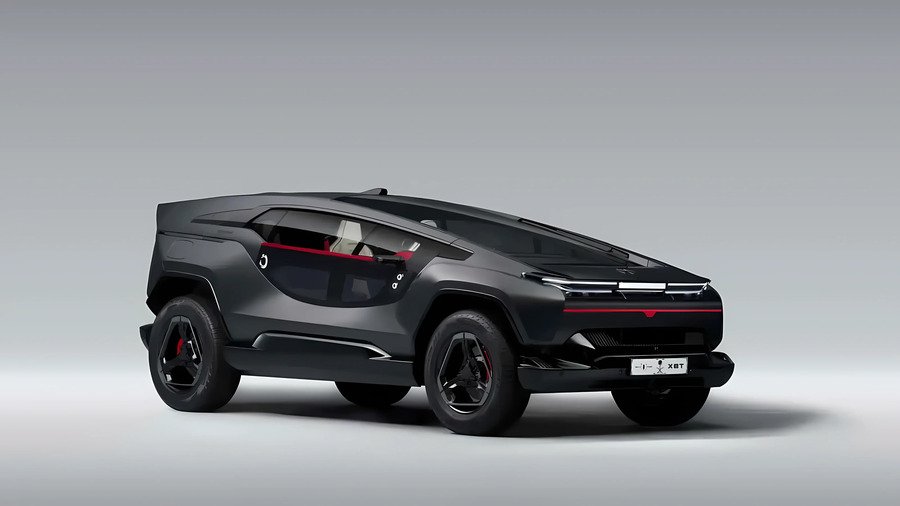
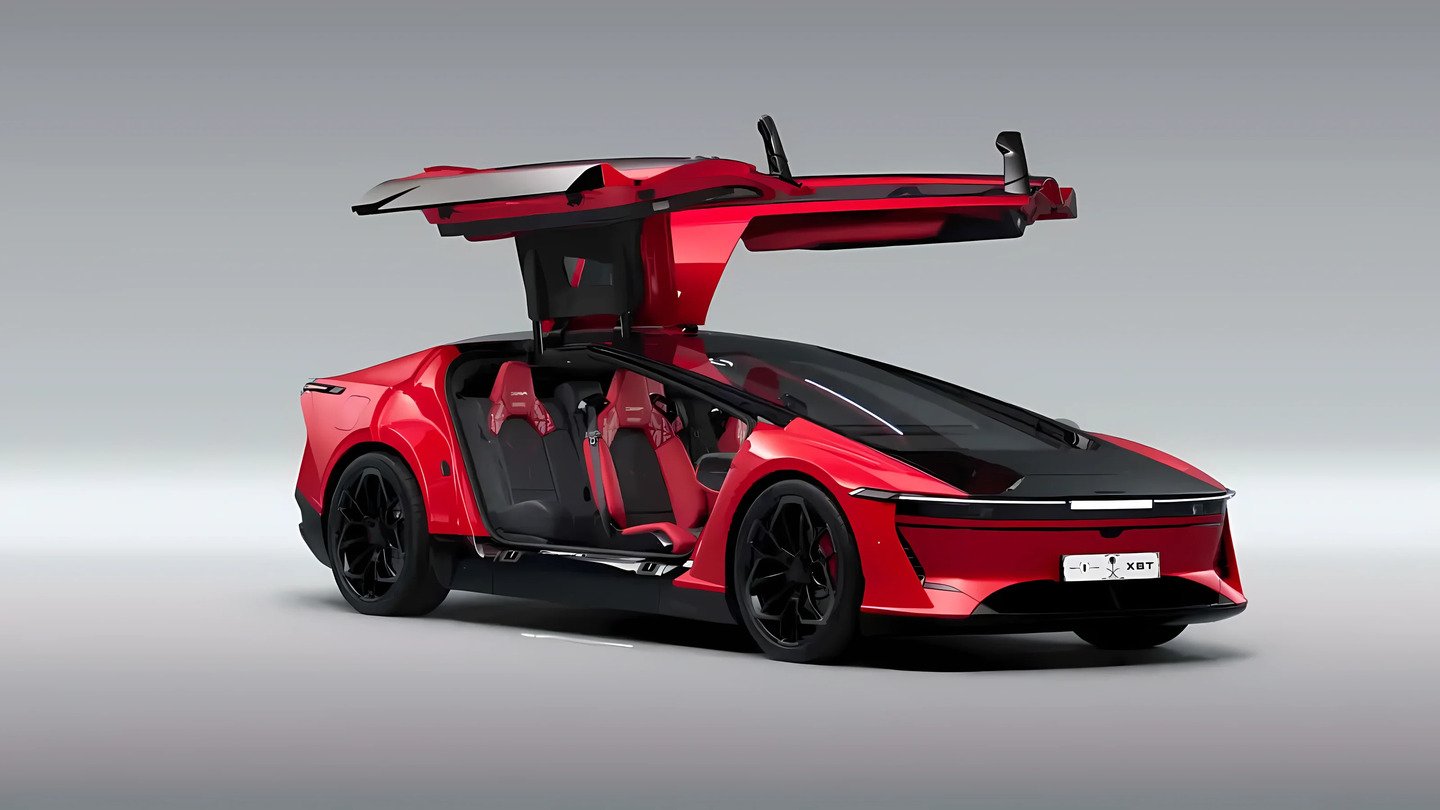
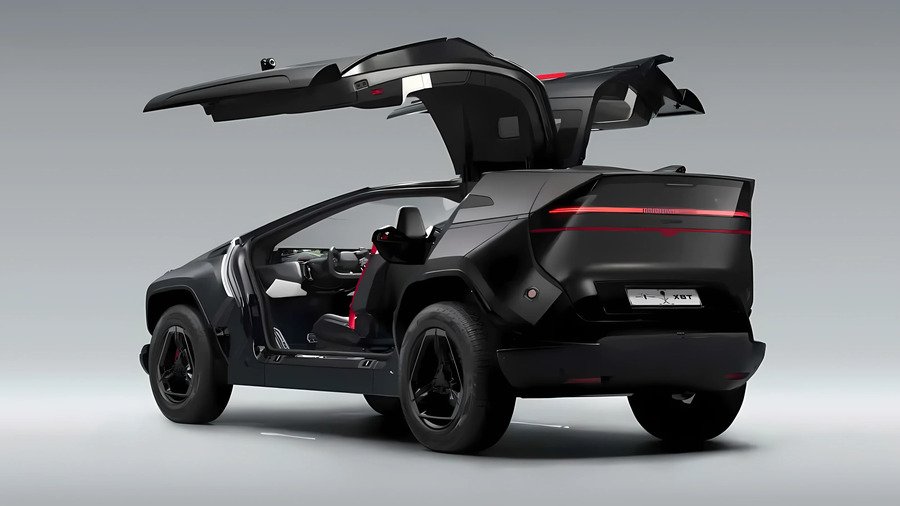
Saudi Arabia unveiled two series electric hyper-liners, the Exobot—a sedan measuring 5,260 millimeters and a crossover. The design is by former McLaren chief Rob Melville. Compared to his work, Elon Musk’s Cybertruck looks like a cheap tin can. The ultra-low, wedge-shaped nose widens toward the rear, and the nearly three-meter-tall gullwing doors demand perfect parking; otherwise, they could easily be clipped by a passing garbage truck. The windshield is the largest in automotive history. It extends 2.4 meters at a 15-degree angle—inside, you are literally seated in an aquarium. Beneath this glass spans a digital concentration camp the size of a gymnasium. Instead of a steering wheel, there is a helm, and a 48-inch, 8K resolution display stretches across the entire front panel.
But the main feature is hidden below. Foxconn brought in a setup with three electric motors totaling up to 1,111 horsepower and a Hyundai battery with a capacity of 112 kWh. The sedan catapults to 100 mph in 2.6 seconds, and the SUV does so in 2.9. The wired control system makes the steering sharp as a razor, the rear wheels steer for tight maneuvering, and the climate control drops the temperature from scorching 65 degrees to a comfortable 32 in just ten minutes.
The logic is flawless: if Foxconn can mass-produce millions of microchips and assemble complex foldable screens, bolting four wheels onto a battery for them is a task as simple as a children’s construction set. The Sheikhs provide unlimited budgets, and the Taiwanese bring world-class manufacturing processes. By 2030, this alliance plans to expand its lineup to seven vehicles, injecting eight billion dollars into the desert’s high-tech economy. It’s time for other automakers to start drying out: when the people who build your smartphones come to the auto industry with the Sheikhs' money, the old guard of engineers with their wrenches will simply die out like dinosaurs.