СЕКРЕТ ТЮНИНГА КЕЙ-КАРА — ХАРИЗМА И ИРОНИЯ
ЭТОТ ВИД ТЮНИНГА НЕ ПОХОЖ НА ОСТАЛЬНЫЕ
Kei cars—an automotive phenomenon that has long become part of the culture in Japan but is perceived as exotic here. Let’s examine what these little machines are, who buys them, which models have become legends—and most importantly, how young people around the world are transforming these «little guys» into showstoppers through tuning.
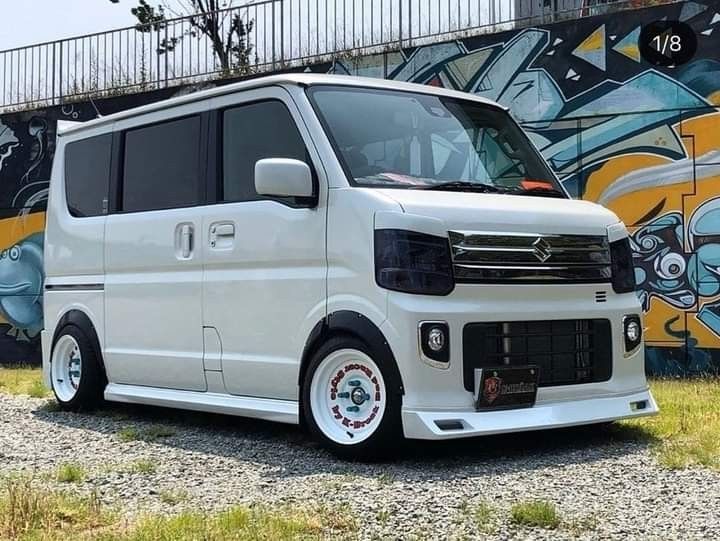
The Kei car (from the Japanese keijidosha, meaning «light automobile») is a strictly regulated class of vehicle. It cannot exceed 3.4 meters in length, 1.48 meters in width, have an engine capacity over 660 cubic centimeters, and its power is limited to 64 horsepower. These strict parameters did not emerge from a love of minimalism, but from practical necessity: after World War II, Japan was rebuilding, cities were expanding, and space for vehicles was becoming increasingly scarce. Consequently, Kei cars became the ideal form of transport for narrow streets and tiny parking spaces.
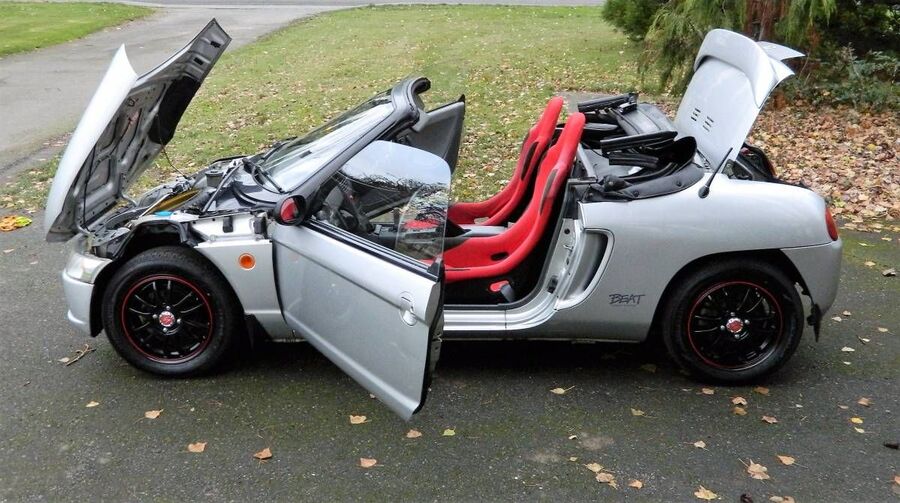
Who buys them? In Japan, almost everyone who needs a simple, low-maintenance vehicle purchases them. This includes young professionals who need to get to work without unnecessary expenses, families who need a compact car for daily errands, and even businesses—kei cars are used as shuttle vans. Outside of Japan, enthusiasts of JDM culture have taken a liking to kei cars: for them, it is a way to connect with a different automotive world where engineers achieved wonders under severe constraints.
Among kei cars, there are icons that young people adore. The Honda Beat is a roadster from the 90s that looks like a miniature sports car: light, rear-wheel drive, with an atmospheric engine that loves high RPMs.
Suzuki Cappuccino — another compact roadster, but with a clever design: it has removable roof panels, allowing it to function as both a coupe and a convertible.
Daihatsu Copen — a more modern version of «open-air pleasure»: a rigid folding roof and a turbo engine.
There are also more utilitarian legends like the Suzuki Kei or Honda N Box, which look like «cubes» stock, but reveal themselves in a completely new way through tuning.
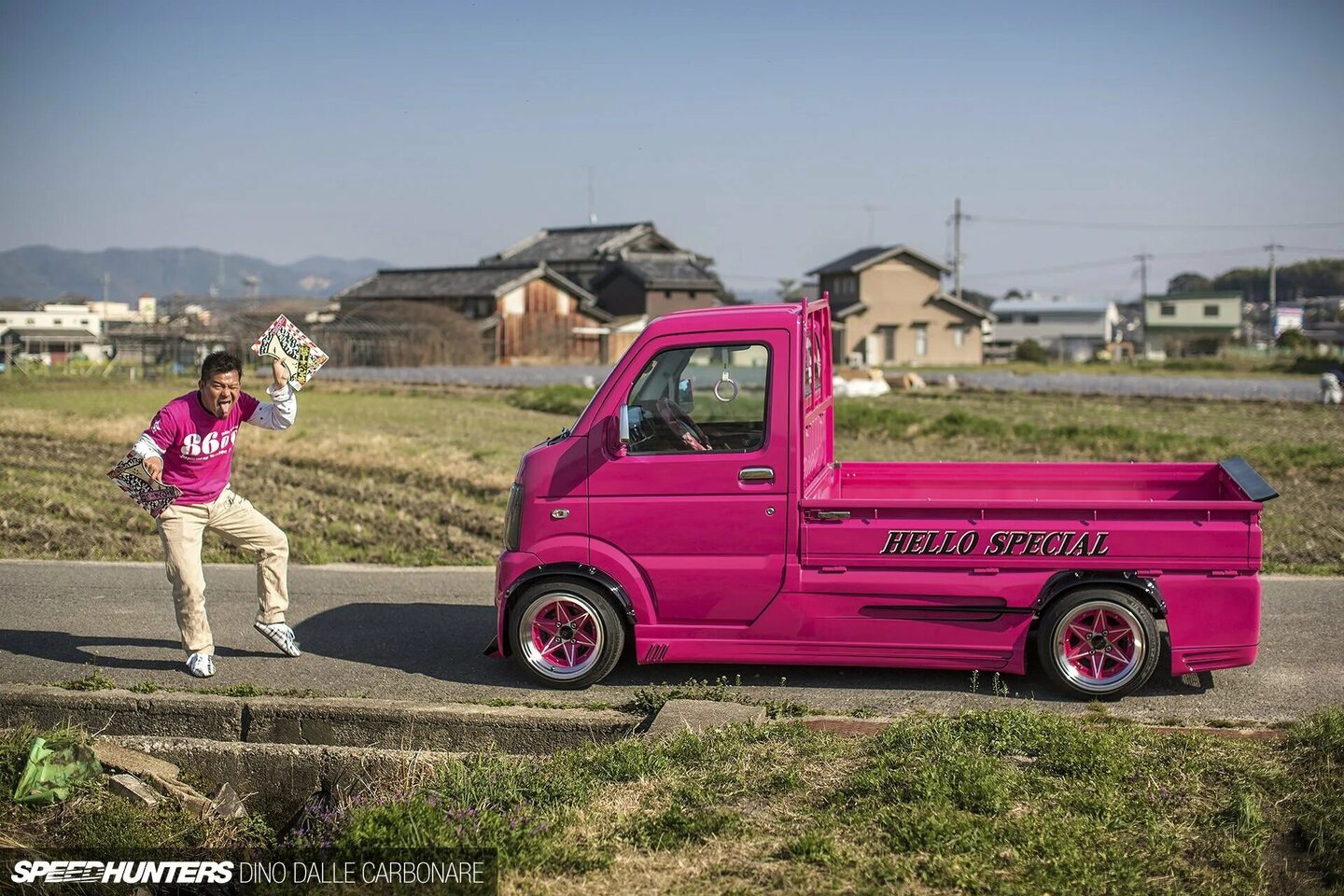
Since it’s impossible to extract more than 64 horsepower from the engine (otherwise the car loses all its benefits), customizing Kei cars is all about individuality and emotion. There are three main approaches, each solving a different problem. The first is the sporty style. The goal here is to evoke a feeling of speed and thrill. For example, the Honda N One RS from Mugen: sport bumpers, low-profile wheels, a dual exhaust, a sporty suspension, and bright interior accents. The car looks as if it’s ready for the track. Other projects follow a similar ethos—lowered suspension, aggressive body kits, roll cages, and racing seats—all of which create the atmosphere of a mini sports car.
The second direction is off-road style. Here, the keychain is intentionally transformed into a parody of a large SUV, and it works surprisingly well. The Suzuki Hustler Rough Road Style is a perfect example: increased ground clearance, off-road tires, plastic cladding on the wheel arches, a front skid plate, and bright paint with decals. The result is a miniature «all-terrain vehicle» that looks great against a natural backdrop and brings a smile to passersby. You can add roof cargo carriers, snorkels, and heavy-duty bumpers—and even if it doesn’t handle mud any better than a regular hatchback, it looks like an expedition vehicle in 1:2 scale.
Third—stylizing famous models. The designers take a keycar and transform it into a miniature version of a renowned sports car or luxury vehicle. For example, a Daihatsu Copen styled after a Porsche 911 (the Coperche 811 GT K project): lowered suspension, rear spoiler, flared bodywork, roll cage, stylized headlights, and even a nitrogen canister imitation.
Or the Suzuki Twin, heavily modified to resemble a Nissan Skyline GT R R32: extended fenders, aggressive bumpers, custom optics, air suspension, and a sport interior. Projects like these aren’t trying to be actual Porsches or Skylines—they lean into recognizability and joke, saying, «Look, this is almost a sports car—only better.»
Why is this captivating? First, it’s a challenge—to create something vibrant and noticeable within strict constraints. Second, it’s self-irony. A Porsche-style «kei car» is amusing, yet incredibly cool. Third, it’s a community where people value not just power and speed, but also creativity, attention to detail, and the ability to tell a story through a car. Kei cars aren’t about technical refinement; they’re about creating an atmosphere—be it sporty, adventurous, or simply fun. That is precisely why these little cars continue to draw attention on the streets and become the stars of photo shoots, videos, and, of course, youth social media posts.