
«ПО СОСТАВУ»
Как данные о тканях превращаются в решения для дизайнера
Media Concept
«BY COMPOSITION» is a professional media outlet focused on textile materials for emerging designers and small apparel brands.
The project helps designers approach fabric selection for collections thoughtfully, considering not only the appearance and cost of the material but also its composition, structure, properties, and behavior in the finished garment.
The core issue is that information about textiles is fragmented: technical specifications are found in supplier catalogs, recommendations are in professional sources, and knowledge regarding the material’s real-world performance is often based on the personal experience of specialists.
This media outlet synthesizes this information and translates complex technical details into accessible language for practical solutions.
Core Principle:
From fabric characteristics to its influence on the final product—to making conscious choices.
As the project develops, we propose an automated information processing system. Artificial intelligence aids in gathering, structuring, and comparing data, while the human remains responsible for verifying accuracy, evaluating physical samples, and providing final recommendations.
Data Sources for Media
Fabric Producers and Suppliers
Material technical passports, catalogs, and specifications. They provide information on fiber composition, density, width, weave, finish, and part numbers.
Professional Standards and Research
Fabric cost, availability, minimum order quantity, delivery times, and purchasing terms. This information is necessary to assess the possibility of using the material in a small collection.
The gathered information is consolidated into a single database. For every technical parameter, the original source, date of receipt, unit of measure, and degree of confirmation are recorded.
Regulatory documents and industry methodologies that allow for the correct interpretation of material properties and test results. For example, methods for assessing fabric size change after washing and labeling regulations for composition.
Original Material Research
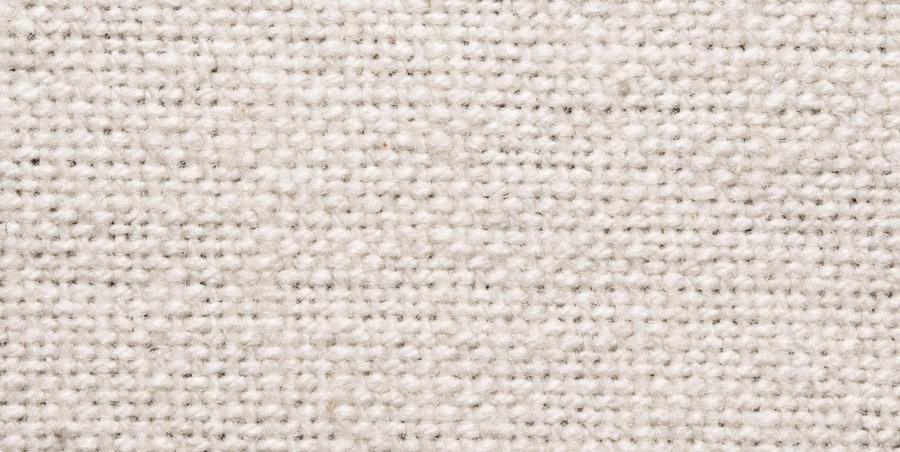
Physical fabric samples, macro photography of textures, transparency checks, draping, elasticity, and performance after washing. Results are accompanied by a description of the observation or testing conditions.
Expert Commentary
Information from technologists, engineers, and designers with practical experience working with various materials.
Commercial Data
Fabric cost, availability, minimum order quantity, delivery times, and procurement terms. This information is necessary to assess the possibility of using the material in a small collection.
The acquired information is consolidated into a single database. For each technical parameter, the original source, date of receipt, unit of measure, and degree of confirmation are recorded.
Data Schema: Human and Machine Processing
The system is based on a unified digital fabric card that contains information about a specific material.
Card Structure:
Name, article number, and supplier.Fiber composition and material structure.Surface density and width.Operational properties and test results.Cost and procurement terms.Potential areas of application.Source, date, and verification status for each parameter.
Computer Processing
Automated services perform operations involving large volumes of repetitive information. AI extracts characteristics from catalogs and documents, normalizes units of measurement to a common format, structures information into tables, identifies discrepancies, and generates preliminary comparative materials. The system can also create draft publications based on the prepared database.
Human Processing
The editor determines the reliability of the sources, verifies the initial characteristics, and interacts with actual fabric samples.
The human evaluates the tactile properties, draping characteristics, the material’s reaction to processing, and the fabric’s suitability for the specific product’s requirements.
After analysis, the editor interprets the results, verifies the AI’s recommendations, and makes the final decision on publication.
Final processing sequence:
Source Selection (Human) Information Gathering (Machine) Data Structuring (Machine) Verification (Human) Sample Testing (Human) Publication Preparation (Machine) Final Editing (Human).This system allows for accelerated information workflow while preserving expert accountability and content integrity.