КРУГ ПОЗОРА АВТОМОБИЛЬНОЙ ИНДУСТРИИ
ПОЧЕМУ АВТОКОНЦЕРНЫ МАССОВО ВОЗВРАЩАЮТ КНОПКИ
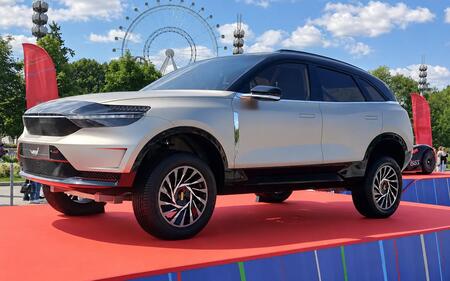
Remember the days when we used to laugh at our ancestors’ old cars with their clicking knobs? It seemed like the future was a seamless panel with no single protrusion, like a brand-new tablet screen. And car brands fell for it. They started a war on buttons. But now, Volkswagen, Mercedes-Benz, and Hyundai are changing their minds: physical switches are making a comeback. Let’s break down this carousel of technology.

THE CLICK AGE: 2010s
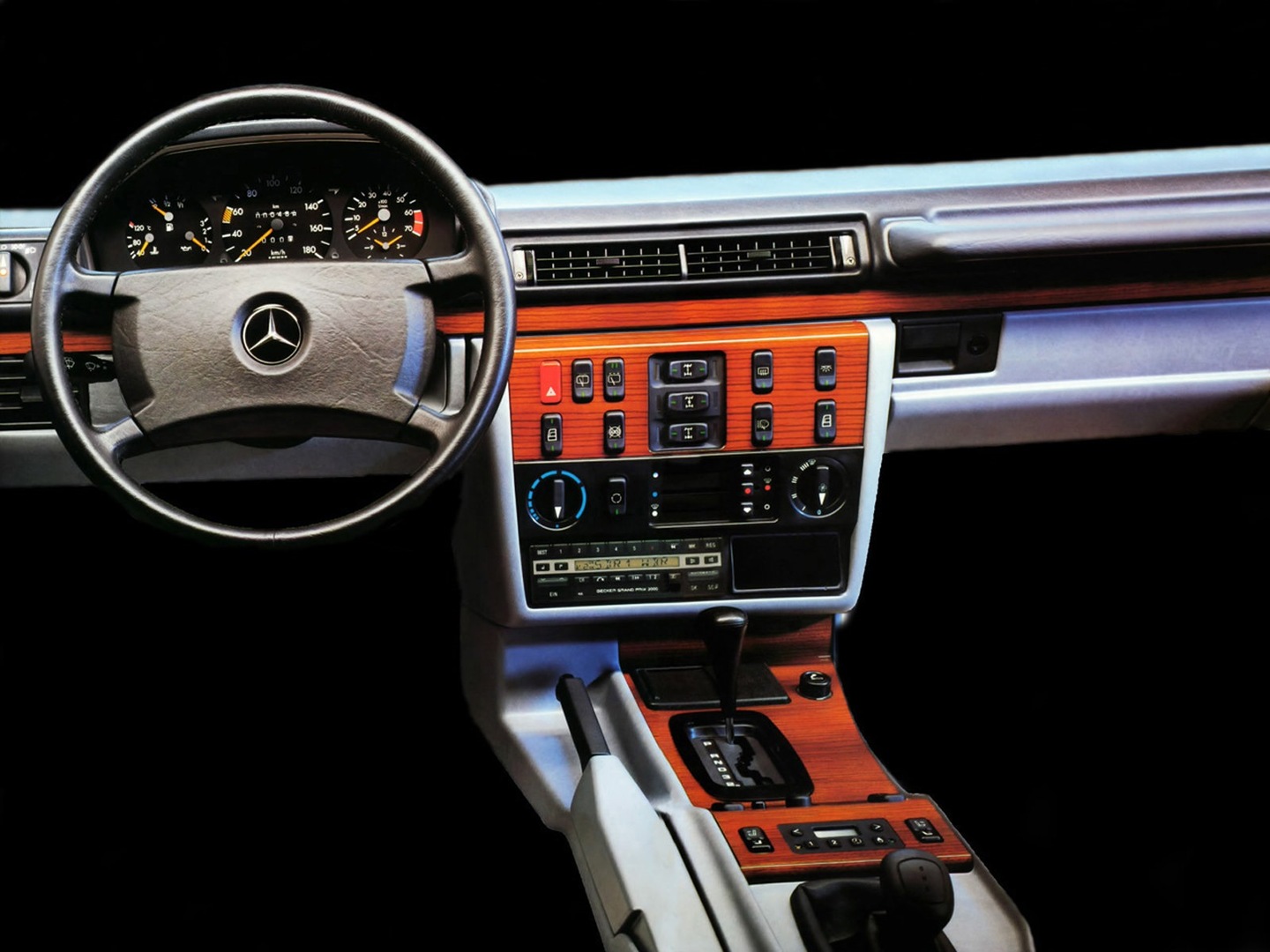
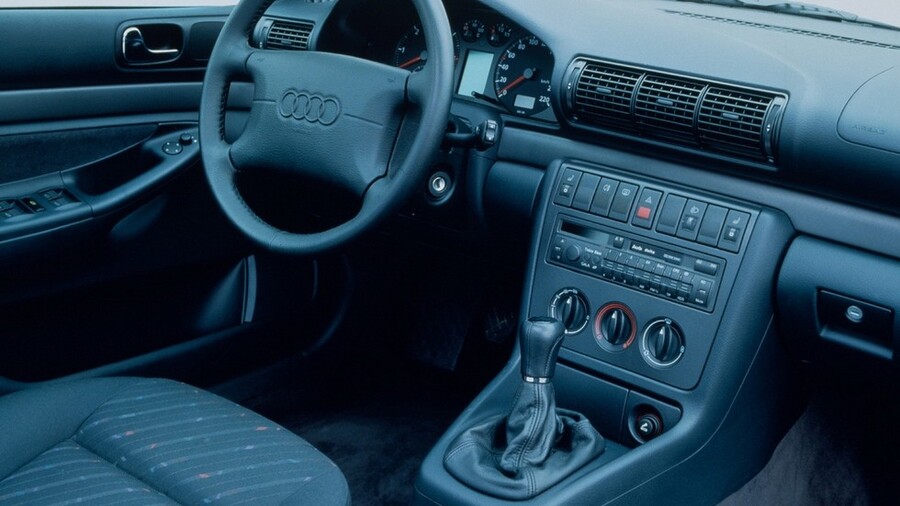
Initially, everything was conventional. In the 2000s and early 2010s, buttons were everywhere. Climate control, heaters, radio—you could configure your car blindfolded, without taking your eyes off the road. It was the golden age of ergonomics. You could feel every press with your fingertips. But then Steve Jobs came along with his iPhone, and the world turned upside down. Marketers thought, «Why are we worse off?» Car showrooms transformed into electronics stores. Buttons began disappearing under the guise of «clean interior lines.» First, the stereo went. Then, even the mirror settings moved onto the display. We felt like pilots in science fiction movies, but we lost the ability to turn up the volume just by reaching your hand to the right.
DARK AGES 2020–2024
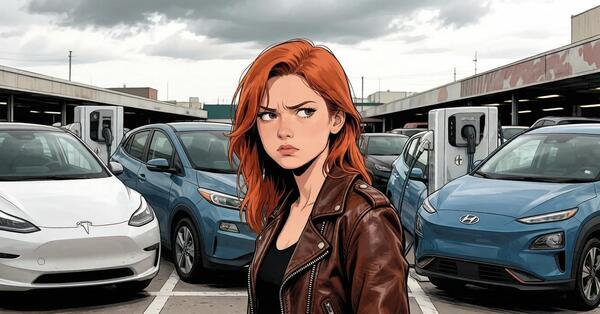
Then the engineers lost their way and removed everything. The Tesla Model 3 appeared, where even the glove compartment opened through the screen menu. The others followed suit. And so, we sacrificed safety. Imagine this scenario: winter, -20 degrees, you’re driving on the MKAD, and the window starts to fog up. Previously, you would simply swipe your finger toward the ventilation knob in two seconds. Now, you have to: 1. Get distracted from the road. 2. Tap the correct icon on the glossy screen (which is reflecting light). 3. Enter the climate submenu. 4. Select the airflow direction. 5. Return your gaze to the road. In those five seconds, at 100 km/h, the car travels almost 140 meters—effectively with your eyes closed.
FEAST OF MIND 2025 — OUR DAYS
Insurance companies have started ringing alarm bells: accident rates have risen precisely where function control shifted to touchscreens. Drivers crashed while trying to find how to turn off seat heating that burns their backside through winter pants. Volkswagen’s chief designer, Andreas Mindt, admitted in an interview: «The excessive focus on sensors was a mistake. There is no point in complicating access to the base functions.» Owners complained that it was difficult to access the temperature adjustment via the touchscreen—there was no tactile feedback. Subaru reintroduced physical buttons in the updated Outback, and fans nearly cried with joy. Meanwhile, Xiaomi proposed the SU7 with detachable mechanical control units. Corporations have realized: tapping a screen is convenient when you are lying on the couch, not when you are piloting a two-ton projectile.
THE SHAME CIRCLE OF THE AUTOMOTIVE INDUSTRY
Why did the industry fall into this state of disgrace? Because machines were designed by people who test them in a closed environment, not by delivery drivers trying to accept an order while wearing gloves on the move. How can we avoid such nonsense in the future? This is where the rule of three filters comes into play: 1. Safety Filter: If activating the windshield wipers requires more than one motion, redesign it. 2. Context Filter: Try adjusting the climate control while wearing winter gear on a bumpy dirt road. The sensor immediately loses to a physical knob. 3. Common Sense Filter: Basic functions (sound, temperature, emergency stop) must have a physical backup. No matter how much designers protest!