КАК ВЫГЛЯДЕЛ БЫ ROLLS-ROYCE НА РЕЙВ-ВЕЧЕРИНКЕ
КОРЕЙЦЫ ПОКАЗАЛИ ТЯЖЕЛЫЙ ЛЮКС GENESIS GV90
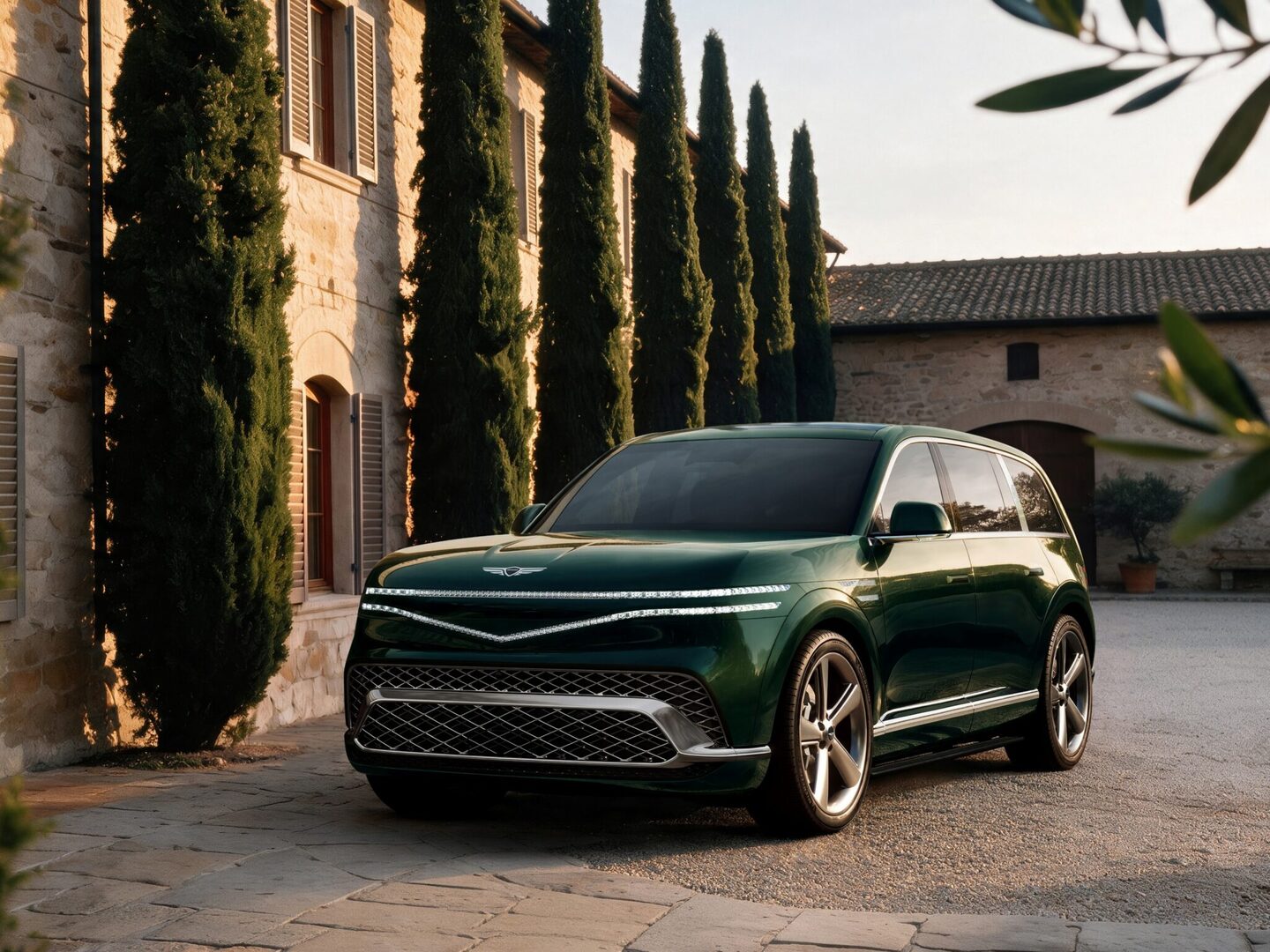
Genesis has finally stopped pretending to be just an expensive Hyundai. The Koreans have unveiled the massive electric GV90—a new flagship that is clearly aiming for the territory of Bentley and Rolls-Royce. Only instead of British aristocracy and the feeling that you might be served tea in a porcelain cup, they are offering an interior that resembles a futuristic VIP airport lounge and an exterior that looks like a spaceship.
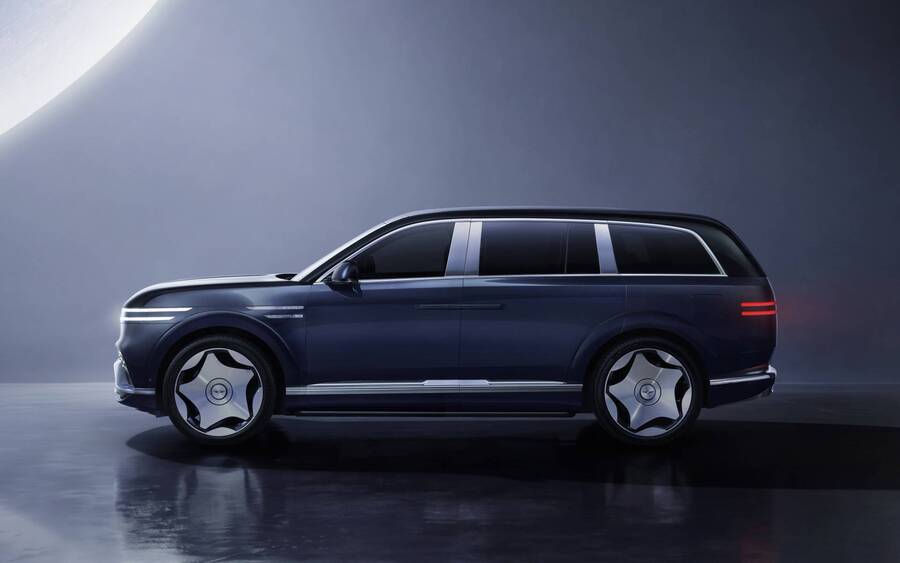
The front and rear doors swing open in opposite directions, and there is virtually no traditional central pillar between them. In other words, exiting the car feels almost as if you’ve arrived to receive an «Oscar,» even if you’re actually just picking up an order from a pickup point. Furthermore, this is not just a designer’s fantasy for a show—it’s a solution for a mass-produced vehicle.
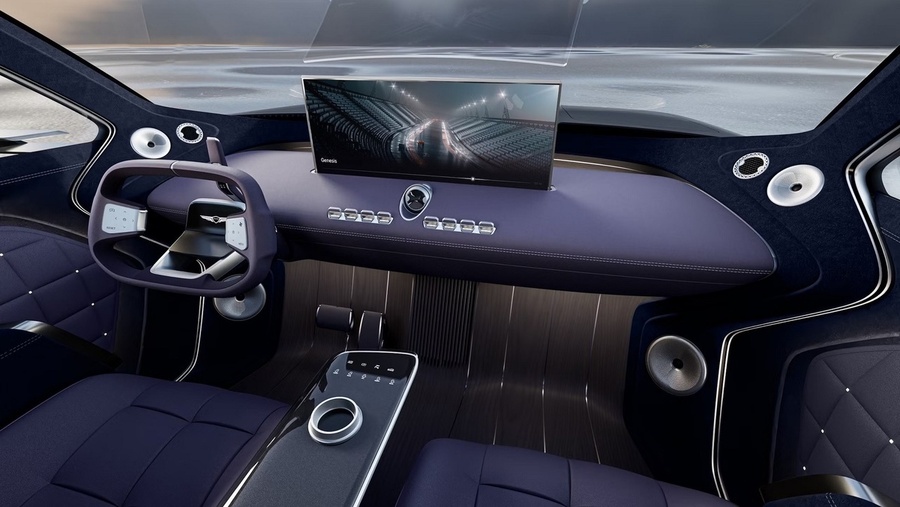
Corresponding dimensions: length exceeding 5.2 meters. The standard includes 24-inch wheels. Inside, you can choose from: wood, natural stone, wool, or cashmere. There is a four-seater version with massage chairs, a massive OLED display, a Bang & Olufsen audio system, and abundant ambient lighting. It seems the only thing missing is a person whispering, «Sir, your caviar sandwich is ready.»
The new release isn’t just an expensive, battery-powered sofa. Two electric motors generate 657 horsepower. The range of the seven-seater version is approximately 499 km, and charging from 10% to 80% at a powerful 350-kilowatt station takes only 22 minutes. It features an air suspension, and the rear wheels can steer five degrees to ensure this palace, which is over five meters long, doesn’t feel like a shipping container in a parking lot.
The most interesting thing here isn’t even the specifications. Genesis clearly decided that competing with Mercedes and BMW was getting too comfortable. The GV90 isn’t trying to sell mere premium; it’s aiming for ultra-luxury with a distinctly Korean character—a minimalist design inspired by traditional Korean ceramics, and instead of the classic «expensive-and-flashy» aesthetic, the focus here is on technology and a touch of futuristic daring.