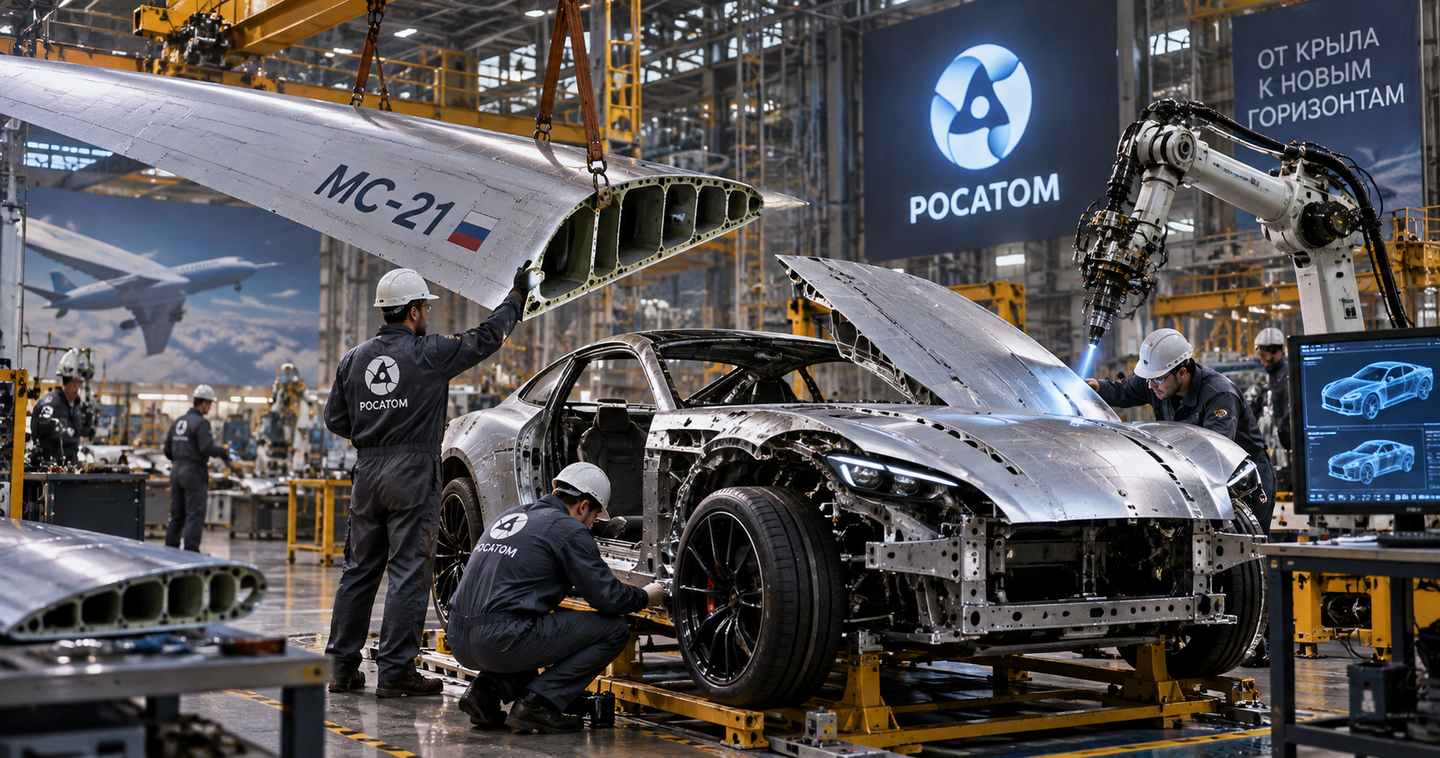
КАК СДЕЛАТЬ МАШИНУ ИЗ САМОЛЕТА
МАСТЕР-КЛАСС ОТ РОСАТОМА
At a Rosatom office, there was a wing from the MS-21. How did it get there? Well, due to sanctions, the state corporation was forced to start manufacturing aircraft parts. Then, the chief engineer—perhaps hungover or in a moment of absolute confusion—looked at it and said, «Guys, this is a complete hood.» In short, the corporation decided to make cars from the same material used to build airplanes.
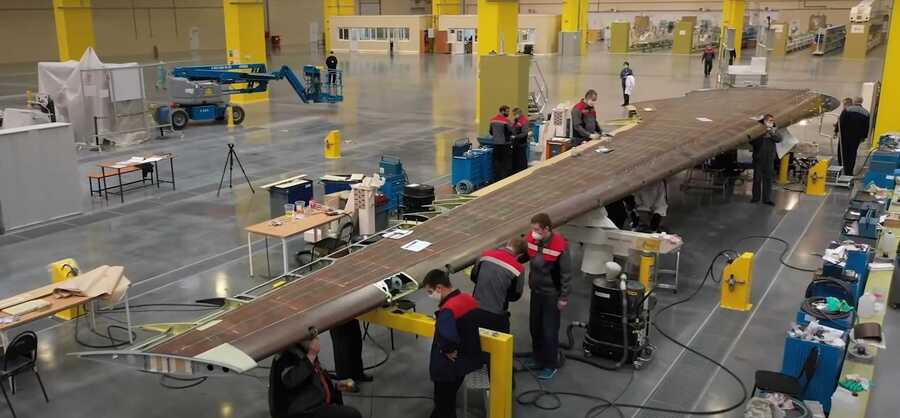
Forget stamping and welding. While other automotive factories are fabricating their metal tubs the old-fashioned way, Rosatom has arrived to say that we’re playing a different game now. For years, they have been developing composites for space and aviation—those carbon fiber materials that don’t burn, don’t sink, and are as strong as Tony Stark’s exoskeleton. The logic is simple: yesterday you were creating a material so a rocket wouldn’t disintegrate in the stratosphere; today you’re molding an electric car body from it that won’t rot until the Second Coming.
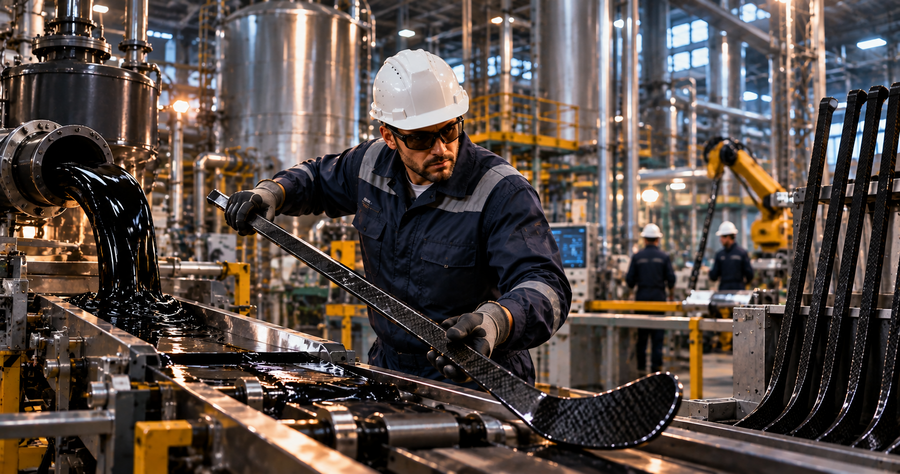
But the most compelling thing here isn’t even the materials themselves. The real genius is that Rosatom built this entire chain internally. No orders placed with Germans or Chinese. They have their own factories in Balakovo and Chelyabinsk, and their own PAN precursor (which is the base material for the fiber—it sounds like a spell from Harry Potter). In other words, they literally take oil, turn it into plastic, weave the plastic into a thread, bake it with carbon—and they get a component. Right now, somewhere in a factory, a guy is making a hockey stick out of oil that can withstand the impact of a puck traveling at bullet speed, and he has no idea that tomorrow this same piece of plastic could become the threshold for a new car.
Automakers have spent decades trying to make cars lighter, stronger, and cheaper. But any accountant faints when a designer presents them with a blueprint for a carbon fiber body. So, no one is going to turn a standard Lada into a Formula 1 racer. The point is different: to use these advanced technologies where metal simply falls short. For instance, a structural capsule for a battery in an electric vehicle to prevent it from exploding in the first accident, or body elements susceptible to corrosive agents.
Rosatom was compelled to control the entire pipeline—from the chemical molecule to the finished bumper—to ensure it was a deep violet that would withstand any sanctions from the hypothetical West. Previously, they were only known for nuclear power plants and nuclear technology, but now they are becoming leaders in future materials. The list of applications looks like someone just typed words down a list out of boredom: airplanes, ships, rockets, cars, construction, sports equipment. All that’s left is to design a composite stool. Although, knowing these guys, it already exists, is engineered to survive a meteorite impact, and weighs 300 grams.
Can they glue a car from plastic? Yes, they can. The question is whether this will become mass-market. Making a wing is easy. Creating a cool part for a concept car—now that’s a challenge. But making a million such parts for the price of a cast-iron skillet, so that a typical Vasya from Saratov can buy it on credit—that’s the potential. The next five years will show whether this high-tech will turn into a real automotive industry or remain a beautiful presentation for trade shows. But the fact remains: the material that was supposed to carry nuclear warheads through the atmosphere might one day drive you to a local grocery store. The most important thing is that the first production model doesn’t require enriched uranium for fuel.