Conceptualism.
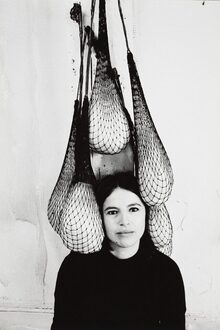
Conceptualism is an artistic movement in which the concept (idea) takes precedence over the material form. Every detail in a work of Conceptualism is meaningful; nothing is accidental. It emerged in Europe and America in the late 1960s and early 1970s. The primary goal of Conceptualism is to convey an idea rather than to create an aesthetic object.
Key characteristics of Conceptualism:
1. Primacy of the Idea 2. Dematerialization of the Art Object 3. Institutional Critique 4. Use of Language and Text 5. Emphasis on Process, not Outcome 6. Rejection of Traditional Craft and Style 7. Intellectual Engagement of the Viewer 8. Connection to Philosophy and Analysis
Marcel Duchamp and his readymades are considered a precursor to Conceptualism. This movement also gained prominence in the USSR, with Ilya Kabakov being a key figure of Moscow Conceptualism on a global level.
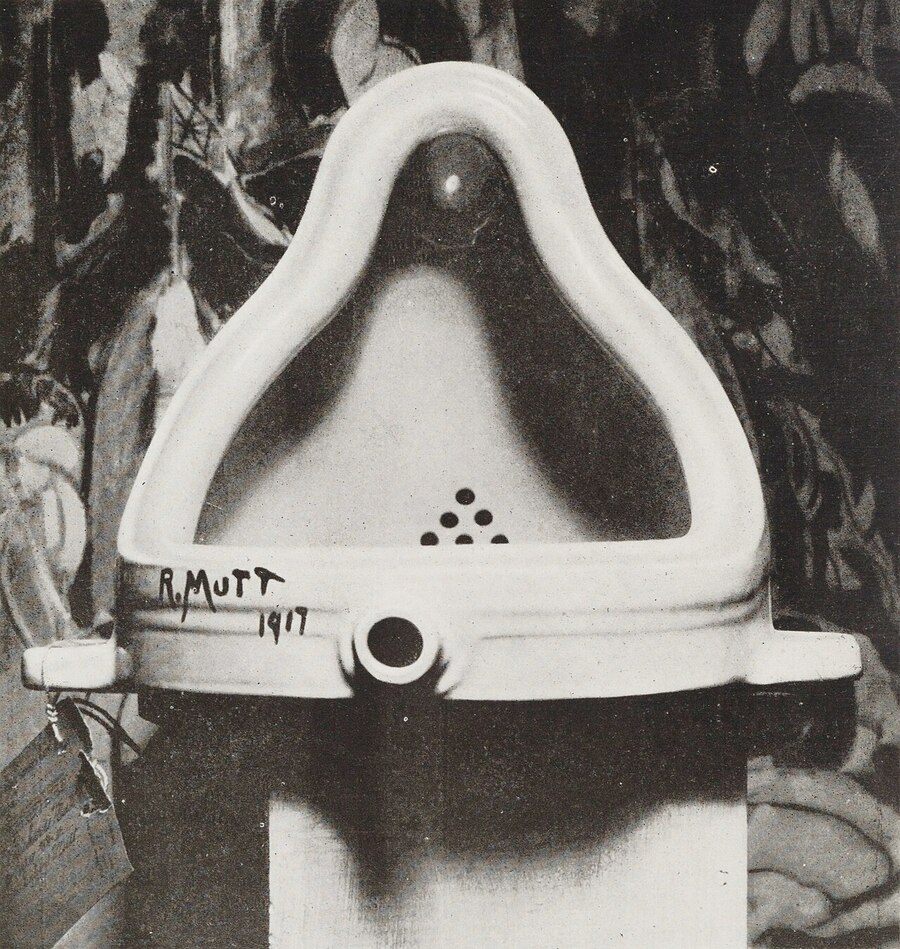
Marcel Duchamp, Fountain
Key Figures of Conceptualism:
Sol LeWitt
Sol LeWitt — An American artist, author of the text «Paragraphs on Conceptual Art» (1967), which articulated that in conceptual art, the most important aspect of a work is its idea or concept.
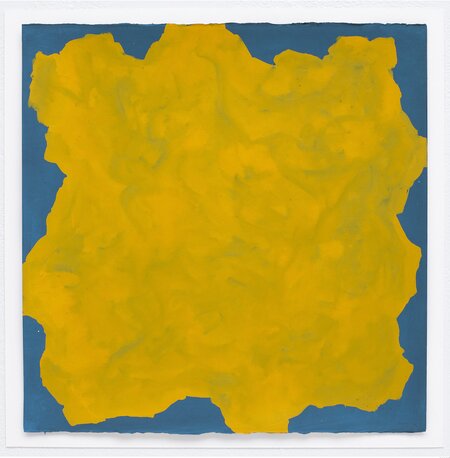
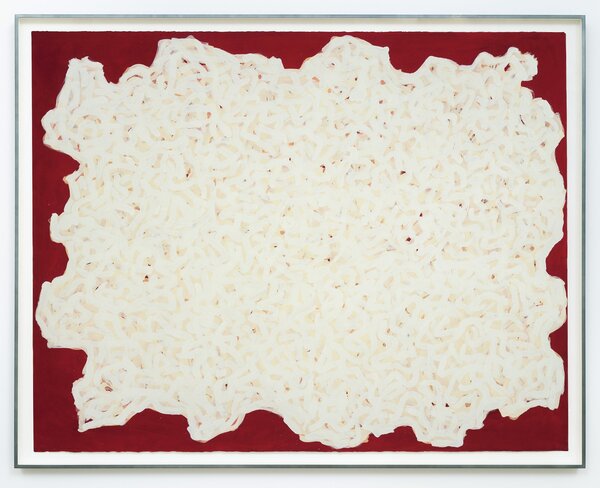
1. Sol LeWitt, Irregular Form, 1998 2. Sol LeWitt, Irregular Form, 1997
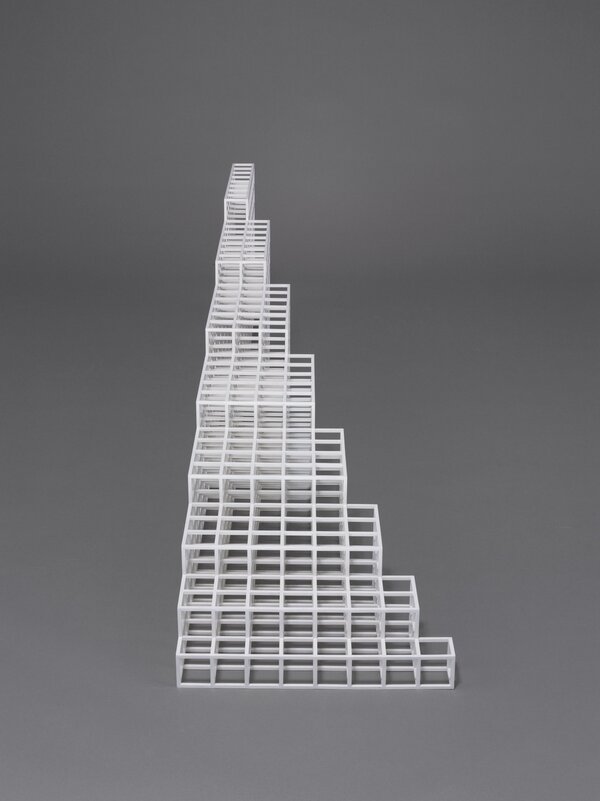
Sol LeWitt, Horizontal Progression #4, 1991, aluminum painted white
Lawrence Weiner
Lawrence Weiner — An American conceptual artist who uses text as a primary element. His «Declaration of Intent» became a manifesto and an important document of conceptual art.

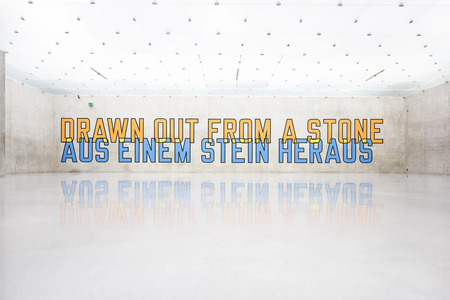
1. Rose F. Kennedy Greenway Conservancy, Boston, 2015 2. Wherewithal Kunsthaus, Bregenz, 2016
Joseph Kosuth
Joseph Kosuth — An American artist, one of the founders of Conceptualism. In 1965, he created the seminal work «One and Three Chairs,» which consisted of a chair, a photograph of the chair, and a dictionary entry defining the word «chair.»
Joseph Kosuth, Four Colors Four Words, 1966
Joseph Kosuth, One and Three Chairs, 1965, Museum of Modern Art, New York
Ilya Kabakov
Ilya Kabakov — A central figure of Moscow Conceptualism. His works are often constructed as installations that recreate fragments of Soviet everyday life and collective consciousness.
«Tomorrow We Fly», exhibition in the Tel Aviv Museum of Art, 2023
Ilya and Emilia Kabakov, Installation «The Life of Flies» (Hall 2). Kunstverein, Cologne, 1992.
Andrei Monastyrski and the «Collective Actions»
Andrei Monastyrski and the «Collective Actions» group — Focused on performative actions and their documentation. Their art unfolded in time and space, with anticipation, participation, and the subsequent recording of events becoming its primary material.
Collective Actions
Theoreticians of Conceptualism
The key theoretician of American Conceptualism is Sol LeWitt, whose «Paragraphs on Conceptual Art» (1967) became the movement’s manifesto. In it, he proclaimed the principle: «The idea becomes a machine that makes the art.» Another central figure is Joseph Kosuth, author of the influential essay «Art after Philosophy» (1969), where he argued that art should investigate its own essence through language and definitions, rather than through aesthetics.
What Influenced the Development of Conceptualism
The development of Conceptualism was influenced by three main forces: firstly, Marcel Duchamp’s readymades, which shifted the focus from the handcrafted object to the artist’s intellectual choice; secondly, Minimalism, which stripped the object of expression, paving the way for dematerialization; and thirdly, the philosophical turn of the 20th century, particularly the interest in linguistics and semiotics, which led artists to analyze art as a system of signs.
The Influence of Conceptualism