BMW ART CARS. ЧАСТЬ ВТОРАЯ
ЕЩЁ ПЯТЬ МАШИН, ИЗ-ЗА КОТОРЫХ ХОЧЕТСЯ И РИСОВАТЬ И ЗАПИСЫВАТЬСЯ В АВТОШКОЛУ
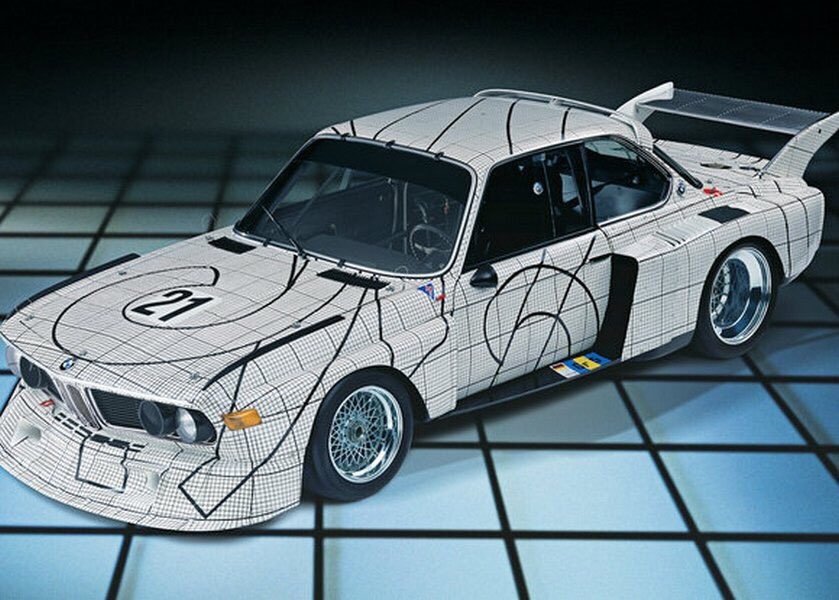
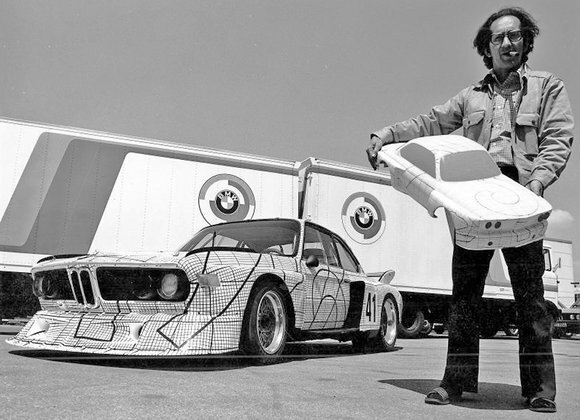
Let’s start with Frank Stella’s 1976 BMW 3.0 CSL. After Calder’s explosion of color, everyone was expecting something even more radical, but Stella delivered the complete opposite: a black-and-white grid, one identical to a notebook paper magnified a hundredfold. The artist deliberately abandoned his usual chaotic style, transforming the body into something resembling an engineering blueprint, where every curve and dent was honestly rendered by the grid lines—he called it a «drawing transferred directly onto the body.» In the race, the car quickly left the track due to an oil leak, but it firmly cemented itself in art history.
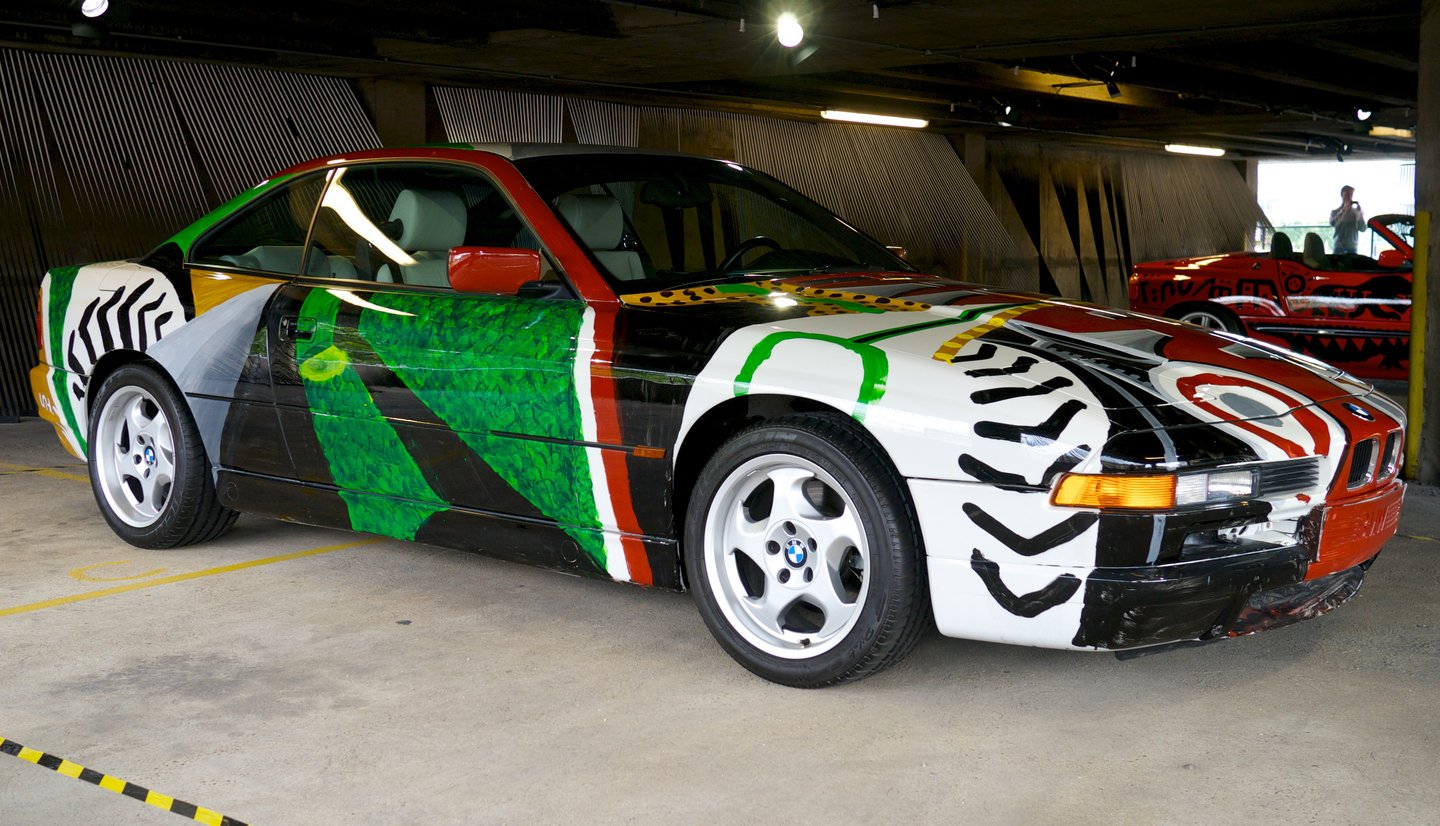
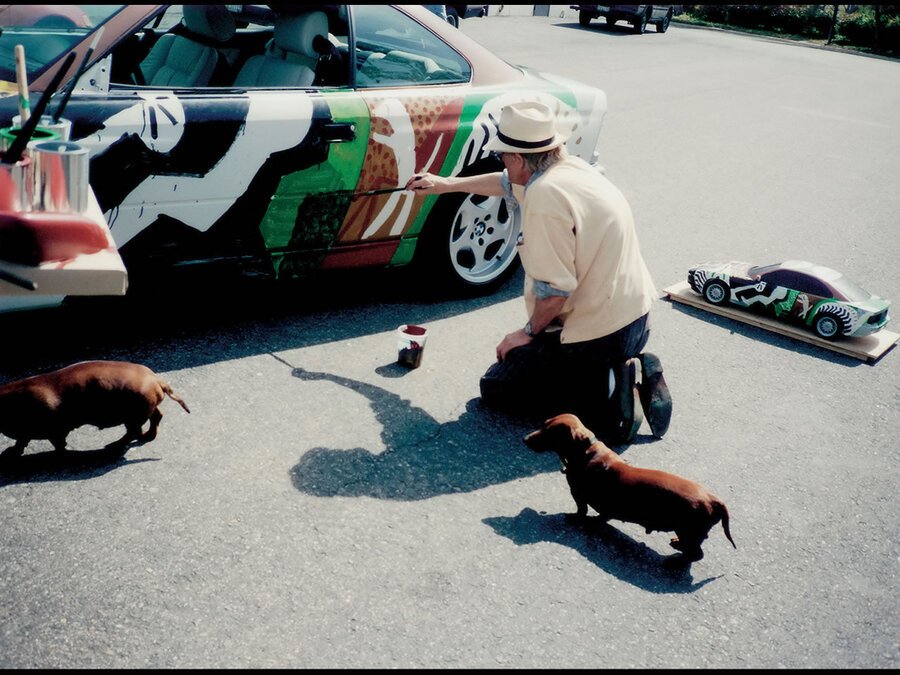
Next up is David Hockney and his 1995 BMW 850CSi—and here’s where the real circus begins, or rather, the scene with dachshunds. Hockney decided to depict the car as if it were cut open: a stylized engine intake manifold on the hood, the silhouette of the driver on the door, and his own dachshund, Stanley, added by the artist into the back seat. The result was an X-ray car, which, incidentally, never participated in races or drove on the road—it was conceived from the outset solely as a museum exhibit.
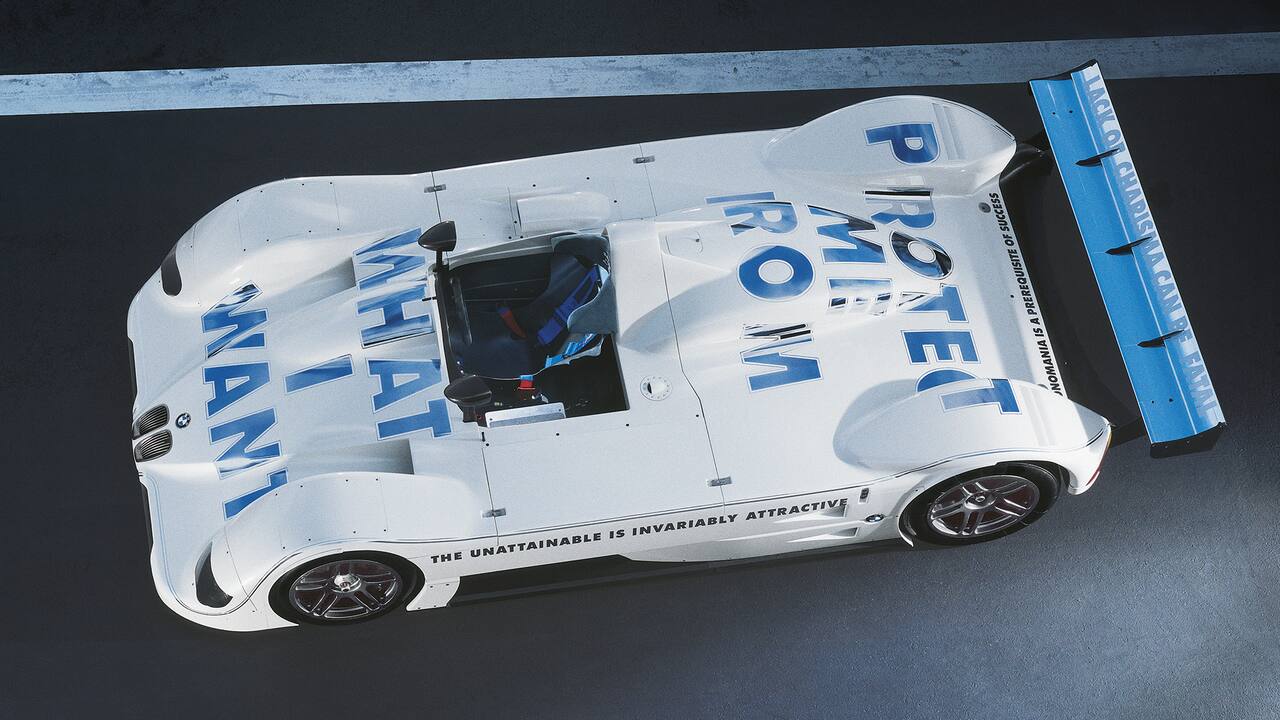
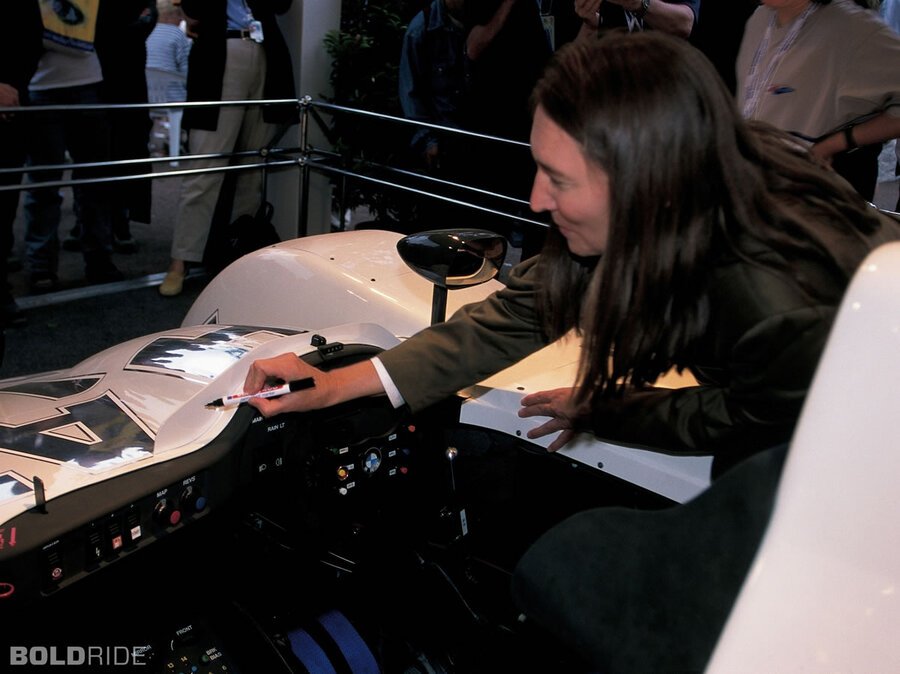
Jenny Holzer approached the project like a true conceptual artist: instead of images, her 1999 V12 LMR was covered in text. The body is coated with phrases that, according to her, «are unlikely to ever lose their meaning.» To maintain BMW’s signature white and blue colors even during a 24-hour race, the letters were made of chromed reflective film and luminescent material—during the day, they reflect the sky, and at night, they glow blue on their own, releasing the light they absorbed throughout the day.
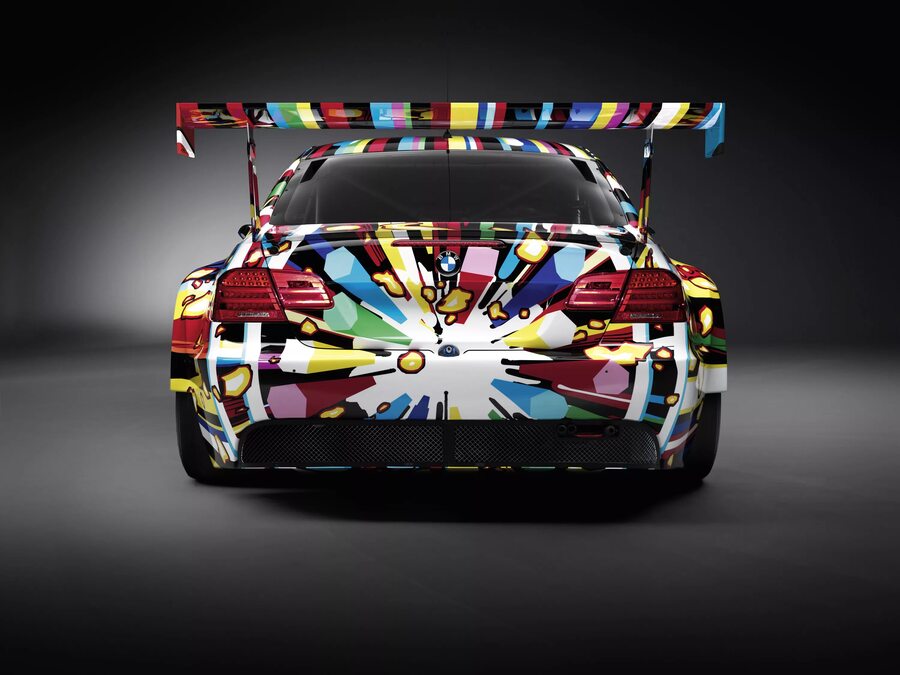
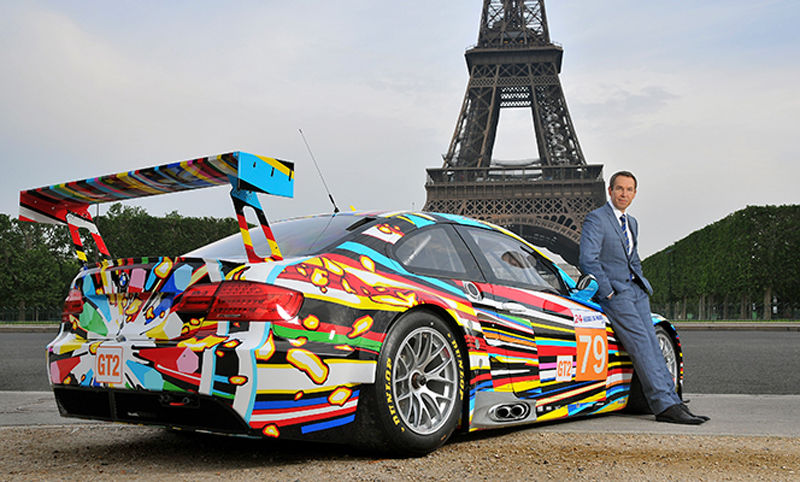
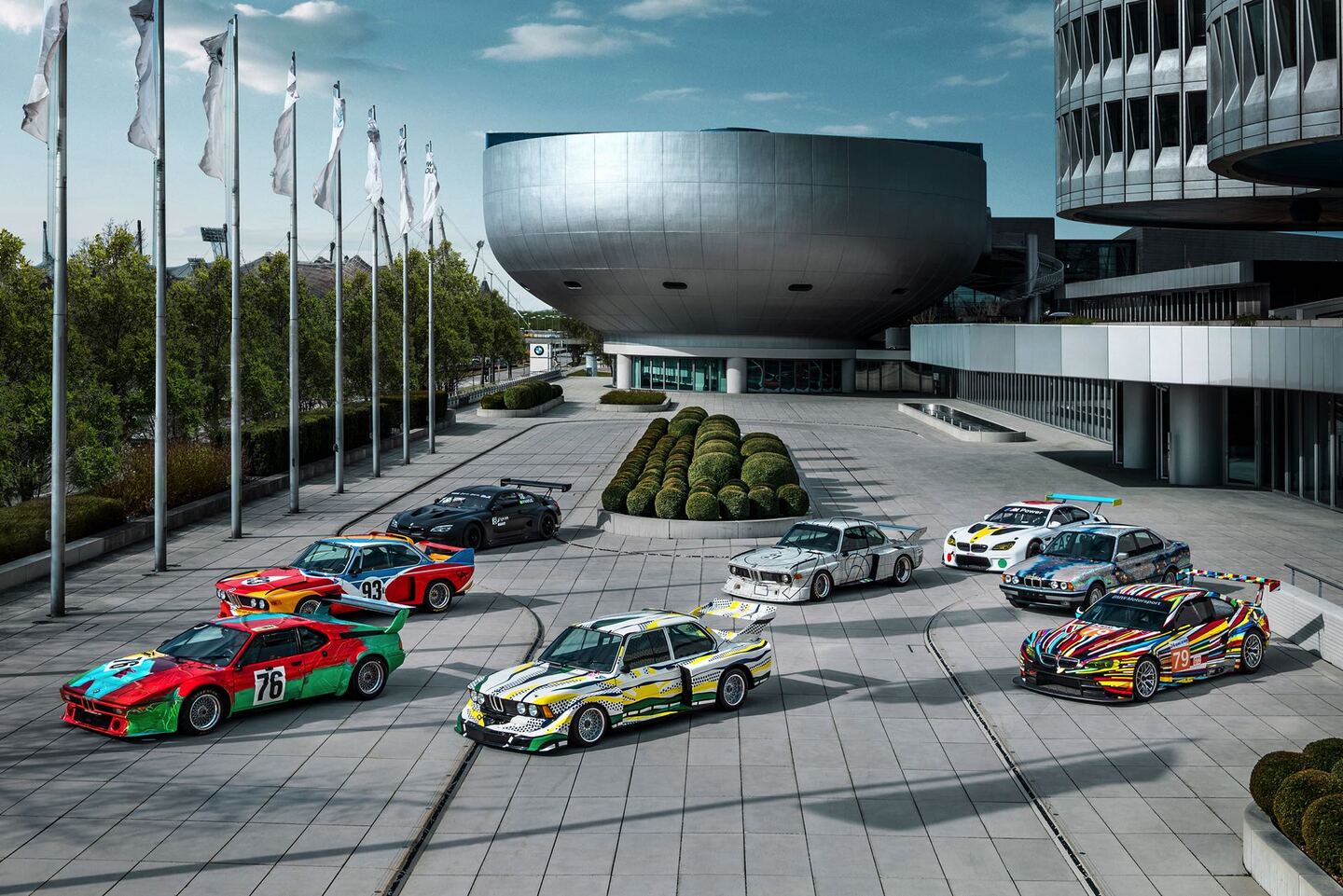
Jeff Koons prepared the M3 GT2 2010 paint job almost like a real race car driver: he gathered references of explosions and accidents, studied the sensation of speed, and then, wearing a helmet, personally drove on the track at Sebring in a historic BMW M1 to, in his own words, feel the «raw, unfiltered power» of the car from the inside. The final design—composed of vibrant stripes and bursts of color—was specially numbered 79 in honor of Warhol’s M1, which debuted in 1979.
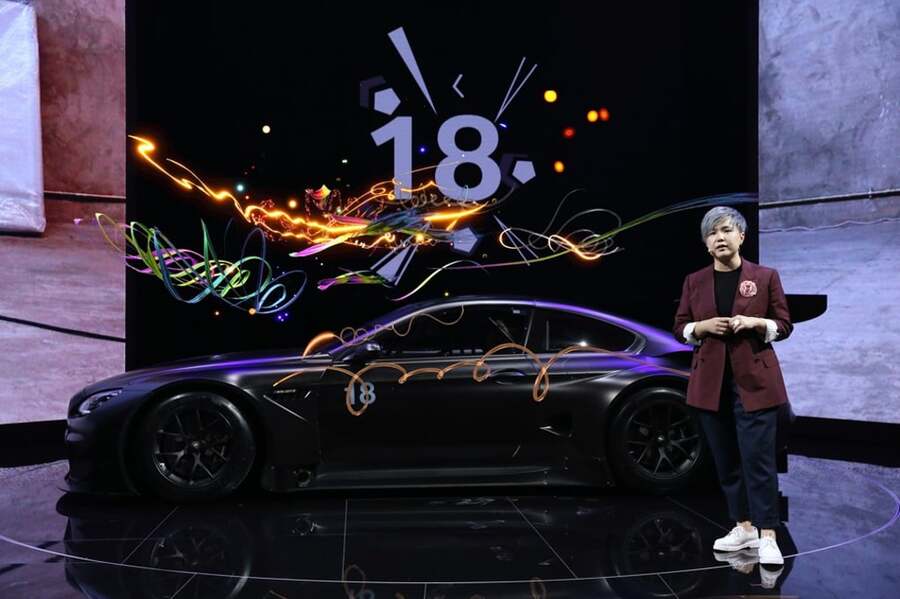
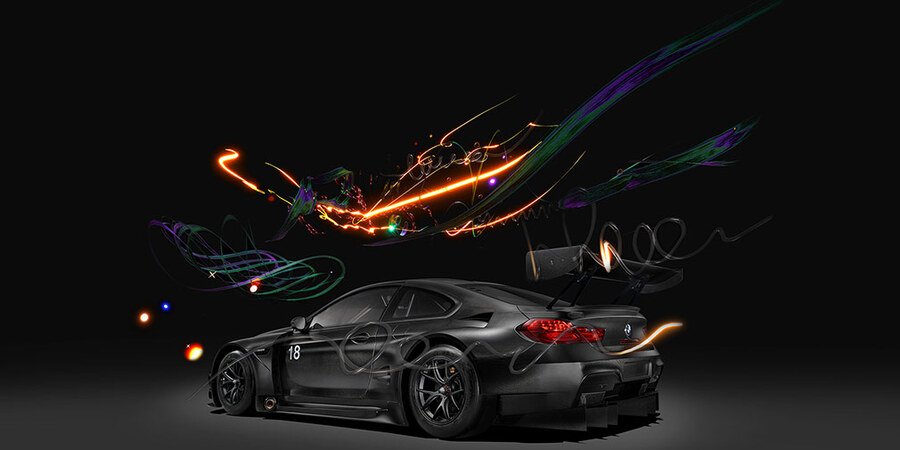
The strangest vehicle in the collection is the 2017 BMW M6 GT3 by Chinese artist Cao Fei, designated number eighteen. The exterior appears modest—simply matte charcoal black. However, this is only one-third of the work; the remaining two-thirds exist as a short film about a monk wandering through time and an augmented reality application that displays dancing, colorful light particles around the car when the camera is pointed at it. In essence, you are viewing the first BMW Art Car in history, half of which is physically untouchable—only scannable.
If last time we were amazed that art could move, now it’s clear that it can also transform into a blueprint, an X-ray, glowing text, and even vanish entirely within a smartphone. So, the question of «what’s next?» after such a masterpiece is natural—and judging by BMW, there isn’t yet a clear answer, which seems to be the sole rule of the project.