Chapter I. Abstract Animation: Geometry, Form, and Motion
In the 1920s, European avant-garde artists increasingly turned to abstract forms. In their work, geometric shapes shifted in form, size, moved, and interacted, creating a kind of visual dialogue. Through movement and rhythm, the artists aimed to convey musical sound. They also strove to create a sense of depth and space without traditional perspective. Among those who pioneered abstract animation were Hans Richter, Viking Eggeling, and Walter Ruttmann. Their work helped establish a new visual language that expanded the perceptions of cinema’s possibilities.
Hans Richter, «Rhythmus 21» (1921)
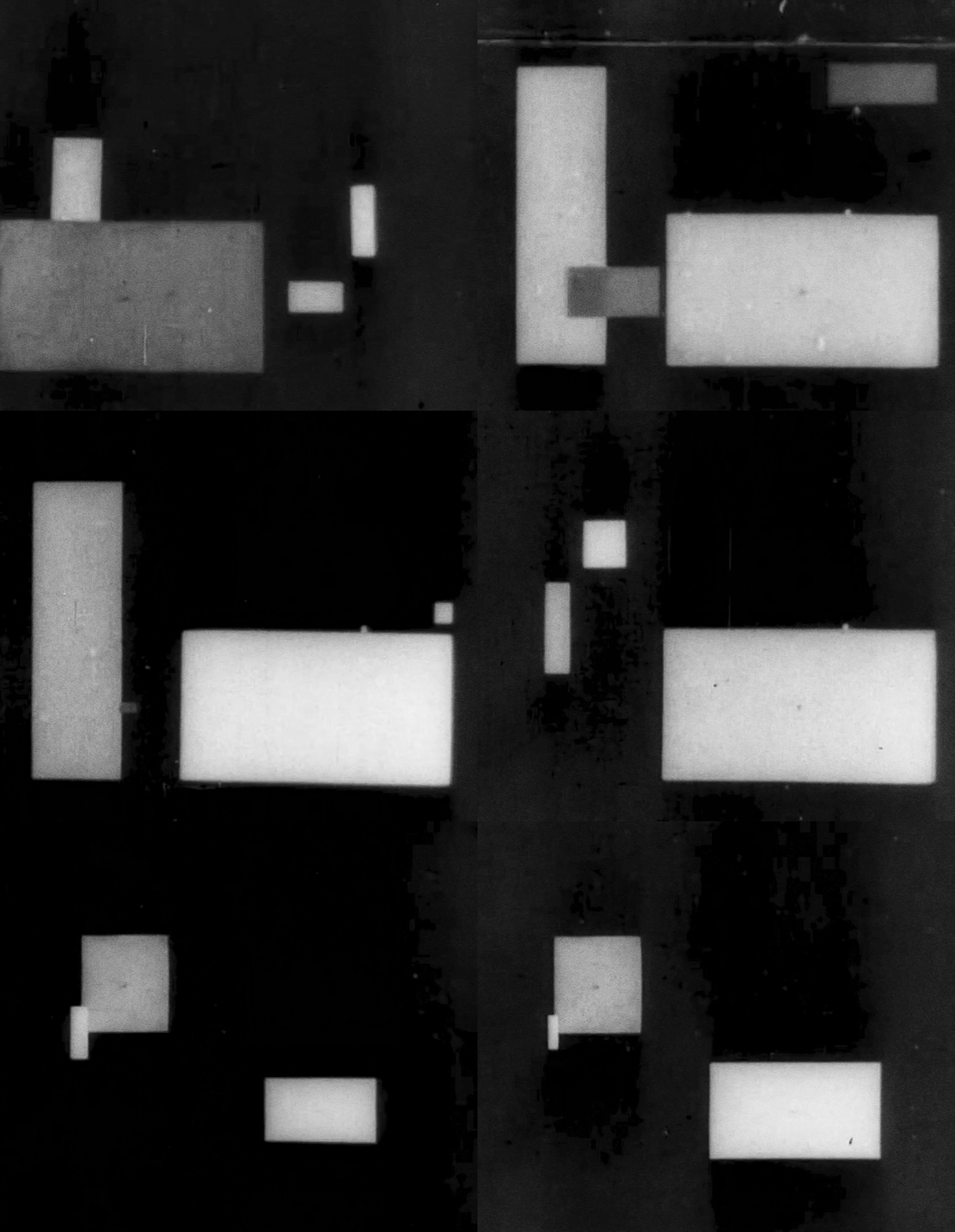
In «Rhythmus 21, ” Hans Richter employs rather simple elements, such as rectangles, squares, and stripes. The black-and-white color palette forces the viewer’s focus onto the transformation of geometric forms and their interaction with one another. The film lacks a conventional narrative, characters, or any recognizable objects. Throughout the work, the audience observes the evolution of a geometric composition.
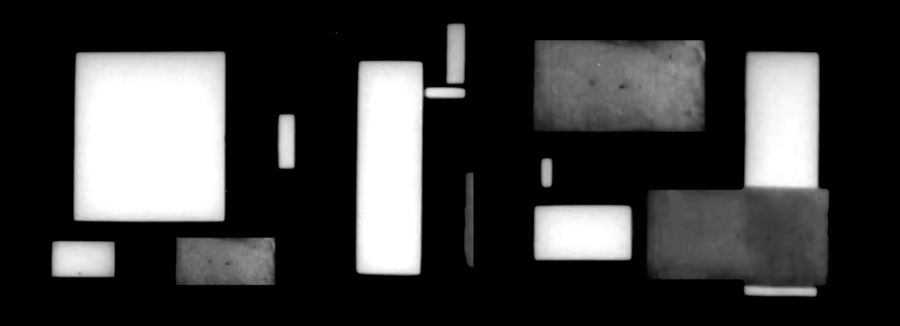
Note how the artist depicts space. They do not use perspective or a horizon line. The sense of depth is created through the variation in the size of the shapes and their overlapping. For instance, at the forty-seventh second of the film, the viewer sees a rectangle gradually increasing in size. It seems as if the object is approaching the screen. Conversely, a square shrinking in the center of the composition evokes a sense of distance.
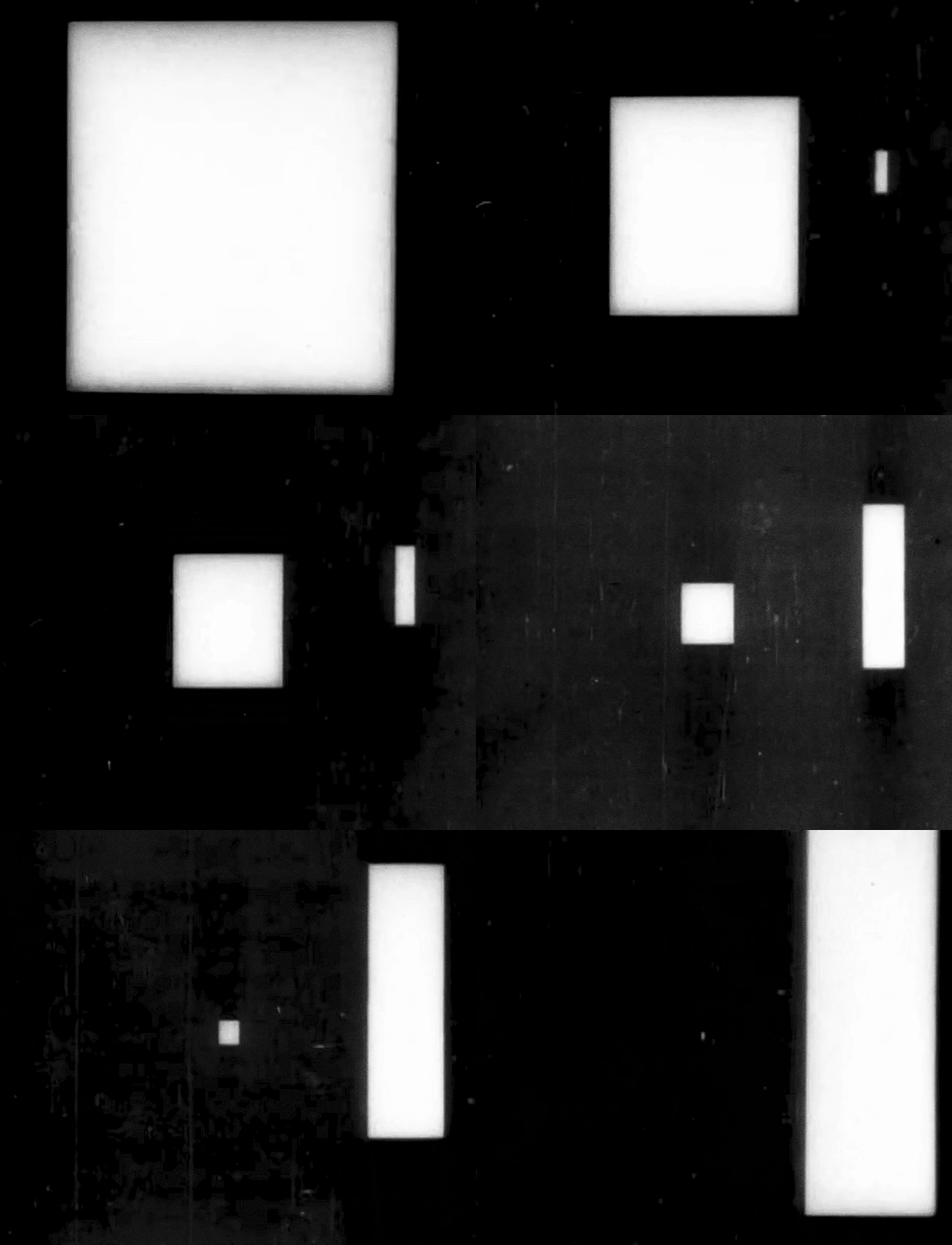
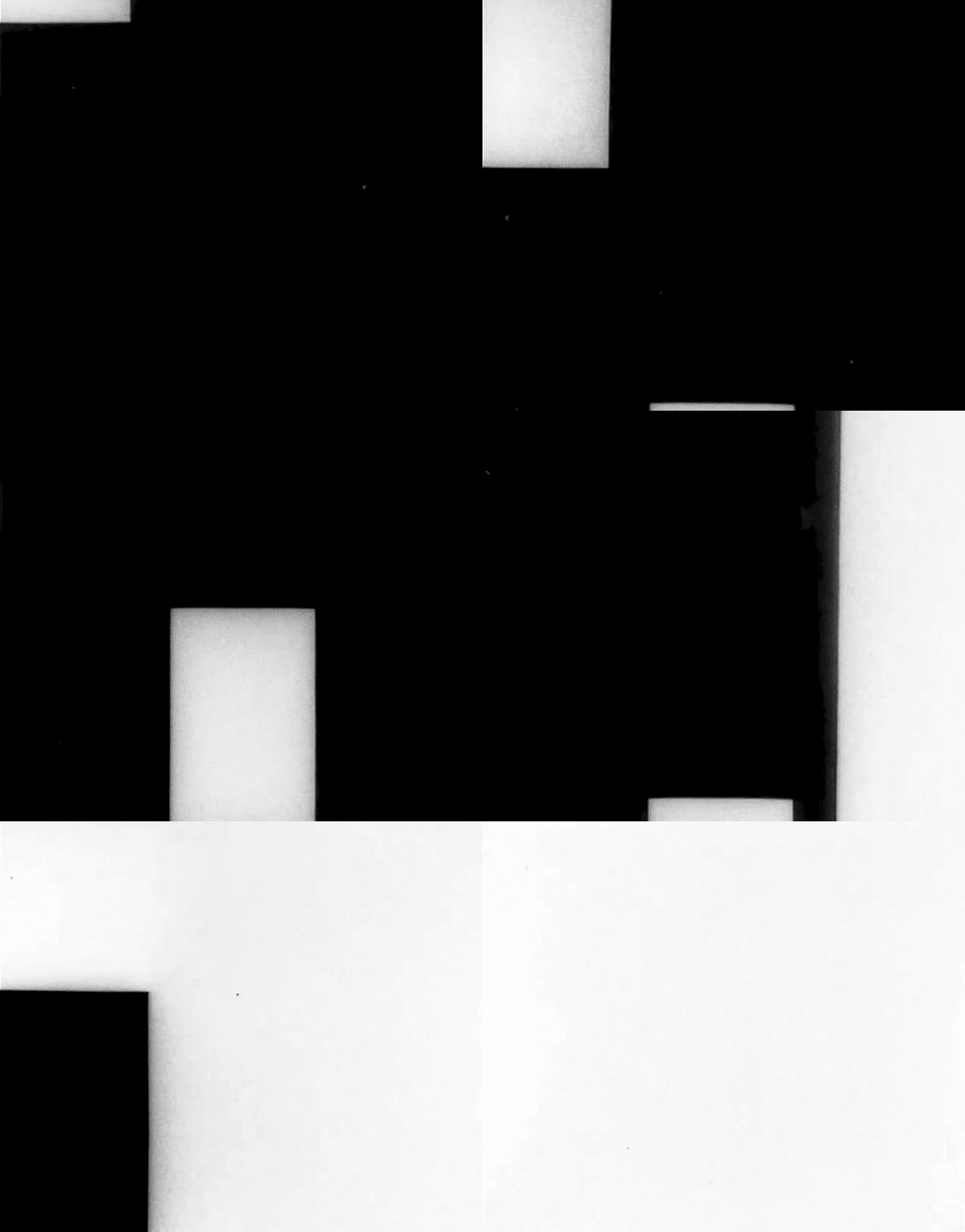
In Richter’s work, objects often contrast. For example, black is juxtaposed against white, large against small, and filled space against open space. This creates a sense of dynamism, and simple geometric forms become more expressive.
Viking Eggeling, «Diagonal Symphony» (1924)
In Eggeling’s Viking film, «Symphonie diagonale, ” interconnected lines, arcs, and other geometric elements dominate the composition. They don’t simply traverse the screen; rather, they continually lengthen, acquire new details, form branches, and then vanish.
Many elements are positioned diagonally. This design choice enhances the feeling of movement and directs the viewer’s gaze. Individual lines and shapes no longer appear as scattered elements, but gradually coalesce into a unified composition.
In his work, Eggeling combines repetition with the variation of forms. Some shapes hardly change their form or direction, while others gradually transform. The repeating lines and shapes create a sense of stability. The emergence of new details, however, disrupts this sense and lends movement to the image, causing the compositions to constantly evolve without losing the visual connection between individual elements.
Walter Ruttmann Light Play Opus II (1921)
«Lichtspiel Opus II» by Walther Rottmann is distinguished by its diversity of geometric elements. The artist uses circles, rectangles, squares, and other shapes that vary in size, position, and tonality. This variety complicates the structure of the image.
The compositions in this film are typically asymmetrical yet dynamic. One figure may visually dominate while another provides a compositional counterweight, and as they move, the balance is constantly shifting. For instance, at the beginning of the third minute of the film, the viewer observes the movement of blue, rounded elements. In the first screenshot, the viewer’s attention is focused on the largest and lightest figure. The smaller, darker-toned object, conversely, feels like a secondary element in the composition. However, within a second, it significantly increases in size and begins to dominate visually.
The visual rhythm here is built upon the combination of repetition and variation. Several figures may move in the same way, but the differences in their size and position create new compositional scenarios. At the very beginning of the film, for example, the viewer sees figures mirroring each other’s fluid movements. Simultaneously, their placement and combination with other elements shift. These familiar movements help maintain coherence between the segments of the work. In this excerpt, each new frame continues the previous one while introducing change, which allows the movement within the piece to be perceived not as a simple relocation of objects, but as a gradual transformation of the entire composition.
One should also pay attention to the use of color. The author employs contrasting hues to heighten the emotionality and expressiveness of the work. For instance, at the three-minute mark of the film, the blue shifts to red. Blue is associated with coolness, sadness, and serenity, while red evokes a sense of tension, anger, and energy. The transition between the colors is quite abrupt, which further intensifies the contrast.
Conclusions of Chapter I
The films by Hans Richter, Viking Eggeling, and Walter Ruttmann demonstrate diverse approaches to abstract animation. The artists utilized geometric forms, lines, and color as primary means of expression. In «Rhythmus 21,» Richter establishes rhythm through the scaling and positioning of rectangles. In «Symphonie diagonale,» Viking Eggeling explores the movement of lines and their gradual transformation. In «Lichtspiel Opus II,» Walter Ruttmann constructs compositions by manipulating the interaction of colored shapes and their arrangements. All three films illustrate that movement and rhythm can serve as the fundamental basis of an animated work, even in the absence of narrative or characters.