Since ancient times, a drink called «uzvar» has been known in Rus'—it was made from dried fruits like pears, apples, plums (prunes), and grapes (raisins) for Christmas Eve. In the 18th century, the word «kompot» entered the Russian language, borrowed from French—fr. compote—which comes from the Latin compositus, meaning «complex,» «composite,» literally «put together from different parts.»
To create the tastiest compote, you will need the following:
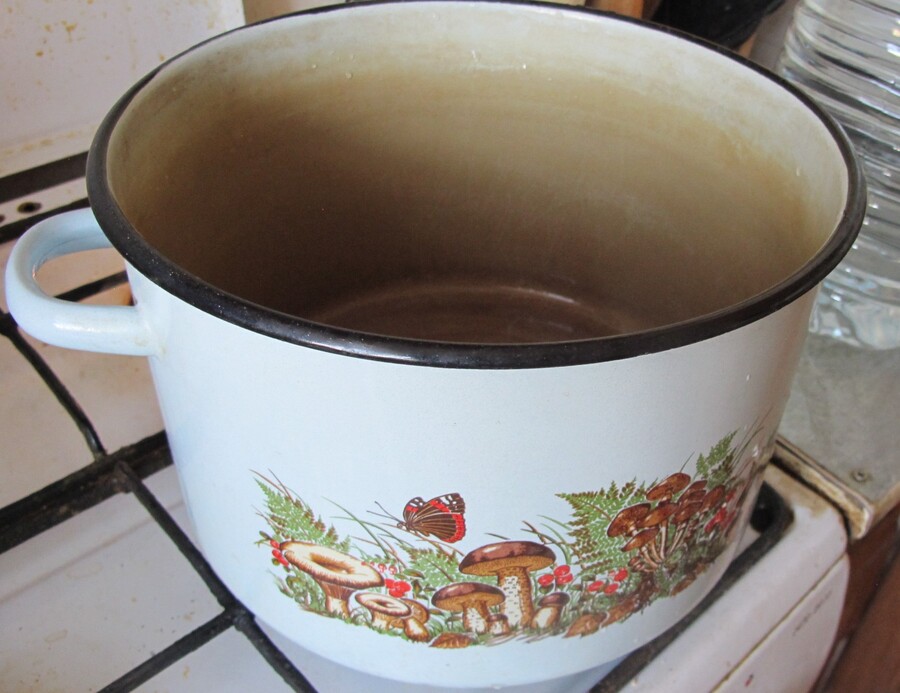
A large pot. My pot from the past seems to hold more than five liters, and that’s wonderful—it fits a five-liter water bottle and all the fruit. Of course, you can make a smaller batch of compote by reducing the amount of ingredients accordingly, but I cook «a lot of compote.»
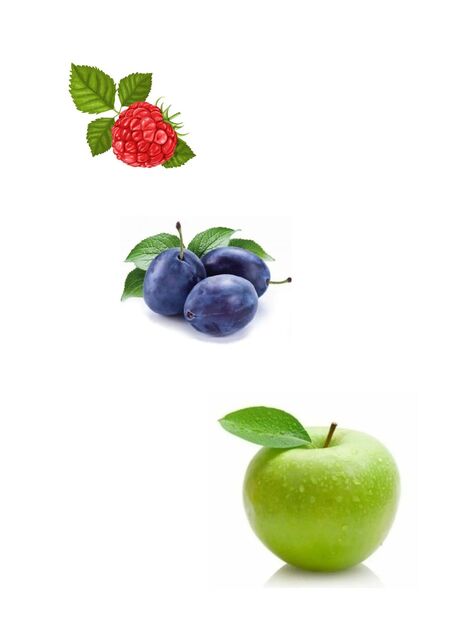
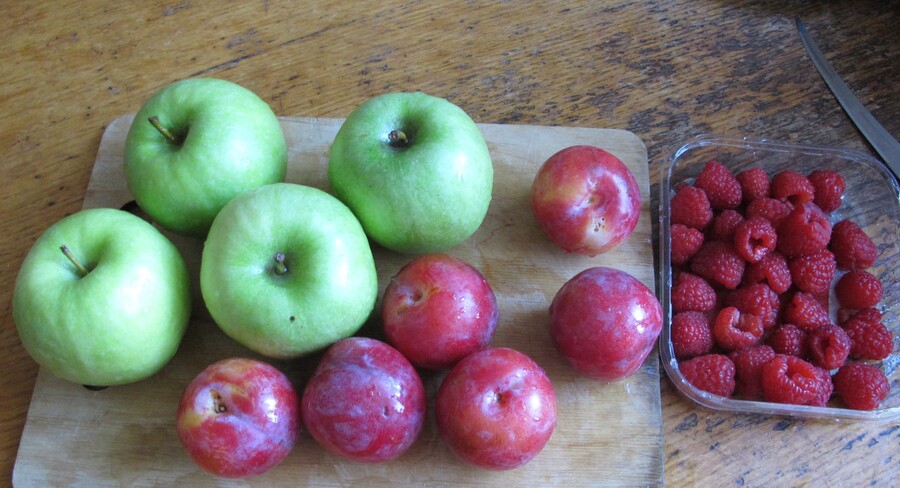
Ingredients: 5 liters of water, 4 green apples, 12 plums, 125–150 grams of raspberries, 200 g of sugar, and one packet of vanilla sugar.
Five-liter water bottle
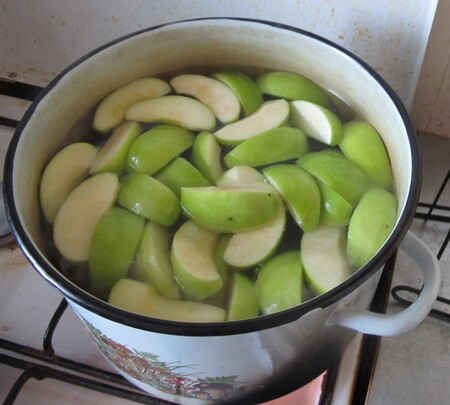
Four apples. For compote, «Antonovka» apples are best. In recent years, the «Bogatyr» variety has been available as an alternative to Antonovka, and it is very similar. During the winter, I sometimes use «Simirenko»; the main thing is that the apples are green and minimally sweet.
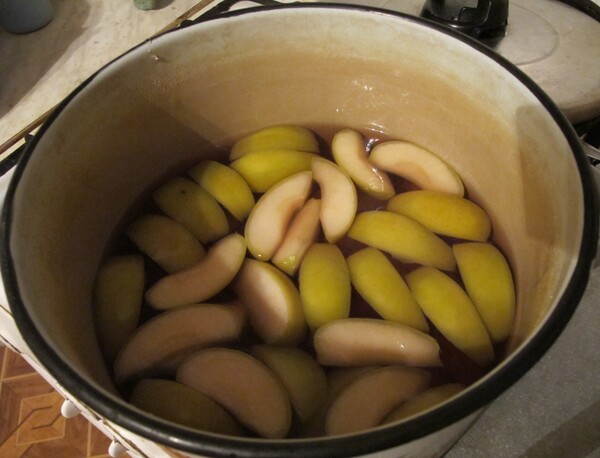
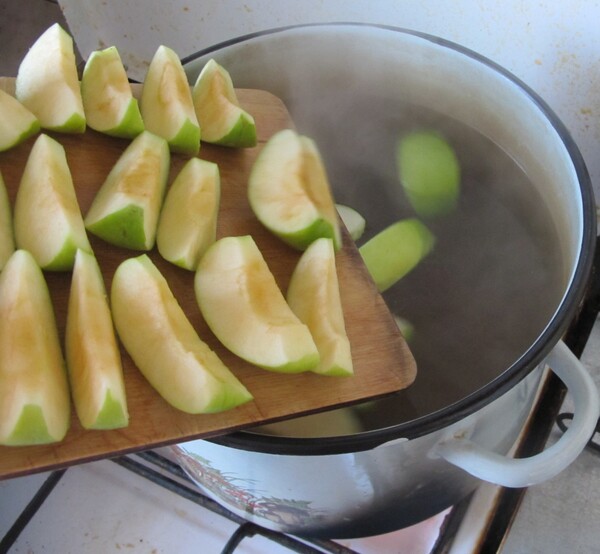
Each apple is cut into eight slices, and the seeds and seed chambers are thoroughly removed.
Twelve plums. 'Vengerek' plums are best, but if they aren’t in season, I use any large ones—you’ll need fewer of them. The plums are quartered to remove the pit.
Raspberries—about a small 125-gram package. In the summer, if you are using loose raspberries, you can add more (a cupful). Raspberries are what give the compote its sweetness, magical color, and flavor.
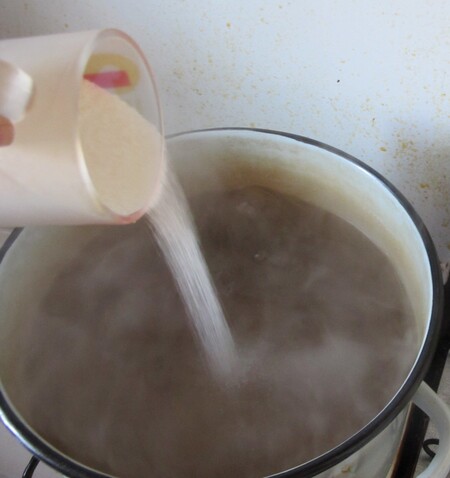
Sugar—one not-to-the-brim cup (approximately 200 grams) and definitely a packet of vanilla sugar—is another secret to the magic flavor of the compote.
Compote creation process: water is poured into the pot until it boils, and the fruits are chopped. Sugar is poured into the boiling water, stirred, and then apples, plums, and raspberries are added. Everything is stirred several times clockwise and once counterclockwise (as Professor Snegg decreed). The compote is immediately removed from the heat—essentially, the fruits are not boiled, but merely change their structure; I firmly believe this helps preserve more vitamins.
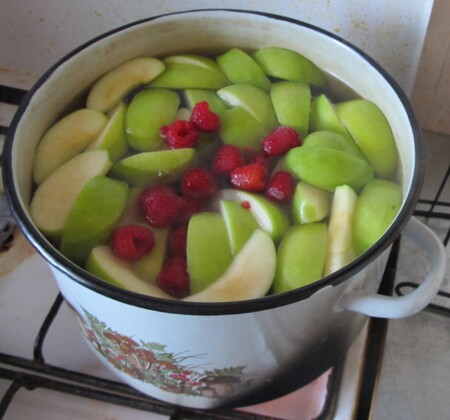
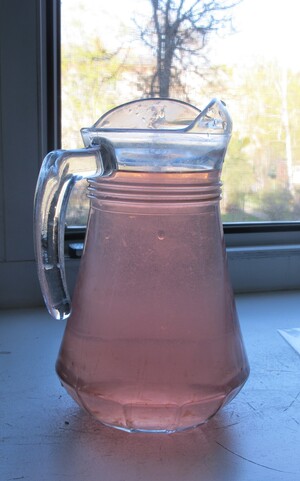
Once the compote cools, it takes on a magical pink hue (usually more vibrant than it is this time); it is so delicious you could drink five liters in a few hours. You can also eat the fruit from the compote—it’s packed with fiber and very healthy.