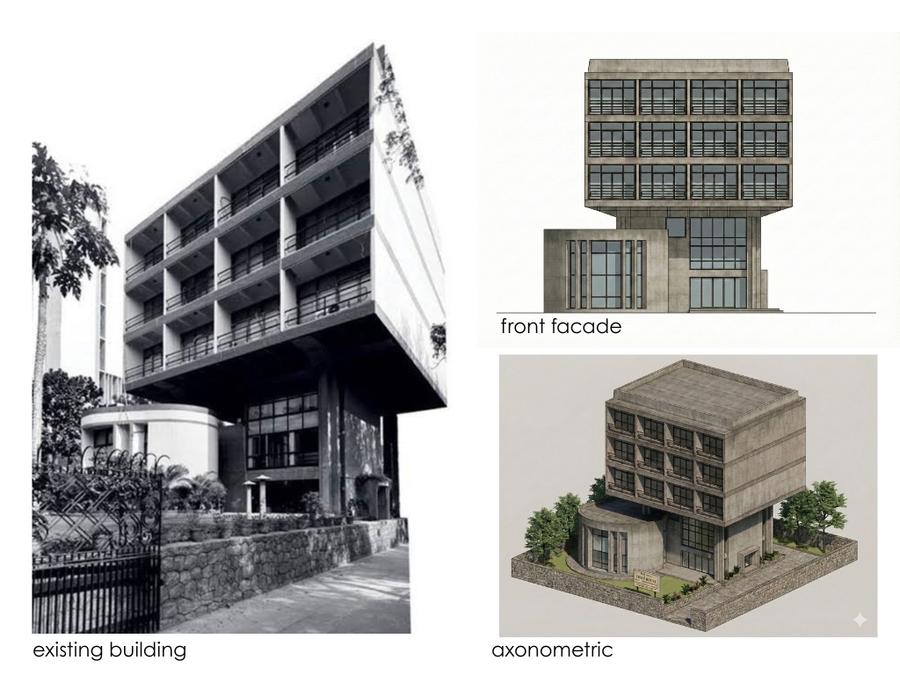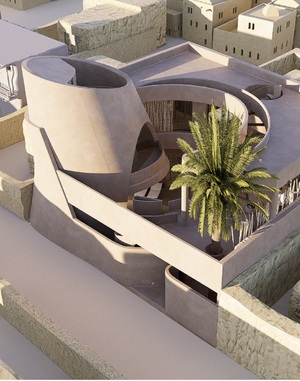
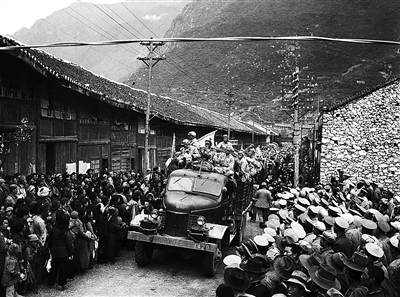
Tibet House Museum in Delhi was established as a cultural refuge during a moment of displacement, when Tibetan communities in exile sought to preserve their art, philosophy, and collective memory outside their homeland. Conceived not merely as a museum but as an archive of living culture, the building has evolved over time into an institutional space for learning, preservation, and dialogue. This dual role of sheltering fragile cultural artifacts while remaining open to the public forms the foundation of the facade intervention. The proposed design responds to this condition by reinterpreting the building as a «wrapped archive, ” where layers of protection, memory, and continuity are expressed architecturally rather than symbolically. (Fig. on left: PLA marching into Kangding, 1950)
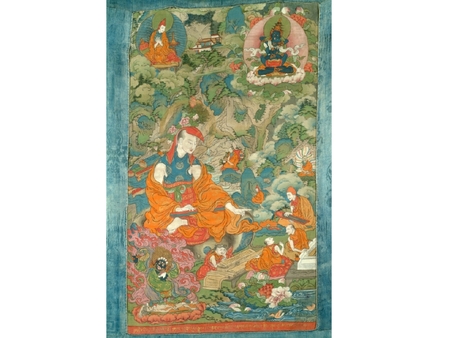
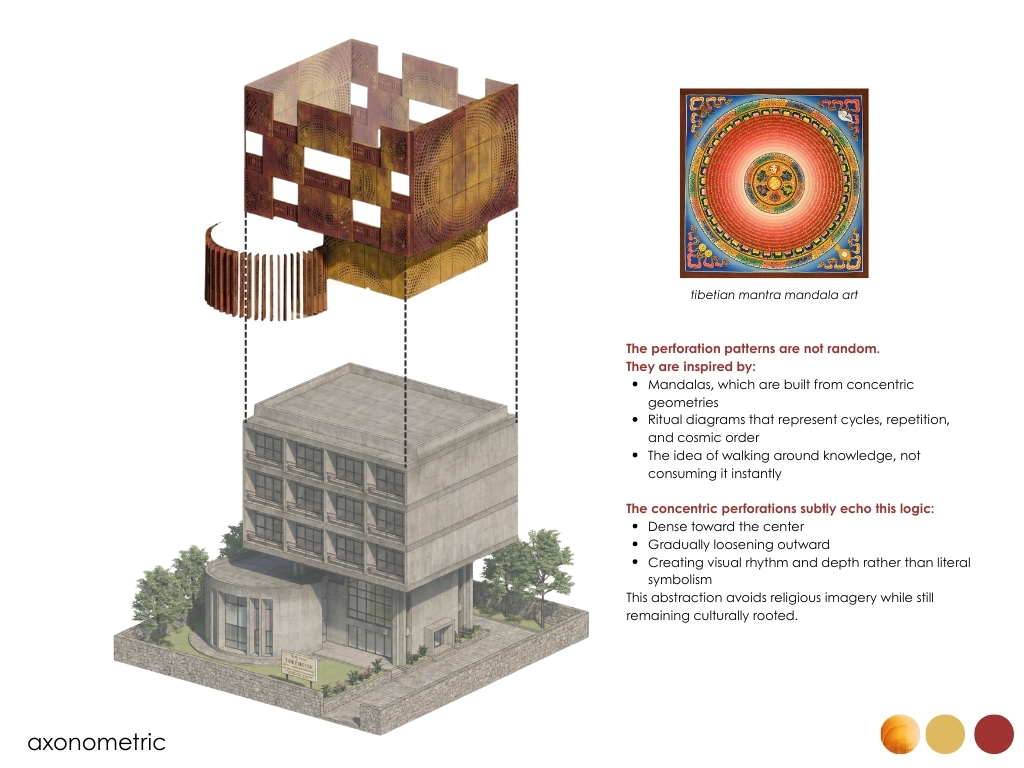
Tibetan art and artifacts housed within Tibet House—particularly thangkas (paintings), manuscripts, and ritual objects are inherently fragile and traditionally treated as layered, portable archives rather than static displays. These objects are wrapped, unwrapped, filtered through light, and revealed gradually, emphasising protection as much as visibility. This sensitivity to light is reflected in the original building itself; constructed in 1974 in a restrained Brutalist architectural language, the museum incorporates largely closed east and west façades to minimise direct sunlight and ensure controlled interior conditions. The proposed façade intervention builds upon this logic, not by altering the existing structure, but by introducing a secondary layer that extends the building’s original protective intent. Through perforation, depth, and gradient, the new skin operates as an architectural filter offering controlled light modulation and visual symbolism while remaining subordinate to, and respectful of, the original Brutalist massing. (Fig. Teacher (lama), Ground Mineral Pigment on Cotton, 1800 — 1899)

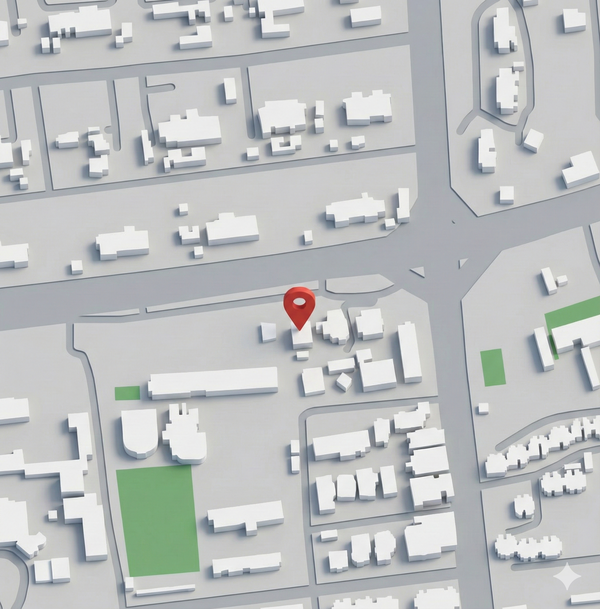
Existing Building
Facade Design
Original size 1024x768
Original size 2048x2048

Animation

Loading...
Loading...
Wrapped Archive
Rijul Sharma предложил архитектурный проект «Wrapped Archive» для Тибетского дома в Дели, который переосмысливает здание как защищённое хранилище культурного наследия. Проект использует второстепенный фасадный слой с перфорацией и градиентом, чтобы сохранить оригинальную брутальную массу и обеспечить контроль над освещением внутри музея.
Project description created with AI
Project created at 23.12.2025
More projects in architecture
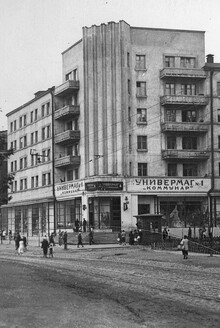
Екатерина Бутягина исследует историю и архитектурные особенности советских соцгородов 1930-1980 годов. Проект описывает, как планировка, декор и зонирование соцгородов отражали идеологию социализма и коллективизма.
ISTOMINARCHITECTS
ISTOMINARCHITECTS
1
Татьяна Истомина создала проект ISTOMINARCHITECTS, представляющий собой архитектурное портфолио и тексты на тему эволюции архитектурных идей. Проект включает в себя статью, посвящённую современным принципам устойчивого строительства и персонализации пространств.
Игорь Шкут создал архитектурную практику CHUU, которая фокусируется на концепции динамического равновесия человека, пространства и природы. Проект включает портфолио, построенное на принципах контекста, человека, утилитарности и единства архитектуры с природой.
Судабех Каха представила портфолио архитектурной студии ARVENTA, включающее проекты, основанные на диалоге между человеком, контекстом и природой. Проекты включают библиотеку в Нишапуре и виллу на острове Кешм, где архитектура вдохновлена светом, ветром и топографией.
creativecity.academy
A joint project of the HSE ART AND DESIGN SCHOOL and the Institute for the Development of Creative Industries, focused on working with Russian regions. The Creative City digital platform is a media outlet that aggregates projects related to territorial branding, a community of professionals, and a service that allows you to create local websites, work with the local identity and popularity of cities and places. Study the map of the Creative City. Get acquainted with the projects that have already been implemented. Add your... Show more
events
travelling
history
art and design
We use cookies to improve the operation of the HSE website and to enhance its usability. More detailed information on the use of cookies can be fou...
Show more