ТЮНИНГ «БУХАНКИ» — УВЛЕЧЕНИЕ НА ВСЮ ЖИЗНЬ
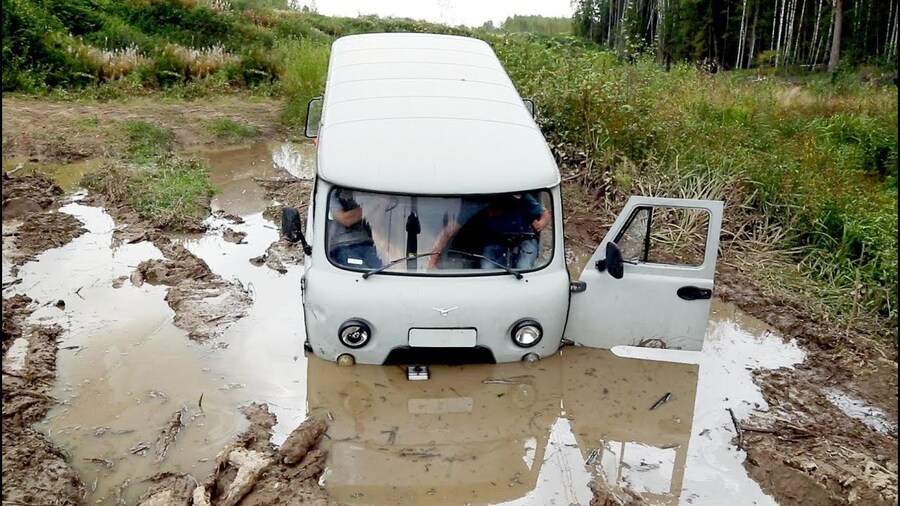
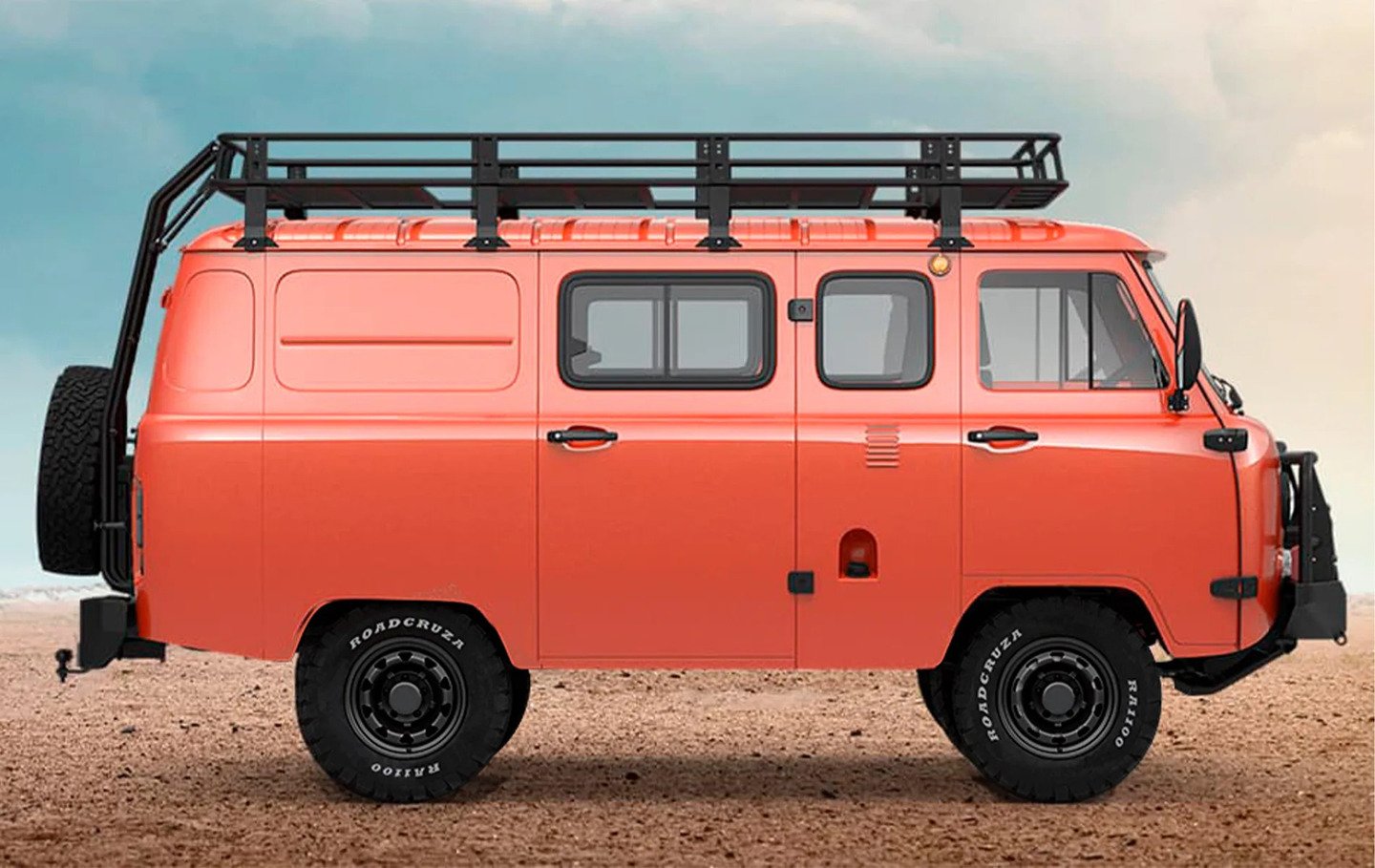
Some vehicles are just vehicles; others are legends on wheels. The UAZ-452, or «Bukhanka, ” is a legend. Its body shape hasn’t changed since 1965, and the affection for this machine only grows stronger. The secret is simple: the „Bukhanka“ isn’t trying to be comfortable—it’s trying to be eternal. Rough terrain can’t destroy it, freezing temperatures don’t scare it, and you can repair it with a hammer right in the field. Because of this, an entire culture has grown around it—Bukhanka tuning isn’t about showing off; it’s a multi-year dialogue between a person and a machine that responds reciprocally to any care provided.

Even in Japan, there are fans of the Ulyanovsk UAZ off-roader. There are clubs for UAZ and «Niva» enthusiasts, and the «Bukhanka» is considered a design icon—for its silhouette and resemblance to the iconic Volkswagen T1. Original cars are astronomically expensive in Japan due to customs duties, so enthusiasts modify their inexpensive kei vans into «UAZ-style» vehicles: welding on round headlights, changing body panels, and painting them in the signature color. Some people use these cars as food trucks; others use them as campers for domestic tourism. In Finland, ambulances still run on the «Bukhanka» chassis, and in Italy, they are used to build Alpine campers. A car for Soviet geologists became a global symbol of the «do-it-yourself» style.
Even before the word «tuner» existed in Russian, the «Bukhanka» was already being upgraded—not for aesthetics, but for survival. The first were geologists, surveyors, hunters, and fishermen: for them, it was the only way to reach places where the road didn’t go. They welded on extra tanks, installed homemade winches, reinforced the suspension with truck springs, insulated the cabin with felt, and added stoves for overnight stays in the taiga. There was no sense of style—only calculation: if you broke down three hundred kilometers from home, there would be no one to fix it but yourself. This approach became the genetic code of all future customization.
The evolution of «Bukhanka» tuning includes four stages.
1. Makeshift (1960s–1990s). Owners perform modifications themselves in garages and field expedition stops—welding, ingenuity, and salvaged military parts.
2. Trophy Wave (late 1990s — 2000s). In the country, a culture of trophy rallies and 4×4 clubs began to gain traction. The first workshops and parts brands emerged, such as «RIF"—heavy-duty bumpers with a gate for a spare tire, suspension lifts, and fender flares. Tuning became systematic—cars were built to meet a specific purpose, rather than simply «bolting on whatever was available.»
3. Expedition Boom (2010s). Camper vans built on the «Bukhanka» chassis have become popular. UAZ itself releases an «Expedition» version, and private workshops offer kits to convert vans into self-contained recreational vehicles with sleeping areas and autonomous heating.
4. Deep Customization (2020s). Today, people aren’t just modifying the suspension and bumpers; they are replacing the entire drivetrain—engines from Toyota, transmission and transfer cases from Hilux Surf, and axles from Nissan Patrol—essentially creating a near-new vehicle draped in an old exterior.
How much is it?
— Bumpers, suspension lift, winch. Entry starts at 150–300 thousand rubles per kit.
— Conversion into a self-sufficient RV. Minimum of 500 thousand rubles; ready-made models like the «Baikal» by LuxForm or the «Caucasus» by TSS start from 1.2 to 1.7 million, and that is cheaper than a foreign camper like the Volkswagen California.
— Complete replacement of original components with imported off-road parts. For example, a «Bukhanka» fitted with a 3.4-liter Toyota V6 engine, automatic transmission, a transfer case from the Hilux Surf, and axles from the Nissan Patrol—the investment approaches 2 million rubles.
You could spend fifteen thousand on a winch and head out to the taiga for a weekend, or you could spend years building an all-terrain camper, perfecting every single detail. «Bukhanka» tuning is a rare case where the process is more important than the outcome. There is no factory perfection that you simply buy—there is a kit car that you endlessly refine to suit your own taste. This is where the core emotion comes from—a feeling of complete authorship: you aren’t just driving a car; you invented it and assembled it with your own hands. And, of course, there is the sensation of absolute freedom: in such a vehicle, you can go wherever no crossover could dare to venture.