Introduction
In an era when visual culture spans the world, brands are no longer just producers of goods but have become cultural phenomena. They are no longer limited to product functionality and create elaborate worlds with their own aesthetics, symbols, and narratives. Such brands evoke deep emotions in the audience: from nostalgia and joy to a sense of belonging to something special. They bring together people who share similar values and aesthetic views, and form communities where consumers are part of the creative process.
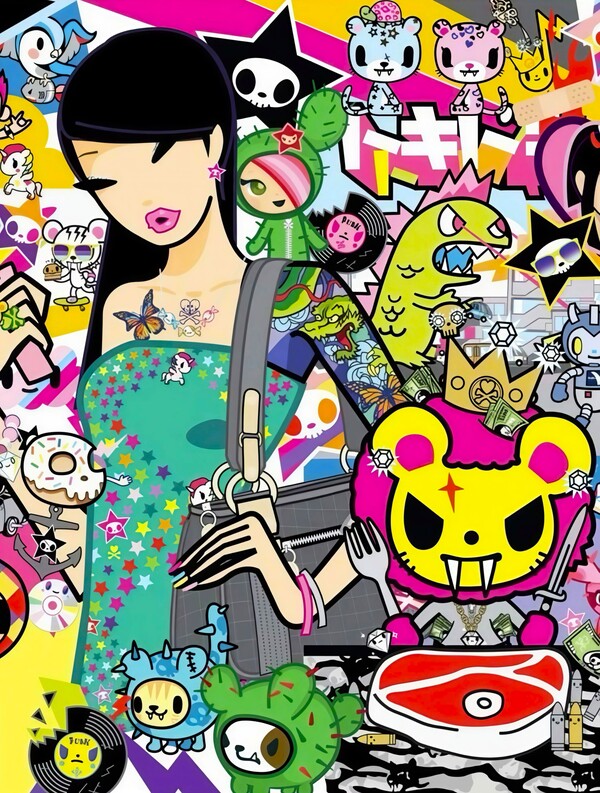
A prime example of this approach is the Tokidoki brand, which combines elements of Japanese pop culture, anime, kawaii aesthetics, street fashion, and Italian aesthetics. This synthesis creates a special colorful and imaginative world, which is recognizable at first sight. It attracts people not only with the design of goods, but also with a holistic atmosphere: every element — from prints on clothing to social media design — works toward a unified concept. As a result, fans of the brand receive not just a product but a sense of belonging to a unique community where they share their love for playful aesthetics and Japanese culture.

This study focuses on the analysis of Tokidoki as a fully-fledged communication platform with a strong visual identity. We will trace the cultural conditions that helped it emerge, dissect audience engagement strategies, and explore how Dialogic Theory helps build long-term and trust-based relationships with consumers.
Understanding the Tokidoki Phenomenon
To understand the Tokidoki phenomenon, it is important to begin a little further back — not with the brand itself, but with the cultural environment from which it emerged.
The late 1990s and early 2000s marked a period when visual culture began to globalize rapidly. For the first time, the Internet made local subcultures truly international: Japanese street fashion, anime, collectible figures, and niche brands expanded beyond national borders and became part of a global visual language. What had previously existed within isolated communities started spreading through forums, emerging social media platforms, early fashion blogs, MySpace, and later Instagram and Pinterest.
Japanese pop culture and street fashion had a particularly strong influence during this period. Areas such as Tokyo’s Harajuku district came to be seen not merely as fashionable neighborhoods but as symbols of a new form of visual freedom—a space where style was built on a mixture of exaggerated cuteness, theatricality, streetwear, and individuality. At the same time, character-based brands such as Hello Kitty gained worldwide popularity, introducing the idea that a fictional character could serve not only as a vehicle for children’s products but also as a fully developed lifestyle product for adults.
It was precisely at the intersection of these cultural shifts that Tokidoki appeared.
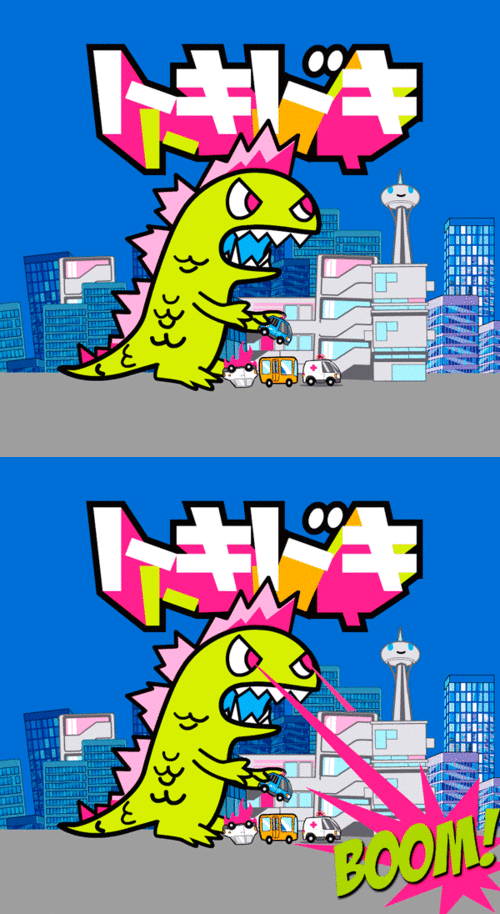
The brand was created in 2005 by Italian artist Simone Legno, who drew inspiration from Japanese culture, manga, street art, and kawaii aesthetics. The name «Tokidoki» itself translates from Japanese as «sometimes», which Legno interpreted as a reminder of life’s unexpected happy moments and spontaneity. This already contains an essential part of the brand’s DNA: emotionality, playfulness, and escapism.
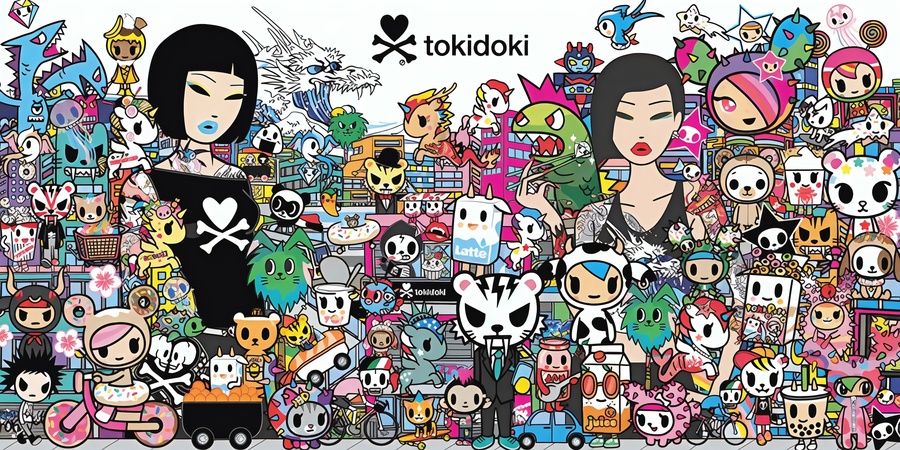
From the very beginning, Tokidoki was built not as a traditional fashion brand, but as a visual universe. Instead of relying on a single logo or mascot, the brand created an entire world of characters, patterns, and narratives in which audiences could discover their own symbols and emotional attachments. These key factors transformed Tokidoki from a collection of products into a complete system of visual identity with a highly personalized connection to each potential consumer.
Target audience
At the same time, the culture of designer and collectible toys was rapidly developing. Toys ceased to be exclusively children’s products and instead became collectible objects, elements of interior aesthetics, and tools of visual self-expression. A new audience emerged: young people for whom consumption was connected not to the practical function of an item, but to its emotional, financial, and cultural value.
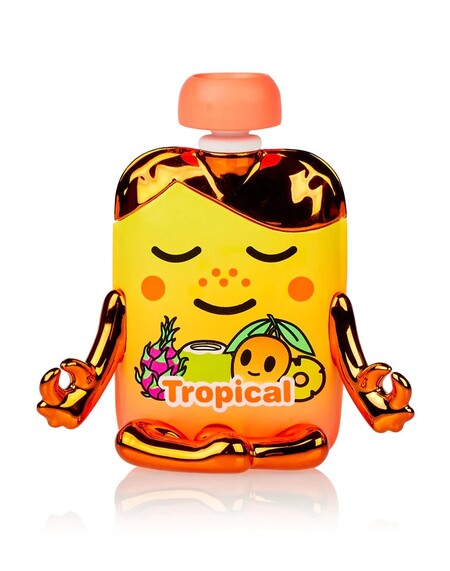
This audience became the core consumer base of Tokidoki. It primarily consisted of teenagers and young adults aged 18–35, living in urban environments and actively engaged with popular culture, fashion, art, and digital media. For these type of consumers, products were not merely objects of use but symbols of personal identity, taste, and belonging to particular cultural communities. They valued originality, limited editions, and the emotional connection that brands could create through storytelling and distinctive visual style.
Tokidoki’s PR Strategies
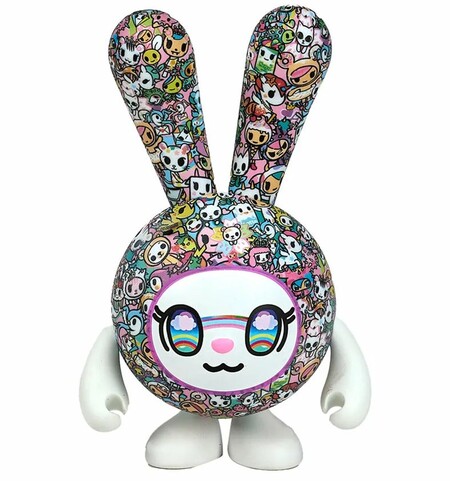
One of Tokidoki’s main PR strategies is collaboration. The brand constantly partners with other companies, that produce clothing, shoes, figurines, cosmetics, accessories, and more. This helps it remain culturally relevant and attract new audiences. Recent examples include the development of an official mascot for the Catholic Church and a recent collaboration with Smeshariki. More mainstream collaborations include Hello Kitty, Barbie, Marvel, and Arcane.
These collaborations allow the brand to expand its presence across different industries, from fashion to toys and cosmetics.
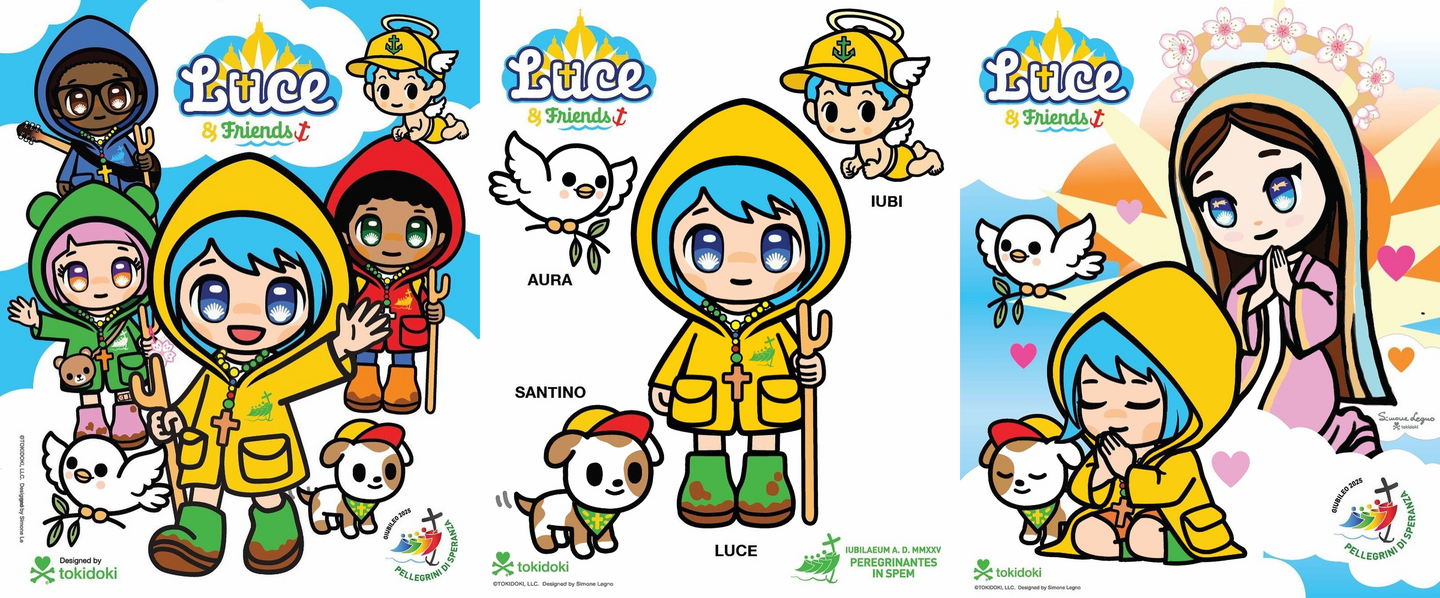
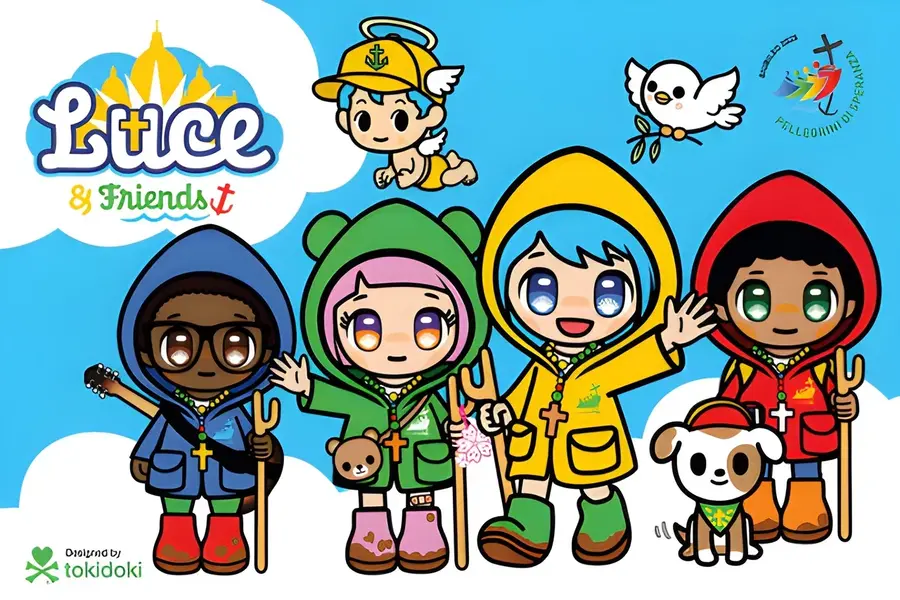
The official mascot for the Catholic Church’s 2025
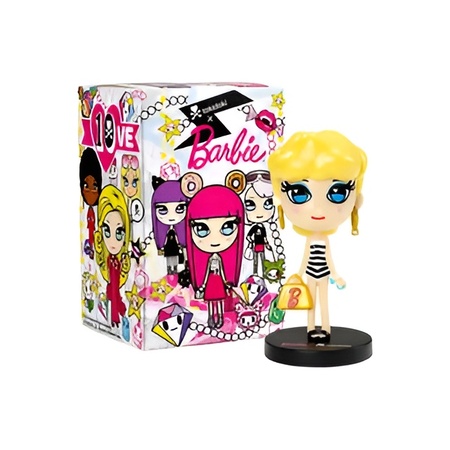
«In 2010, Tokidoki partnered with Mattel to create a limited edition tokidoki Barbie doll — the first ever Barbie featuring a fully tattooed arm. In 2015, to celebrate tokidoki’s 10th anniversary, a second tokidoki Barbie doll was released, in two iterations with the second limited to 999 units. As part of this iconic tribute, tokidoki released a blind box collectible series showcasing miniature restyled iconic Barbie dolls.»
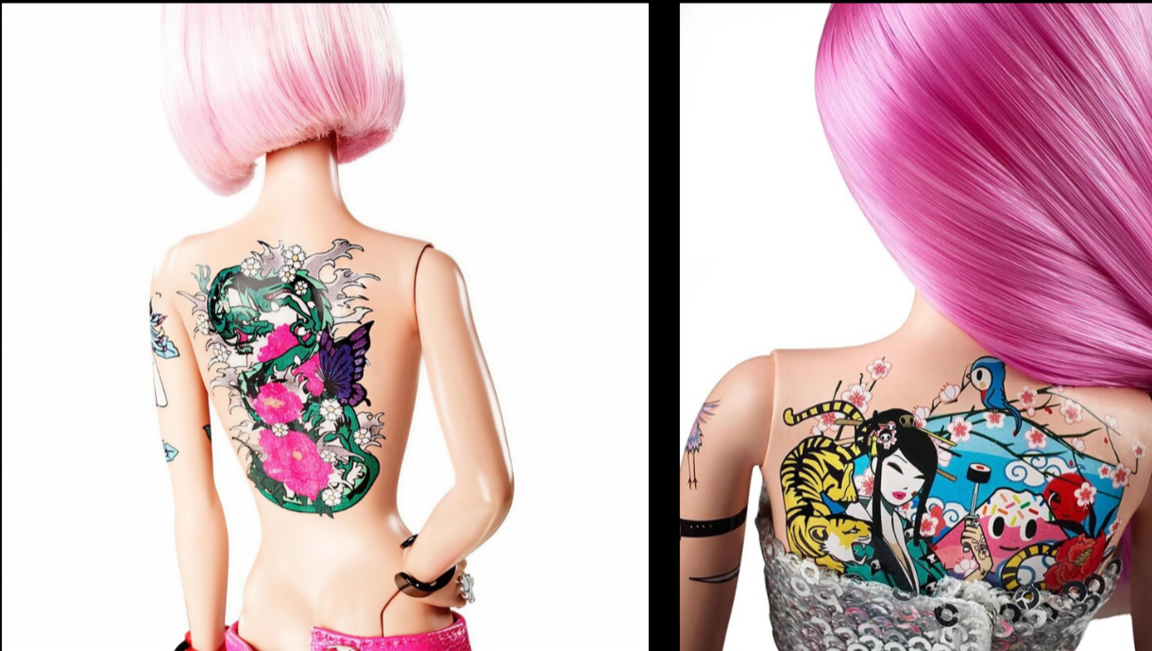
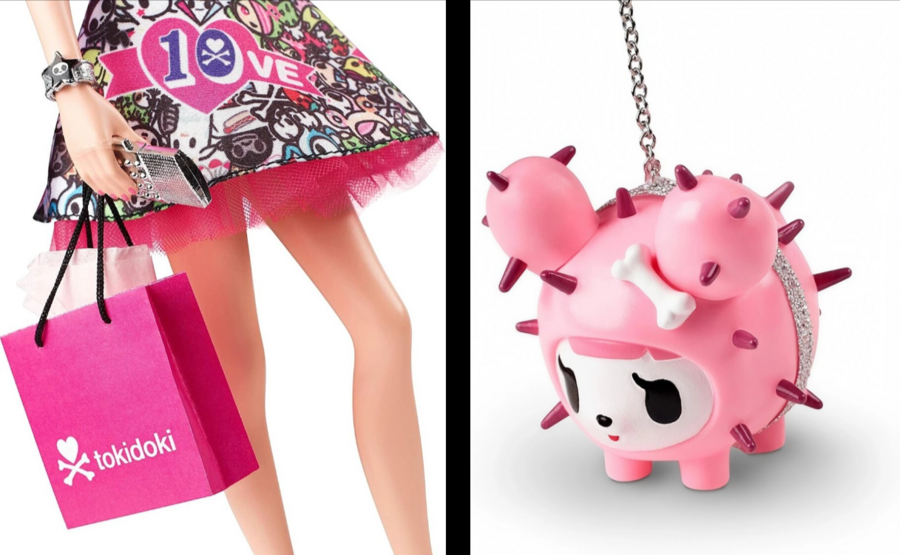
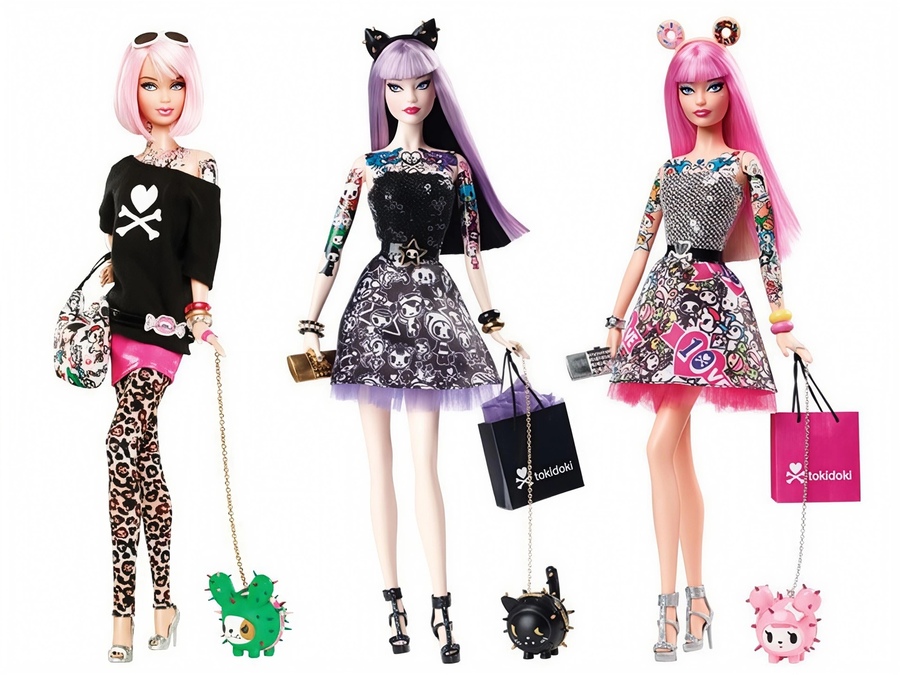
«Tokodoki» x «Baribe» collaboration, 2010
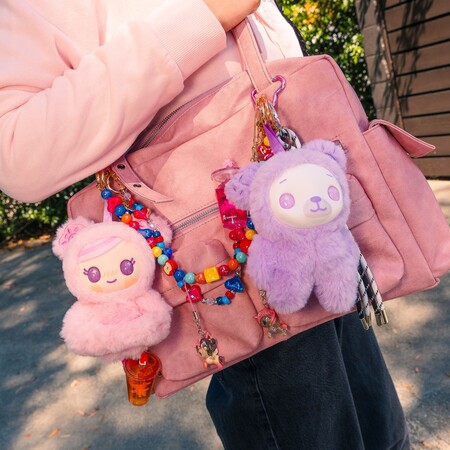
In recent years, it has become especially noticeable how «Tokidoki» has adapted to the phenomenon of modern fast fashion and trend-driven internet culture. While the brand was once primarily associated with collectible figurines and accessories aimed at a niche audience, Tokidoki is now increasingly integrating itself into fast fashion and social media trends.
«Tokidoki» x «Skechers» collaboration, 2022
Dialogic Theory views communication as a process of two-way interaction between an organization and its audience. The core idea of the theory is that effective communication is built not only on the transmission of information but also on the creation of an ongoing dialogue based on engagement, feedback, and mutual participation.
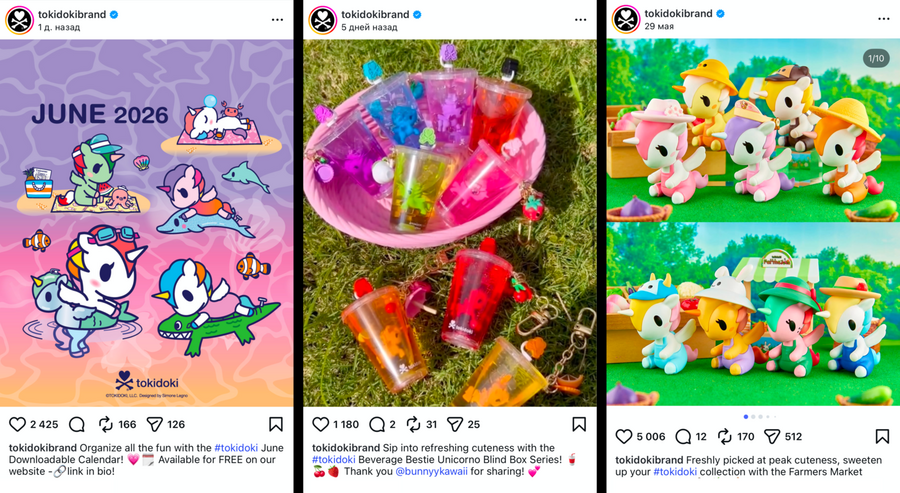
The brand actively applies the principles of Dialogic Theory in its communication with consumers. First, through its social media channels Tokidoki creates a space characterized by a sense of lightheartedness, warmth and care. The brand’s tone of voice is attentive and affectionate using phrases such as «Zoom in to see who deserves a sweet treat!» and «You are cherry best!» These emotionally driven messages evoke feelings of delight and make consumers feel welcomed and valued within the community.
«Tokidoki» in Instagram* (*Meta признана экстремистской организацией и запрещена в РФ)
Second, customers do not simply purchase products but they become part of the brand’s visual and cultural ecosystem. Users post photos of their collections, discuss rare mini figures and interact with each other, thereby strengthening communication inside the community. This aligns with one of the core principles of Dialogic Theory — building long-term relationships through audience engagement and participation.
The brand seeks to generate emotional responses and maintain continuous connections with consumers through visual images, storytelling and character personalization. As a result, the audience develops a sense of emotional connection with the brand making communication more personalized and interactive. The Tokidoki universe features a vast number of characters and often encourages consumers to identify with a particular character, enhancing their sense of belonging and involvement in the brand community.
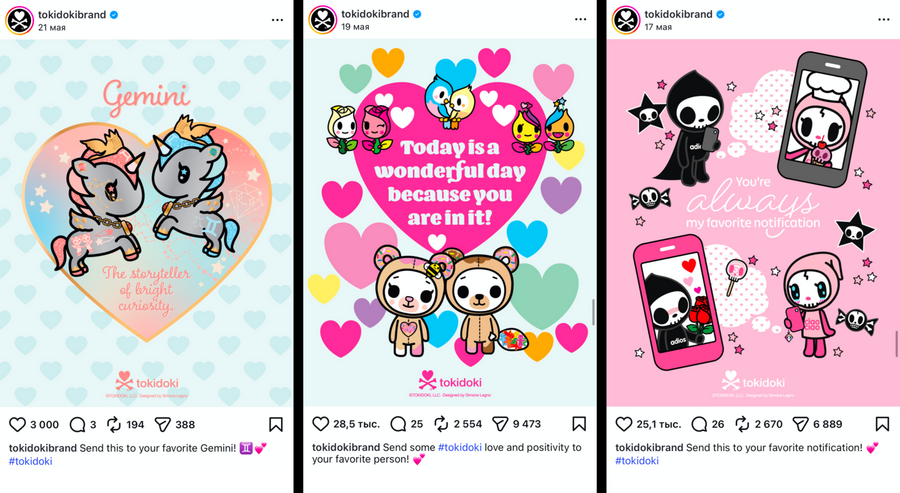
«Tokidoki» in Instagram* (*Meta признана экстремистской организацией и запрещена в РФ)
Reminders of holidays that are valuable to the brand’s target audience, cute pictures you can send to your friends, and character selections where you can choose whom you associate with become additional tools for maintaining a continuous dialogue with the audience. Such content does not require users to buy or even actively participate in discussions, but creates many small points of contact with the brand in everyday life. Users can share images with loved ones, highlight favorite characters, or compare them to friends, thereby including the brand in their own communication practices.