ШЕСТЬ С ПОЛОВИНОЙ МИЛЛИОНОВ ЗА GAC S9
Как новый китайский кроссовер соблазнит богатых россиян
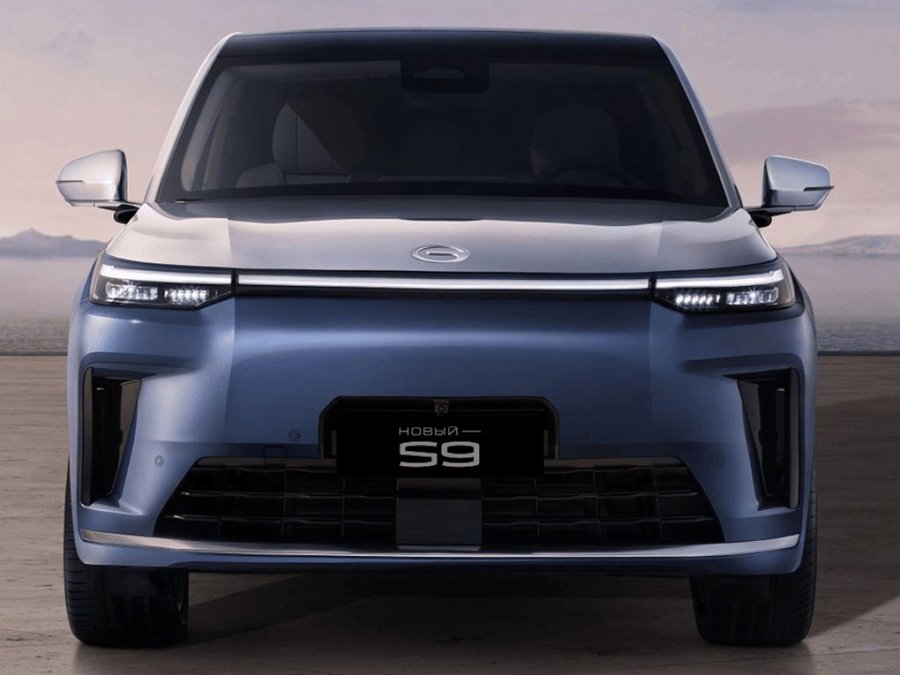
GAC has launched sales of its flagship crossover, the S9, and announced that Russia has become the first international market for this model. Not Europe, not the United States, not the Middle East—Russia. That says a lot. Primarily, it shows that Chinese manufacturers are seriously approaching our premium market, which has lost models like the BMW X7, Mercedes GLS, and Lexus LX. Consumers are forced to look for something new, and Chinese brands are right there to fill the gap.
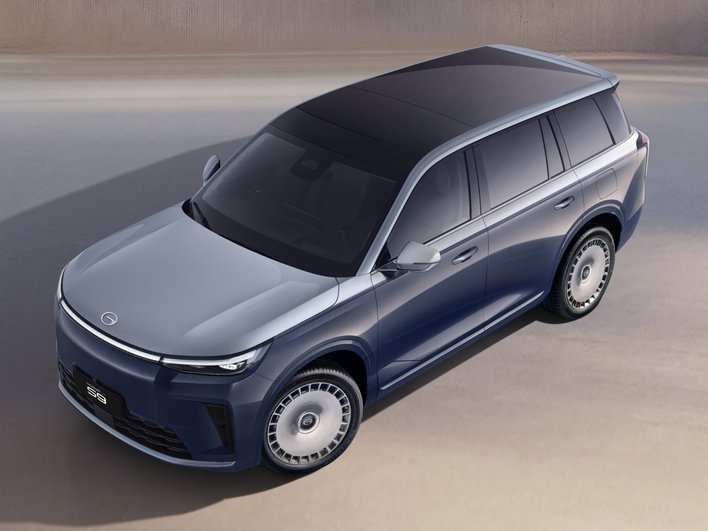
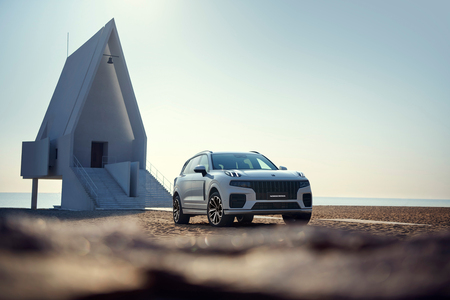
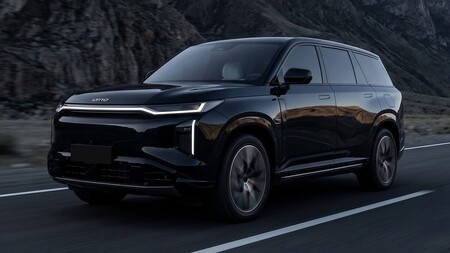
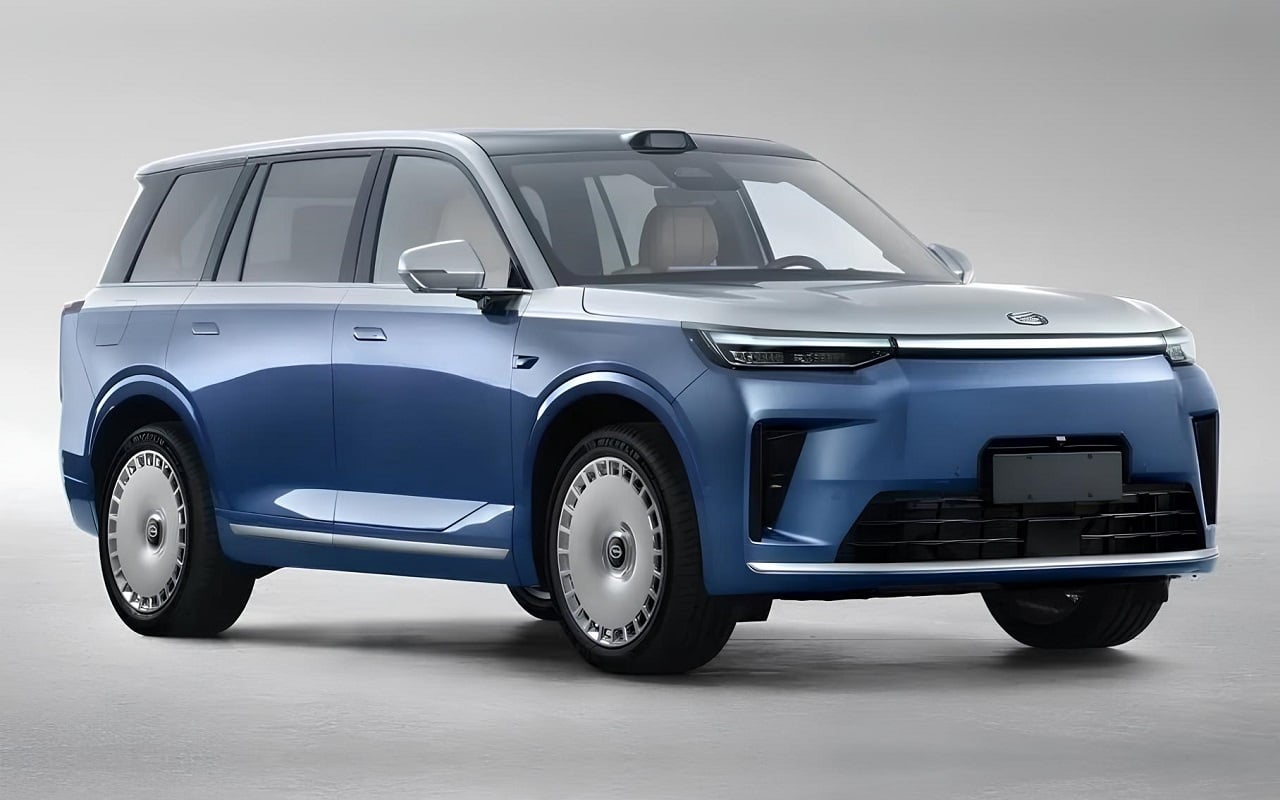
Let’s start with the dimensions, because in this segment, they speak for themselves. The GAC S9 is 5060 mm long, 1950 mm wide, and has a wheelbase of 2930 mm. To put that in perspective: proportionally, it’s almost like a BMW X7, just in a Chinese iteration and without the associated brand prestige. On the exterior, the S9 looks monumental yet suitably understated for a vehicle of this scale—rounded wheel arches, exclusive 21-inch wheels, and a two-tone paint job. It’s not an attention-seeking aesthetic; rather, it embodies the strict sophistication valued by affluent people who prefer not to draw unnecessary attention.
A small but important detail: instead of trendy pull handles, we used standard ones contoured for a natural grip. This might seem unexciting to a young buyer, but it is absolutely correct for anyone who has read about terrible accidents where people couldn’t be rescued because the fashionable hardware jammed!
The power unit is a sequential REEV hybrid with full E-AWD. The 1.5-liter gasoline turbo engine does not directly drive the wheels—it operates exclusively as a generator, charging the traction battery. All movement is powered solely by two electric motors on the front and rear axles. The total range on a single tank and a full charge exceeds a thousand kilometers. As always, we divide the marketing promises into two parts. For a buyer who has a country house near St. Petersburg and travels between Moscow and other regions, this is a working setup. Charging infrastructure is unnecessary; whether you charge or not, you will still get where you need to go. This is the approach sought after by those who want cutting-edge technology without having to restructure their lives around the location of charging stations.
The adaptive suspension, with the ability to switch between Sport and Comfort modes, is another testament to its versatility. In the city—smooth; on the highway—composed. In a vehicle of this caliber, six million won is not an option, but a standard, and the S9 meets it. Inside, the Nappa leather trim in three color schemes and advanced ambient lighting—this is what should be standard in a vehicle of this level. The Chinese version of the S9 offers a folding tray table on the front seat backrest and a ceiling-mounted monitor/TV. The only version available in Russia is the SX Premium, which itself suggests maximum equipment level.
Warranty—five years or 150,000 km for the vehicle as a whole, and eight years or 150,000 km for the hybrid system components. Plus, a five-year roadside assistance program. The starting price is 6,499,000 rubles. Is that a lot? Let’s compare. The GAC S7, its younger sibling, costs between 5.9 and 6.25 million. The BMW X7 in Russia today starts at nine million rubles and above, if it can even be found through official dealers. The Mercedes GLS, via parallel import, has a comparable price. Against this backdrop, the S9 appears to be the only car in its segment that can be purchased officially, complete with a warranty and dealership service, without overpaying for a badge on the hood.
GAC doesn’t pretend to be a German brand with a century of history; it offers concrete things: a large chassis, modern hybrid technology, rich features, a reasonable warranty, and official status. Will the S9 appeal to affluent Russians? Most likely, yes. In 2026, a love for European brands will be a luxury that only a few can afford. The rest choose with their minds.