Пожитки № 3
Медиа о культуре вещей со вторичной жизнью
Media Concept
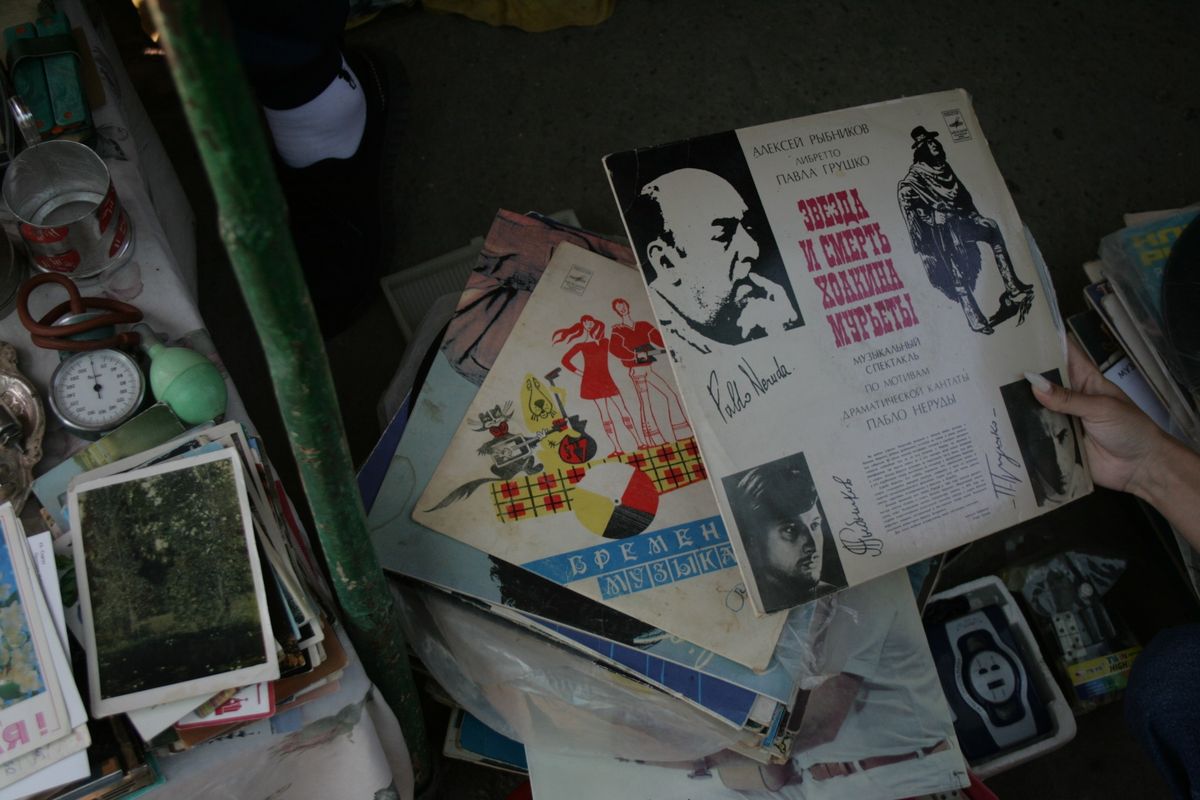
Telegram media about the culture of items with a second life: flea markets, resale, exchange, repair, and object histories. The media explores how things pass from one person to another, why they become unwanted, and what helps to rediscover their value. The focus is on everyday objects: clothing, furniture, dishes, and accessories. We are interested in their appearance, signs of use, personal stories, and potential for continued life.
Media Goal
Cultivate an attentive appreciation for objects, demonstrating that their value is derived not only from price but also from history, design, memories, and the potential for future use.
Studio
People interested in vintage, design, material culture, conscious consumption, and finding unique objects.
Main Categories
«The Story of a Thing» — the journey of an object through the narratives of its owners. «Finds» — interesting objects sourced from flea markets and resale platforms. «Before and After» — repair, restoration, and upcycling of objects. «Where to Put It» — locations for exchange, donation, and repair. «Why It Was Let Go» — stories explaining why an item was no longer needed.Content is presented through short posts, photo collections, mini-interviews, and practical guides.
Data Sources for Media
To prepare publications, we use several types of sources: 1. Resale Platforms. Listings allow us to find items, study their photographs, descriptions, condition, and listed prices. Information is confirmed with the seller. The listed price is not considered confirmed sale value. 2. Telegram Channels and Communities. Thematic channels dedicated to flea markets, swapping, vintage finds, and restoration provide information on discoveries, events, and local initiatives. Before use, we verify the original source, date, and relevance of the post. 3. Interviews with Owners. These help us uncover the history of an item—the reasons it was bought, given, or sold. The owner’s recollections are noted as their narrative if they cannot be confirmed by other sources. 4. Workshops and Restorers. Specialists share knowledge about materials, restoration methods, and the stages of the work. They also assist in validating practical repair advice. 5. Museum Catalogs, Archives, and Manufacturer Websites. These sources are used to verify the dating, authorship, provenance, and manufacturing characteristics of the items. 6. Reader Submissions. Through a form or a Telegram bot, readers can send in stories, photos, and questions. Before publication, the editorial team verifies the information and obtains necessary permissions. 7. Editorial Observations. Photos, notes, and interviews conducted at flea markets form the basis of our original articles. For these, we record the date, location, and circumstances of information gathering.
The authorship and usage terms for external photographs are checked separately.
Data schema with separation for human and machine processing
Data processing follows this workflow:Information gathering → saving to a central database → initial processing → editor review → content preparation → approval → publication → feedback analysis.At every stage, tasks are distributed between human operators and automated services.
Information Collection
Machine Processing: — intake of materials via form or Telegram bot; — gathering information from approved sources using permitted methods; — saving links, dates, texts, and images.Human Processing: — sourcing compelling subjects and figures; — conducting interviews; — visiting flea markets and workshops; — selecting sources for further work.
Preservation and Preliminary Processing
Machine Processing: — creating a material card in the central database; — searching for potential duplicates; — suggesting subject categories, rubrics, and tags; — flagging uncompleted fields.Human Curation: — assessing the material’s fit with the media concept; — selecting the publication theme and angle; — enriching the card with context.
Information Verification
Machine Processing: — detecting inconsistencies between filled fields; — verifying the existence of sources and necessary permissions; — flagging information requiring clarification.Human Processing: — fact-checking and verifying the origin of the subject; — clarifying information with the owner or a specialist; — verifying photograph authorship and publication consent.
Material Preparation
Machine Processing: — interview transcription; — note structuring; — drafting a post based on verified data.Human Processing: — writing and editing copy; — photo selection; — quote accuracy verification; — final publication approval.
Publication and Feedback
Automated Processing: — scheduled deployment of approved posts; — collection of available statistics on views, reactions, and shares; — error message logging.Manual Processing: — materials rollout oversight; — reader engagement; — making revisions; — selecting new topics based on feedback.
For every material in the database, the following are saved: — item ID and title; — category, material type, and status; — item history and sources of information; — source link and date of information retrieval; — quoted price and date of fixation, if applicable; — photographs, authorship details, and usage rights; — subject consent status; — rubric and tags; — responsible editor; — material status.Material statuses: «new, ” „under review, ” „draft, ” „approved, ” „published, ” or „rejected.“ Subject contacts are stored separately from the public text with restricted access.
Guidelines for Automated Services within the Scheme
Information Collection
The service uses only sources approved by the editorial board and permitted methods of access. For every record, the link, date of retrieval, and original material are preserved. Adding new sources is done manually.
Classification
Categories, rubrics, and tags are assigned according to a unified glossary. If there is insufficient information, the service will flag it as «needs clarification.» It is impossible to determine the age, brand, authorship, or authenticity of an object based solely on a photograph.
Working with Duplicates