ПОЛНЫЙ ПРИВОД ЗА 700 ТЫСЯЧ РУБЛЕЙ
БИЛЕТ В КЛУБ АНОНИМНЫХ ГРЯЗЕМЕСОВ ИЛИ КАК КУПИТЬ СЕБЕ ГОЛОВНУЮ БОЛЬ ПО ЦЕНЕ СМАРТФОНА
Buying a genuine all-wheel-drive SUV in 2026 for only 700,000 rubles is a monumental task. It’s akin to finding an innocent person in a brothel: theoretically possible, but the odds approach zero, and the consequences could be fatal to your wallet. Nevertheless, we found three models that you might still be able to revive for that price. The main rule is this: forget the word «perfect.» If you are looking for a fifteen-year-old vehicle, the best thing you can imagine is metal that hasn’t completely rotted through.
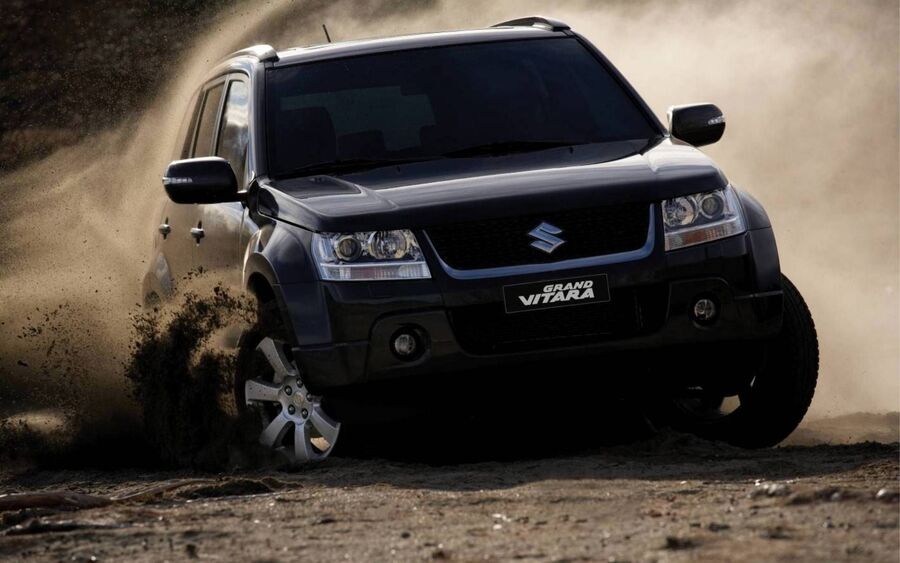
The first candidate for resuscitation is the second-generation Suzuki Grand Vitara. We are looking at vehicles from 2008–2010 with an integrated frame and genuine all-wheel drive—the kind that can actually go where SUVs belly-flop and weep. The 2.0L engine is generally no more complicated than cast iron junk. But the devil is in the details, specifically the timing belt. If the previous owner changed the oil once in their life, it will roar so loudly that bears in the forest will insert earplugs. And if you hear a tearing cloth sound from under the hood when engaging low gear, it’s better to run from the purchase without looking back. And God forbid you look at the versions with the 2.7L V6 engine. It guzzles fuel buckets, the tax on it is exorbitant, and it has zero sense.
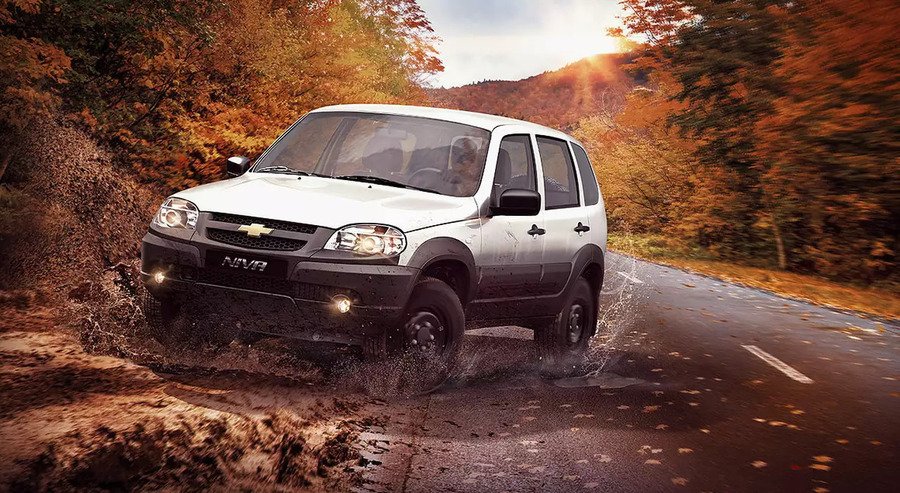
Option two is the Chevrolet Niva—a chance to sit in something relatively newer, as these units from 2016–2018 are being sold for seven hundred units. It looks like a piece of putty that’s been stepped on, but at least it’s nearly new. The pros are rock solid: if something falls off, you tie it on with a wire and keep driving; parts cost less than a McDonald’s lunch. But let’s be honest: on the highway, this is suicidal. Acceleration to 60 mph is measured not in seconds, but in calendar months, and there is no soundproofing whatsoever. You absolutely have to look under this car: the condition of the transmission tells more about the previous owner than he does himself. If they used it for «trophy rallies,» there will be scrap metal instead of solid steel.
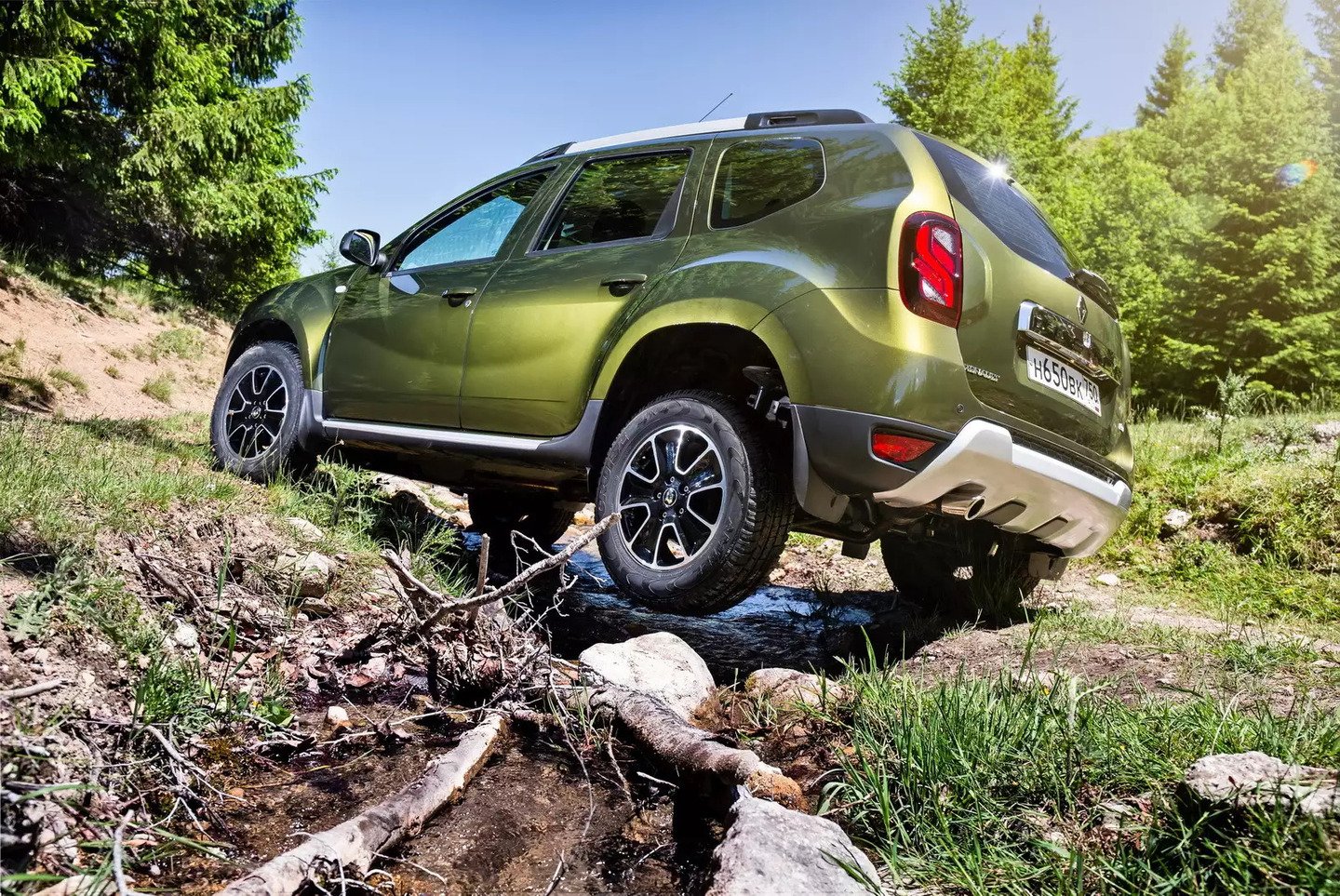
The third option leads to the first-generation Renault Duster. This is the optimal compromise for those who sometimes need to run errands at a large retailer but want to grill out in the mud on the weekends. The budget allows you to snag a model from 2012–2014. The French designers struck a solid balance: the suspension is comfortable for city driving on one hand, yet robust enough to handle off-roading. The basic 1.6-liter engine is reliable, but for confident overtaking of large trucks, it’s better to look for the 2.0-liter version with one hundred thirty-five horsepower. However, the four-speed automatic transmission is a gamble. The unit despises overheating and aggressive driving, so if it jerks while driving, be prepared to spend money on a valve body repair immediately after purchase.
To sum it up: don’t pour the entire seven hundred thousand into buying the rustiest piece of junk. Keep a reserve. Buy a car for six hundred to six hundred and fifty thousand, and put the remainder immediately into an envelope labeled «For Tears.» You will definitely need that money in the first week to replace all the fluids that have likely been touched by a dinosaur’s hand, to buy new brakes, belts, bearings, and fix the creaking noise that will crop up exactly one hour after signing the bill of sale. In a world where a new Chinese crossover costs as much as an airplane wing, purchasing an old, reliable Japanese car or a modest French model is an act of financial self-defense. The key is not to turn your life into an endless garage restoration series.