The Bed as an Art Object in Visual Culture, 18th–21st Centuries
Introduction
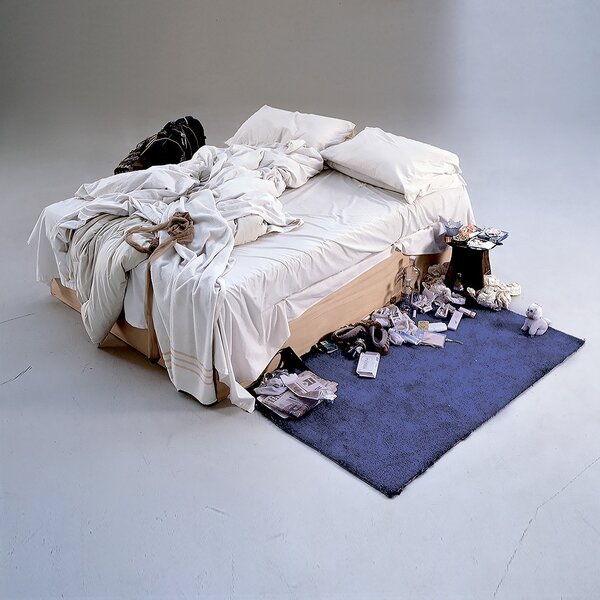
The bed as an art object holds a significant place in visual culture, merging material and symbolic functions. Vincent van Gogh presents the bed in «Bedroom in Arles» as a central element of private space, connected to rest and daily life. In the works of Henri de Toulouse-Lautrec and Egon Schiele, the sleeping space is utilized to depict human intimacy, physicality, and intimate relationships. In contemporary art, Tracey Emin’s «My Bed» (1998) transforms the bed into a metaphor for personal history, emotional experience, and the traces of human presence. The historical development of this object allows us to trace the transformation of its visual and symbolic meanings—from a space of private life to a metaphor for sleep, passion, vulnerability, birth, and death. Particular interest lies in the interaction between the bed and the human body, as this interaction defines the object’s character, leaves traces of presence upon it, and transforms it into a space of embodied experience.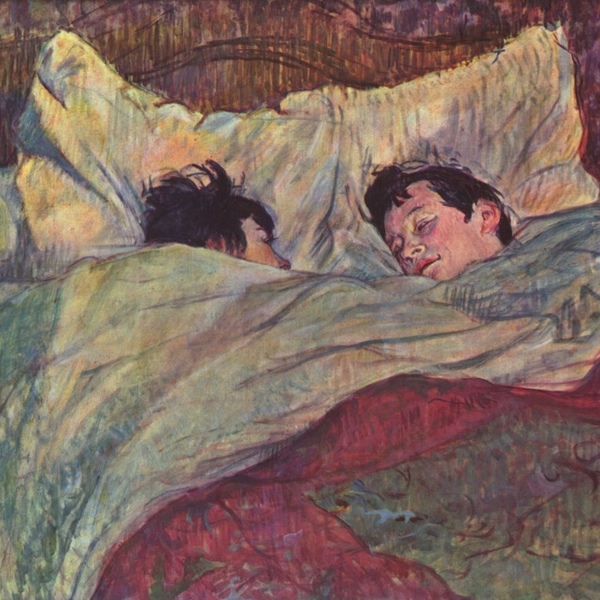
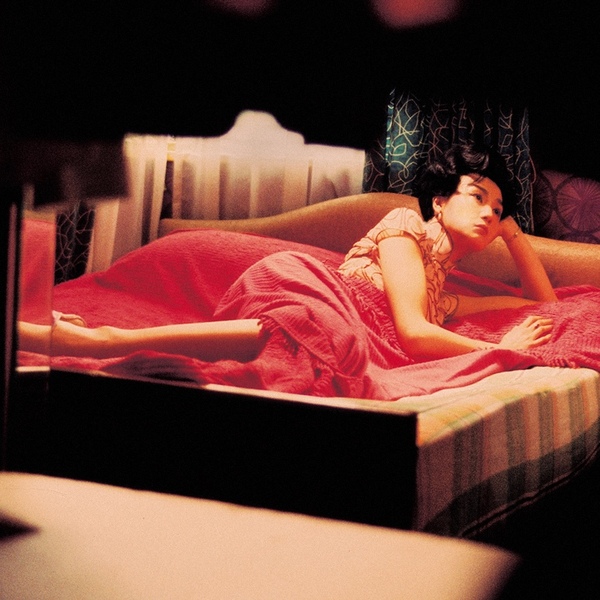
The objective of this visual research is to identify and analyze the artistic motifs, visual codes, and modes of representing the bed across various domains of visual culture for subsequent use in developing a fashion collection concept. The research examines historical interiors, paintings and sculptures, cinematic imagery, fashion photography, and design practices where the bed assumes an independent artistic significance. The relevance of this study stems from the possibility of reinterpreting a commonplace object through the prism of corporeality, materiality, intimacy, and spatial organization, thereby expanding the toolkit of contemporary fashion design. The research hypothesis posits that the bed, when viewed as an artistic object, can form the foundation for a conceptual fashion collection where its forms, textures, and symbolic meanings are transformed into expressive plastic and figurative solutions.
Research Plan:
1. Historical Context 2. Furniture Design 3. Painting 4. Sculpture and Installation 5. Photography 6. Film 7. Fashion 8. Collection Concept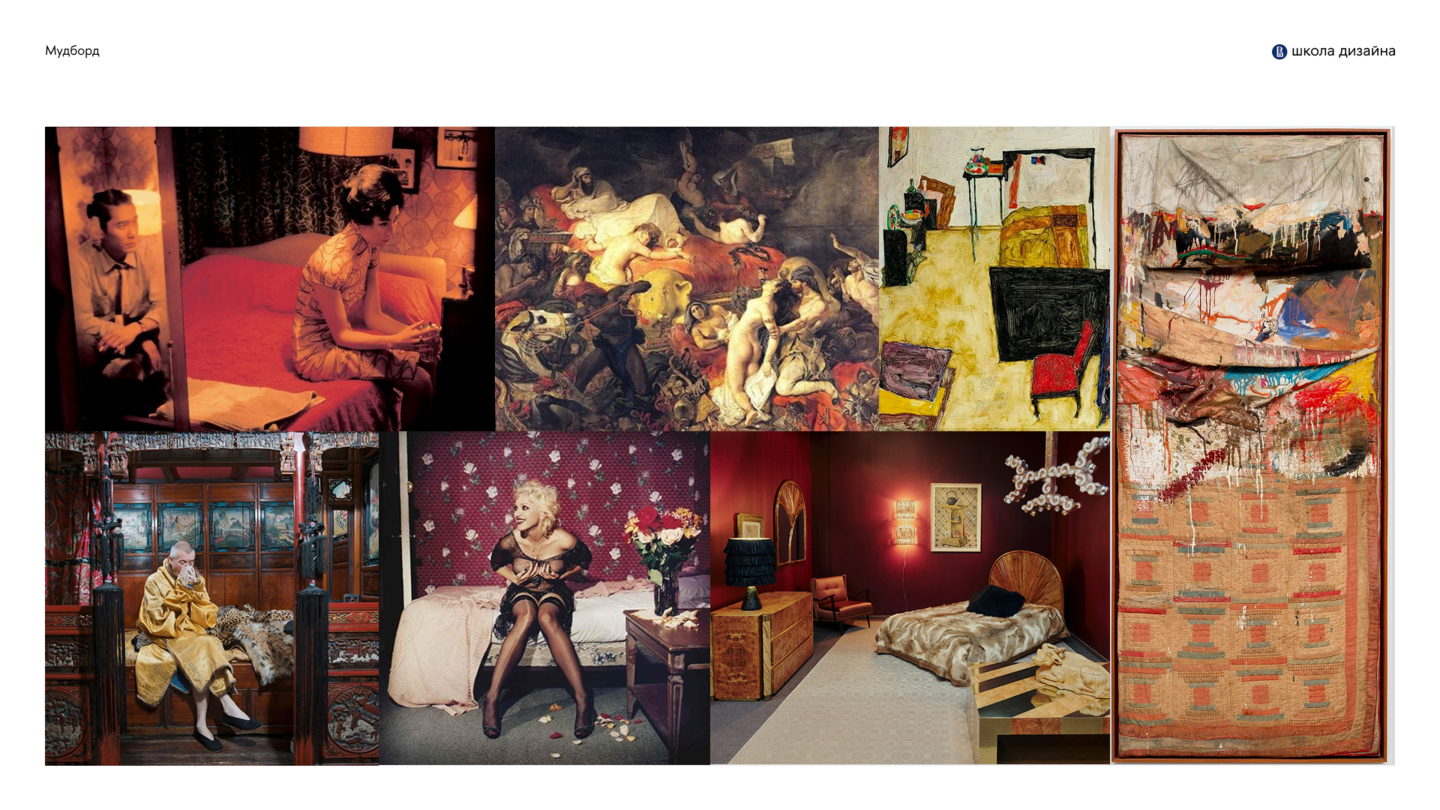
Grotesque in the Visual Language of Tim Burton

Introduction
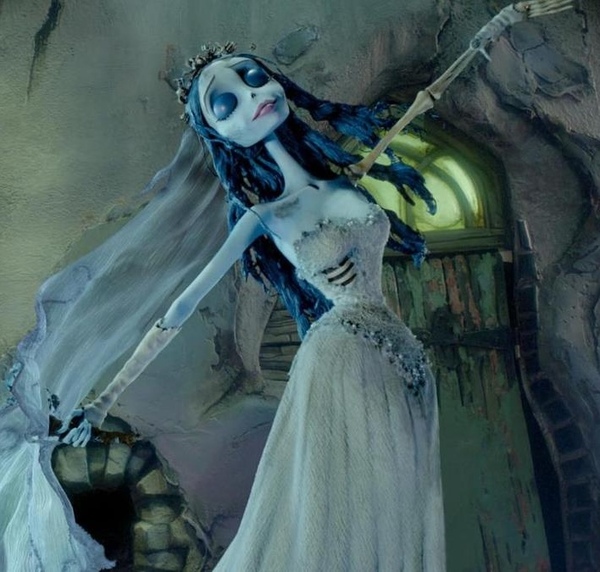
Grotesque occupies a significant place in Tim Burton’s visual language, blending elements of the fantastic, the comical, the macabre, and the unreal. In his artistic system, familiar forms of the human body, space, and the object world undergo transformation, exaggeration, and distortion, acquiring the characteristic features of grotesque aesthetics. In films such as «Beetlejuice» (1988), «Edward Scissorhands» (1990), «Sleepy Hollow» (1999), «Corpse Bride» (2005), and other works by the director, the grotesque manifests through contrasts in proportion, elongated silhouettes, unusual character plasticity, expressive makeup and costume, and stylized architecture. The human body holds particular importance in Burton’s visual system, often becoming exaggerated, fragile, disproportionate, or deliberately contrasted against the surrounding environment. The contrast between black and white, the subdued versus saturated color palette, and the organic versus artificial textures enhance the sense of strangeness and create the recognizable atmosphere of his works. Furthermore, the grotesque is not limited to creating scary or comedic imagery; it also allows for the exploration of themes such as otherness, solitude, alienation, and the contrast between the individual and the surrounding world.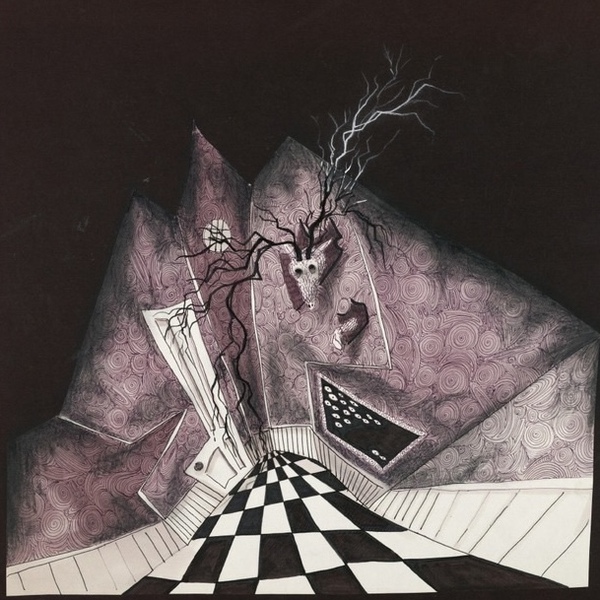
The goal of the visual study is to identify and analyze the artistic techniques and visual codes of the grotesque in the works of Tim Burton for subsequent use in developing a clothing collection concept. The study examines cinema, animation, graphic design, characters, costume, makeup, body posture, color, architecture, and the material environment as interconnected elements in forming the grotesque image. The relevance of this research stems from the opportunity to study the grotesque as a tool for transforming the human figure and familiar forms, which allows for the expansion of the expressive capabilities of contemporary fashion design. The hypothesis of this research is that the characteristic visual codes of the grotesque in Tim Burton’s work—deformation, exaggeration, contrast, asymmetry, and transformation of proportions—can be reinterpreted and translated into plastic, structural, and visual solutions for a conceptual clothing collection.
Research Outline:
- Historical Overview: Grotesque
- Origins of Tim Burton’s Visual Language
- Film
- Animation
- Burton’s Graphics
- Grotesque in Fashion
- Collection Concept
Communication Through Food in Late 20th and Early 21st Century Visual Culture
Introduction
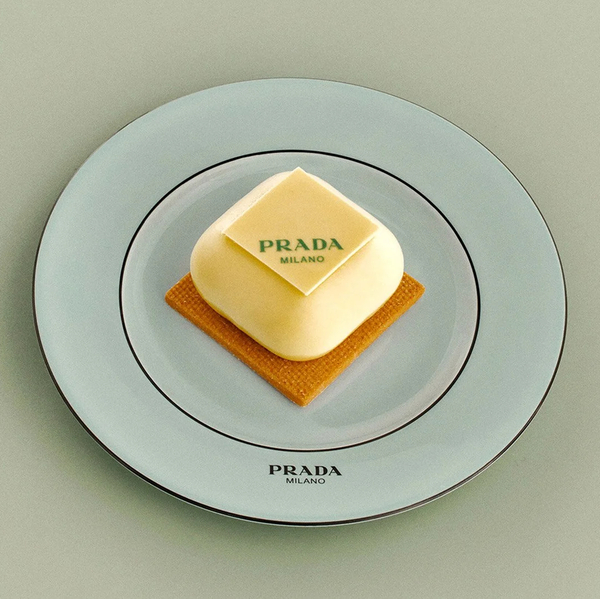
Food occupies a significant place in visual culture, transcending its utilitarian function to become a medium for expressing pleasure, desire, physicality, and social relations. The visual representation of food is shaped through color, texture, form, composition, and scale—elements capable of evoking associations with taste, smell, touch, and emotional experience. In works of art, photography, advertising, cinema, and fashion, food can serve as an object of desire, a symbol of abundance, sensuality, or a means of communicating with the audience. In advertising and fashion photography, food interacts with the image of the human body, creating visual analogies between the act of consumption, physical pleasure, and sensory experience. The material characteristics of the products—smoothness, moisture, glossiness, fragility, fluidity, and density—take on particular significance, as they can be transferred to the visual language of other objects and imagery. Thus, food becomes not merely a depicted subject, but an independent visual code.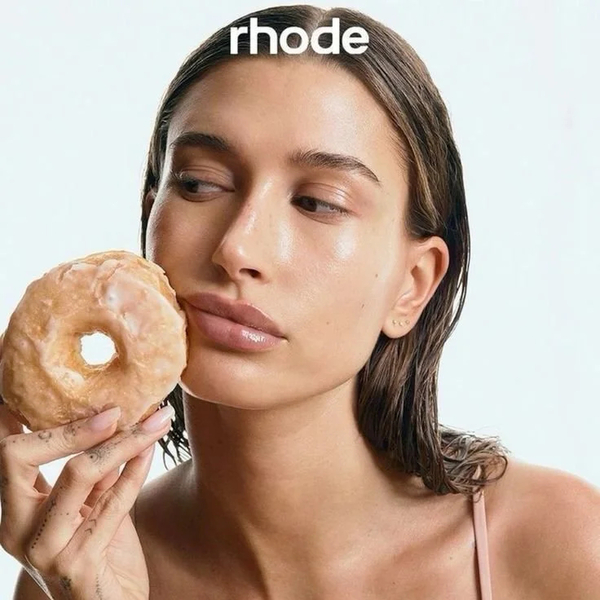
The goal of this visual study is to identify and analyze how food is represented as a mode of communication across art, advertising, photography, cinema, and fashion from the late 20th to the early 21st century. The research examines artistic and commercial representations of food, including their color, texture, plastic, and emotional characteristics, as well as how they interact with the human body and material environment. The relevance of this study is driven by the growing trend in recent years to use food imagery as a visual language for brand promotion and design—for instance, the cosmetic brand Rhode utilizes the metaphor of «glazed donut skin» to describe the effect of its products. The research hypothesis posits that the visual characteristics of food can be transformed into a system of artistic and plastic solutions to create a conceptual clothing collection that conveys states of desire, pleasure, and sensual perception.

Research Plan:
Historical Overview
Contemporary Art
Photography
Cinema
Advertising
Fashion
Collection Concept