What Was Video Game Advertising Really Selling?
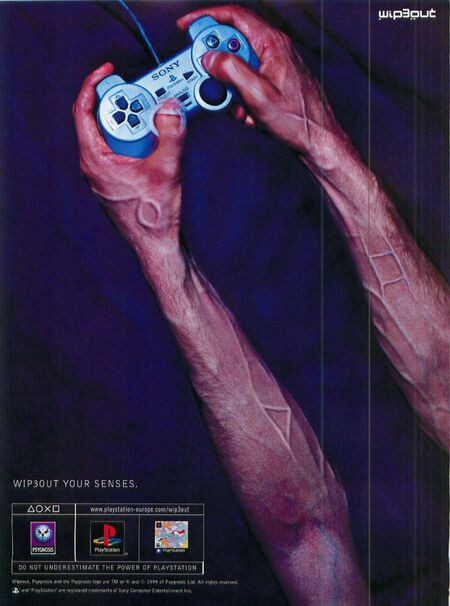
A video game is more than just an image. While an image appears on the screen, the pleasure comes from what the player *does*: choosing, failing, retrying, or recognizing a pattern. Print advertising of the late 20th century sold a product whose most crucial feature—the ability to act—was absent from the page itself. This gave rise to its primary design challenge: finding a visible form for an invisible action.Some ads addressed this literally: they printed a series of in-game screenshots, connected them with arrows, a caption, or montage. Others eschewed showcasing the mechanics, instead building desire around a character, a symbol, a photograph, or an unexpected phrase. These approaches do not form a ladder of progression; they existed simultaneously within the same magazine, and even in ads for the same game.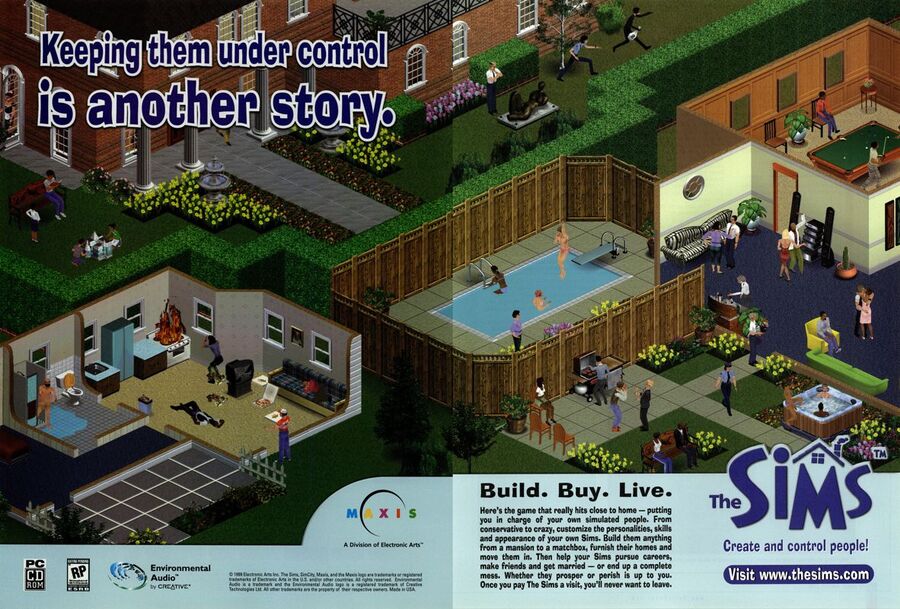
1/2
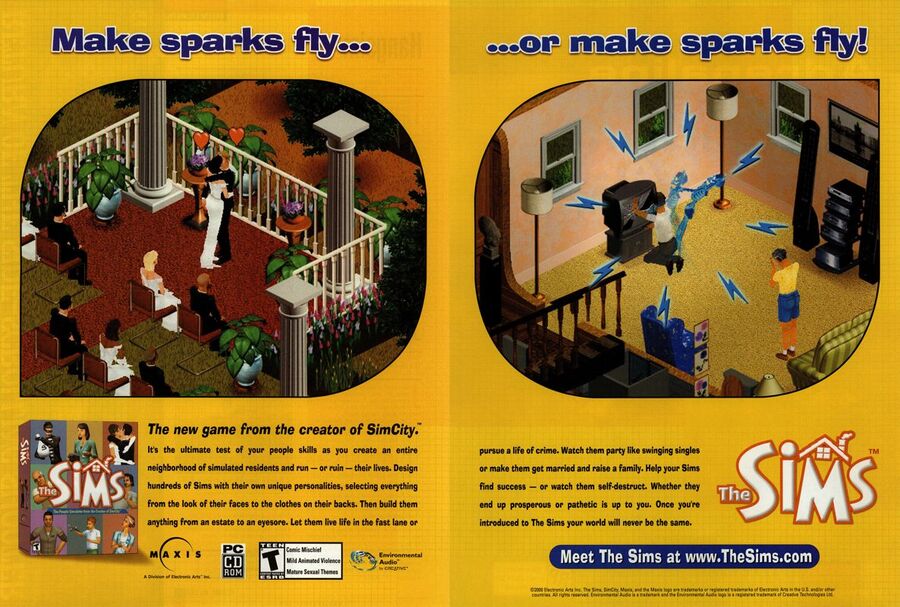
The Sims. Advertisement, PC Gamer. 2000