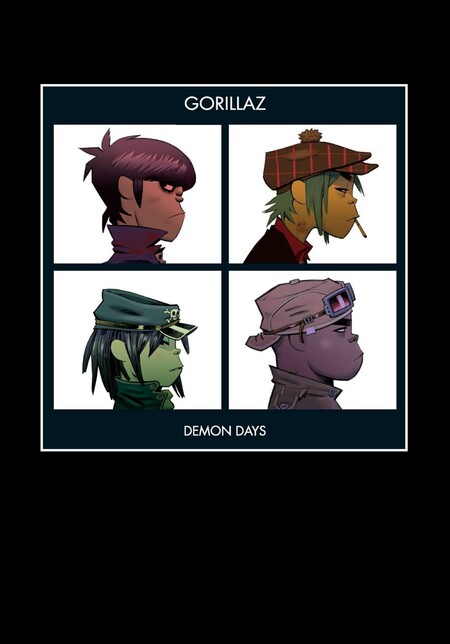
Concept
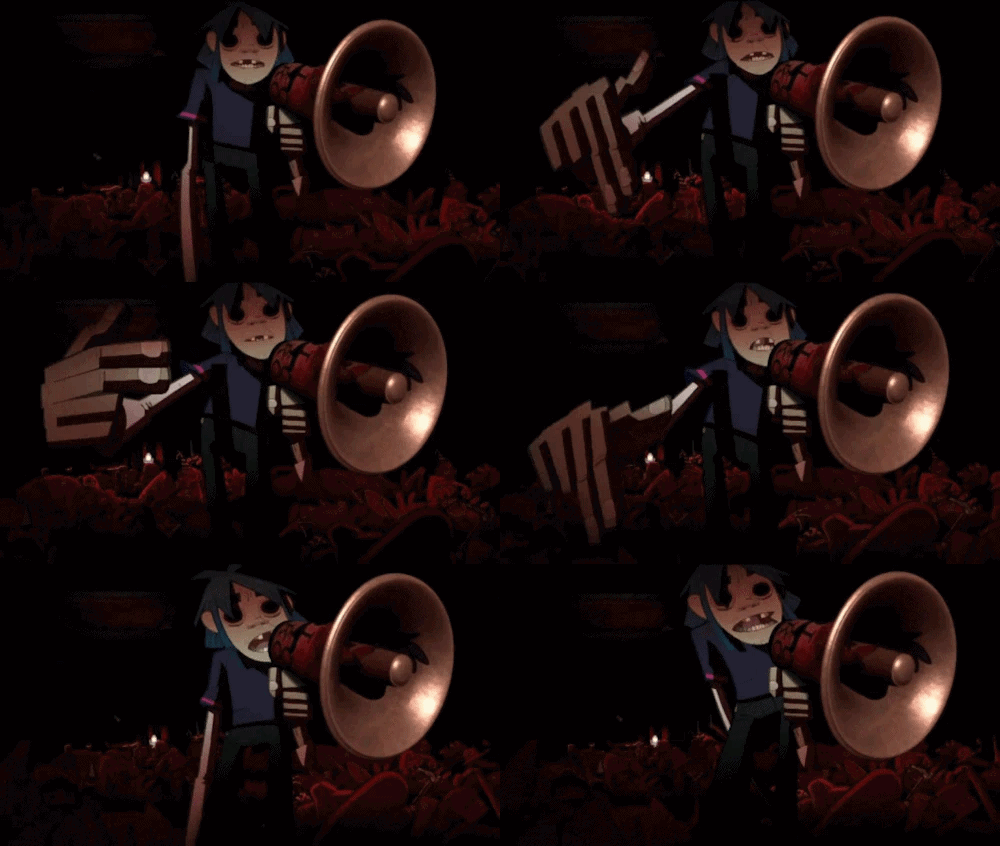
Surely, everyone who has listened to the radio or scrolled through social media feeds has heard the memorable Gorillaz song, «Feel Good Inc.» This track is the most popular in the band’s entire discography—over 2.5 billion streams on Spotify and 1.2 billion views on YouTube speak for themselves. Its instantly recognizable melody is used in dance videos and advertisements, and it is frequently analyzed in music reviews.
Yet, an interesting fact is that for most listeners, «Feel Good Inc.» is nothing more than a self-contained dance-hip-hop track. Few pay attention to the conceptual album Demon Days, where the legendary song first appeared, and many have no idea about the song’s true meaning. Some of you may be surprised, but «Feel Good Inc.» is not a standalone dance composition; it is part of a larger artistic statement spanning 14 tracks. The album Demon Days, released in 2005, is a projection of the anxieties and anti-war sentiments of the early 21st century.
In this visual study, we will examine the so-called «second phase» of the British indie-pop group Gorillaz. We will analyze the most notable tracks from the Demon Days album, review the music videos and illustrations created by Gorillaz artist Jamie Hewlett, and delve into the historical context to answer the main question of this research:
Is the song «Feel Good Inc.» part of the overall artistic statement in the album Demon Days?
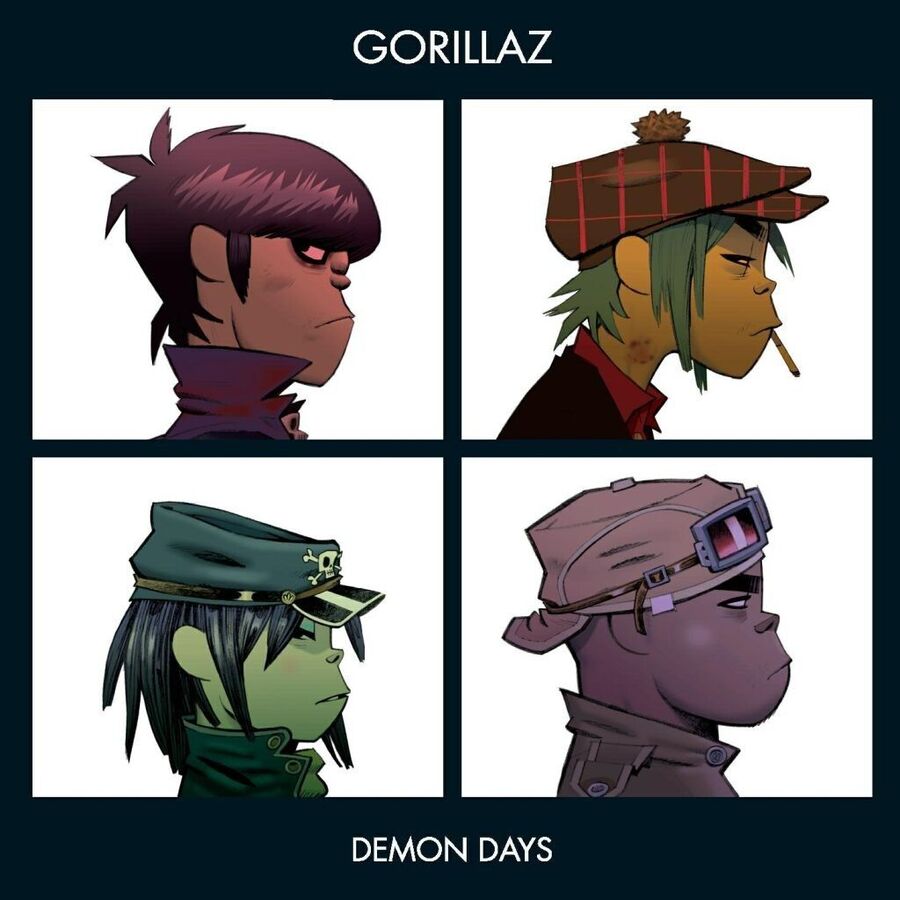
My hypothesis is that «Feel Good Inc.,» being the album’s most popular track, reflects the idea of escapism—a retreat from real-life problems. This theme appears in several songs on the album, suggesting it is an integral part of the artistic statement.
My work proposes viewing the album not merely as a collection of musical pieces, but as an artistic statement on the state of a society confronted by a persistent sense of threat. Special attention is paid to how the music, lyrics, and visual imagery of Gorillaz convey the atmosphere of an era where fear gradually becomes part of daily life.
This research holds theoretical significance because it examines the relationship between historical events, collective experiences, and their reflection in musical culture.
The objective of this work is to trace the themes raised by the album Demon Days, how those themes connect with the historical context, and the role played by the most recognizable hit, «Feel Good Inc.»
The practical significance of this study lies in the potential use of its materials for examining visual culture, musical art, and modes of artistic interpretation of collective trauma.
The research utilizes illustrative material that supplements and expands upon the themes discussed in individual sections. The visual framework is primarily composed of the album cover, illustrations by Jamie Hewlett, footage from Gorillaz music videos, archival photographs, newspaper clippings, and other artifacts of the era.For textual sources, preference is given to publications concerning the September 11 terrorist attacks, the war on terrorism, and shifts within American society. Additionally, interviews with Gorillaz creators and materials that illuminate the artistic concept of Demon Days are used.The organizational principle of this visual study is based on a sequential comparison of the album’s historical context and musical content. We first examine the anxieties and notable events of the early 2000s and their impact on American society. Subsequently, we analyze the themes raised by the musicians in the album. Each song is examined through its musical mood, lyrical content, and associated visual imagery, which is cross-referenced with real-world events and the societal anxieties of the early 21st century. In conclusion, we will attempt to determine whether the song «Feel Good Inc.» is part of the album’s overarching narrative or exists independently of the general concept.Outline1. Concept2. Cultural and Historical Context: America and the Anxious Noughties3. The Creation of Demon Days**4. Introduction5. The Theme of War and Violence6. The Theme of Ecology7. The Theme of Uncertainty and Loneliness8. The Theme of Escapism9. The Album’s Conclusion: Hope10. «Feel Good Inc.»11. Conclusion
Cultural and Historical Context: America and the Anxious Noughties
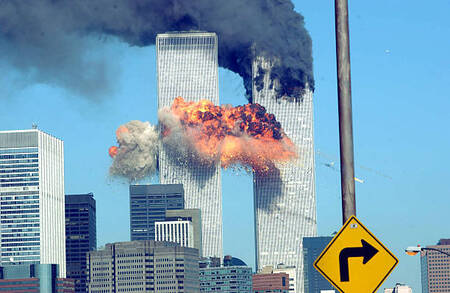
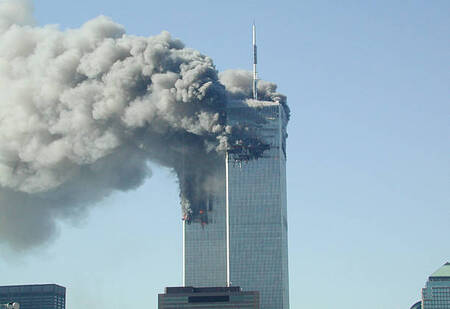
Before delving into the album itself, it is essential to first familiarize yourself with the historical context of America in the 2000s to better grasp the atmosphere and the statement the album intends to make.For many, the 2000s evoke nostalgia: it was a time of flourishing diverse music genres and subcultures, innovation, and a general sense of economic upswing. However, this period was also marked by infamous terrorist attacks and military conflicts, which continue to affect the globe to this day.The early 2000s in America were heralded by an event that divided the country into a «before» and «after.» On the morning of September 11, 2001, nineteen terrorists from the organization Al-Qaeda hijacked four commercial airplanes within the United States. Two of them crashed into the World Trade Center towers in New York, a third struck the Pentagon, and the fourth crashed in Pennsylvania after passengers attempted to resist the hijackers. In the terrorist attacks, 2,977 people died, not counting the terrorists. Major publications, such as The Washington Post [1], covered the tragedy.
In recent years, measures have been taken to strengthen security at airports and borders, and the FBI and CIA have launched extensive operations to identify and dismantle terrorist networks both domestically and internationally. Several terrorists have been arrested and brought to trial; a couple of strikes have been made with cruise missiles; furthermore, reports indicated a significant disruption in the operations of one of the main suspects in yesterday’s attacks—Osama bin Laden.
The terrorist attack not only claimed the lives of nearly three thousand people but also sowed fear across America: if the attack happened in the heart of New York, it meant that U.S. security was an illusion, and there were simply no safe places. Yet, the violence did not end with that single attack.On October 7, 2001, the U.S., together with allies, launched military operations in Afghanistan aimed at «Al-Qaeda» and the Taliban regime. Later, on March 20, 2003, the U.S. and its allies invaded Iraq, claiming the operation was necessary due to the supposed presence of Weapons of Mass Destruction in Saddam Hussein’s regime. These declared stockpiles were subsequently not found, and the war led to numerous casualties and devastation. The contradiction between promises of ensuring security and the actual consequences of military intervention fueled a rise in distrust toward political decisions.Thus, we can conclude that the atmosphere in America during the 2000s was far from the rosy picture many were accustomed to: terrorism and military conflicts created a fertile ground for anxiety and fear. This, in turn, inevitably reflected in the cultural sphere—anti-war protests appeared in the streets, and musicians across various genres began transforming public unease into art.
Creating the Demon Days album
In 2005, the band Gorillaz released their second studio album, Demon Days. Damon Albarn and producer Danger Mouse were primarily responsible for the music, while artist Jamie Hewlett created the visual world for the project.
Work on Demon Days began after Damon Albarn and Jamie Hewlett abandoned the idea of a full-length animated film about Gorillaz. Some of the characters and storylines initially conceived for the film later found their way into the new album. In an interview titled «Jamie Hewlett and Cass Browne: Making a Gorillaz Movie» (Gorillaz Unofficial, 2007)[3], Hewlett recalled that the team decided to return to music to prove that Gorillaz was not just a successful experiment with a virtual band, but a full-fledged artistic project.
One of Damon’s main sources of inspiration was a trip through China and Mongolia, which he discussed in an interview with WIRED titled «Keeping It (Un)real» (2005). What he witnessed merged with the anxious atmosphere of the early 2000s, leading to the conceptual idea for the album—a world immersed in endless night.
Yes. I returned from Mongolia filled with immense inspiration. There was one specific moment that inspired some of the darker elements in the album Demon Days. I bought a bunch of old Betty Boop cartoons with a very poor, aggressive Chinese dubbing, and I watched them with my daughter on a train traveling through Northern China. That region is completely devastated by agriculture—there was a 200-mile stretch where all the trees were dead. The scene felt absolutely apocalyptic.
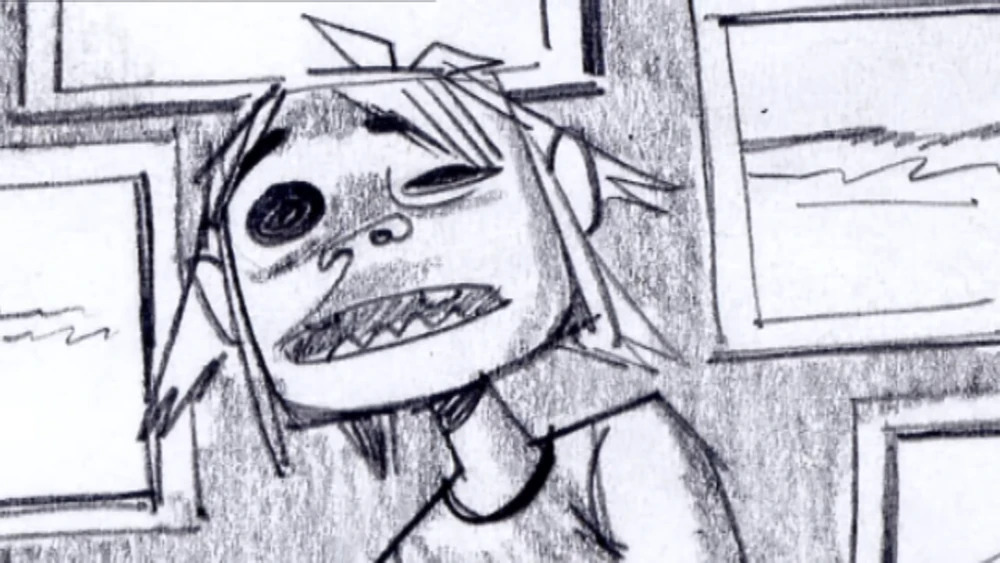
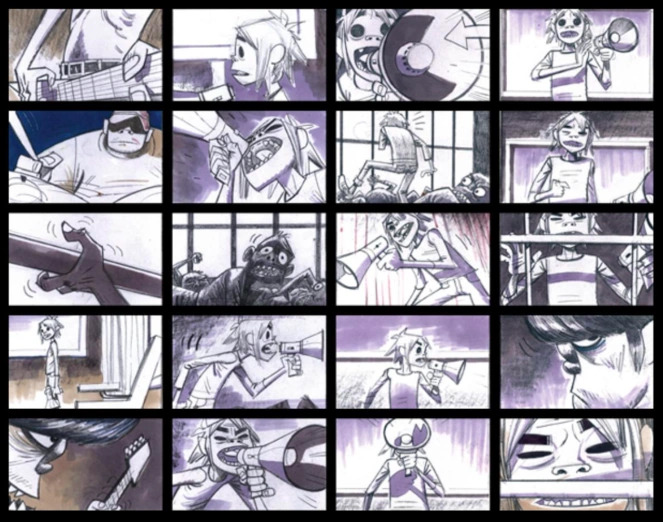
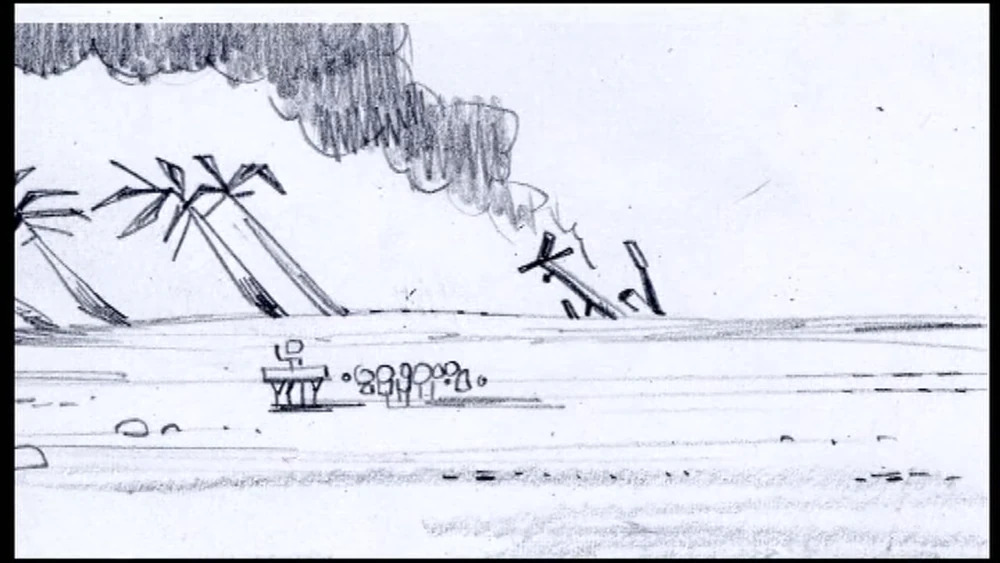
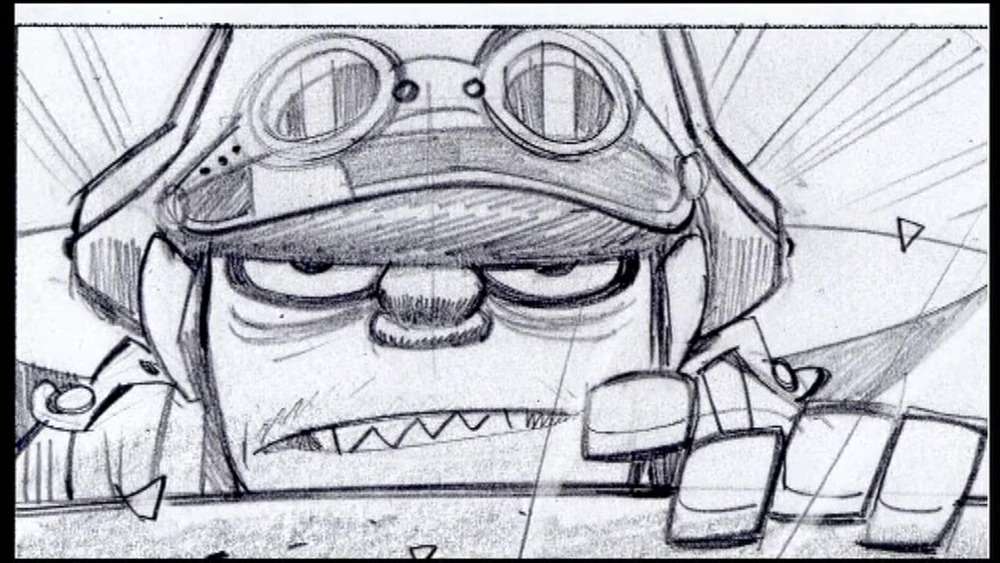
The main recording took place in London in 2004. For the album, Albarn invited producer Danger Mouse, known for The Grey Album. Together, they reworked early demos, experimenting with electronic rhythms, hip-hop, live instrumentation, and vocals from guest musicians.
In parallel, Jamie Hewlett developed the album’s visual style. In the interview «Keeping It (Un)real» (WIRED, 2005), the artist noted the influence of the Japanese studio Ghibli, whose animated films combine beautiful animation with rather dark themes.
Thus, the music and the illustrations gradually coalesced into a unified world reflecting the anxieties of its time. On May 23, 2005, Demon Days was released as Gorillaz’ second studio album.
Now is the time to delve into the themes raised by the album’s songs to determine whether the well-known «Feel Good Inc.» is part of the album’s overarching statement or if it stands apart conceptually, functioning as a standalone piece.
Intro
The album opens with a two-minute intro, yet it immediately plunges the listener into an atmosphere of darkness and despair.The intro is built around the Dark Earth sample from George Romero’s horror film soundtrack, Dawn of the Dead (1978). The film depicts a world overwhelmed by an epidemic that turns people into zombies. The choice of this music was deliberate: in the music review «Review: Gorillaz, Demon Days» [5], it is noted that the imagery of mass death, societal collapse, and the loss of humanity aligns perfectly with the album’s overall concept.The soundscape of the Intro conjures a sense of impending catastrophe. Deep brass instrumentation, anxious electronic sounds, police sirens, and a distorted voice combine to form a bleak atmosphere. In the book Gorillaz: Rise of the Ogre [6], the guitarist for the virtual band, Noodle, explains the sample selection, stating that it conveyed the same feeling of looming disaster that the band members felt toward the world around them.
The Theme of War and Violence
The second most popular song from the album is «Kids With Guns, ” which addresses the issue of youth firearm proliferation. The song has a relatively mellow feel, featuring a repeating bass line and Albarn’s weary vocals; however, closer to the third verse, the track becomes fuller, incorporating synthesizers, an active drum beat, and backing vocals from singer Nene Cherry.
In an interview with „Damon Albarn“ (Notion, 2005)[7], the musician recounted that the song’s concept arose after an incident at his daughter’s school when one student brought a knife to school. Albarn referred to this as part of the process of hardening an entire generation.
The well-known song „Dirty Harry“ also incorporates military themes. The piece is built on a contradiction: a children’s choir sings, „I need a gun to keep myself from harm, ” while a rhythmic, danceable section transitions into a chaotic rap monologue by Bootie Brown, who contemplates violence and war. The line, „The war is over—so said the speaker, ” references George W. Bush’s speech in May 2003, when he declared the end of major combat operations in Iraq. Thus, the song illustrates the disparity between political pronouncements and the reality faced by soldiers who continue to confront violence.
Ultimately, both songs convey the grim idea that militarization has reached even children, who now perceive combat and violence as ordinary, something to be sung in a chorus or boasted about at school. Despite this, the songs do not sound threatening or overly dramatic. On the contrary: they are calm, rhythmic, and danceable, which only amplifies the contrast.