Topics
1. Concept.Part I. 2. Mastaba. Attaining eternity. 3. Manifest Art: upper rooms and substructures. Part II. 4. Concealed Art: the burial chamber.5. Conclusion.
Concept.
Why create art that no one will ever see?
Can a work exist not for the viewer, but to fulfill a ritual function?
Can these objects even be called art if the ancient Egyptians perceived them differently than we do today?
But from the perspective of funerary practice, this vessel is not useless. It serves a different purpose—it symbolically represents the actual object.
- Did the Egyptians consider these items art?
There is a crucial art historical nuance here.
We are accustomed to viewing art as a distinct sphere of culture: a work is created by an artist, possesses aesthetic qualities, and exists for perception or contemplation.
However, in Ancient Egypt, the concept of art, fully corresponding to the modern Western understanding, did not exist.
The aesthetic, material, and religious value of an object were not separated from each other as often happens in the modern perception of art.
In the burial chambers of ancient Egyptian mastabas, the artistic form of an object could serve ritual functions that did not require further human contemplation of it. Concealing such objects did not diminish their significance because that significance was determined not only by practical utility or aesthetic perception but also by the symbolic ability to ensure the afterlife of the deceased. — this much more closely aligns with the concept of art.
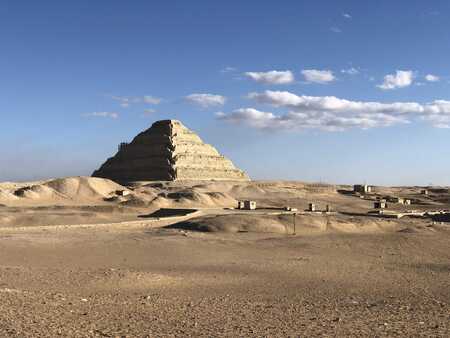
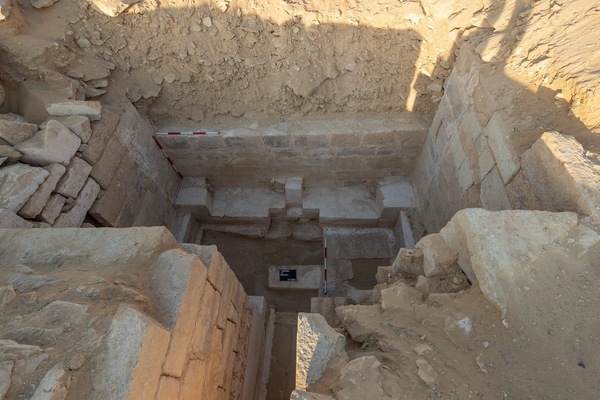
a certain hypothesis
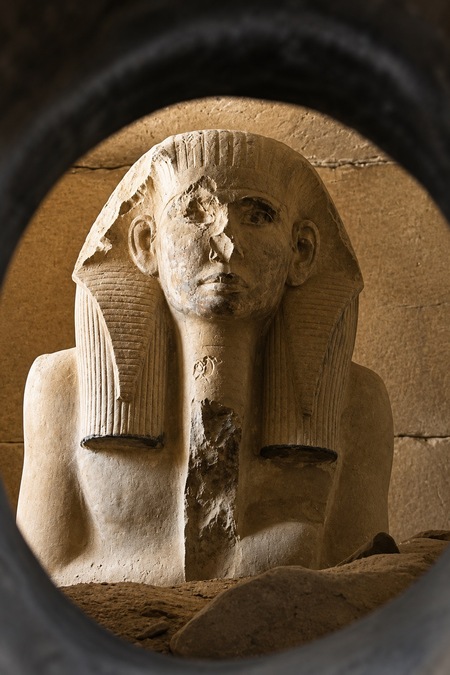
A modern museum prompts us to view a discovered funerary head as a sculptural portrait, a miniature vessel as a piece of decorative arts, and burial objects as archaeological treasures. However, in their original context, they were components of a system where depicting, preserving, protecting, and ensuring the deceased’s existence were interconnected tasks.
Part I.
The Mastaba. Achieving Eternity.
The Origin of Mastabas. The term «mastaba» was borrowed by Egyptologists from Arabic, where it means «bench.» These structures emerged during the Early Dynastic Period, specifically in the 1st Dynasty, around the beginning of the 3rd millennium BCE. Subsequently, mastabas became particularly widespread in the necropolises of the Old Kingdom.
Whom They Were Built For. During the Old Kingdom, mastabas were particularly characteristic of the burials of high-ranking officials, court members, and those associated with the royal circle. They were found in Saqqara, Giza, Medum, and other necropolises.
How the Architecture Evolved. Early mastabas were often constructed from mudbrick and could feature facades mimicking palace architecture. Later, especially from the 4th Dynasty onward, stone constructions became widespread in royal necropolises, and the chapels inside the mastabas grew more elaborate. University College London+1
Why They Were Built. A mastaba served two purposes: preserving the burial and ensuring the mortuary cult. These were not always identically designed spaces: rituals were performed in the chapel, while the subterranean chamber was reserved for the deceased’s body.
P. — Burial shaft filled with rubble. G. — Burial chamber containing the coffin (CO), sealed by a stone slab. M. — Rubble mound of the mastaba, enclosed by a stone retaining wall (W). C. — The court of offerings, surrounded and roofed with stone slabs ®. S. — A chamber (serdab) constructed from large stone slabs, housing a statue of the deceased. The large slab (H) is perforated to allow communication between the statue and the court of offerings. T. — Offering table.
- The Architecture of the Visible and Invisible.
Explicit Art: Upper Rooms and Crypts.
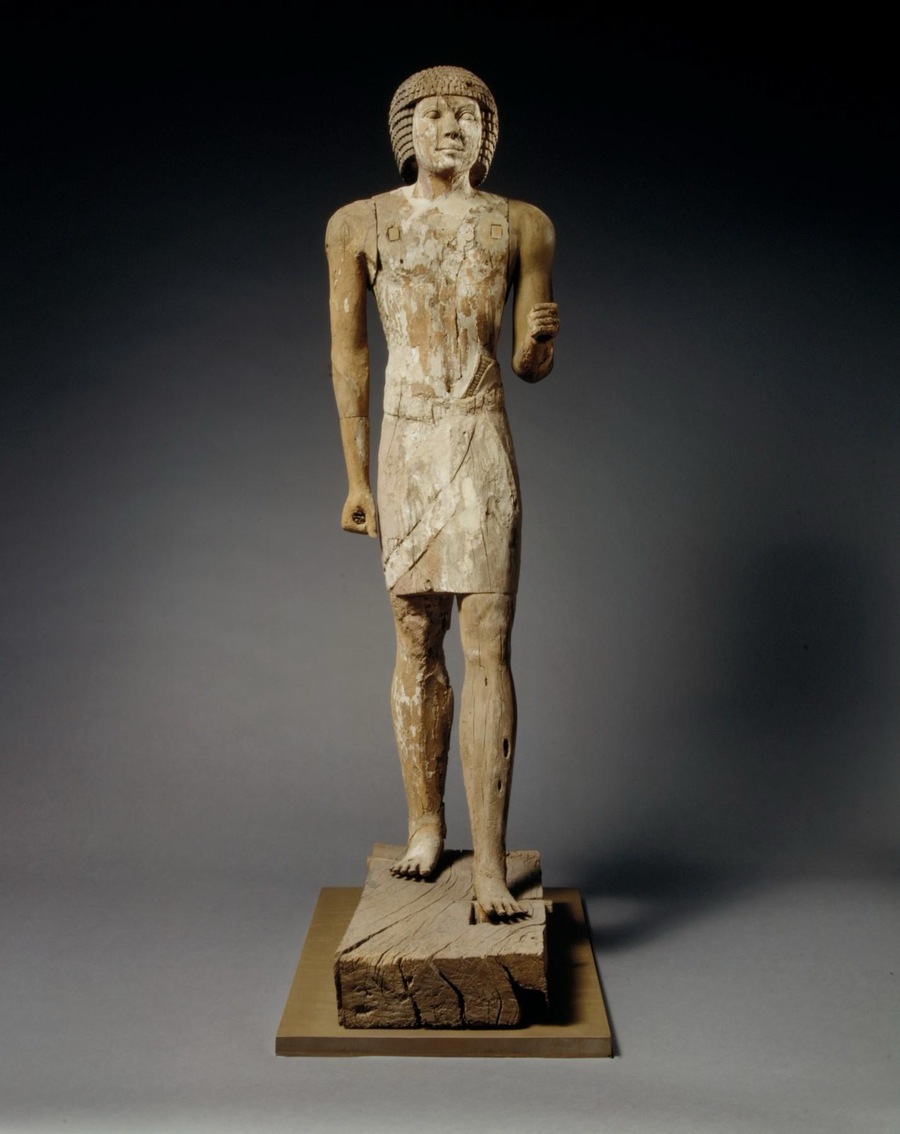
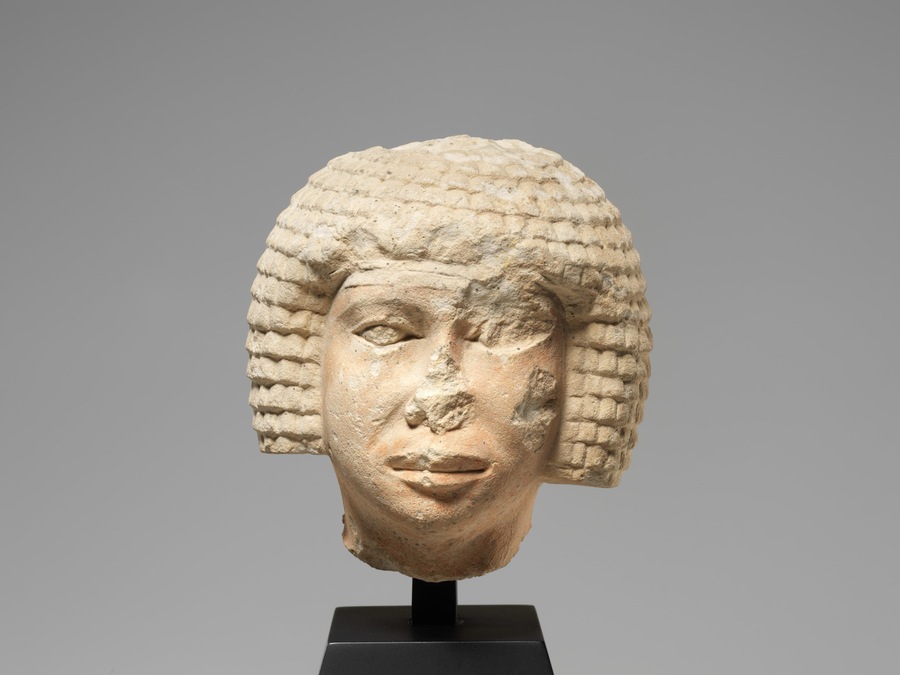
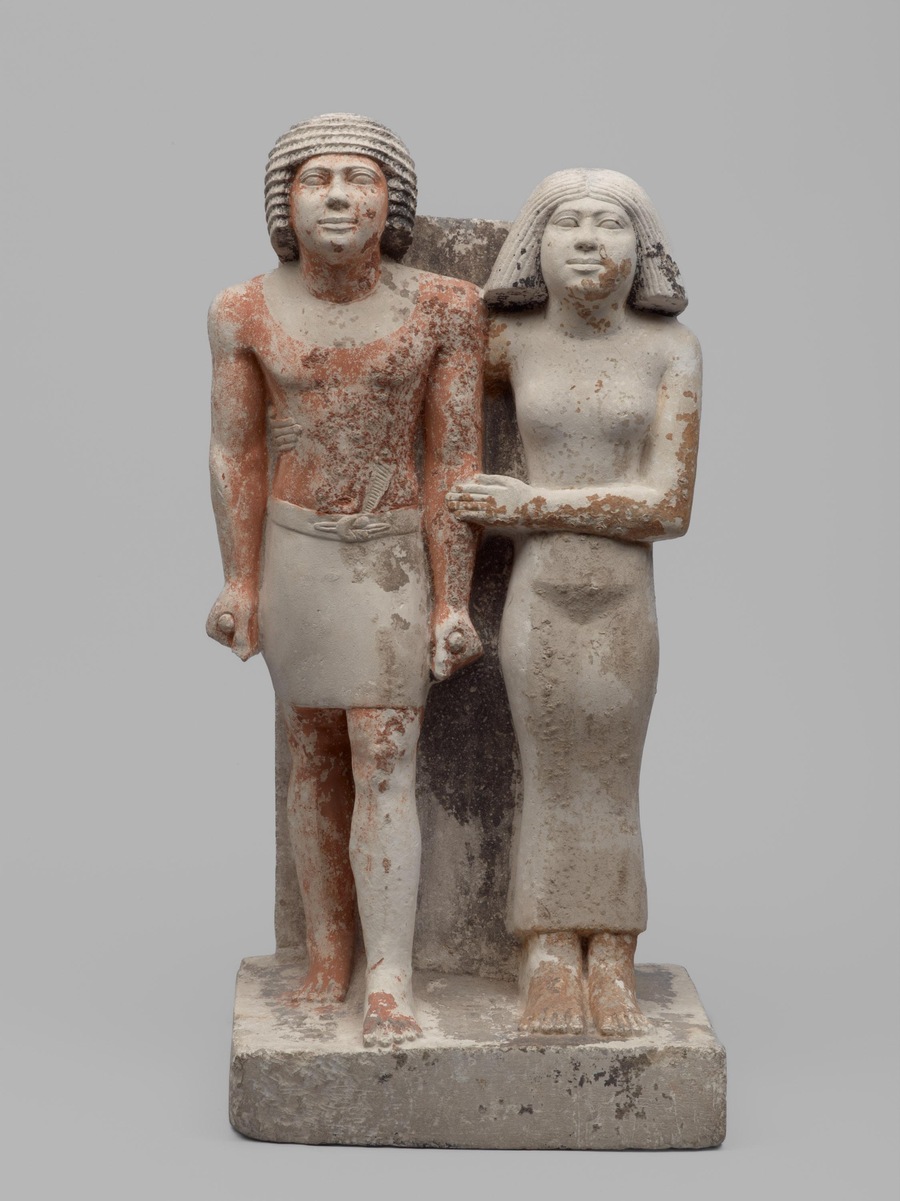
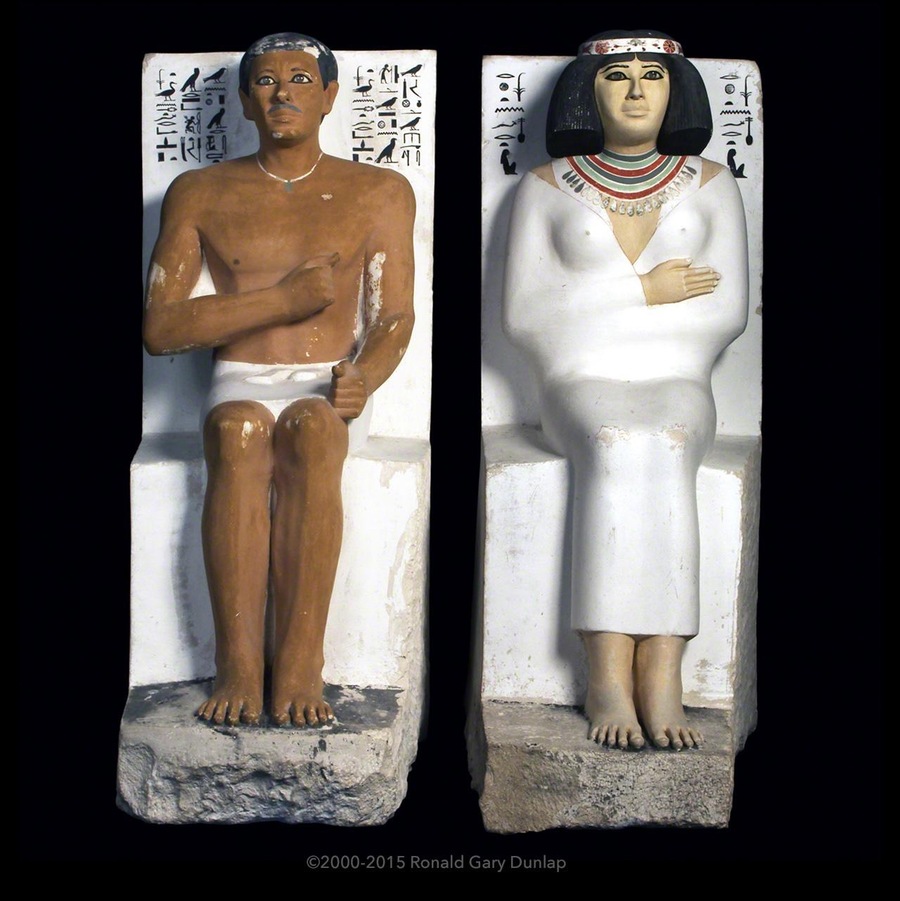
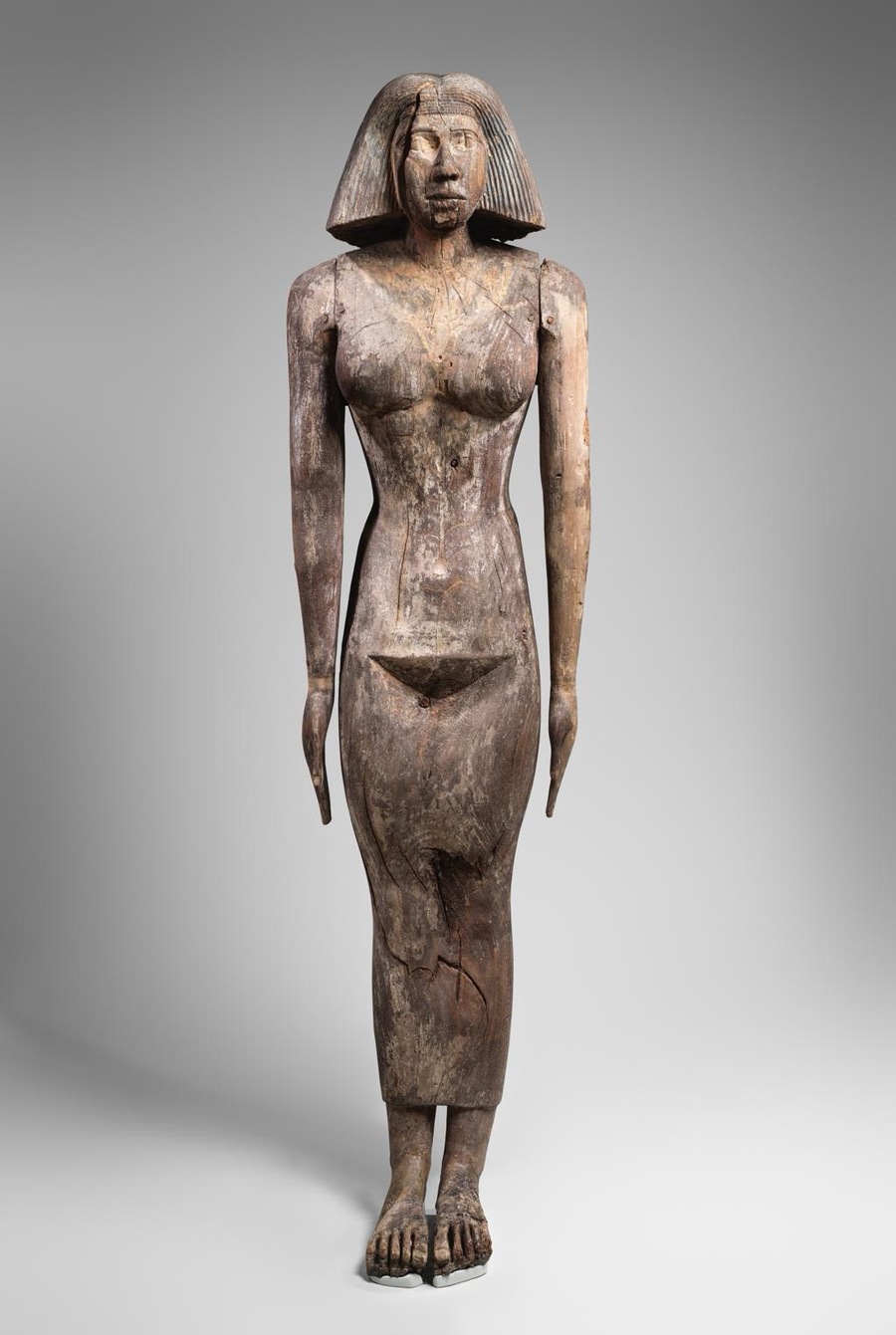
text
Part II.
Hidden Art: The Burial Chamber.
- What was happening in the burial chamber before it was sealed?
- What items were placed inside?
- Why were some objects made in miniature or stripped of their usual practical function?
- How were the artistic items connected to the deceased person’s afterlife?
- Why did their ritual function not require the constant presence of a living viewer? It is particularly important to show that the burial chamber was not the primary site for regular rituals performed by the living. Ceremonies took place during the burial, and the subsequent cult was maintained predominantly in the chapel. But it was in the chamber below that the body, sarcophagus, and funerary objects resided—that is what the entire system was created to preserve and sustain in the afterlife.
Conclusion.
text