
The Emergence of the Labyrinth
1/3
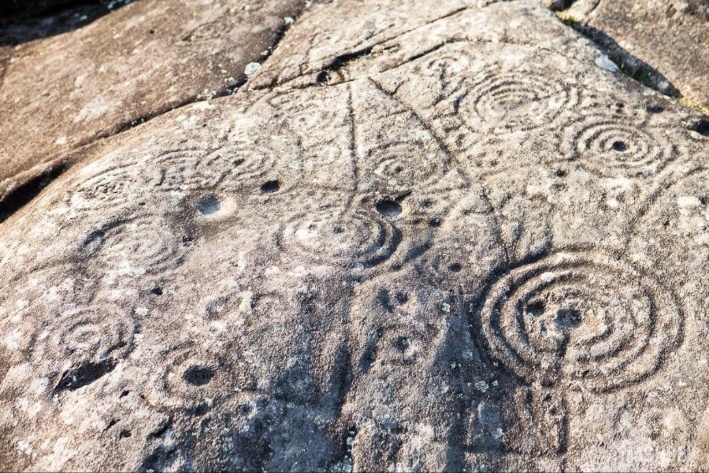
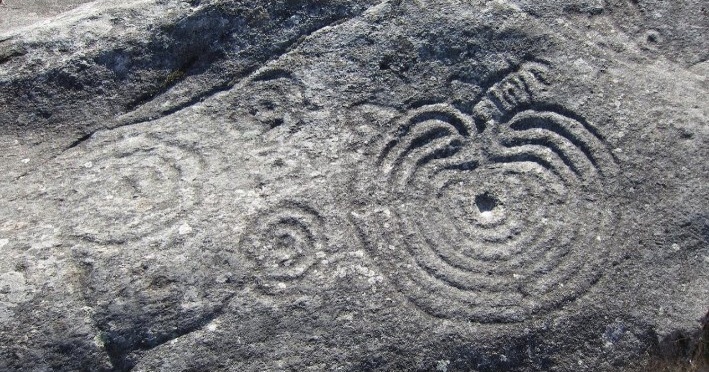
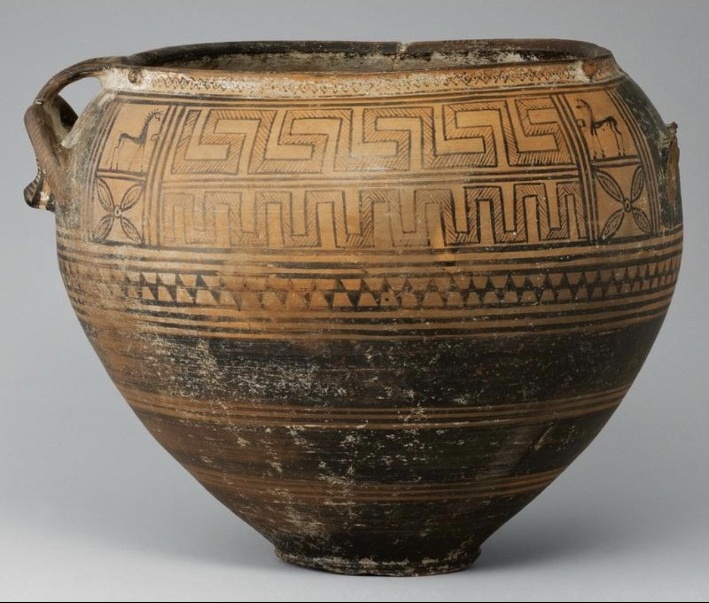
1. Labirinto de Mogor (c. 3000–2000 BCE) / 2. Melos Crater (750–725 BCE) / 3. Petroglifos de Mogor (c. 3000–2000 BCE)
The earliest depictions of labyrinths date back several thousand years. Their precise origins remain unknown. Some of the earliest examples are found in Southern Europe and the Mediterranean. Labyrinths were depicted on stones, ceramics, everyday objects, and later on coins. Gradually, a recognizable structure began to form: a winding path from the edge to the center, complete with dead ends and sharp turns. This very form became the foundation of the classical labyrinth.