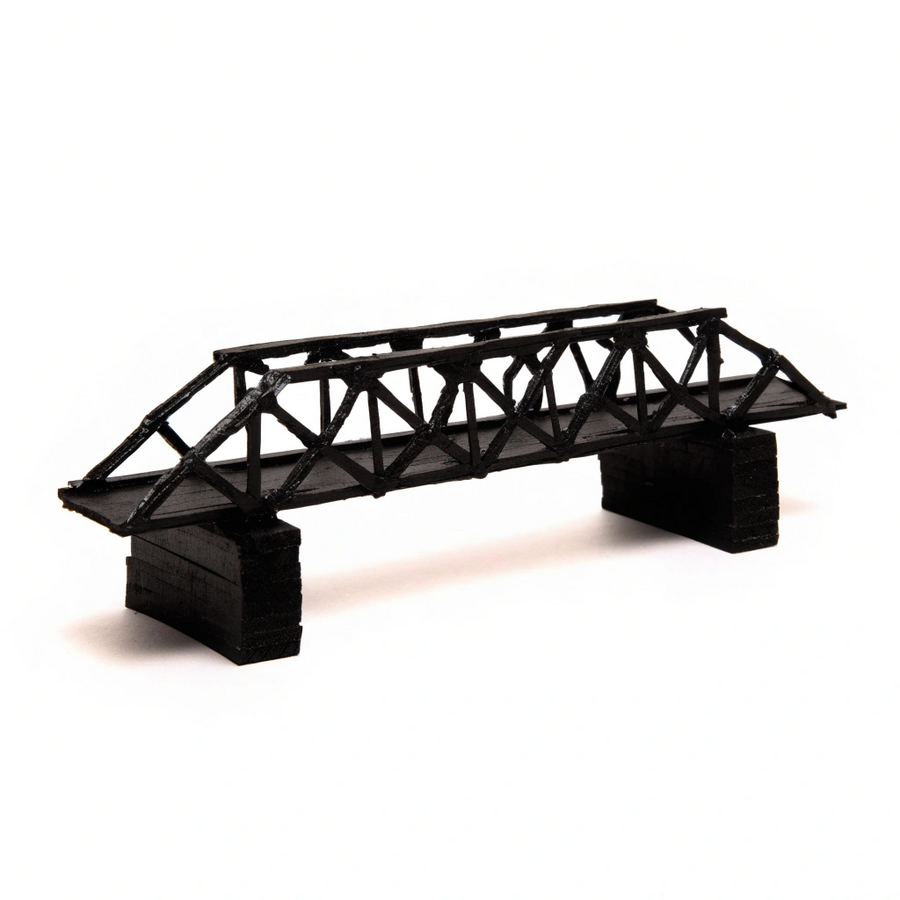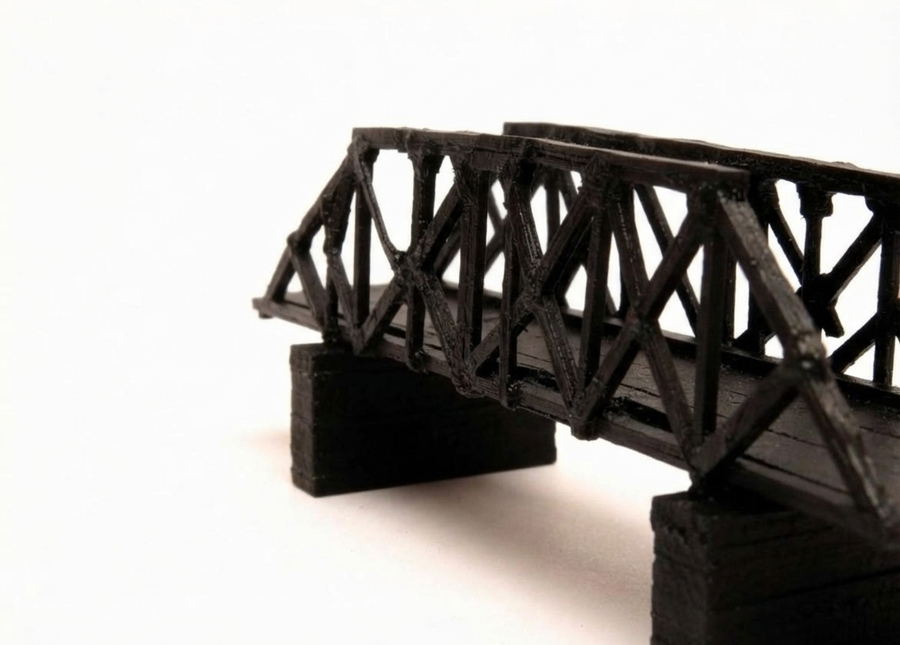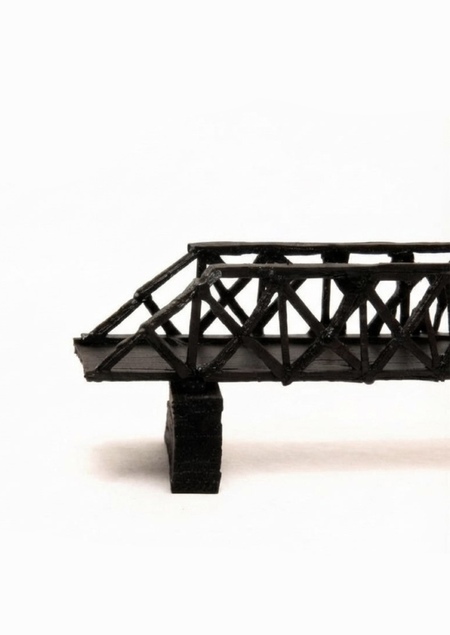
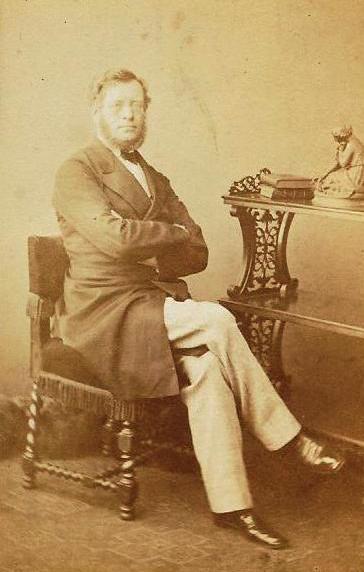
The Warren truss bridge structure was designed and patented in 1848 by British engineers James Warren and Willoughby Theobald Monzani.The first major application of the structure occurred during the construction of the Newark-Dike railway bridge in 1852. This bridge, designed by Joseph Cubitt, became a clear example of the advantages of the Warren truss.
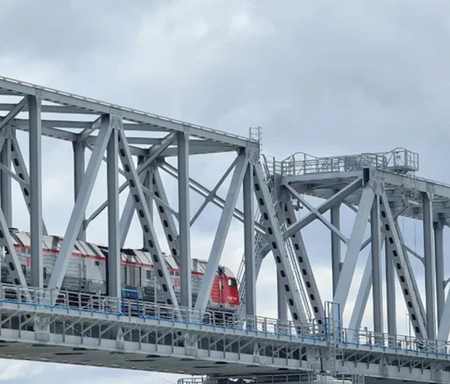
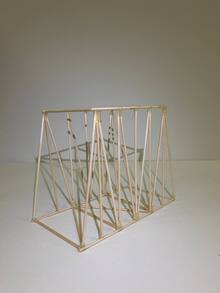
The Warren truss forms the basis of the bridge structure. It is made up of a system of alternating diagonal members that combine to create triangular cells. The truss is unified by upper and lower chords, while the sides of the bridge are connected by transverse bracing. Thanks to this design, the load is distributed evenly. This approach also ensures the rigidity and stability of the structure.
Bridge (model)