CODE: Red — media that explains which rare species live near you and how to behave if you encounter them.
Media Objective
To make the Red Book relevant to the everyday person—to show that rare species live in your region and to explain what individuals can do.
We replace anxiety and feelings of helplessness with understandable action and interest in «rare neighbors.»
Themes
Segment
People aged 14–45 who encounter the topic of the Red Book: students with projects, tourists and summer home owners, parents and teachers, and environmentally conscious newcomers.
Niche topic
The Red Book of Russia and regional Red Books in plain language: which species live nearby, what to do if you encounter them, and how you can help.
Categories
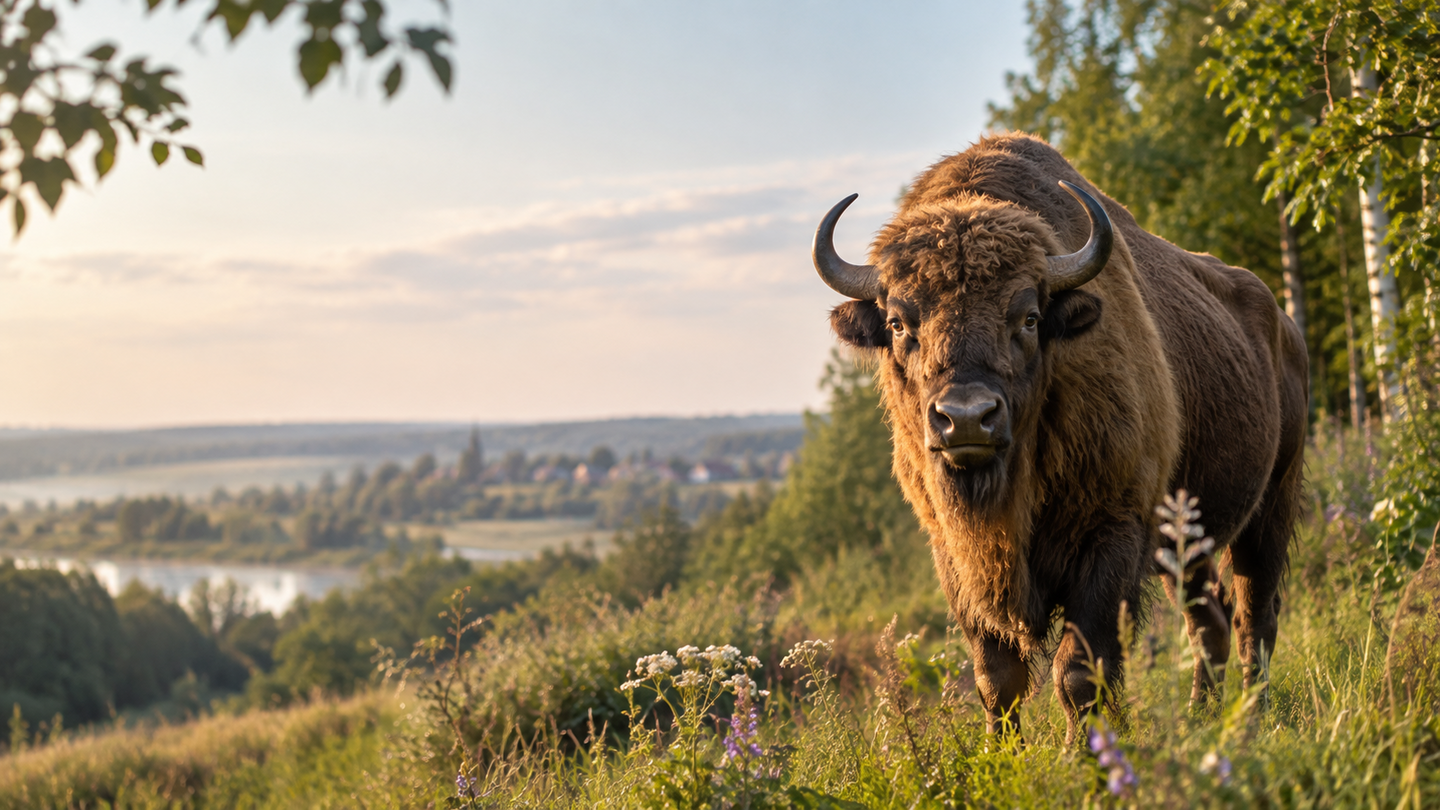
— «Red Book of the Day»: one species, a real photo, where it lives, and why it is rare. — «Found in Nature: What to Do»: a scenario addressing several questions. — «Heroes of Return»: stories of species whose populations have been supported (for example, the European bison). — «My Region»: collections of species from the regional Red Book. — «What Everyone Can Do»: small actions that do not require expertise. — «Myth or Fact»: «if I pluck one flower, nothing will happen?»
Important regarding accuracy: lists of species and liability standards change. You must include links to the current official sources in the cards (e.g., the Russian Red Data Book, regional red data books). Write about fines and prohibitions only after verifying the current regulations.
Competitors
Direct
— Official Red Data Book resources (federal and regional) — WWF Russia and Greenpeace Russia (content on rare species) — Reserves and national parks on social media
Indirect
— Science popularization, media, and eco-blogs — iNaturalist (observations based on real photos) — School and educational resources with essays
What are our advantages?
Official sources are reliable but dense and lack practical application. We will borrow their credibility and references. Environmental organizations are emotionally powerful and run strong campaigns, but they often lean on fear. We will adopt the power of their narratives while removing the anxiety. School resources indicate there is demand for this topic (projects, term papers), but the content is templated. This is our entry point into the audience. The regional aspect is almost untouched: people are more interested in what is close to them.
Distribution Channel
Telegram channel (main): It is convenient to save and forward cards of species and scenarios, especially before a trip or hike.
Short videos (engagement): Reels, Shorts, TikTok, VK Clips. For example: «Three flowers you shouldn’t pick in your region.» Link to Telegram for the full card.
VK (additional): students and school children seek information for projects there and in search.
Poll in the channel: «In which region do you live or travel?» The answers will determine which regional selections we create first.
It is important to account for seasonality: spring and summer (blooming, hikes, cottages), and September–May (school projects). We build the content plan based on this.
Target Audience
Student with a Project
We need to quickly prepare a report—one that is credible and uncluttered. JTBD: When I need to write about a rare species, I want a short, vetted piece with real photos so I don’t have to search across ten different websites.
What we offer: «Bookworm of the Week» and «My Region.»
«Tourist or Gardener»