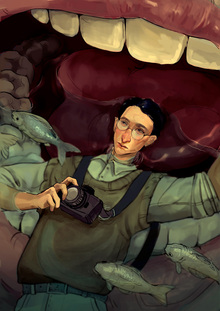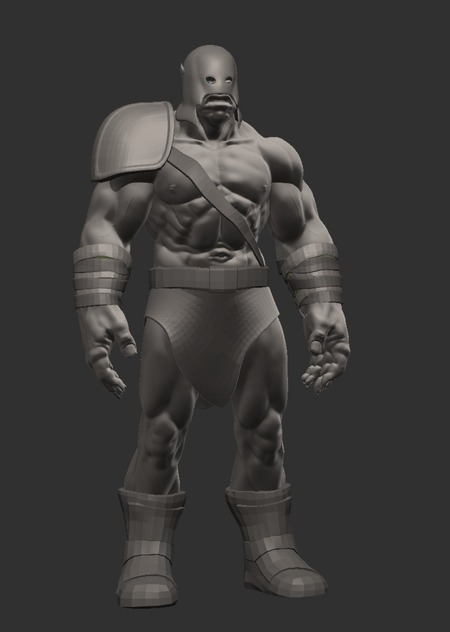
HSE.CG.II
гайд по требованием к просмотрам
A presentation for review is not merely a report on completed work; it is the author’s calling card, showcasing their artistic vision, technical competence, and ability to construct a compelling narrative.
This guide provides structured requirements, recommendations, and visual examples for preparing presentations during the 2nd Year sessions. Its purpose is to unify the submission format to prevent common errors in presentation design and material delivery.


Old Portfolio: Our goal is to demonstrate proficiency in the pipeline and understanding of industry technical requirements.
This is not merely a gallery; it is technical character documentation. The ability to showcase the behind-the-scenes concept development, execute high-quality topology, and deliver a clean render speaks to patience and meticulousness—qualities that are critically important for a CG Artist.
New Portfolio: Our goal is to demonstrate the ability to creatively present technical components.
At this level, it is assumed that the technical foundation is already flawless and does not require direct «proof.» We demonstrate the result by showcasing the artistically significant part of the work.


Module One
Concept Art// Polygonal Modeling
Old Portfolio:
Cover Page — Project face.
Title Page — Includes: project title/character name, author name, curator name.
Character Description — A brief history of the character. Text without excessive detail. — A beautiful slide featuring the character in a free pose. T or A poses are not permitted.
Mood Board — Minimum requirement: 1–2 slides. — A collection of visual impressions of the character and their world.
Exploration: Silhouette — Work on the silhouette within the module. Demonstration of various silhouette concepts.
Exploration: Sketches, Color Solutions — Varied sketches, color exploration, experiments with palette and form.
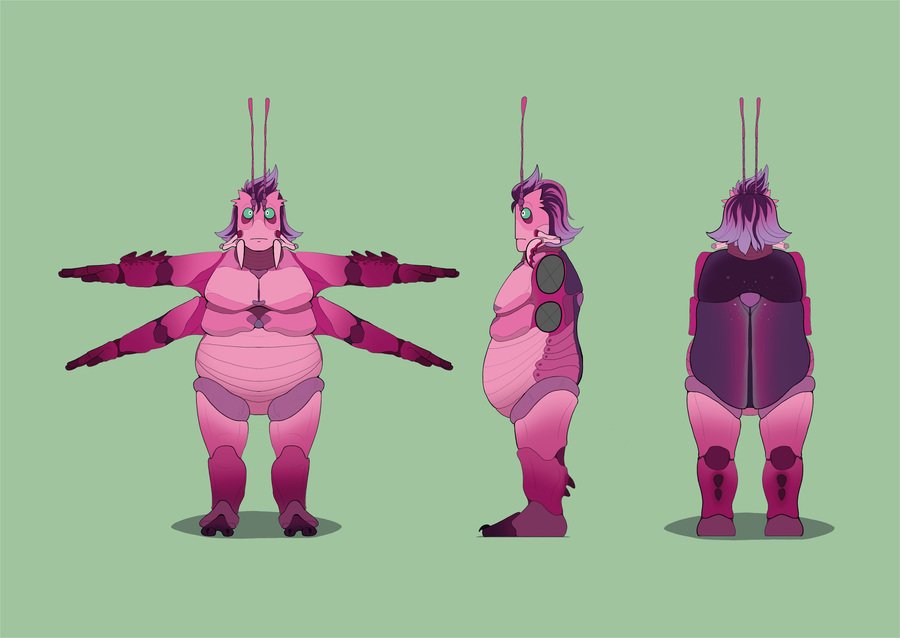
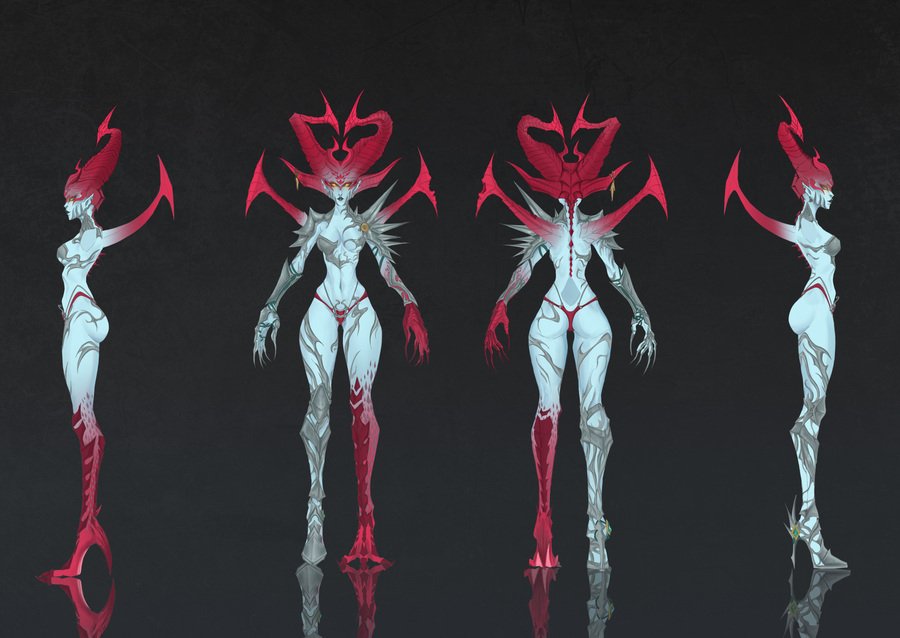
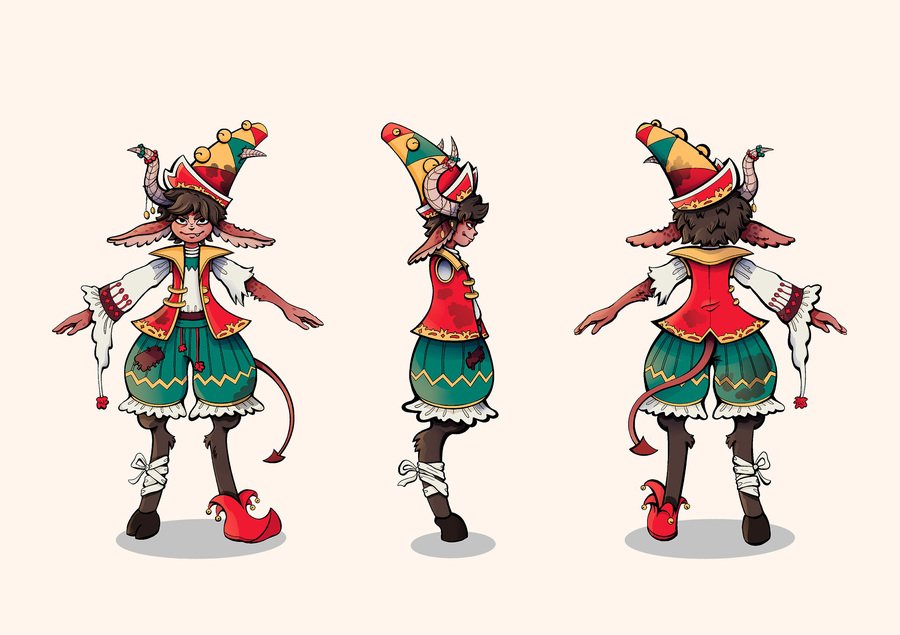
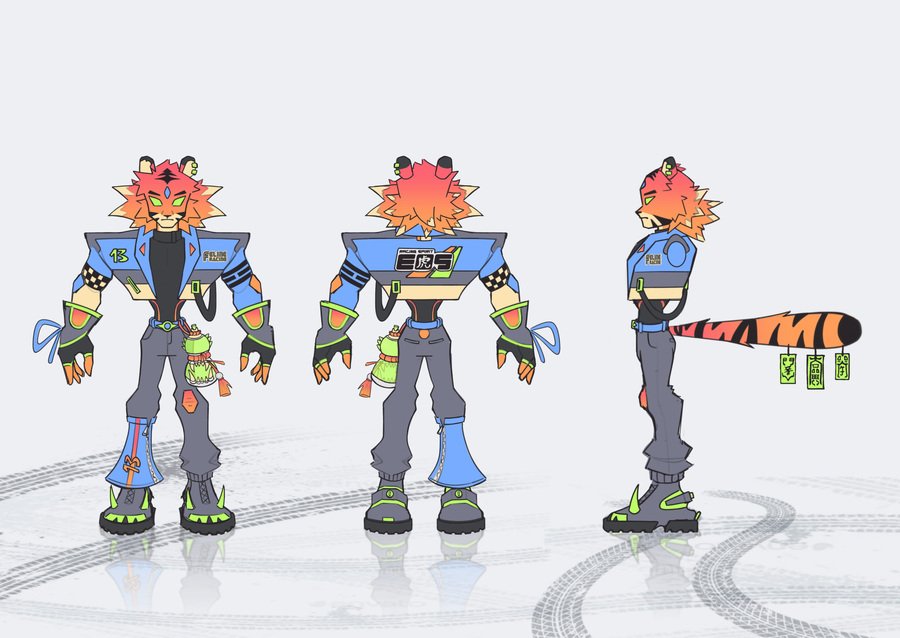
Final Character — A or T pose. — The final, colored design of the character rendered.
Poses and Emotions — Minimum requirement: 1–2 slides. — Revealing the character’s personality through posture and facial expressions.
3D References — A slide with references for realizing the intended character in 3D. — Focus areas: modeling stylization, texturing, hair, and other key aspects of the future 3D model.
Materials — Surface references: materials, shading, textures.
Character in Environment — The «wow» effect—the most beautiful slide in the presentation. — The character within the setting and in action: environment, dynamics, atmosphere.
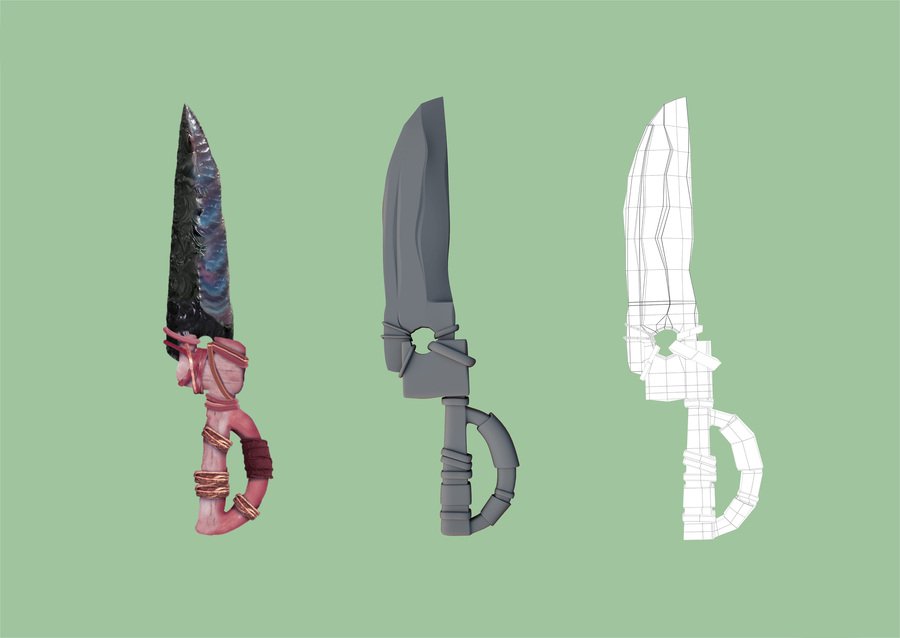
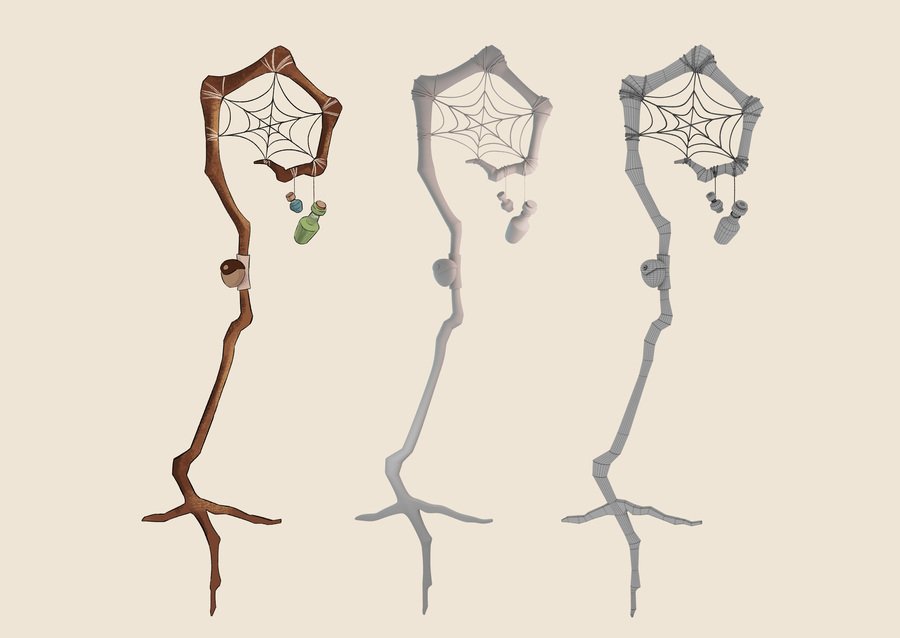
Prop: Sketch, Grayshade, and Wireframe — Sketch design of the prop. — Prop render from various angles. — Modes: Grayshade and Wireframe.
House Render of the Mystery Shack cabin.
New Portfolio Requirements:
- Cover — Wow factor. — Composition is harmonized for vertical format.
- Slides — The main focus is on visual perception, composition, and artistic integrity. — Content is compiled from rendered images of the character, their environment, and props. — Text should only appear in designated text blocks or as a caption beneath a slide. — The title image from the old portfolio can be adapted as a standalone slide, with all text removed. — Animated .gif files and transition slides for visual flow must be created. — DO NOT INCLUDE: sketches/concept explorations/unfinished variations, or 3D modeling of props.
Examples

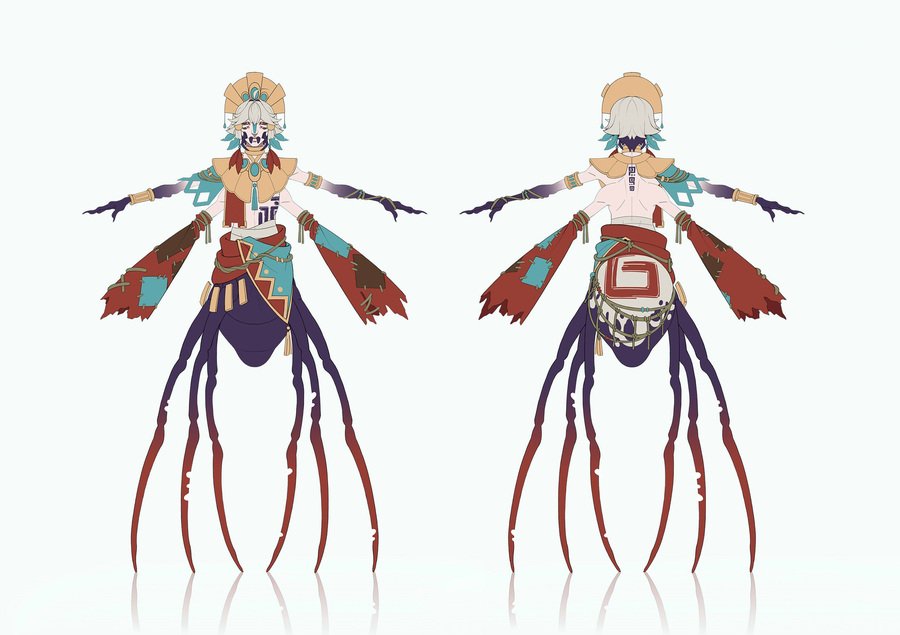
NEUTRAL POSE
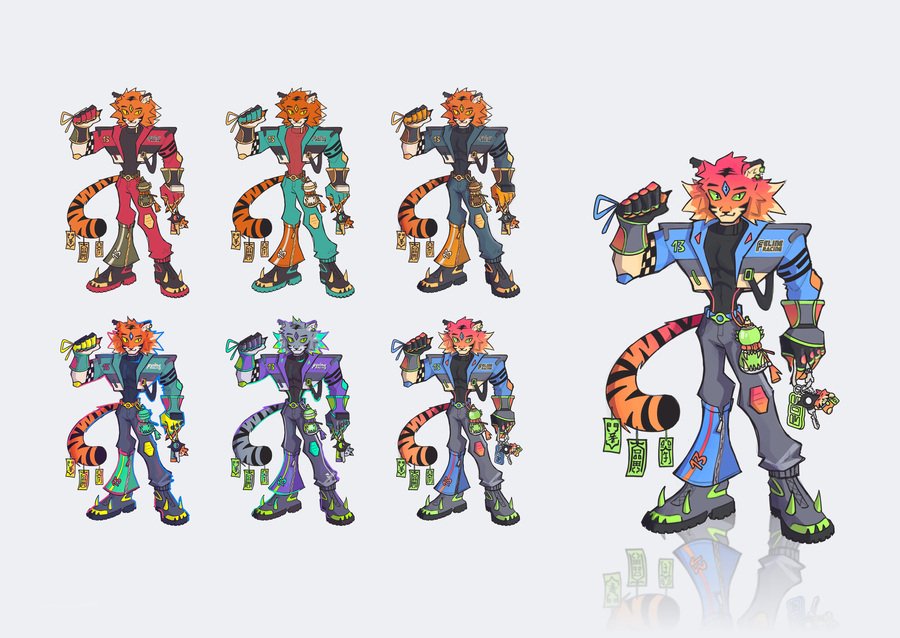
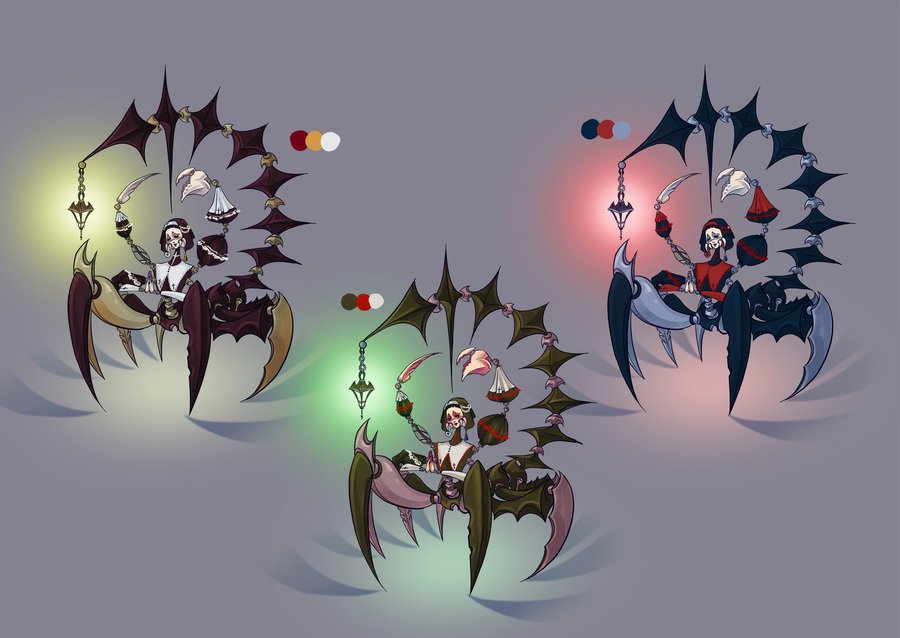
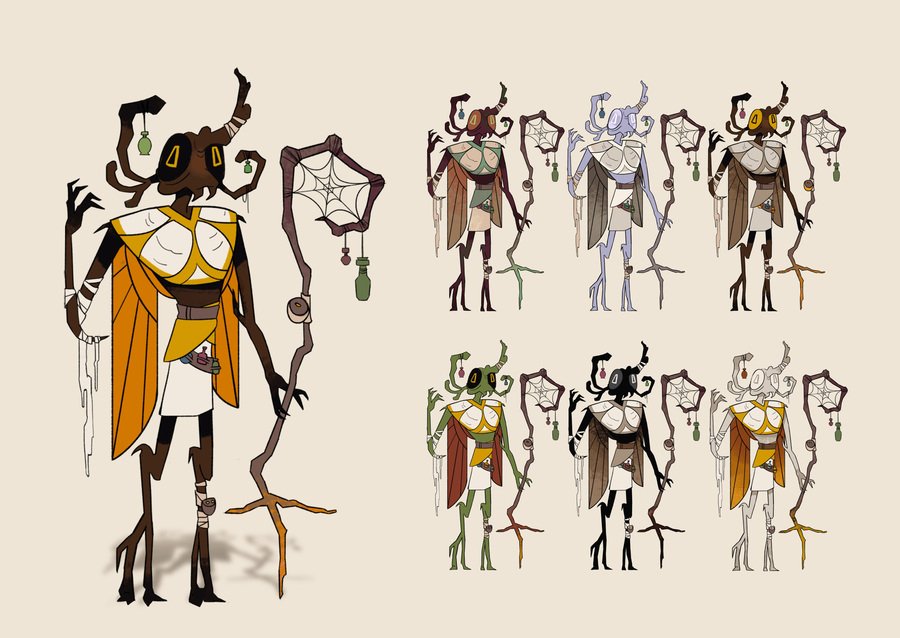
COLOR SOLUTIONS
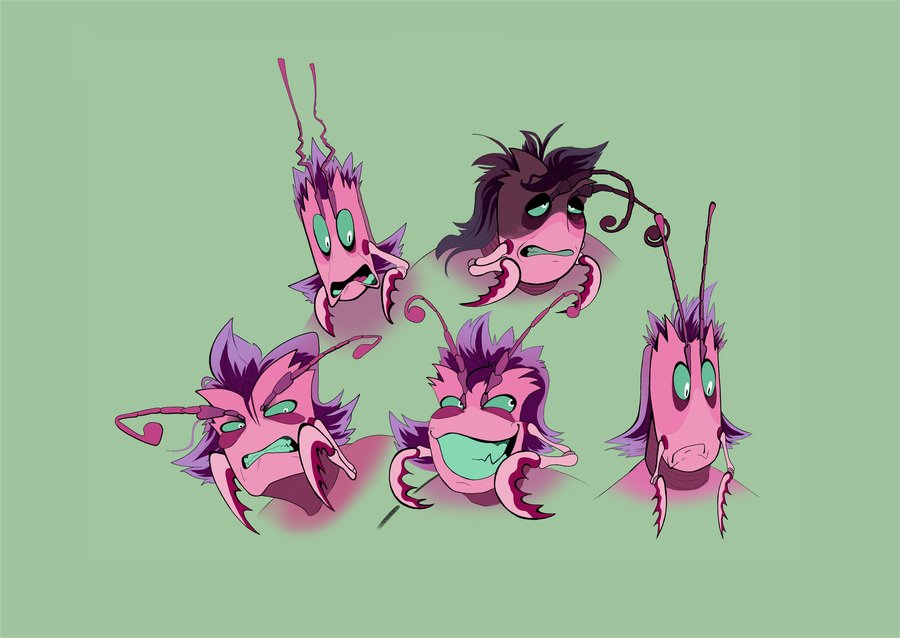
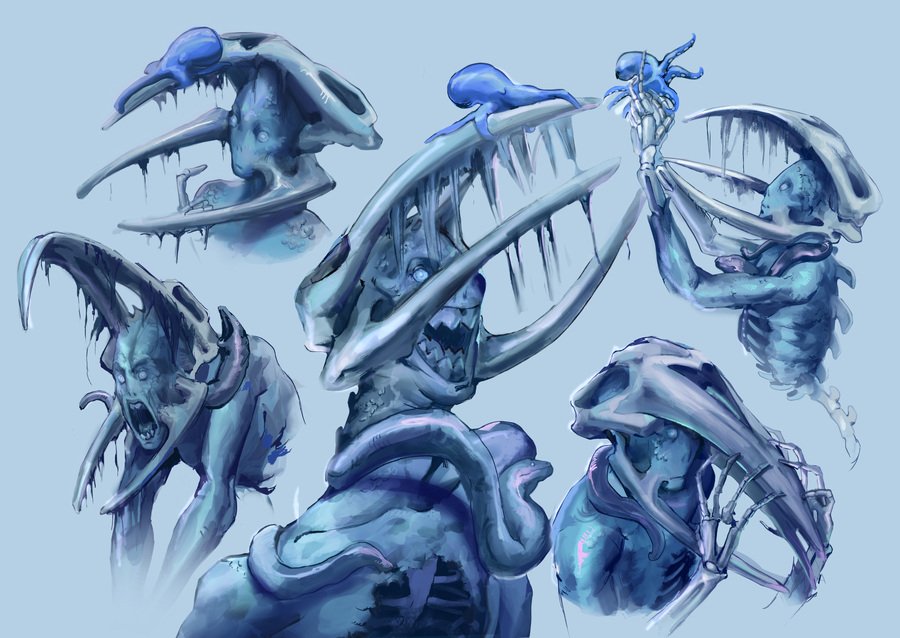
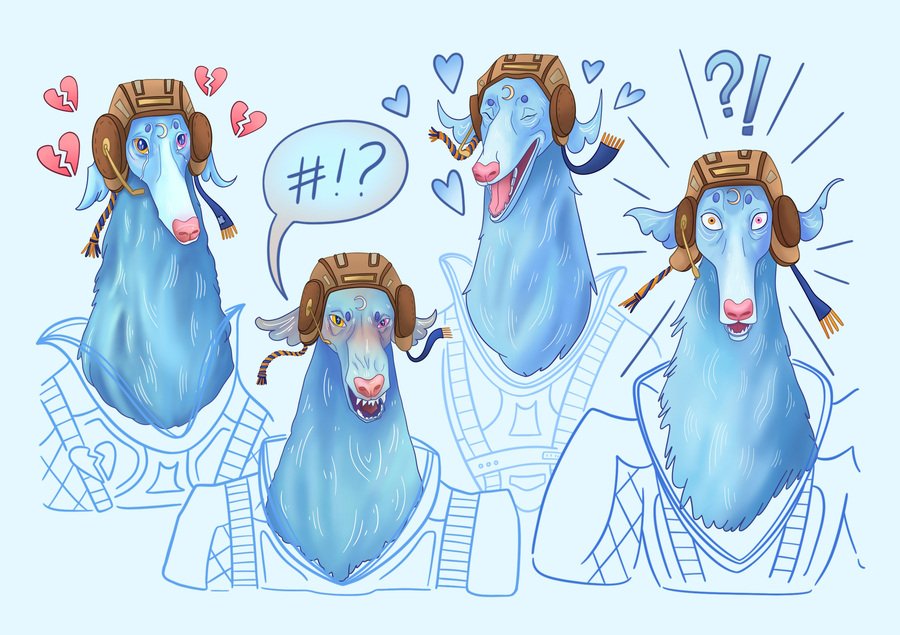
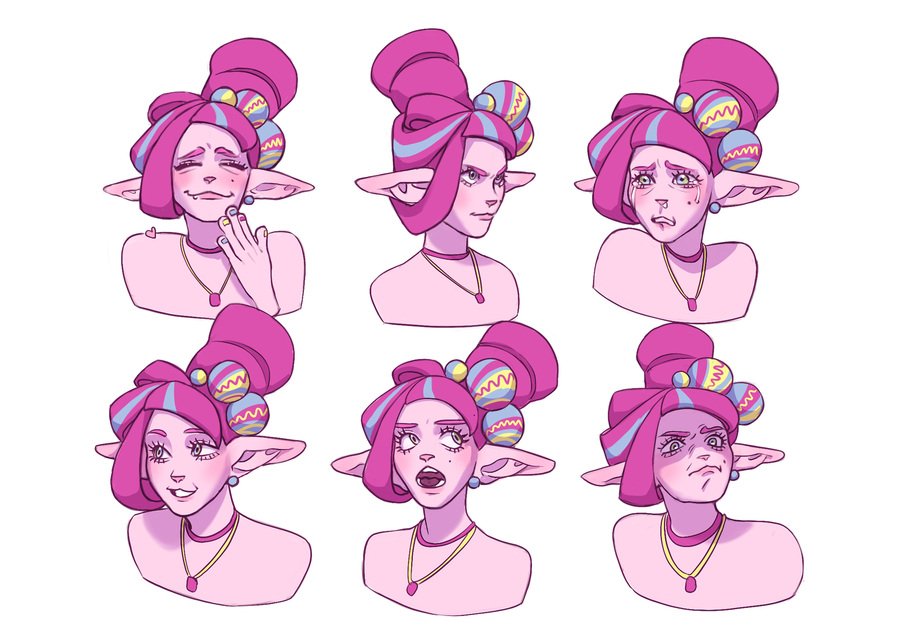

EMOTIONS
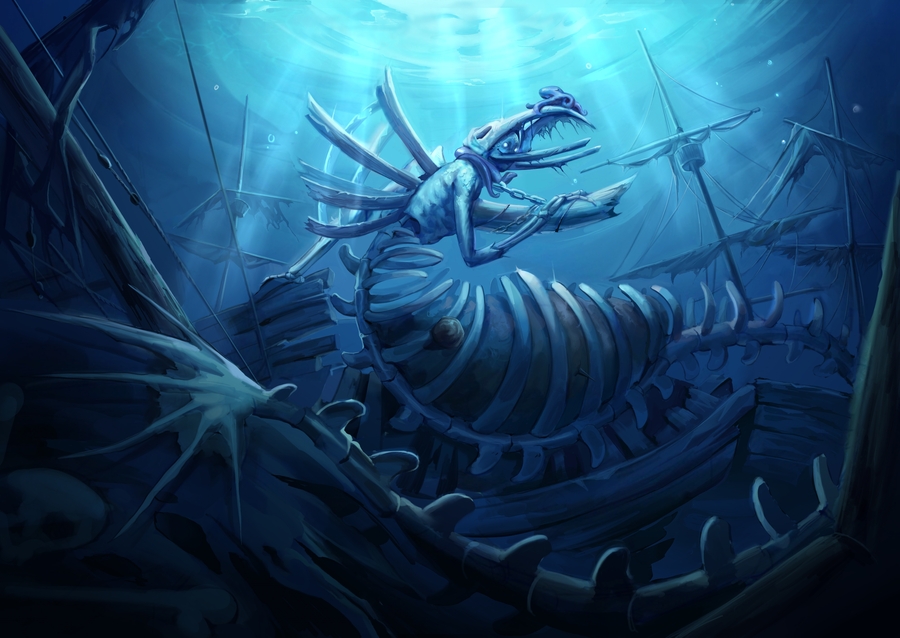
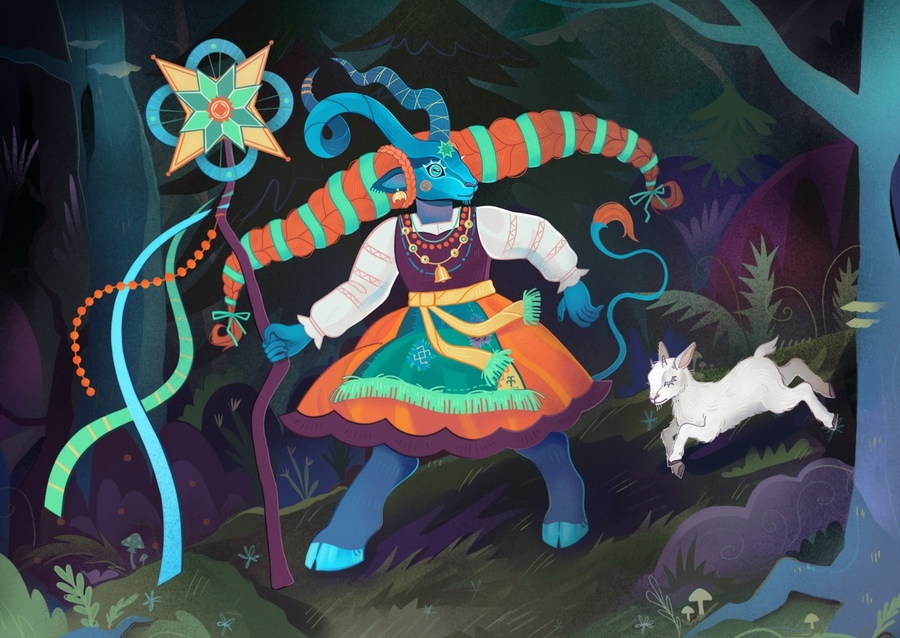
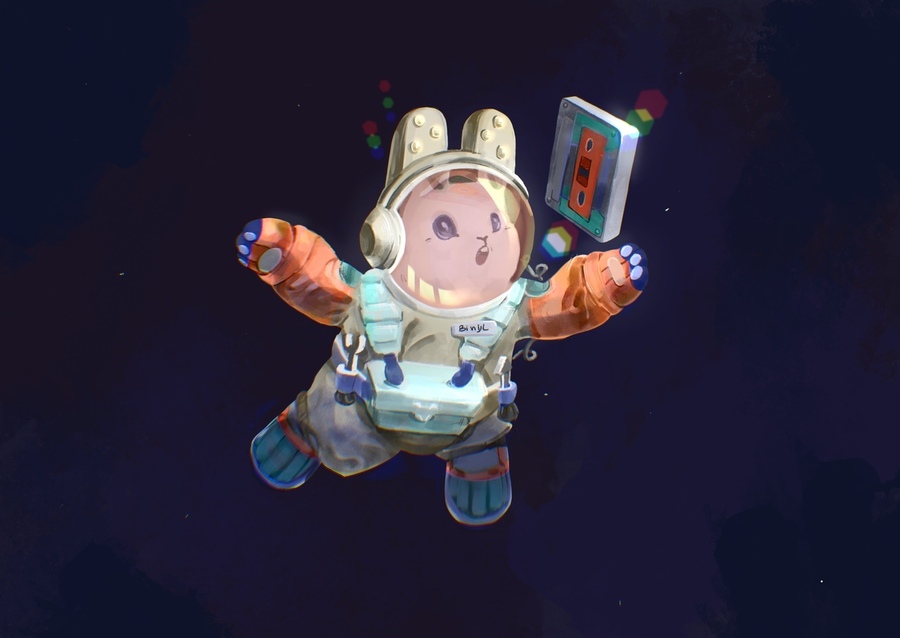
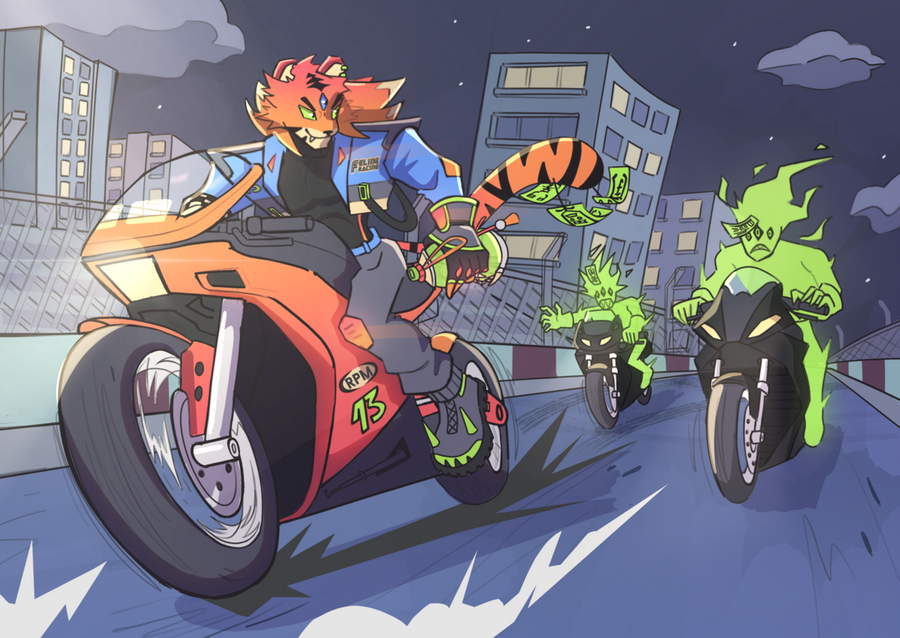
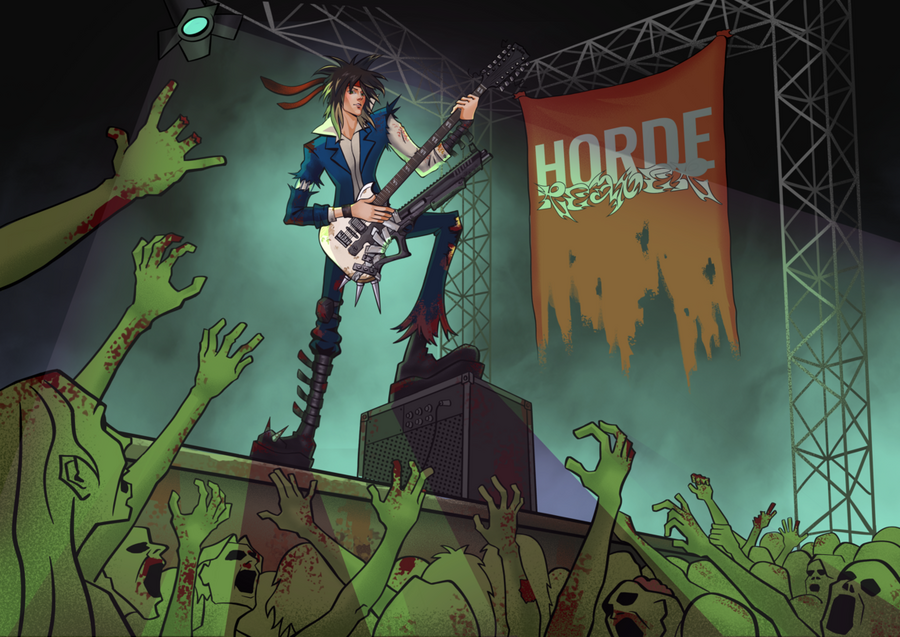
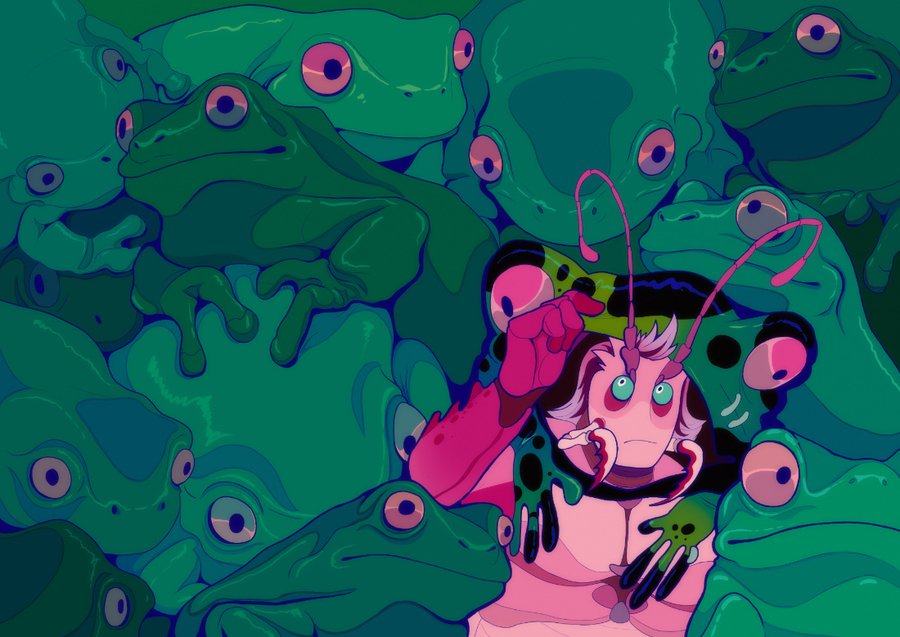
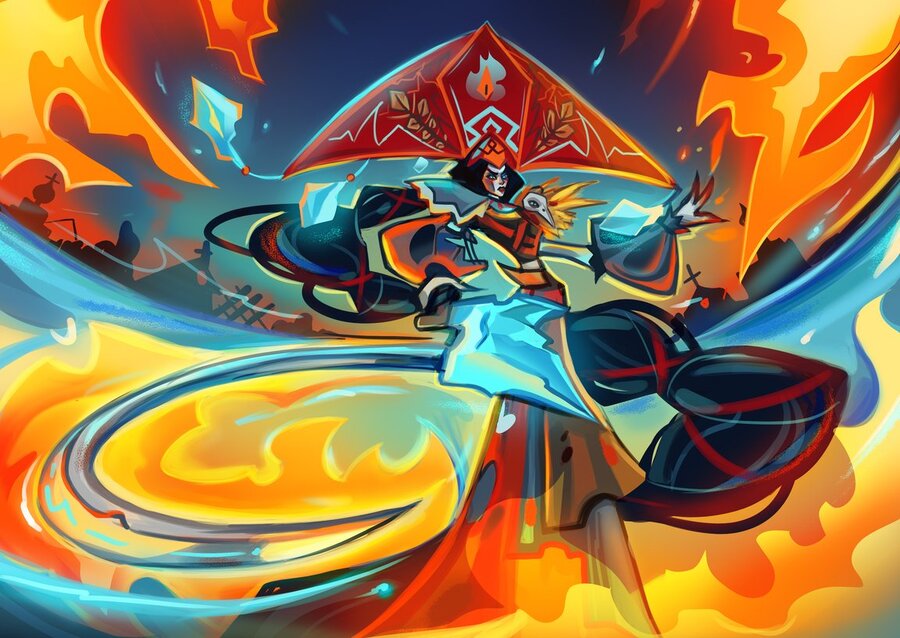
CHARACTER IN THE ENVIRONMENT
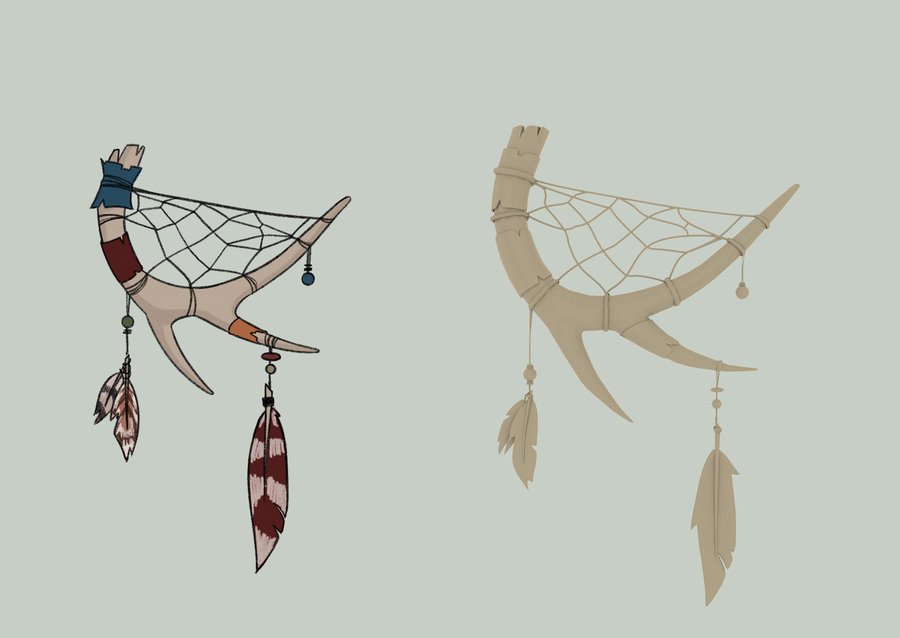
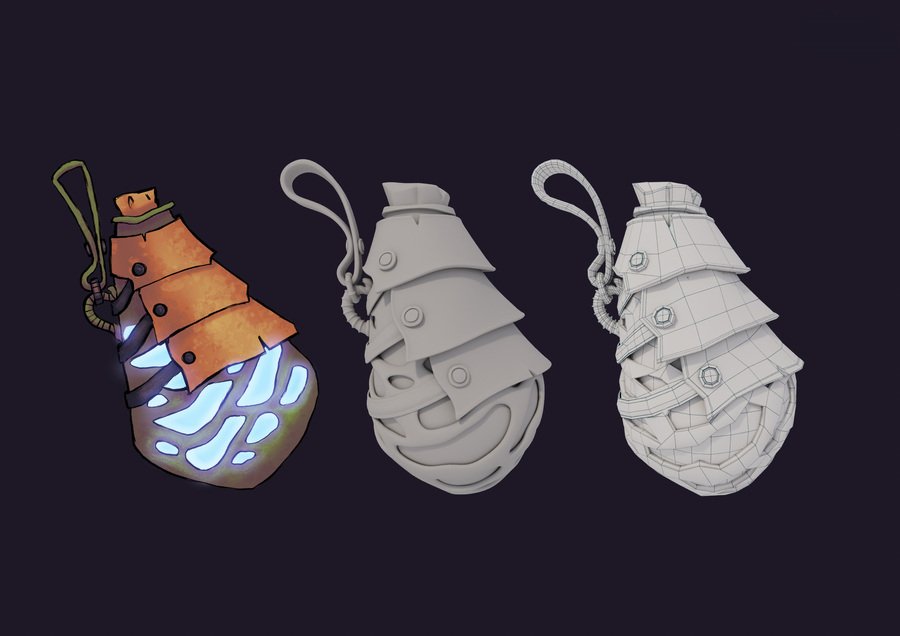

PROPS
COTTAGE OF WONDERS

General Formatting Requirements:
Slide Composition — Each slide must function as an independent visual statement. Negative space is deliberate—it must serve the concept, not appear accidentally. — Imagery should not be «pinned» to the edges. Utilize margins and negative space. — If a slide contains multiple elements, they must be arranged in a clear hierarchy: the most important element should be perceived first.
Light and Color — Light is a tool for directing attention. — Color schemes must be demonstrated thoughtfully: present various palettes and explain (visually or through text) the rationale behind the chosen color scheme for a specific character. — Avoid muddy colors and careless toning unless this is intentional to the concept.
Character Presentation — In the final slides, the character must be presented in a way that clearly communicates their construction, proportions, and silhouette. — Avoid a «floating» effect; render proper contact with surfaces (e.g., shadows beneath the feet). — The character must feel alive in their poses and expressions: the pose should be characteristic, and the facial expression must be expressive.
Module Two
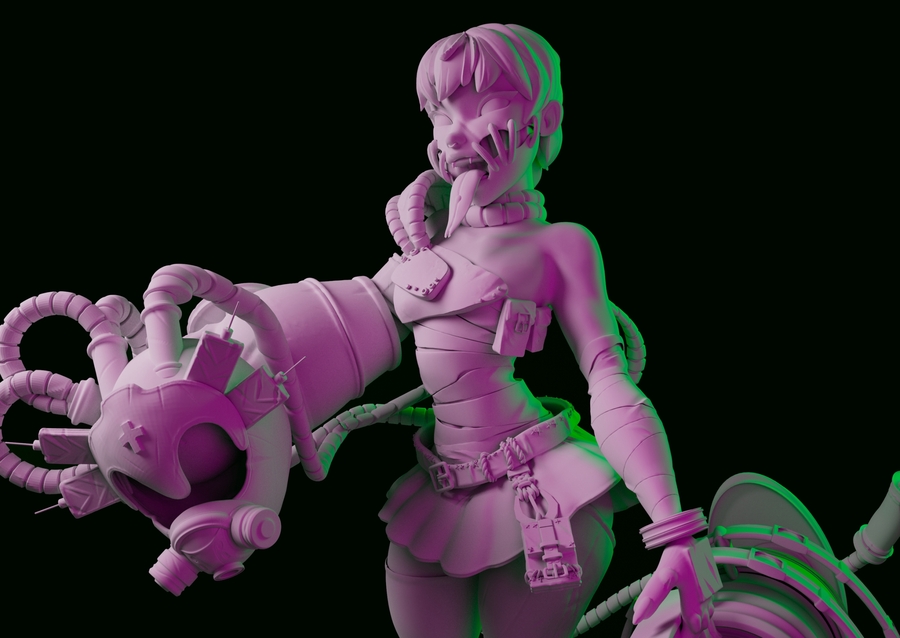
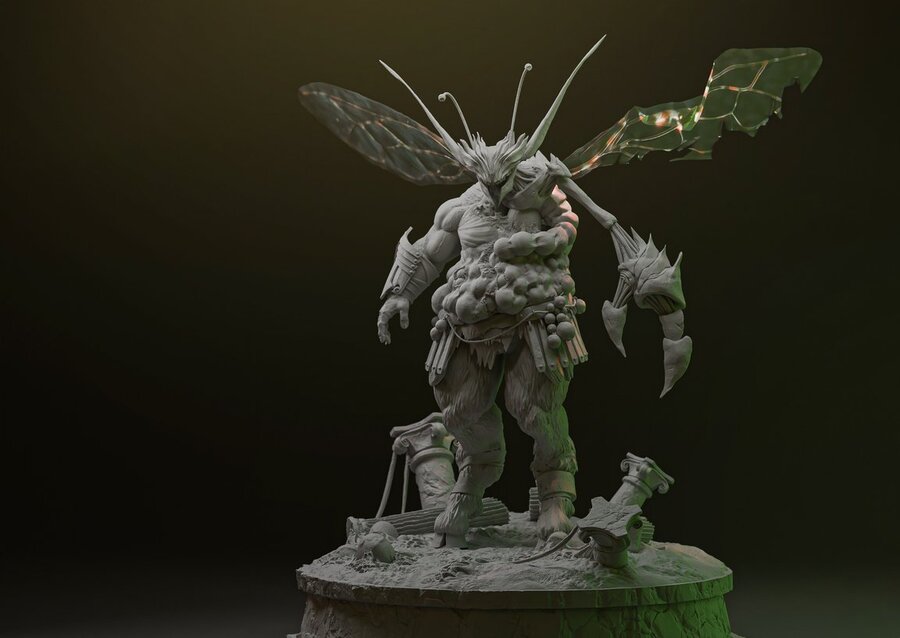
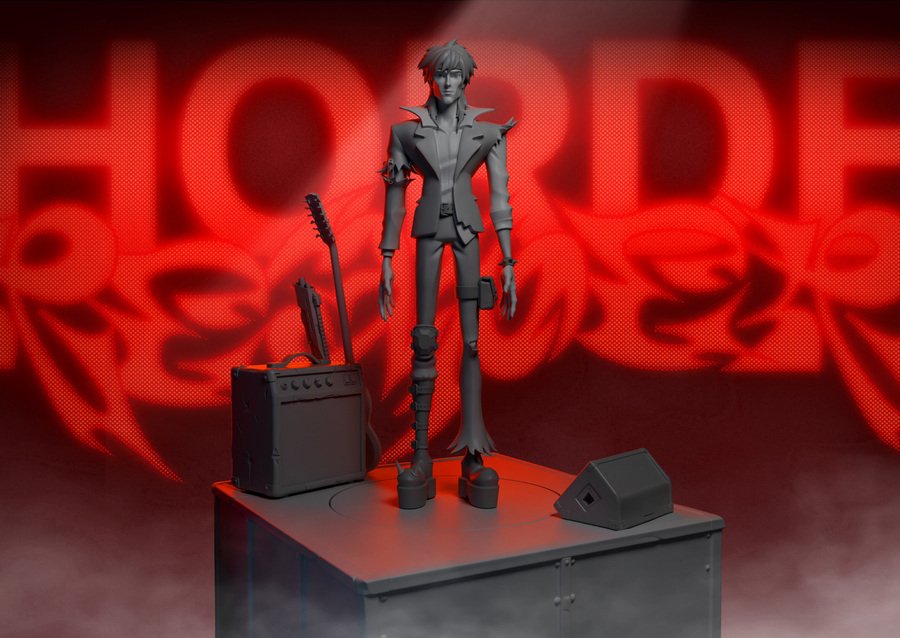
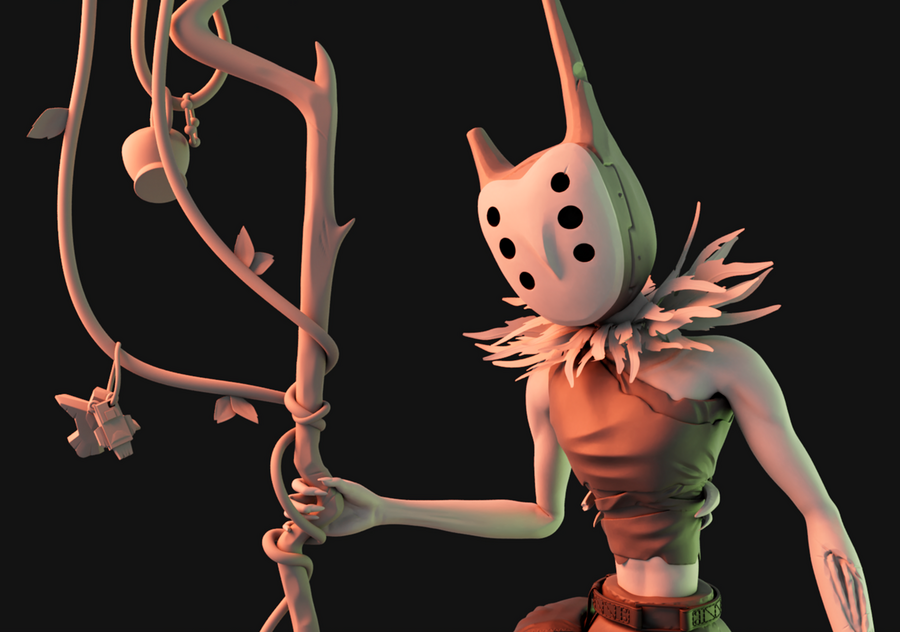
Sculpting//Retopology
Old Portfolio:
Cover Page — Project Identity
Title Page — Includes: project title/character name, artist name, curator name.
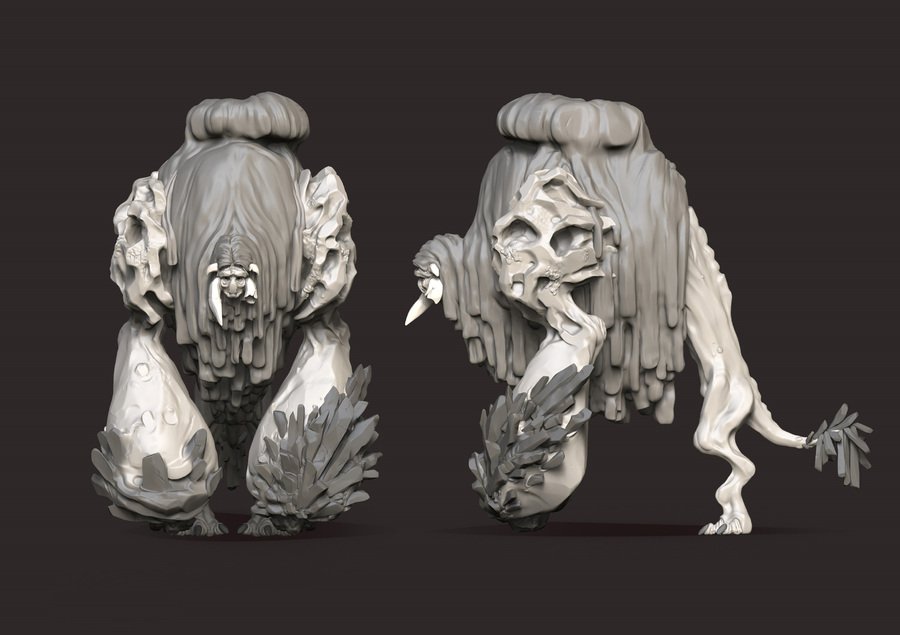
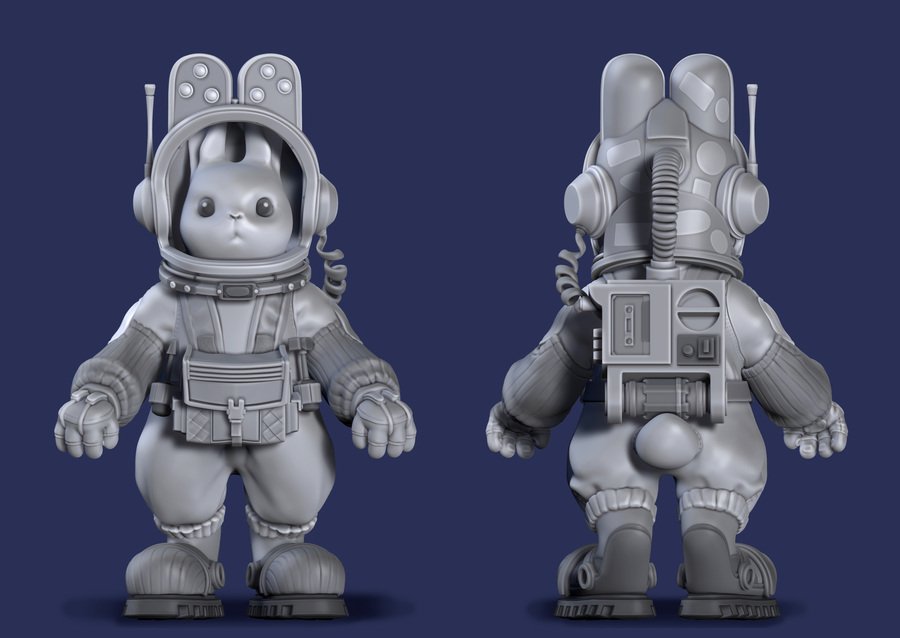
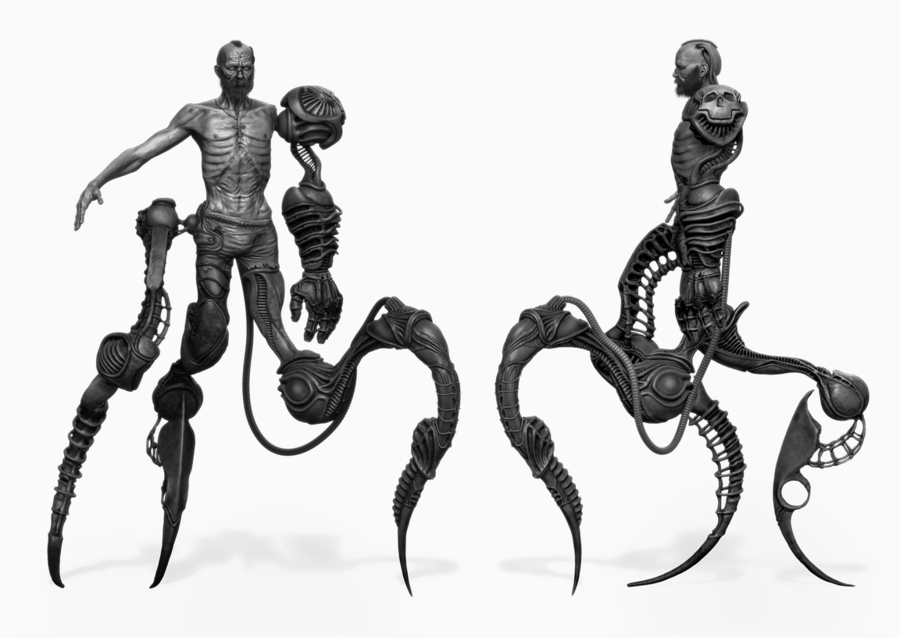
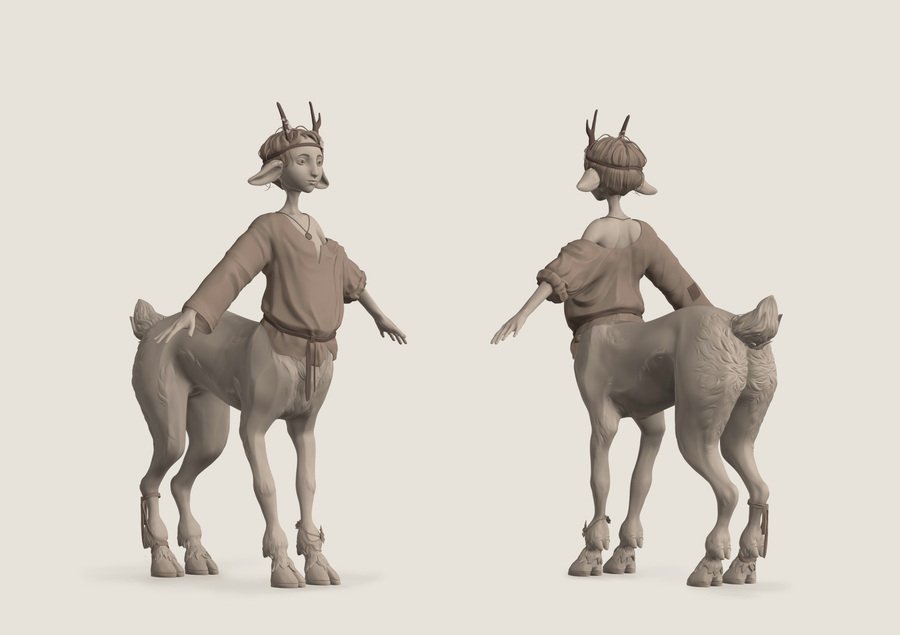
Sculpting: Front View — Character in A/T pose. — Concept + Sculpt.
Sculpting: Side View — Character in A/T pose. — Concept + Sculpt.
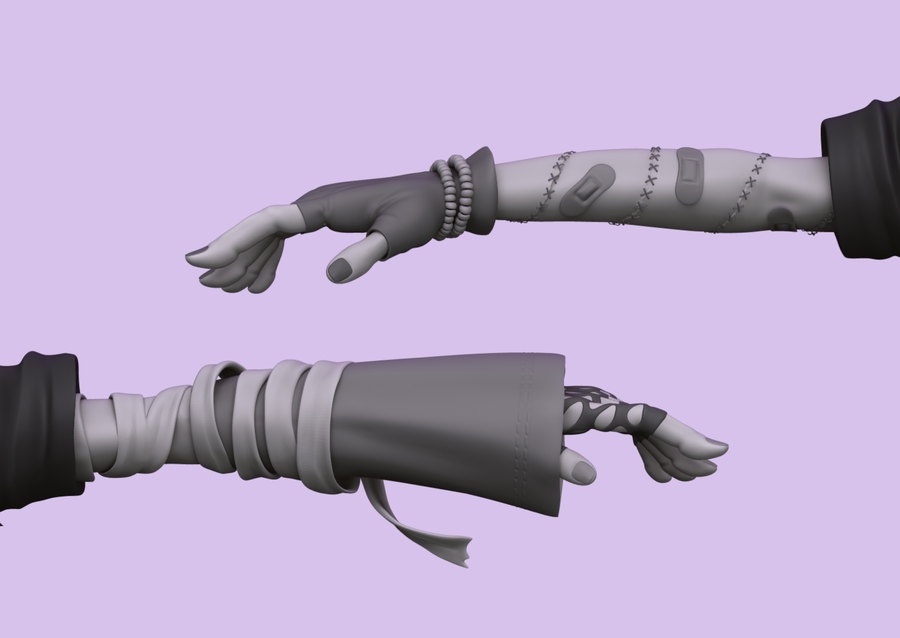
Sculpting: Details and Best Angles — Minimum requirement: 3–4 slides. — Demonstration of the sculpting in a ¾ view, as well as the best angles of the character and its details.
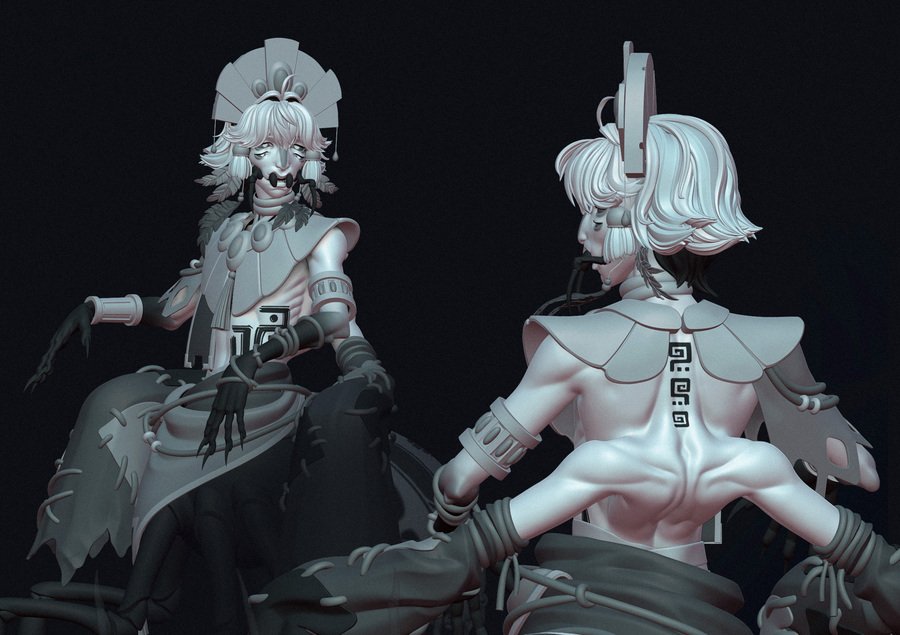
Character in Artist’s Lighting — Minimum requirement: 2–3 slides. — Rendered in ZBrush or Maya using Arnold. — The character displayed in stylized, atmospheric lighting with a prop appropriate to the character.
Character Turntable — A link to the character’s turntable on Kinoscope must be included with one of the slides.
Retopology — Minimum requirement: 1 slide. — Retopology exercises: 3 pieces.
New Portfolio Requirements:
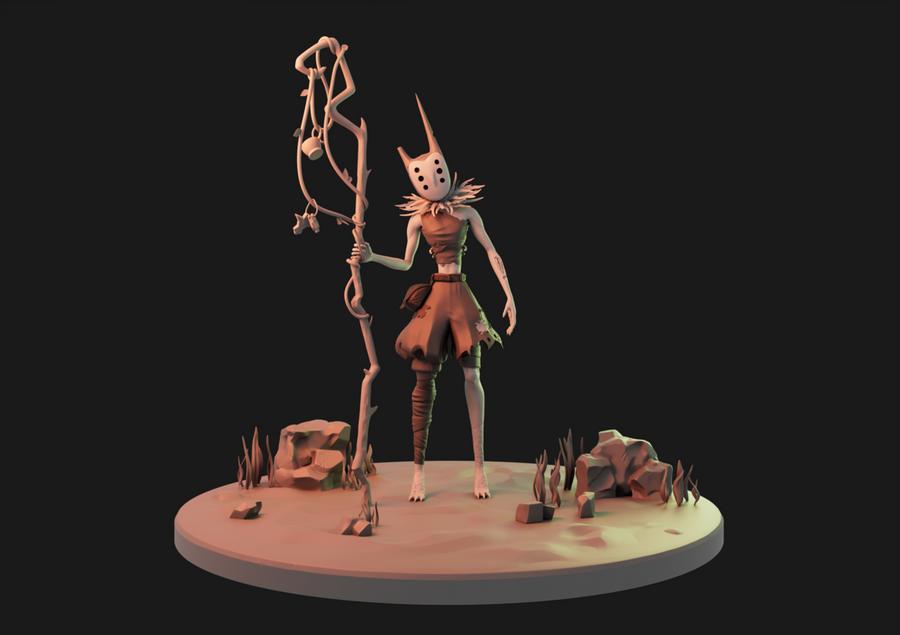
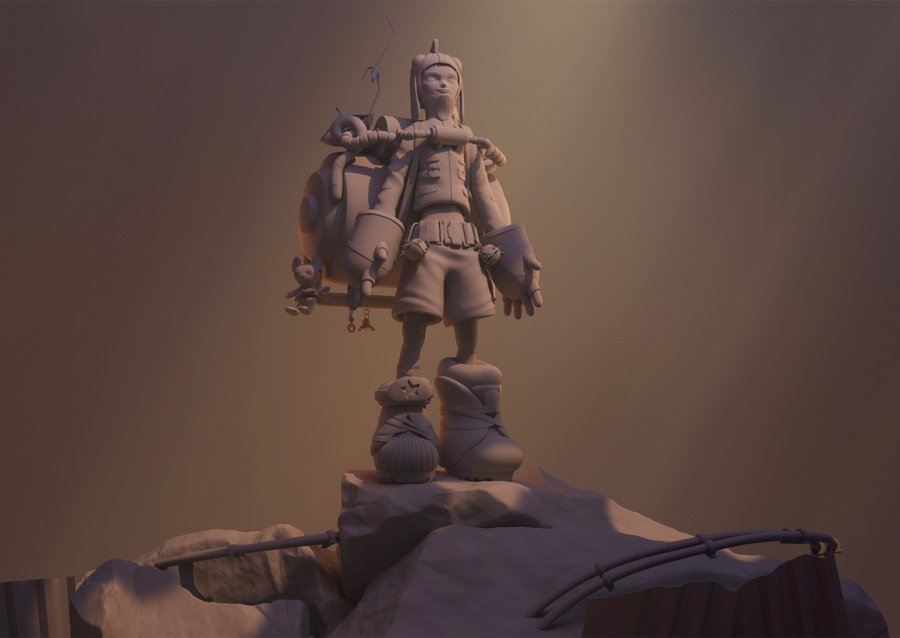
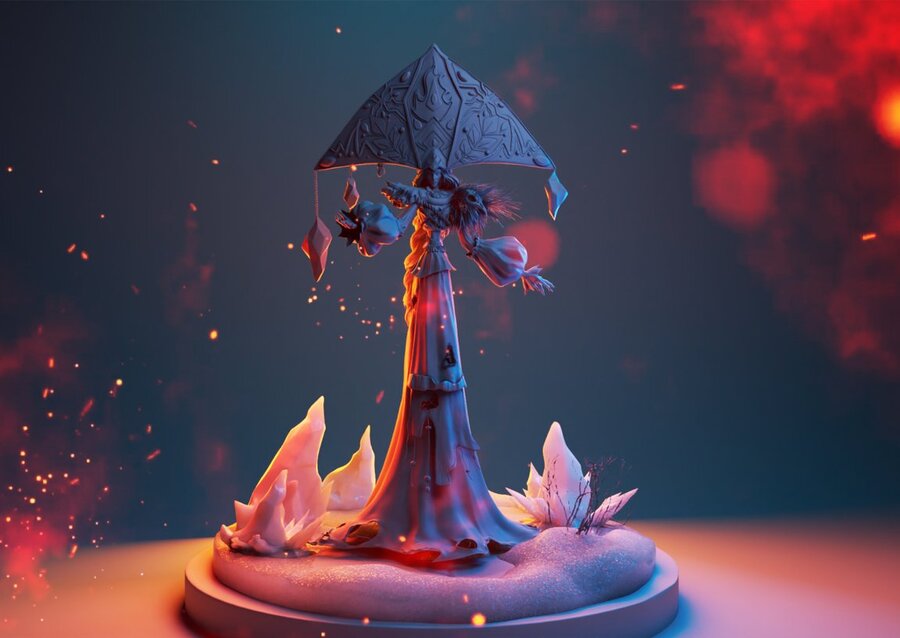
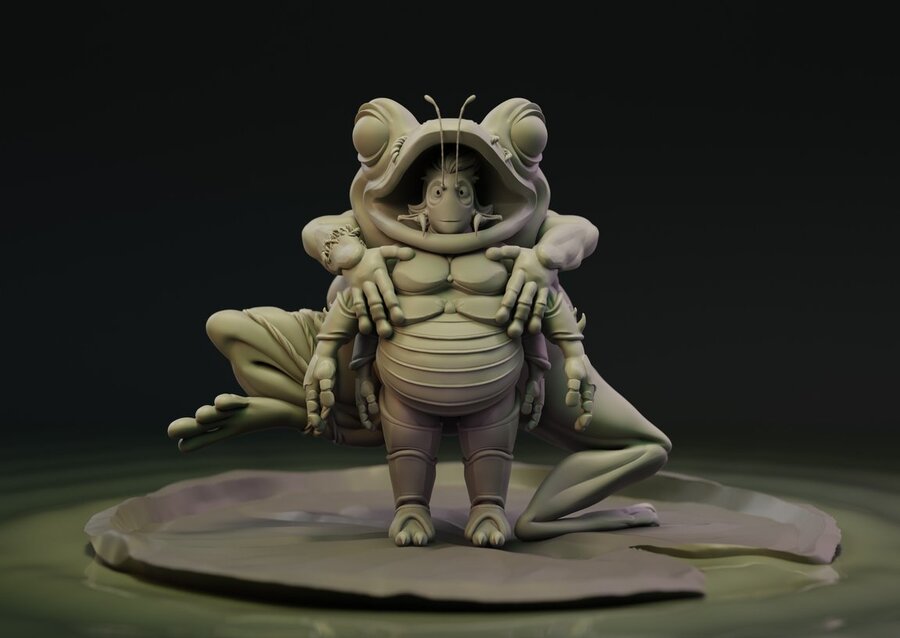
- Cover Page — Artistic lighting — Character in a pose (not T-pose), with a thoughtful gaze directed at the camera or an object of interaction. — Post-processing to create atmosphere and refine rendering inaccuracies. — No text unless it is integral to the artistic concept.
- Slides — The main focus should be on the artistic composition of light and visual perception. — Content is assembled from renders of the character in various angles and turntable views. — Text should only appear within text blocks or as a caption beneath a slide. — An image from the title slide of the old portfolio can be presented as a separate slide, with all text removed. — .gif animations and transitional slides for presentation design are required.
Examples


CURRICULA
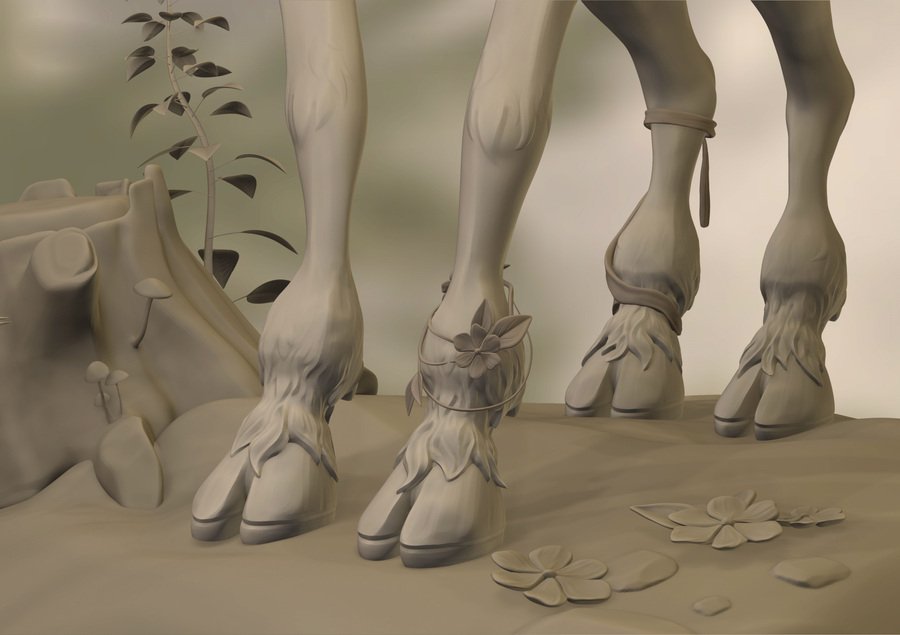
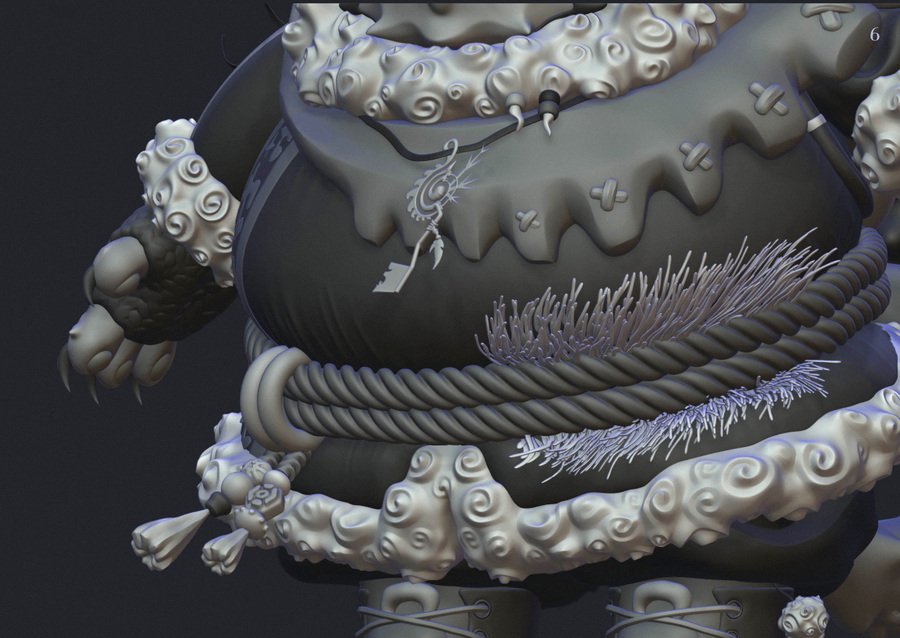
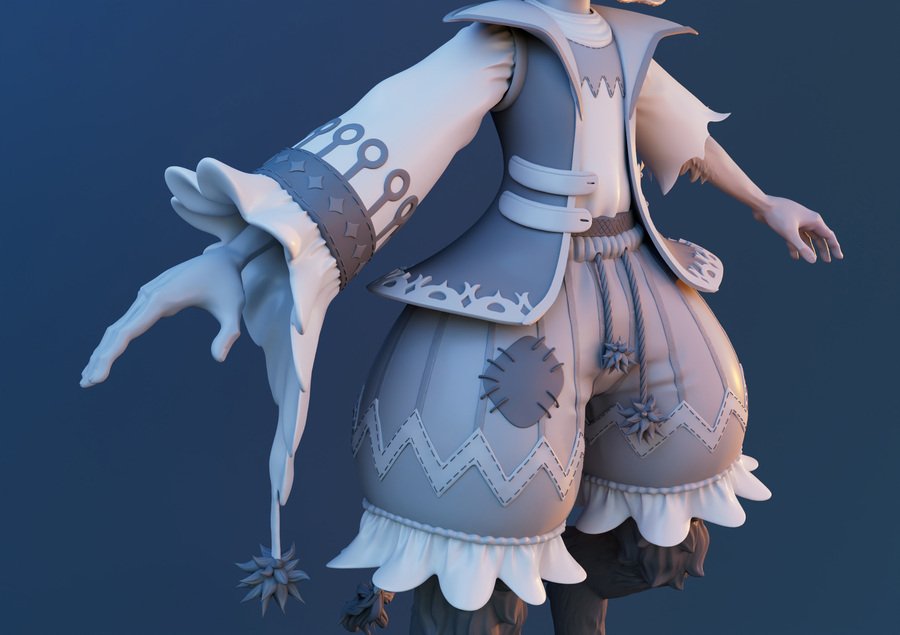
CLASSES//DETAILS
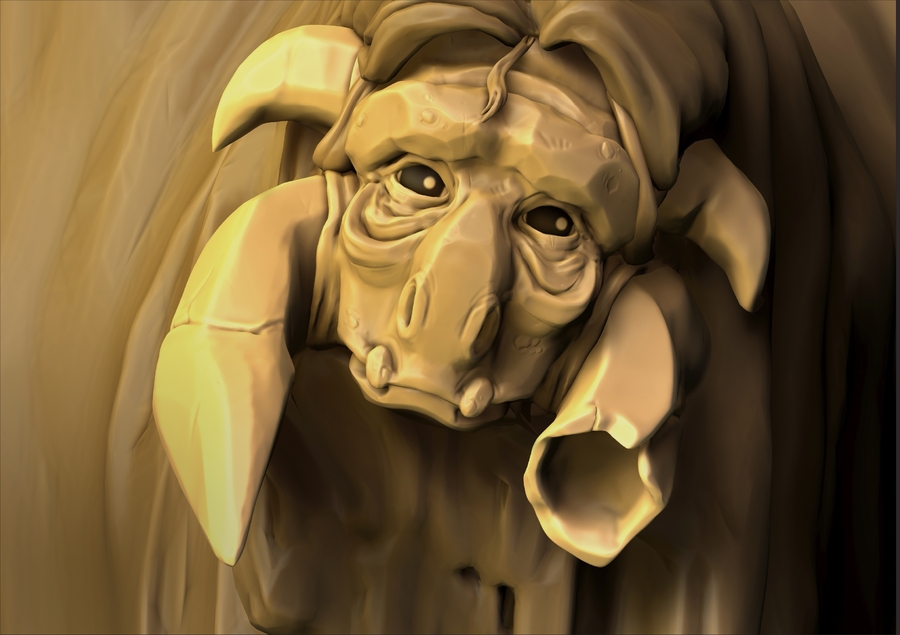
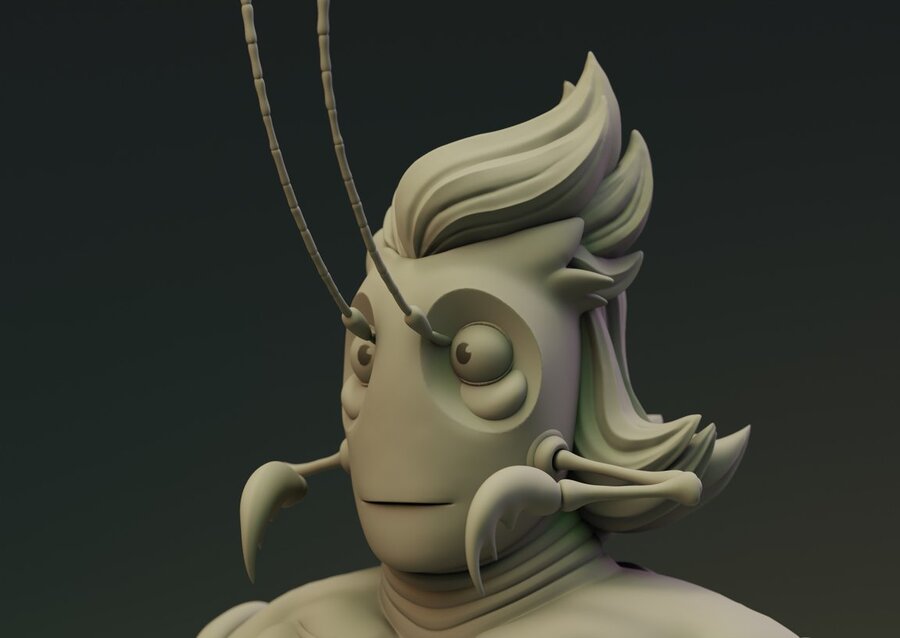

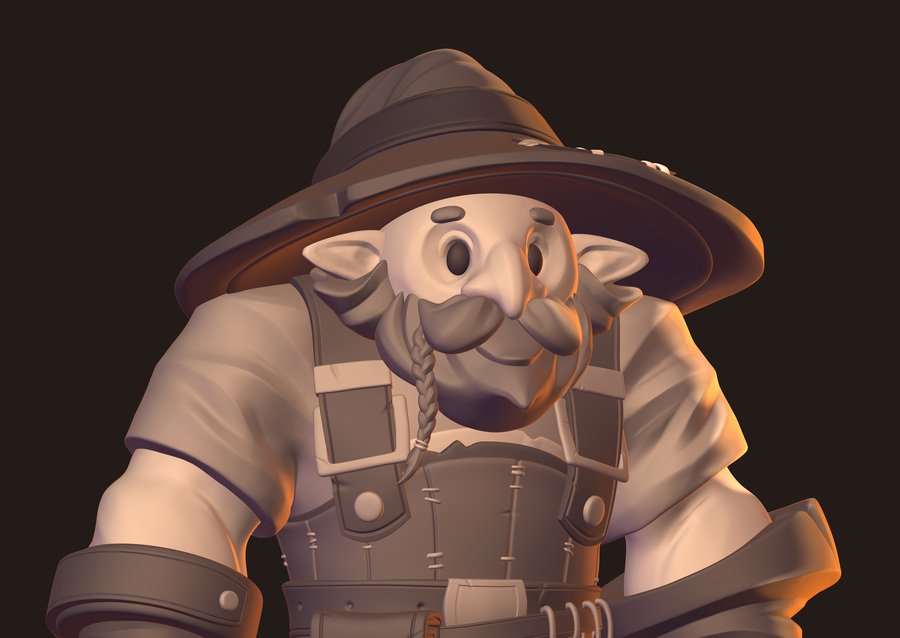
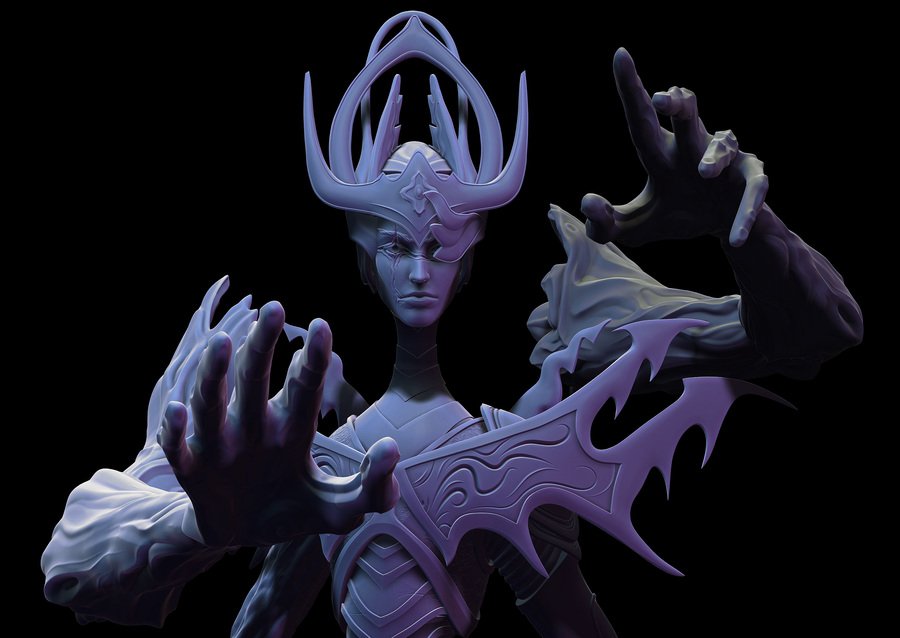
WORKSHOPS//PORTRAIT
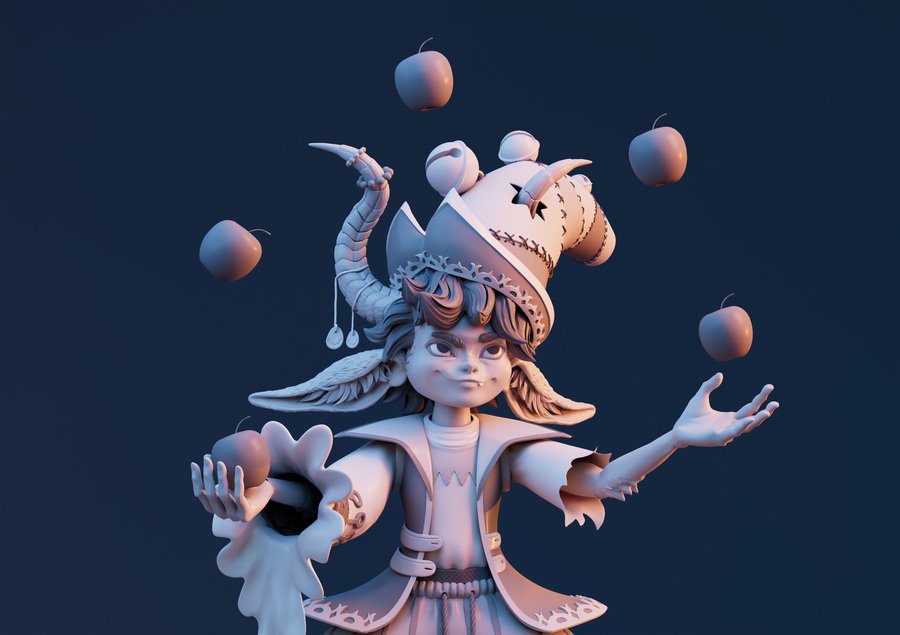
ILLUMINATION
STAND/TABLE