So Be It, Neither There, Nor Found
This is not a work about kinship or my relationship with my grandfather.Rather, it asks: how do we retain tenderness within memories that have been shaped for us? When memories become materialized, what happens when their vessels are lost? Is memory simply a murmur, once the protagonist of a story disappears? Memory is a mythology that each person carries within.
We treat memories as if they were a backpack left behind in a Starbucks yesterday. «How can I find it again?» But in this «Starbucks, ” you realize it’s not a real backpack—it’s an indescribable madeleine. It has no form, but you remember its taste. You open the door. The place is almost empty. You know no one. You try to explain with gestures. The staff hands you a madeleine—delicate, inviting. But it’s not the one.
This is how we approach memory. We insist on that one window seat, that one cake—though we don’t even know how much we ate. Maybe 39%? A number without source, yet it triggers an entirely different, seemingly unrelated memory. What mattered wasn’t the amount, but the light, the sugar, the moment. And so memories repeat, echo, shift.
I was raised by my grandparents. My grandfather passed away in 2023. Many of my childhood memories are bound to him. He was often the witness to them. This book uses my memories of him as index and material, selecting three often-told stories from three perspectives: his memory, our shared memory, and my own.
March 2025 | Written at home in China
We act like detectives interrogating our own past. We must find something—a thing, a person, a detail—and say, «Tell me…» to arrive at some version of the truth.
PART I
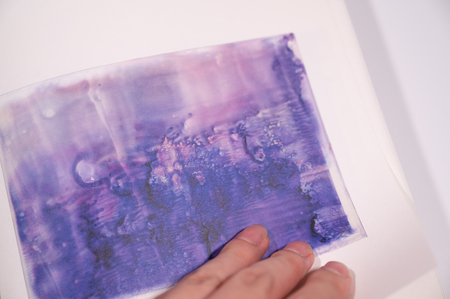
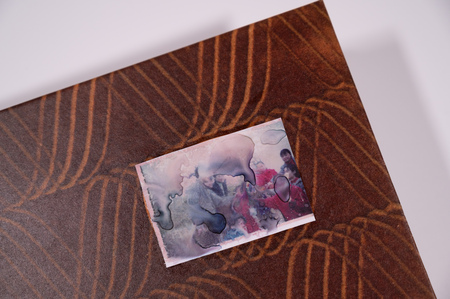
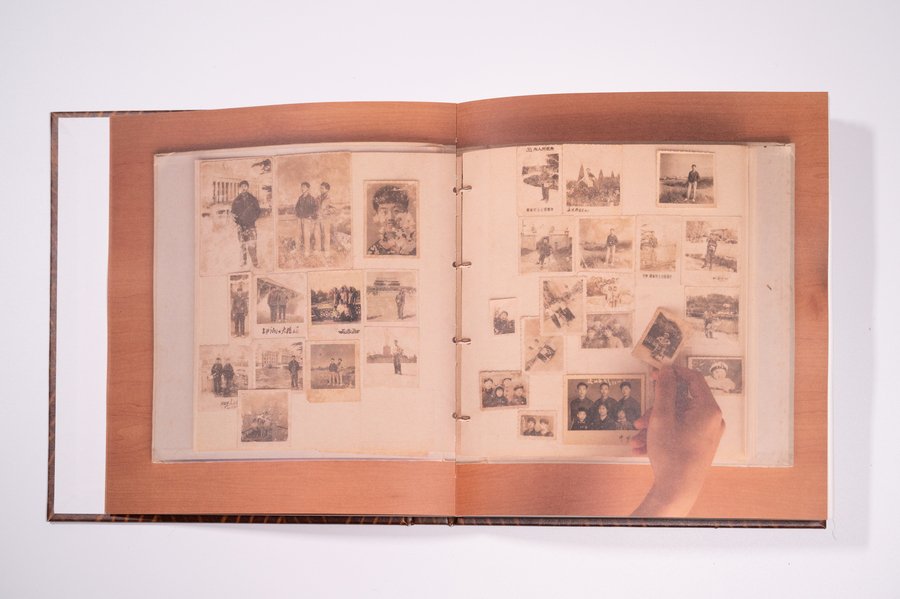
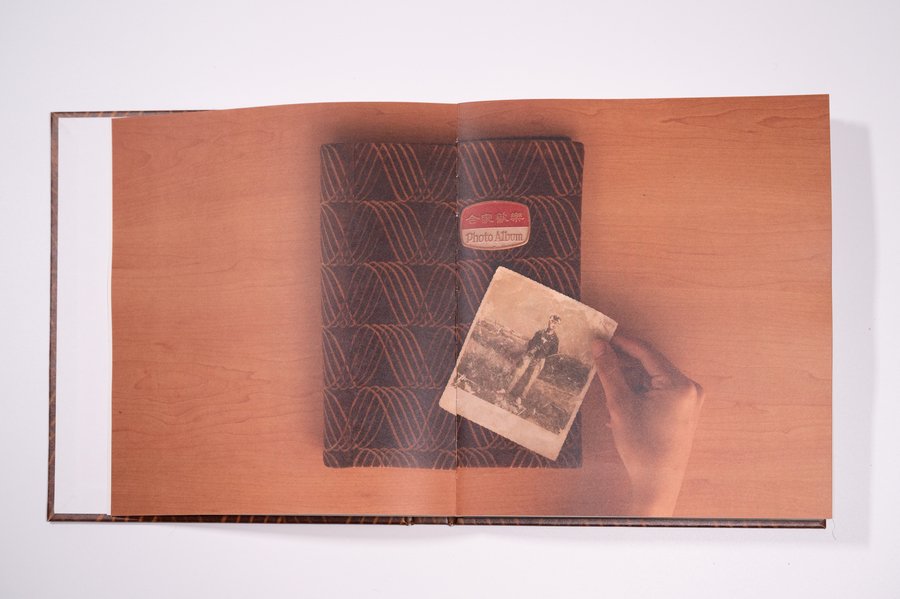
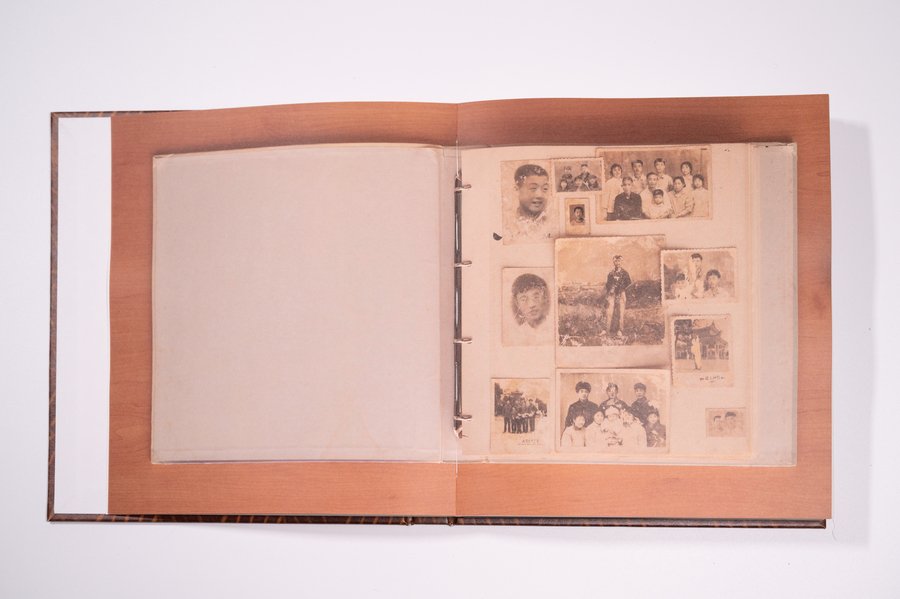
Part I revisits lost letters and a destroyed family album. I reconstruct letters lost to a flood between my grandparents. I simulate damage with water spray on photos—recreating time’s erosion.
PART II
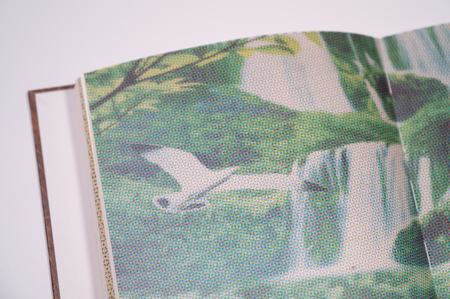
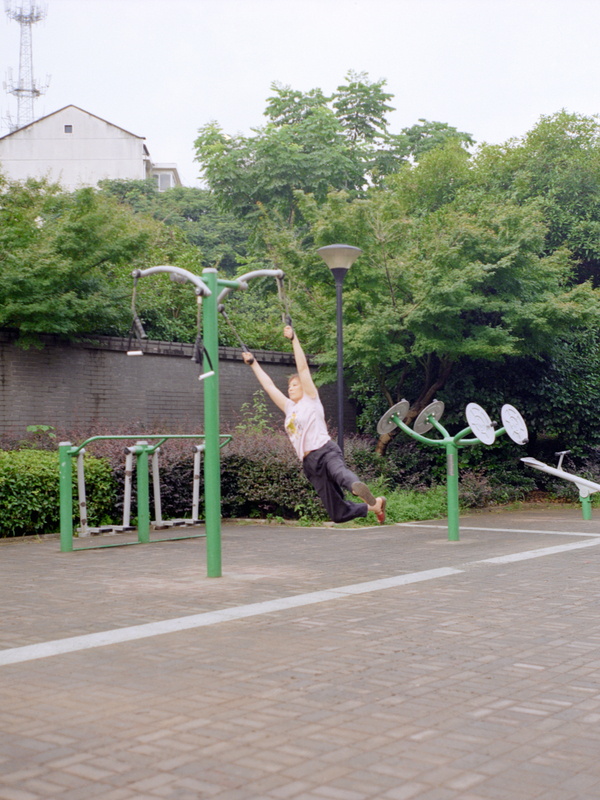
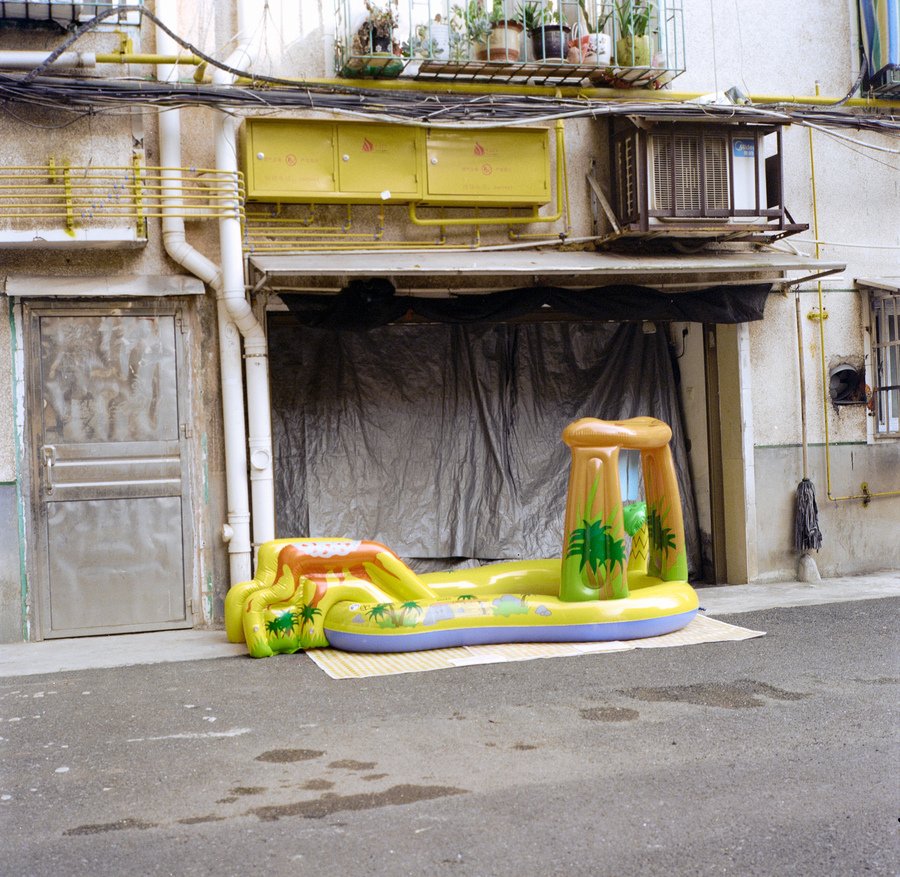
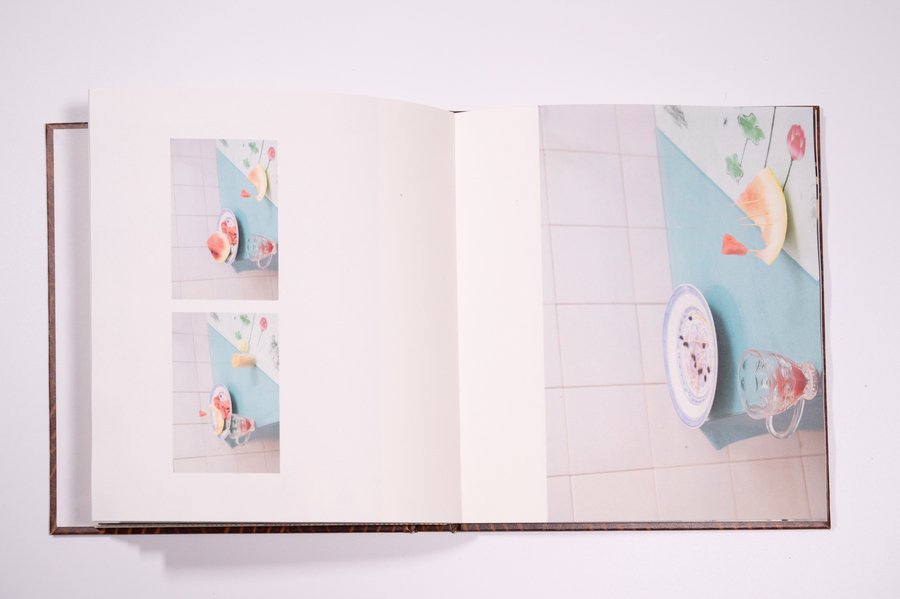
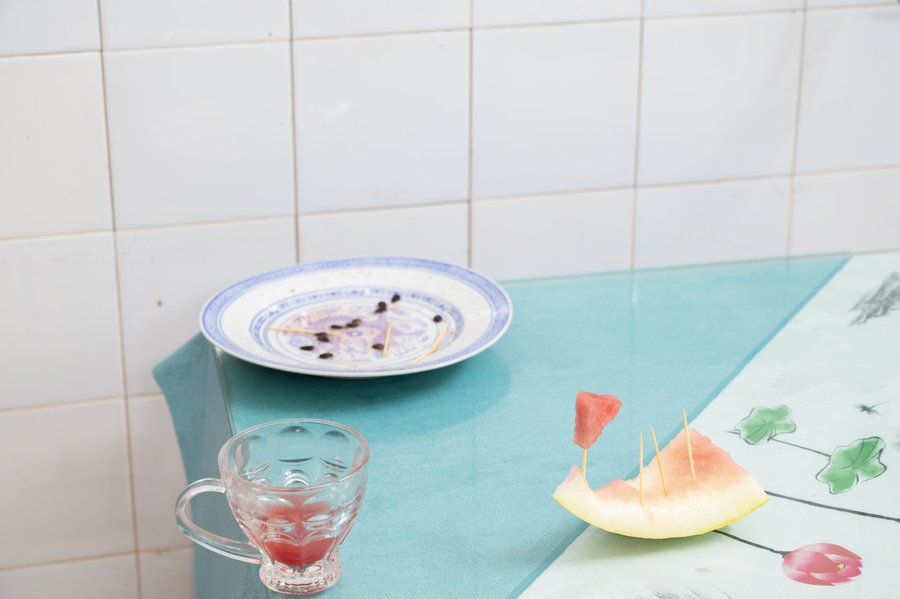
Part Two traces an old swimming pool that has vanished completely and a breakfast table. The pool once held decades of public memory in the small town of Yuanjiang; now it is gone. The breakfast table, on the other hand, holds ten years of my childhood. I also simulate a dream in which I fly through the night—a memory of movement and distance that may never have happened.
In 1994, my grandparents were laid off and had to live hundreds of kilometers apart to support their daughters—one stayed home with the children, the other went out to work.
They wrote many letters to each other. In 1996, a flood destroyed them all. After that, they switched to phone calls and never wrote again.
…I got your letter as I passed by the post office—you can’t imagine how happy it made me.
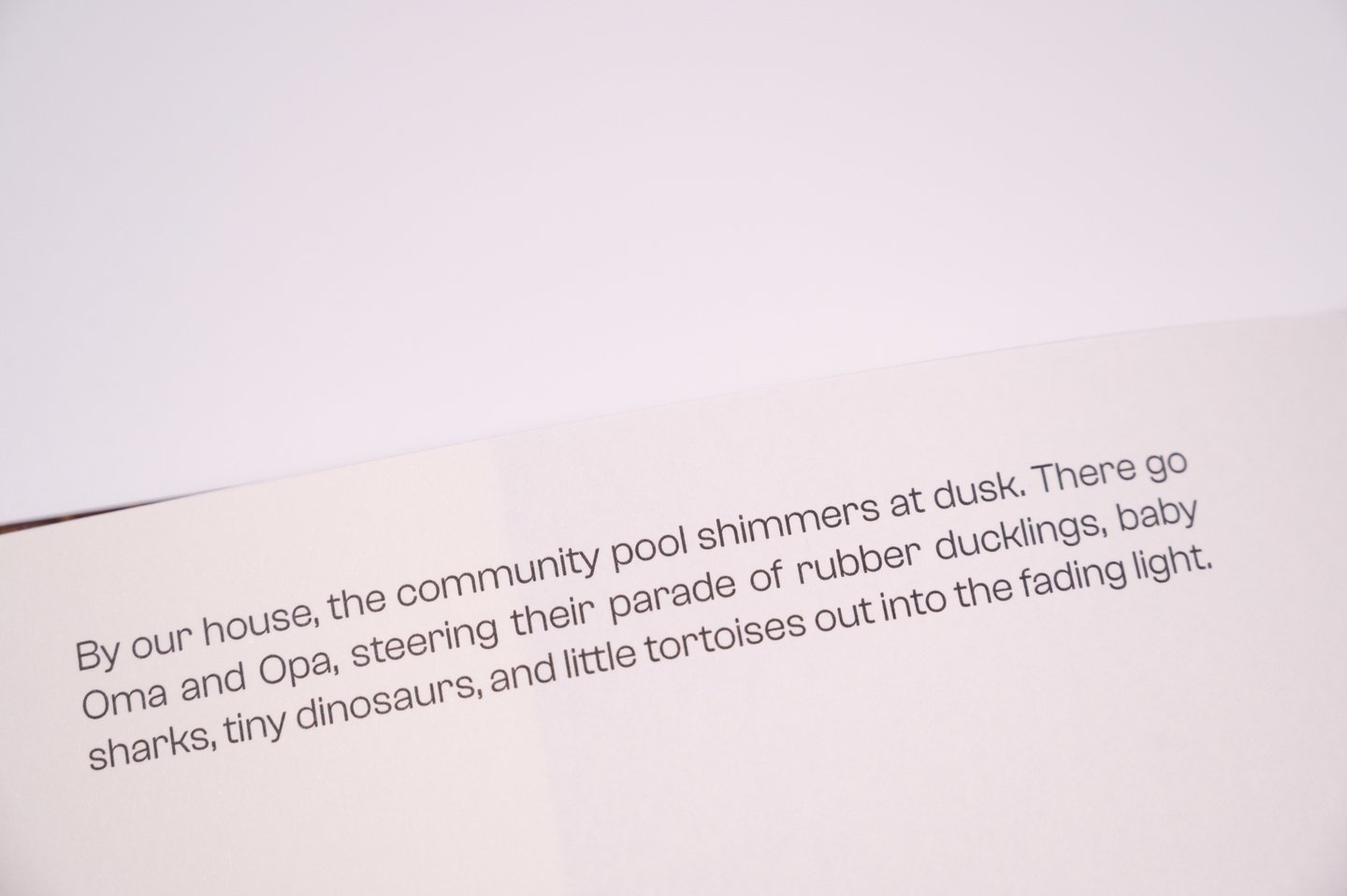
…The table holds ten years of my childhood.
PART III