General theoretical part: Communication theory as a brand building tool
The brand’s communication strategy is not just advertising. It is a guided process of creating, communicating, and interpreting meanings between a brand and an audience. We take the key idea from the course: communication is the process of generating meaning through symbols and signs in a certain context.


For design and branding, this means:
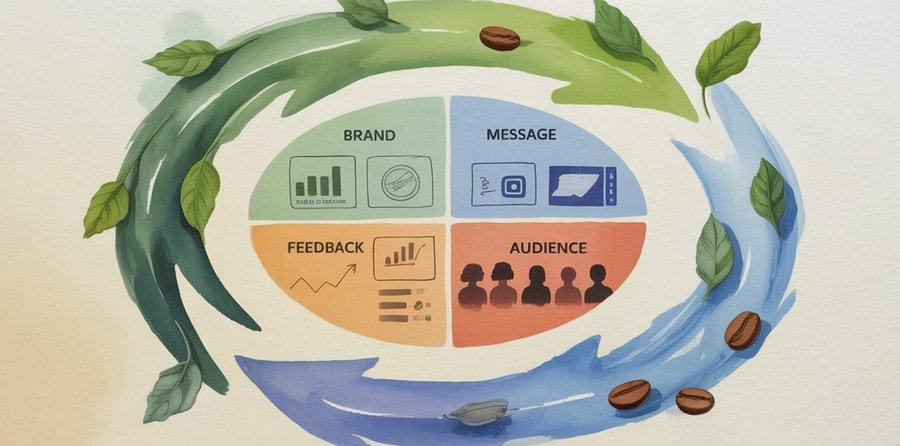
• A brand as a «sender» that encodes its message (values, experiences) into visual, verbal, and spatial symbols.
• The audience is a «receiver» that decodes these symbols based on its context and experience.
• Feedback in the form of engagement, sales, and reviews-closes the cycle and allows you to adjust the message.
• Context— cultural, social, physical (the cafe location itself) — determines how the message will be understood.
We will use theory as a framework to consciously build each brand contact with the guest, turning a one-time visit into a long-term relationship.

Brand presentation to a wide audience
Brand: AURORA LOOP
Concept: A cafe chain with a hyperlocalized and cyclical approach in several cities.
Slogan: Your cycle. Our taste.
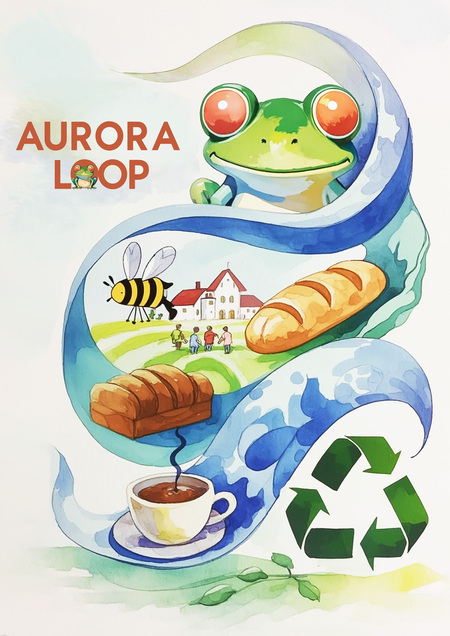
AURORA LOOP is not just a chain of coffee shops. It is an ecosystem of taste, enclosed within a radius of 50 km around each cafe.
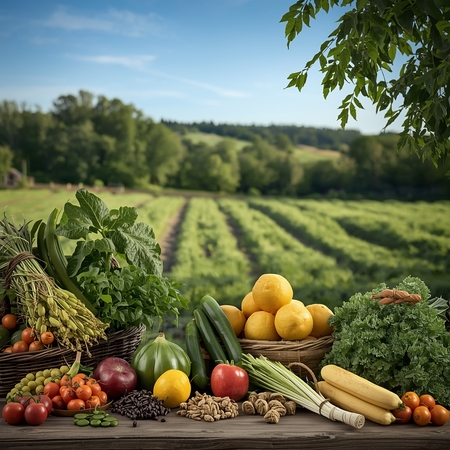
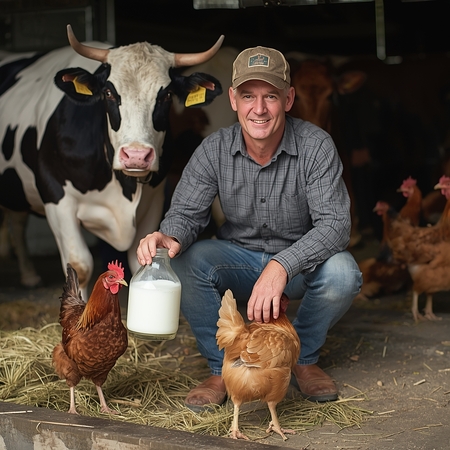
Hyperlocalization: In every city, all products (milk, cheese, honey, berries, herbs, even baking grains) come from trusted local farmers and producers from the nearest area. The menu varies by season and availability and may vary slightly from city to city, reflecting the local flavor.
Looping: We strive for zero-waste. Waste (coffee grounds, organic residues) is used for fertilizers for the same partner farms or for the creation of eco-products (scrubs, candles). Packaging — returnable/compostable.
Products:
• Coffee: Freshly roasted coffee, including beans for home, from trusted suppliers.
• Seasonal drinks: Lemonades, smoothies, and original drinks based on seasonal local berries, herbs, and fruits.
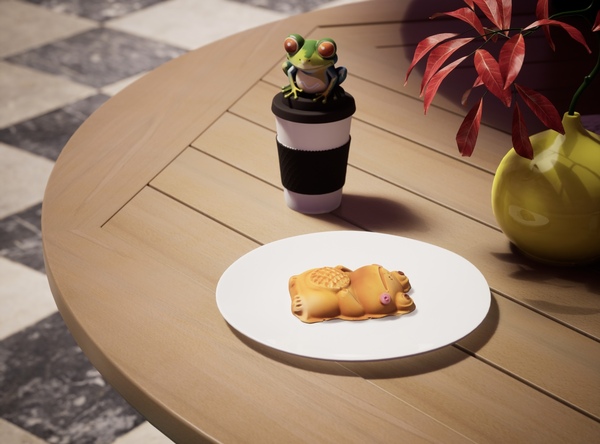
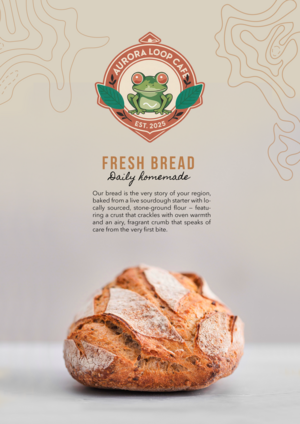
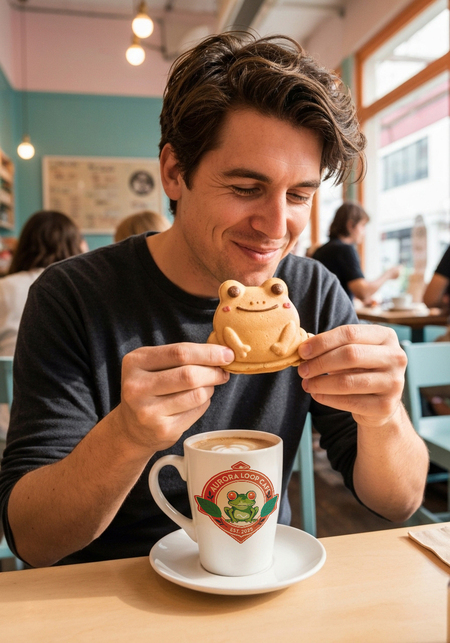
• Baking: All pastries are made from eco-friendly local products. A special feature of the chain is the branded pastries in the form of our mascot — a Lupik (cookies, buns, donuts), which is especially popular with guests. A variety of classic and original pastries are also offered — croissants, pies, sourdough bread.
• Other: Souvenirs with brand symbols and a mascot.
The Mascot:
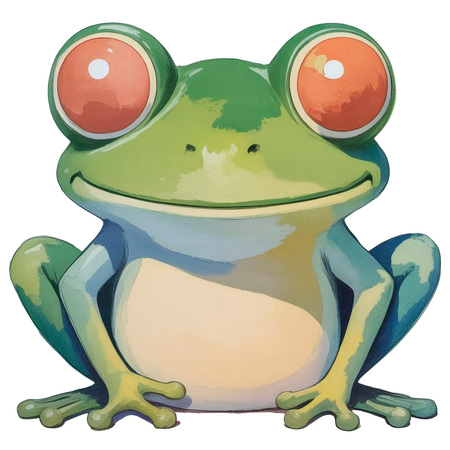
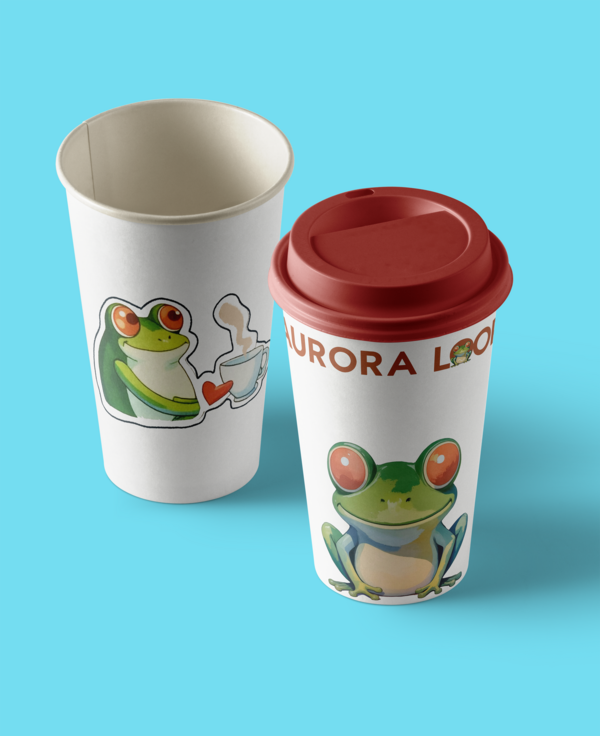
Loopik is a friendly character, a symbol in the form of a stylized loop (coffee bean or northern lights). He embodies the idea of a cycle, caring and a local community. The magnifier is present in the interior, on the packaging, on social media and helps to make the brand’s values more familiar and understandable, especially for a family audience.
Values: • Mindfulness: Know the origin of each cup. • Community: Local support, creating links. • The future: Responsible consumption and closed cycles.
Target audience: • Conscious citizens (25-40 years old): they value quality, product history, and environmental friendliness. • Freelancers and remote workers: looking for a place with the right atmosphere and ethical values. • Local patriots and foodies: interested in gastronomic tourism «close to home». • Families with children: who are attracted by a kind mascot, safe and high-quality food.
We are not creating a food outlet, but a network of spaces for meaningful dialogue between a person, his food and his environment. Each cup of coffee in the AURORA LOOP is a symbol of the local history and concern for the future of a particular region. We offer a narrative in which the guest becomes part of a good story about his own city.
Presentation for a professional audience
Key principles of communication strategy based on the theory:
- Semiotic brand system (Semiotic tradition):
Signs: The logo isa stylized loop in the shape of a coffee bean or auroraaurora. Colors: deep green (ecology), warm terracotta (land, locality), cool blue (purity, water cycle).
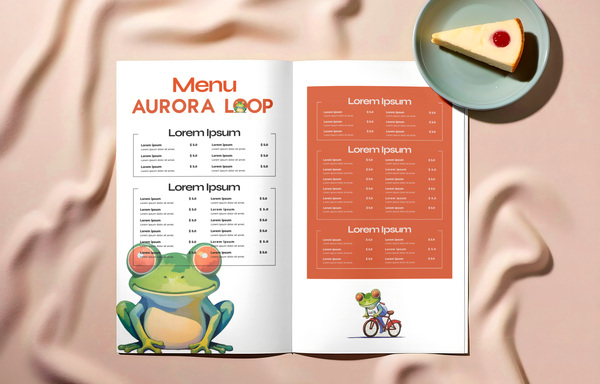
Symbols: Visual content (social media, menus) makes invisible connections visible: a map with points of partner farms for a particular city, an infographic of the cycle from grain to waste and back. Images of unique pastries in the shape of a Magnifying glass and seasonal drinks also become vivid symbols of the brand.
The tone of communication is expert but friendly. We name the partners by name (farm «Rassvet», cheese factory «Lugovoe»), indicate the mileage to the supplier in the context of a particular city.
2. Brand Impression and Face Management (Politeness Theory / Hoffmann’s Drama)
«Positive face» of the brand (desire to be accepted): We emphasize caring for the guest (perfect coffee, comfort) and common values (ecology, locality).
«Negative face» of the brand (independence, lack of pressure): Unobtrusiveness. No aggressive spam or slogans. Information about the mission is available, but not «paired».
Politeness strategies in conflict: If a guest asks about a high price, we don’t make excuses, but use the «positive politeness"strategy: «We understand your concerns and appreciate that you paid attention to the quality. This price is a direct reflection of our support for local farmers and fair-trade purchases. Let’s tell you more?».
3. Building loyalty through Exchange (Social Exchange Theory / Justice Theory)
What the guest invests (costs): High price, time for an informed choice.
What the guest gets (rewards): High-quality taste, a sense of belonging to a good cause in your city, a positive image, Instagram aesthetics, unique products (baked goods, seasonal drinks).
Balance (Equity): Communication must constantly confirm the value of remuneration. Not just «we are eco-friendly,» but «Thanks to our guests in [The name of the city], this month we sent 100 kg of coffee grounds to the Rassvet farm to fertilize the berries that you tasted last season.» The guest feels like a co-creator of a positive cycle in their region.
4. Two-step model of persuasion (ELM-Model of probability of conscious processing)
Central route (for a motivated audience): Detailed blog posts about farmers, composting technologies, and master classes from suppliers. Honest answers to difficult questions.
Peripheral route (for mass attraction): Visually attractive space design (comfort, greenery, natural materials), photos of ideal drinks, using authority (reviews of well-known local chefs), social proof (marks on the city map, UGC), deficit effect (seasonal menu «only this week»).