Intro

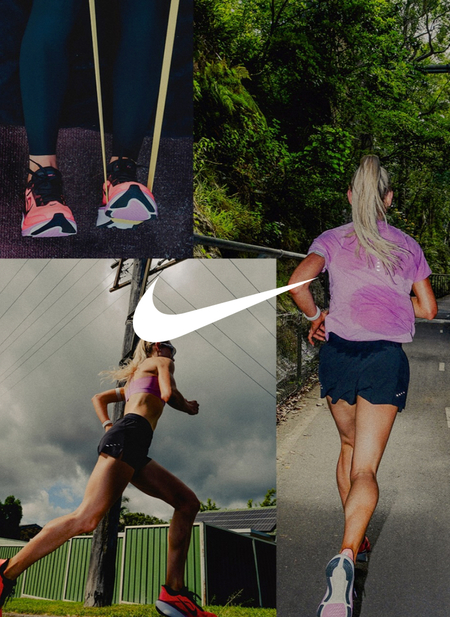
What is Nike? It is the most famous sports brand in the world. They make shoes, clothes, and sports equipment. Everyone knows their logo (the Swoosh).
Nike is one of the world’s leading sportswear and athletic footwear brands. Founded in 1964 as Blue Ribbon Sports and renamed Nike in 1971, the company designs, develops, and markets athletic shoes, apparel, equipment, and accessories.
Core Positioning
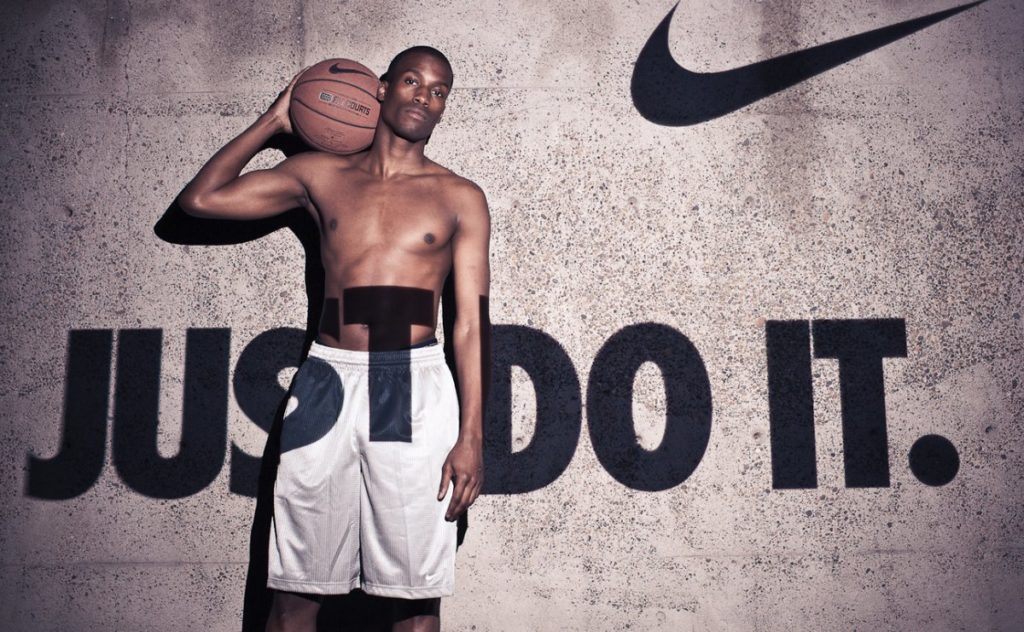
Nike positions itself as a brand that inspires people to achieve their potential through sport. Its famous slogan, «Just Do It,» emphasizes motivation, perseverance, and personal achievement.
Target Audience
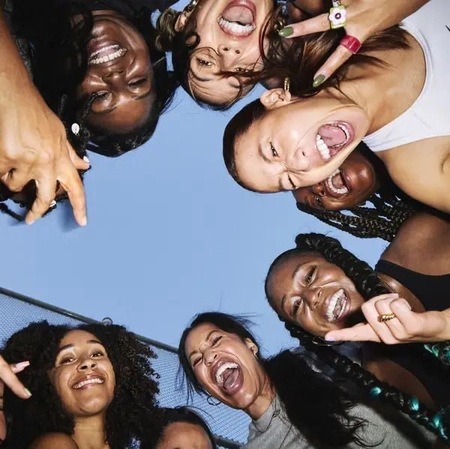
Who buys Nike? Young active people (Gen Z and Millennials). People who play sports. People who like street fashion. People chose Nike because their marketing is amazing. They don’t just sell shoes. They sell feelings, motivation, and a lifestyle. Nike’s communication appeals to diverse audiences by promoting inclusivity, empowerment, and social responsibility.
Communication Channels
Where Nike Speaks Nike uses many platforms to talk to people. They are active everywhere. Instagram Instagram (@nike): They have over 300 million followers. They post beautiful photos and motivational videos. They focus on stories about athletes. TikTok TikTok: On TikTok, Nike is more fun. They post short, trendy videos. They work with popular creators and do challenges. YouTube YouTube: They use YouTube for long videos. These are like mini-movies about sports, winning, and personal struggles. PR Campaigns: Nike creates big news. They support famous athletes and social movements. This makes people talk about them in the news, not just online. Nike Apps Mobile Apps: Nike has its own apps (Nike Run Club, Nike Training Club). This is a direct channel to talk to users every day while they train.
Theoretical Framework
Theory 1 — ELM
The Elaboration Likelihood Model (ELM). This theory says there are two ways to persuade people: the Central route and the Peripheral route.
ELM — Central Route. This is about logic and facts. People think hard before buying. They look at the quality, price, and technology.
ELM — Peripheral Route This is about feelings and quick choices. People don’t think much. They buy because a famous star wears it or the music in the video is good. Consumers rely on emotional cues, visuals and symbols.
Theory 2 — Dialogic Theory
Dialogic Theory. This theory is about building relationships. It means a brand doesn’t just talk at you, it talks with you. Good PR means a two-way conversation. Brands must listen to users, answer their comments, and create a community.
Analysis
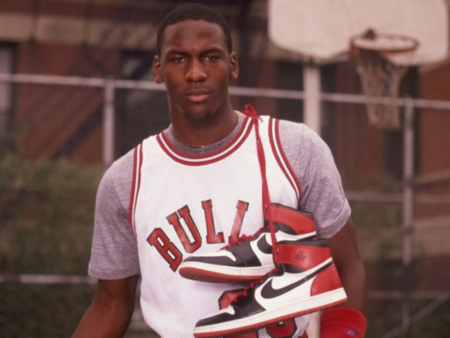
Nike uses famous athletes (like Michael Jordan or Cristiano Ronaldo). When fans see their hero, they want the shoes. They don’t read about the shoe materials. They just feel inspired. Emotional storytelling creates positive brand associations. Consumers may not evaluate product specifications in depth but instead associate Nike with success and excellence.
Nike ads use epic music and emotional stories. This is also the Peripheral route. It makes you feel strong and brave. Sometimes Nike uses the Central route. When they release special running shoes, they show the new technology (like Nike Air or Flyknit). They give facts to serious runners.
ELM Conclusion
Scientifically, Nike’s strategy is smart. They use the Central route for professional athletes, but they use the Peripheral route (emotions) for everyone else.
Analysis 2 — Dialogic Theory in Action
Replying to Users
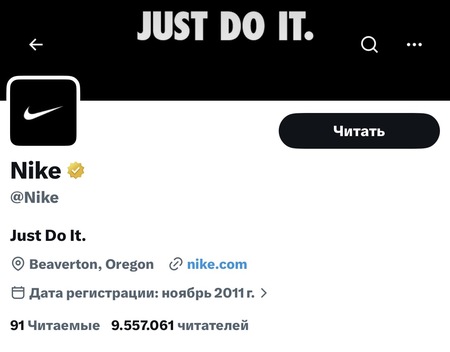
On X (Twitter), Nike has a special account (@Nike) just to help customers. They answer questions, solve problems, and chat with runners.
Building Community